

Imagine holding a piece of history in your hands—a Mickey Mouse lunch box from 1935. If you’re a fan of classic collectibles or simply love the magic of Disney, this isn’t just any lunch box.
It’s a symbol of a time when Mickey Mouse was becoming a beloved icon around the world. You might wonder what makes this lunch box so special and why collectors treasure it so much. Keep reading, and you’ll discover fascinating stories, rare details, and tips on how to spot an authentic 1935 Mickey Mouse lunch box.
This could be the start of your own nostalgic adventure.
Origin Of The 1935 Mickey Mouse Lunch Box
The origin of the 1935 Mickey Mouse lunch box marks a significant moment in both pop culture and merchandising history. This lunch box was among the first to feature a licensed character, setting a trend that has lasted for decades. Understanding its roots helps you appreciate why it remains a coveted collectible today.
Collaboration With Disney
The 1935 Mickey Mouse lunch box was a result of a unique collaboration between the Disney company and the Aluminum Company of America (Alcoa). At that time, Disney was just beginning to expand Mickey Mouse’s reach beyond animation. This partnership allowed Disney to bring Mickey into everyday life, making the character accessible to children during their daily routines.
This collaboration was more than a business deal—it reflected a new way to connect with audiences. Imagine being a kid back then, carrying your favorite character to school every day. That personal connection helped make Mickey Mouse a lasting icon.
Design Features And Materials
The lunch box was made from lightweight, durable metal, primarily tinplate, which made it sturdy enough for daily use. It featured a vibrant, colorful image of Mickey Mouse on the front, printed using a process that resisted fading. The size was perfect for a child’s lunch, combining practicality with fun.
What stands out is the attention to detail in the design. The rounded corners and secure latch made it safe and easy to open. Have you ever wondered how something so simple can create such a strong emotional attachment? The design wasn’t just about looks—it was about creating a lasting experience.
Iconic Design Elements
The Mickey Mouse Lunch Box from 1935 stands out because of its unforgettable design. Its look isn’t just about nostalgia—it’s a careful mix of art and style that grabs attention even today. Understanding these design elements can help you see why this lunch box remains a collector’s favorite and a pop culture icon.
Mickey Mouse Artwork
The artwork on the lunch box captures Mickey Mouse’s cheerful personality perfectly. You see him with his big round ears, wide smile, and classic pose that feels alive and full of energy.
This design wasn’t just drawn randomly; it was created to make Mickey instantly recognizable and friendly. The bold lines and clear shapes help the character stand out, even from a distance.
Have you noticed how the artwork makes you feel a connection to Mickey’s playful spirit? That’s the power of a well-crafted design.
Color Scheme And Typography
The color scheme uses bright reds, yellows, and blacks that catch your eye immediately. These colors are not just vibrant but also true to Mickey’s original look, making the lunch box feel authentic.
The typography is simple yet bold, with letters that are easy to read and add to the fun vibe. The font style matches the era of the 1930s, giving the box a vintage charm that collectors love.
Think about how colors and fonts can affect your mood. Would you choose a lunch box with dull colors? Probably not. This lunch box’s design reminds you why first impressions matter.
Cultural Impact In The 1930s
The cultural impact of the Mickey Mouse Lunch Box in the 1930s went beyond being a simple container. It became a symbol of joy and imagination during a tough economic time. This lunch box brought happiness to children and helped spread the popularity of Mickey Mouse as a character. Its design and presence made it a key part of childhood for many.
Popularity Among Children
The lunch box quickly became a favorite among children. Its bright colors and the cheerful image of Mickey Mouse caught their attention. Kids loved carrying their meals in something fun and familiar. The lunch box made lunchtime more enjoyable and sparked conversations among friends.
Parents also appreciated the lunch box. It was sturdy and practical for everyday use. The combination of usefulness and fun made it a popular choice in homes across America.
Role In Promoting Mickey Mouse
The lunch box played a crucial role in promoting Mickey Mouse beyond cartoons. It served as a daily reminder of the beloved character. Seeing Mickey on their lunch box kept the character alive in children’s minds.
This product helped build a strong connection between fans and Mickey Mouse. It supported the growth of Disney’s brand during the early years. The lunch box was one of the first examples of character merchandising that reached a wide audience.

Credit: www.liveauctioneers.com
Rarity And Collectibility
The Mickey Mouse Lunch Box from 1935 is more than just a nostalgic item; its rarity and collectibility make it a prized possession among collectors. Understanding what makes it rare can help you appreciate its value and significance in vintage memorabilia.
Production Numbers
The lunch box was produced in limited quantities during the mid-1930s, primarily because metal lunch boxes were a new concept. Manufacturers didn’t anticipate the massive demand that would come decades later, so only a few thousand units were made.
This scarcity means that each surviving lunch box from that era carries a unique story and history. Have you ever wondered how many of these iconic boxes were actually made before they became collector’s items?
Surviving Examples Today
Today, only a small number of the original 1935 Mickey Mouse lunch boxes remain in good condition. Many were lost, damaged, or discarded over the years, which adds to their rarity.
Collectors often seek lunch boxes with intact paint, minimal rust, and complete parts like the original thermos. If you’ve seen one in excellent condition, you’ve witnessed a rare piece of Disney history that few are lucky enough to find.
Value And Market Trends
The value of a Mickey Mouse Lunch Box from 1935 has fascinated collectors and enthusiasts for decades. Its market trends reflect a mix of nostalgia, rarity, and the ongoing popularity of Disney memorabilia. Understanding these trends can help you make smarter decisions whether you’re buying, selling, or simply appreciating this vintage item.
Auction Records
Over the years, Mickey Mouse Lunch Boxes from 1935 have fetched impressive sums at auctions. Some rare examples with original paint and minimal rust have sold for tens of thousands of dollars. One notable auction in 2021 saw a pristine lunch box reach over $20,000, highlighting the strong demand.
However, prices can vary significantly based on condition and provenance. Even slight damage can reduce value by 30-50%, showing how crucial preservation is. Have you ever wondered how a small scratch might impact the price of your collectible?
Factors Affecting Value
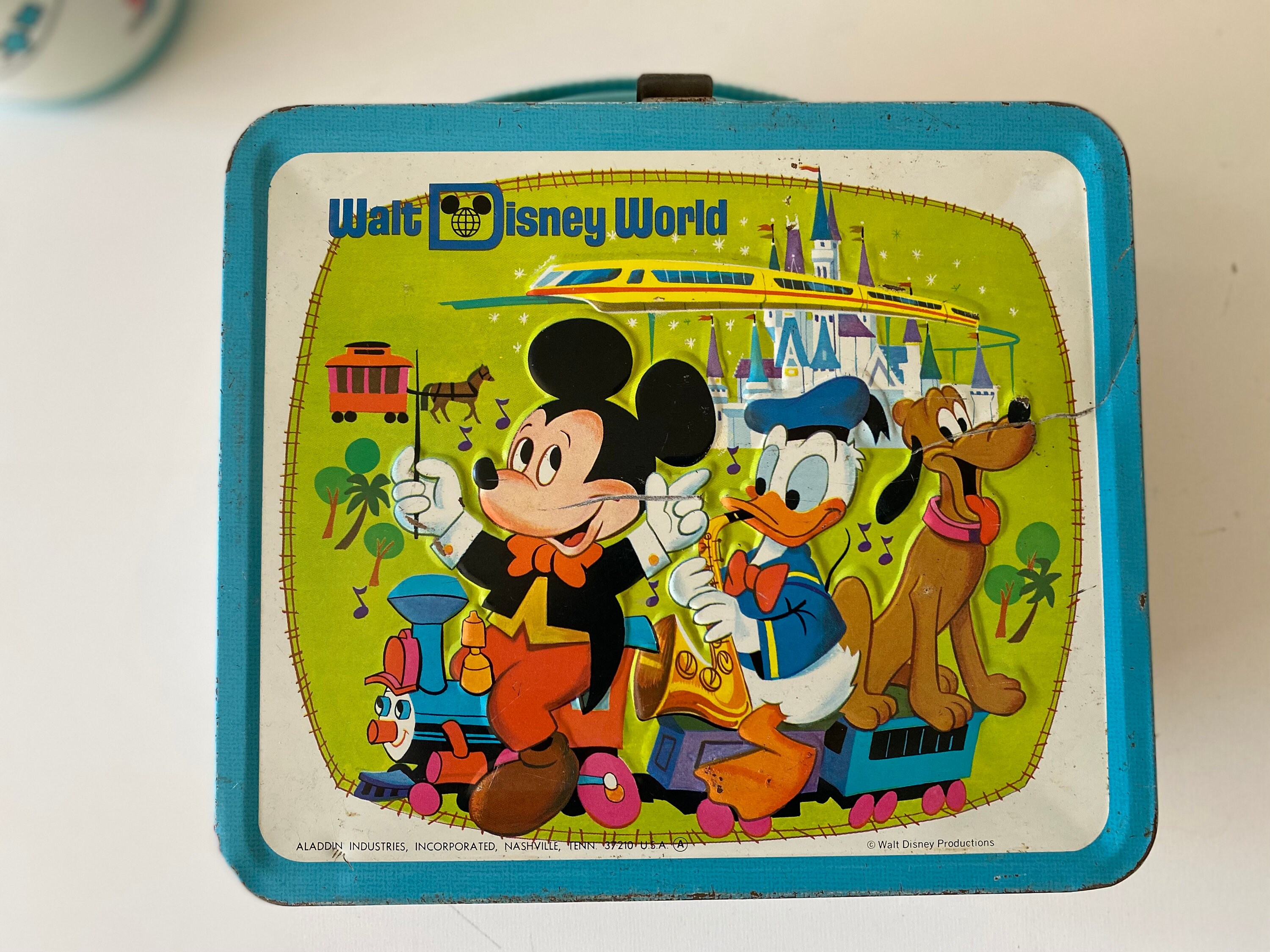
- Condition:Mint condition or near-mint examples command premium prices. Look for intact paint, working latches, and no rust.
- Rarity:Limited production runs and unique design elements boost value. Early models with original graphics are especially prized.
- Provenance:A documented history or original purchase receipt can increase buyer confidence and value.
- Market Demand:Interest in vintage Disney items fluctuates, so timing your sale can affect the return.
When evaluating your lunch box, consider these factors carefully. What’s the one detail about your piece that might surprise potential buyers?
Credit: www.etsy.com
Care And Preservation Tips
Owning a Mickey Mouse Lunch Box from 1935 is like holding a piece of history in your hands. To keep its charm and value intact, you need to treat it with care. Proper care and preservation can make sure this nostalgic treasure lasts for many more years to come.
Cleaning Guidelines
Start with a soft, dry cloth to gently wipe off dust and dirt. Avoid using water or harsh chemicals, as these can damage the paint and metal.
If you notice stubborn spots, slightly dampen the cloth with water and lightly rub the area. Dry immediately with a clean, dry cloth to prevent rust or corrosion.
Never scrub aggressively or use abrasive materials. Your lunch box’s original design and colors need gentle handling to stay vibrant.
Storage Recommendations
Store your Mickey Mouse lunch box in a cool, dry place away from direct sunlight. Sunlight can fade the colors and weaken the metal over time.
Consider wrapping it in acid-free tissue paper before placing it in a sturdy box. This adds an extra layer of protection against dust and moisture.
Keep it upright and avoid stacking heavy items on top. This helps prevent dents or warping of the metal.
Have you ever thought about the impact of humidity? Using silica gel packets nearby can absorb moisture and protect your lunch box from rust.
Related Vintage Disney Memorabilia
Vintage Disney memorabilia offers a fascinating glimpse into the past, especially for collectors and enthusiasts who cherish the magic of early animation history. The Mickey Mouse Lunch Box from 1935 is just one piece of a larger puzzle that includes a variety of items capturing Disney’s early charm. Understanding related memorabilia helps you appreciate the cultural and collectible value of these items beyond just the lunch box itself.
Other Early Lunch Boxes
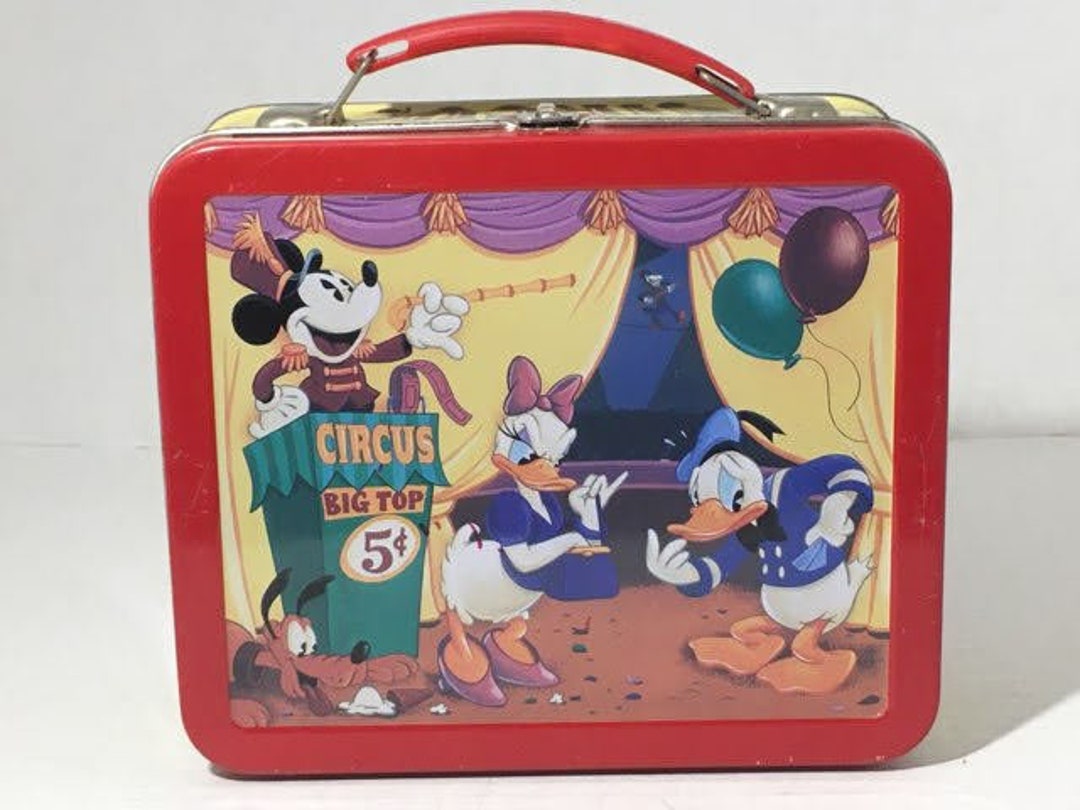
The 1930s and 1940s featured several lunch boxes that became highly sought after by collectors. Beyond the Mickey Mouse Lunch Box, you might find:
- Donald Duck metal lunch boxes from the late 1930s
- Snow White and the Seven Dwarfs tin lunch boxes released after the 1937 film
- Steamboat Willie-themed lunch boxes that highlight Mickey’s earliest cartoons
Each lunch box carries unique artwork and design elements that reflect the era’s printing technology and artistic style. Have you ever wondered how these designs influenced children’s daily lives back then?
Complementary Collectibles
Collecting early lunch boxes often leads to discovering other vintage Disney items that pair well together. Consider adding:
- Character figurines made from celluloid or early plastic
- Old Disney comic books and storybooks that showcase original character art
- Vintage Disney pins and badges from promotional events
- Original movie posters or lobby cards from Disney’s first animated features
These pieces help create a more complete picture of Disney’s early brand identity. Which item would you add first to your vintage Disney collection to complement your lunch box?
Credit: www.etsy.com
Frequently Asked Questions
What Is The History Of The Mickey Mouse Lunch Box 1935?
The Mickey Mouse Lunch Box 1935 was one of the earliest character lunch boxes. It debuted alongside Mickey Mouse’s rise in popularity. This collectible item reflects vintage design and nostalgia, making it highly valuable for collectors today.
Why Is The 1935 Mickey Mouse Lunch Box Collectible?
Its rarity and historical significance make it collectible. The lunch box features original 1930s artwork and materials. Fans and collectors prize it for its vintage charm and connection to early Disney merchandising.
How Was The Mickey Mouse Lunch Box 1935 Made?
The lunch box was made from metal, typical of 1930s manufacturing. It included vibrant lithographed images of Mickey Mouse. Durable materials and detailed artwork defined its classic vintage look.
Where Can I Find An Original Mickey Mouse Lunch Box 1935?
Original boxes can be found at antique shops, auctions, and online marketplaces. Verify authenticity through detailed photos and seller reputation. Prices vary based on condition and rarity.
Conclusion
The Mickey Mouse Lunch Box from 1935 holds a special place in history. It shows how Mickey Mouse became a beloved character worldwide. Collectors and fans value its simple design and vintage charm. This lunch box reminds us of fun childhood days and classic Disney magic.
Owning one connects people to the past and to a timeless story. It’s more than just a lunch box; it’s a piece of art and nostalgia. This iconic item keeps Mickey’s spirit alive for generations to enjoy.

Sophia Martinez is a culinary lifestyle writer and product reviewer for DiningGadgets.com. Passionate about blending style with functionality, she explores the latest dining essentials, kitchen décor, and cleaning hacks that transform everyday cooking spaces. With a background in home organization and design, Sophia brings readers expert advice on creating beautiful, practical kitchens that truly feel like the heart of the home.