

Imagine turning a simple bottle of grape juice into a delightful homemade wine. It sounds almost magical, doesn’t it?
You don’t need a vineyard or fancy equipment to make your own wine; just some grape juice and a few other ingredients. Making wine at home can be a fun and satisfying experience, and you’ll be surprised at how easy it is.
Picture yourself sharing a glass of your own creation with friends or enjoying a quiet evening with a wine that you crafted yourself. In this guide, you’ll discover how to transform ordinary grape juice into an extraordinary wine. Let’s dive into the simple steps and secrets that will have you savoring your very own homemade vintage.
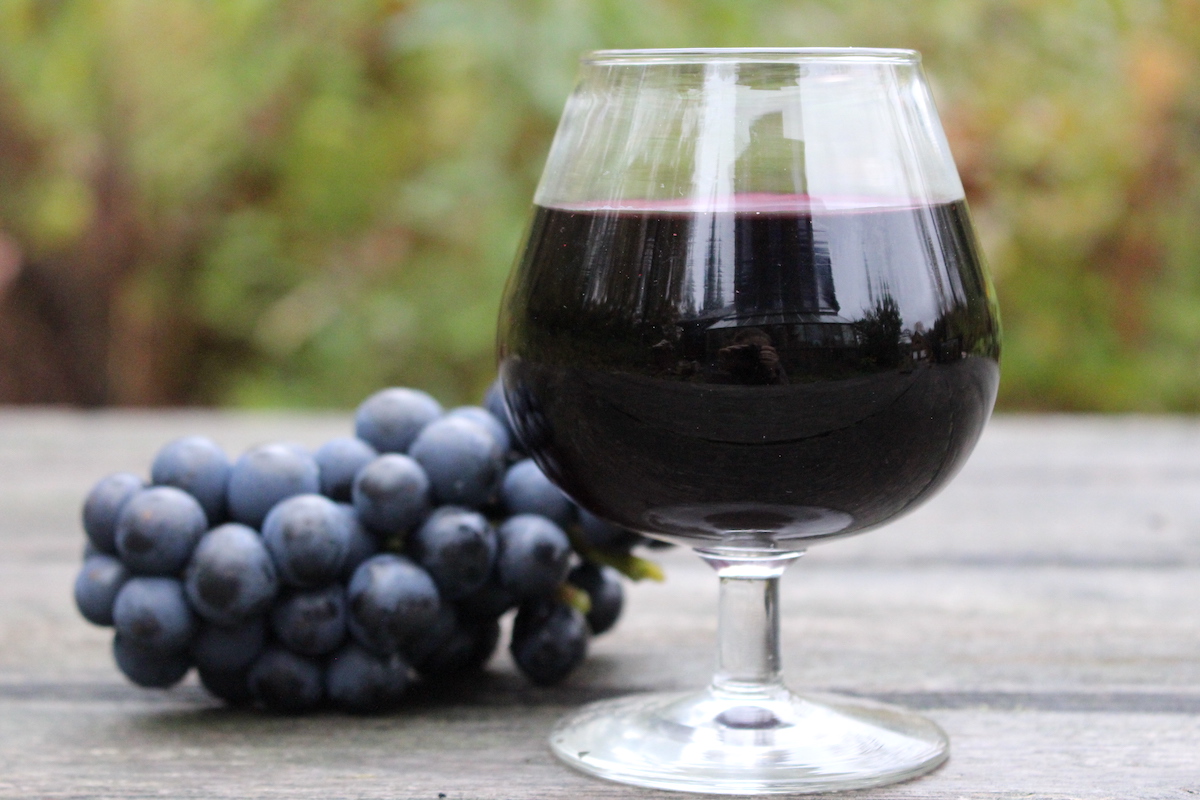
Credit: practicalselfreliance.com
Choosing The Right Grape Juice
Choosing the right grape juice is key to making good wine at home. The juice sets the flavor, sweetness, and body of your wine. Picking the best type ensures a smooth fermentation and tasty result. Focus on juice quality, type, and ingredients for the best outcome.
Fresh Vs. Store-bought Juice
Fresh grape juice offers natural flavor and fewer additives. It can give your wine a richer taste. Fresh juice may have wild yeasts that affect fermentation. Store-bought juice is easy to find and consistent in quality. It often has added sugar or preservatives, which can change fermentation. Choose based on availability and your control over the winemaking process.
Selecting Juice Without Preservatives
Preservatives stop yeast from working well. Avoid juices with sulfites or sorbates for better fermentation. Look for labels that say “no preservatives” or “all natural.” Organic juices often have fewer additives. Using juice without preservatives helps the yeast turn sugar into alcohol properly. This leads to better flavor and higher alcohol content.
Best Grape Varieties For Wine
Different grapes create different wine styles. Here are some popular grape types for winemaking:
- Concord:Sweet, fruity, good for beginners.
- Cabernet Sauvignon:Bold, tannic, great for red wines.
- Chardonnay:Crisp, light, ideal for white wines.
- Merlot:Soft, smooth, easy to drink.
- Pinot Noir:Delicate, complex, needs care.
Choose grape juice that fits your wine style and taste preference.
Essential Equipment For Winemaking
Making wine at home needs some important tools. These tools help you make wine safely and with good taste. Using the right equipment can make the process easier and better. Let’s look at the key items needed for winemaking.
Fermentation Containers
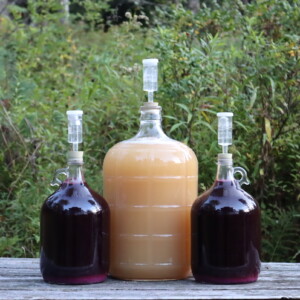
Fermentation containers hold the grape juice as it turns into wine. Choose containers made of glass, food-grade plastic, or stainless steel. Glass carboys are popular because they do not change the wine’s taste. Plastic buckets with lids are good for beginners. Make sure the containers are clean and have enough space for the juice to expand.
Airlocks And Bottles
Airlocks let gases escape during fermentation without letting air in. This stops bad bacteria from spoiling the wine. Attach the airlock to the fermentation container’s lid. After fermentation, use clean wine bottles to store the wine. Dark bottles protect wine from light. Corks or screw caps keep the wine fresh inside the bottles.
Sanitizing Tools
Sanitizing tools is very important to stop germs from ruining the wine. Use a food-safe sanitizer to clean all equipment before and after use. This includes containers, airlocks, bottles, and utensils. Proper cleaning helps avoid bad smells and flavors in the wine. Always rinse tools well after sanitizing to remove any chemical residue.
Preparing The Juice For Fermentation
Preparing the grape juice for fermentation is a key step in making wine. This stage affects the flavor, aroma, and quality of the final product. Proper preparation helps the yeast work well and ensures a smooth fermentation process.
Start by checking the juice’s natural balance. Sometimes, adjustments are needed to create the best environment for fermentation. This includes adding sugar and nutrients, adjusting acidity, and selecting the right yeast strain.
Adding Sugar And Nutrients
Grape juice may lack enough sugar for fermentation. Adding sugar boosts alcohol content and flavor. Use clean, simple sugar like cane or beet sugar. Dissolve it fully before mixing with juice.
Nutrients are vital for yeast health. Yeast needs nitrogen, vitamins, and minerals to grow. Adding yeast nutrient powder helps fermentation finish well. Without nutrients, yeast may stop working early.
Adjusting Acidity Levels
Acidity shapes the wine’s taste and stability. Too much acid makes wine sour. Too little can cause flat flavor and spoilage. Test juice acidity with a pH meter or strips.
Adjust acid using tartaric or malic acid. Add small amounts and test again. Aim for a pH between 3.2 and 3.5 for best results.
Choosing The Right Yeast
Select yeast based on wine style and conditions. Different yeasts produce different flavors and alcohol levels. Common choices include strains for dry, sweet, or fruity wines.
Use active dry yeast or liquid yeast. Rehydrate dry yeast before adding to juice. Proper yeast selection ensures healthy fermentation and great taste.
Credit: practicalselfreliance.com
The Fermentation Process
The fermentation process is where grape juice transforms into wine. This stage is crucial because it develops the flavors, aromas, and alcohol content that define your final product. Understanding how fermentation works helps you control the quality and avoid surprises in your homemade wine.
Primary Fermentation Steps
Start by pouring your grape juice into a clean fermentation vessel. Add yeast to kick off the fermentation—this little organism eats the sugar and produces alcohol and carbon dioxide.
Seal the vessel with an airlock to let gas escape but keep air out. Fermentation usually takes about one to two weeks, but you’ll notice bubbling slow down as it finishes. At this point, the juice turns into young wine, ready for the next phase.
Monitoring Temperature And Activity
Temperature plays a big role in fermentation. Yeast thrives between 65°F and 75°F (18°C to 24°C). Too hot, and the yeast can die or create off-flavors; too cold, and fermentation slows down or stops.
Keep an eye on the airlock bubbles—they’re your best clue about activity. If bubbling stops too soon, test the specific gravity with a hydrometer to check if fermentation is complete. Have you ever noticed a sudden stop in bubbling? That could mean the yeast needs a little help.
Avoiding Common Fermentation Issues
One common problem is stuck fermentation, where yeast stops before all sugar is converted. To prevent this, make sure your juice has the right nutrient balance and temperature.
Another issue is contamination, which can spoil your wine’s taste. Always sanitize your equipment thoroughly and avoid exposing the fermenting wine to open air.
Lastly, don’t rush. Patience ensures your yeast finishes its job fully, giving you smooth, flavorful wine. What’s the biggest challenge you’ve faced during fermentation?
Racking And Clarifying The Wine
Racking and clarifying are key steps in making wine from grape juice. These processes improve the wine’s taste and appearance. Racking removes unwanted sediment that forms during fermentation. Clarifying clears the wine, making it look clean and bright. Both steps help create a smoother and more enjoyable wine.
Transferring Wine To Remove Sediment
Racking means moving wine from one container to another. This transfer leaves the sediment behind. Sediment includes dead yeast cells and grape particles. Use a siphon tube or a racking cane to avoid disturbing the sediment. Do this gently and slowly. Repeat racking several times during fermentation and aging.
Using Fining Agents
Fining agents help clear the wine by binding with particles. These agents make the particles heavier, so they fall to the bottom. Common fining agents include bentonite, gelatin, and egg whites. Add the fining agent to the wine and stir gently. Let the wine rest for a few days before racking again.
When To Rack For Best Results
Rack your wine after fermentation is complete. Check if the bubbling has stopped. Wait until the sediment settles at the bottom. Racking too early can disturb the wine. Too late racking makes it hard to remove sediment. Plan to rack every few weeks during the aging process.
Aging And Bottling Homemade Wine
Aging and bottling homemade wine is where your patience truly pays off. This stage shapes the final flavors and character of your wine, turning simple grape juice into a drink worth savoring. Handling this process carefully ensures your wine tastes fresh, balanced, and enjoyable.
Ideal Aging Conditions
Your homemade wine needs the right environment to age well. Aim for a cool, dark place where the temperature stays steady between 55°F and 65°F (13°C to 18°C). Avoid areas with strong sunlight or temperature swings, as these can spoil the wine’s flavor.
Humidity also matters. Around 70% humidity helps keep corks from drying out and letting air in. If your space is too dry, consider a humidifier or a shallow pan of water nearby to maintain moisture.
Choosing Bottles And Corks
Select bottles made of thick glass designed for wine storage. Dark green or brown bottles protect your wine from harmful light exposure. Make sure the bottles are clean and free of any residue before filling.
For corks, natural cork works best if you plan to store the wine for a long time. Synthetic corks or screw caps are good for wines you want to drink within a year or two. Test the corks to ensure a tight seal, preventing unwanted oxygen from entering.
Sealing And Storing Wine
Seal your bottles tightly to keep oxygen out and preserve the wine’s freshness. Use a corker to insert corks firmly without damaging them. If you use screw caps, make sure they close securely without gaps.
Store your bottles horizontally to keep the cork moist, which helps maintain an airtight seal. Keep the storage area free from strong odors, as wine can absorb smells through the cork. How would you create the perfect space in your home to keep your wine safe and ready to enjoy?
Troubleshooting Common Problems
Making wine with grape juice is fun but can come with some challenges. Problems like strange tastes, cloudy appearance, or contamination may occur. Knowing how to fix these issues helps improve your wine quality. This guide covers common problems and easy solutions.
Fixing Off-flavors
Off-flavors can spoil your wine’s taste. They often come from poor fermentation or bad ingredients. Try these fixes:
- Check fermentation temperature; keep it steady and cool.
- Use fresh, high-quality grape juice only.
- Aerate the wine by gently stirring to reduce unwanted smells.
- Let the wine age longer to mellow harsh flavors.
- Use activated charcoal to absorb bad odors carefully.
Dealing With Cloudy Wine
Cloudiness makes wine look less appealing but is common. It usually means particles are still floating. Here’s how to clear it:
- Use fining agents like bentonite to settle solids.
- Filter the wine through a fine mesh or coffee filter.
- Cold crash the wine by chilling it for a few days.
- Racking the wine, moving it off sediment, helps clarity.
Preventing Contamination
Contamination causes bad taste and spoilage. Keeping everything clean stops this problem. Follow these tips:
- Sanitize all equipment with a food-safe sanitizer.
- Wash hands before handling wine or tools.
- Keep the fermentation area clean and free of dust.
- Seal bottles tightly to avoid air and bacteria entry.
- Use preservatives like sulfites if allowed and needed.
Tips For Enhancing Wine Flavor
Enhancing the flavor of your homemade wine from grape juice can transform a simple batch into something truly memorable. Small adjustments during the winemaking process can bring out richer aromas, balance, and complexity. Here are some practical tips to help you elevate your wine’s taste to the next level.
Experimenting With Additives
Adding natural ingredients like spices, herbs, or oak chips can give your wine unique notes and depth. For instance, a small amount of cinnamon or cloves can add warmth to red wine, while a hint of vanilla from oak chips creates a smooth finish. Be cautious—start with tiny amounts and taste frequently to avoid overpowering the wine.
Have you tried adding a pinch of ginger or a few dried lavender buds? These can surprise your palate and add subtle complexity. Keep notes of what you add so you can replicate or adjust your recipe next time.
Blending Different Juices
Mixing grape juice with other fruit juices like blackberry, cherry, or even apple can introduce exciting flavor layers. Blending not only enhances complexity but also helps balance out any overpowering sweetness or acidity from a single fruit.
Try blending small test batches before committing to a full batch. For example, combining Concord grape juice with a splash of tart cherry can add brightness and a pleasant tang. What flavor combinations excite your taste buds?
Adjusting Sweetness And Acidity
The balance between sweetness and acidity is crucial for a pleasant wine. You can adjust sweetness by adding sugar or honey after fermentation, but do so gradually and taste carefully. Too much sweetness can mask other flavors, while too little might make the wine taste flat.
Acidity can be fine-tuned by adding acid blends or lemon juice in small amounts. If you find your wine too sharp, a pinch of baking soda can soften it—but add very little at a time. Experimenting with these adjustments will help you find the perfect harmony for your palate.
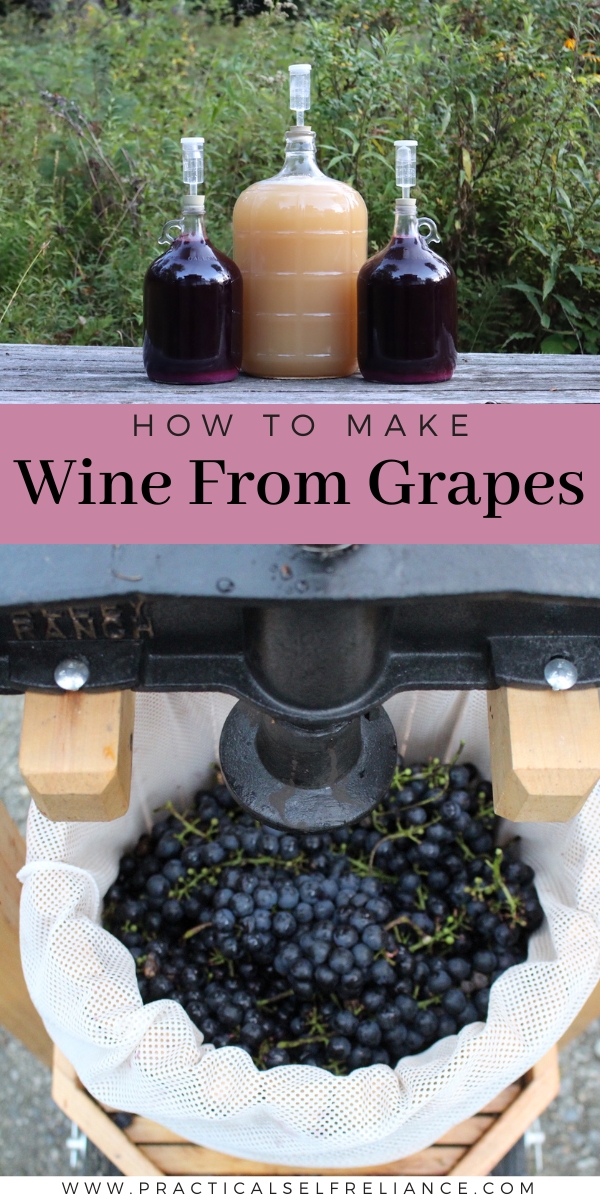
Credit: practicalselfreliance.com
Frequently Asked Questions
What Ingredients Do I Need To Make Wine With Grape Juice?
You need fresh grape juice, wine yeast, sugar, and an airlock for fermentation. Optional additives include yeast nutrients and pectic enzyme to improve fermentation and clarity.
How Long Does It Take To Ferment Grape Juice Into Wine?
Primary fermentation usually takes 1 to 2 weeks. Secondary fermentation can take 3 to 6 weeks. Total time depends on temperature and yeast activity.
Can I Use Store-bought Grape Juice For Winemaking?
Yes, but choose 100% pure grape juice without preservatives. Preservatives can inhibit yeast and stop fermentation, so avoid juices with additives.
How Do I Prevent Spoilage During Homemade Wine Making?
Sterilize all equipment before use. Maintain proper fermentation temperature and use an airlock to prevent contamination by unwanted bacteria or oxygen.
Conclusion
Making wine with grape juice is simple and fun. You only need a few tools and patience. Follow the steps carefully to get the best taste. Watch your wine change as it ferments and ages. Enjoy sharing your homemade wine with friends and family.
This process lets you create a drink you can be proud of. Keep practicing to improve your skills over time. Wine making can become a relaxing hobby anyone can try. Give it a chance and see the results yourself.
Ethan Cole is a kitchen innovation enthusiast and food technology writer at DiningGadgets.com. With over 8 years of experience reviewing cookware, smart kitchen tools, and design trends, he helps readers discover gadgets that make cooking easier and dining more enjoyable. When he’s not testing the latest kitchen appliances, Ethan enjoys experimenting with recipes and sharing practical tips for modern homes.