

Have you ever thought about making your own wine at home? Imagine creating a bottle that’s truly yours—crafted with care and tailored to your taste.
Making wine kits at home is easier than you might think, and it can be a fun, rewarding experience. Whether you’re a beginner or looking to save money on your favorite drink, this guide will show you how to turn simple ingredients into a delicious homemade wine.
Ready to discover the secrets behind your perfect glass? Keep reading, and let’s get started!

Credit: www.amazon.ca
Choosing The Right Wine Kit
Choosing the right wine kit sets the foundation for a great home winemaking experience. It affects the flavor, ease, and success of your wine. Picking a kit suited to your taste and skill level helps you enjoy the process and results. This guide breaks down popular wine kit types, key features to check, and budget tips.
Popular Wine Kit Varieties
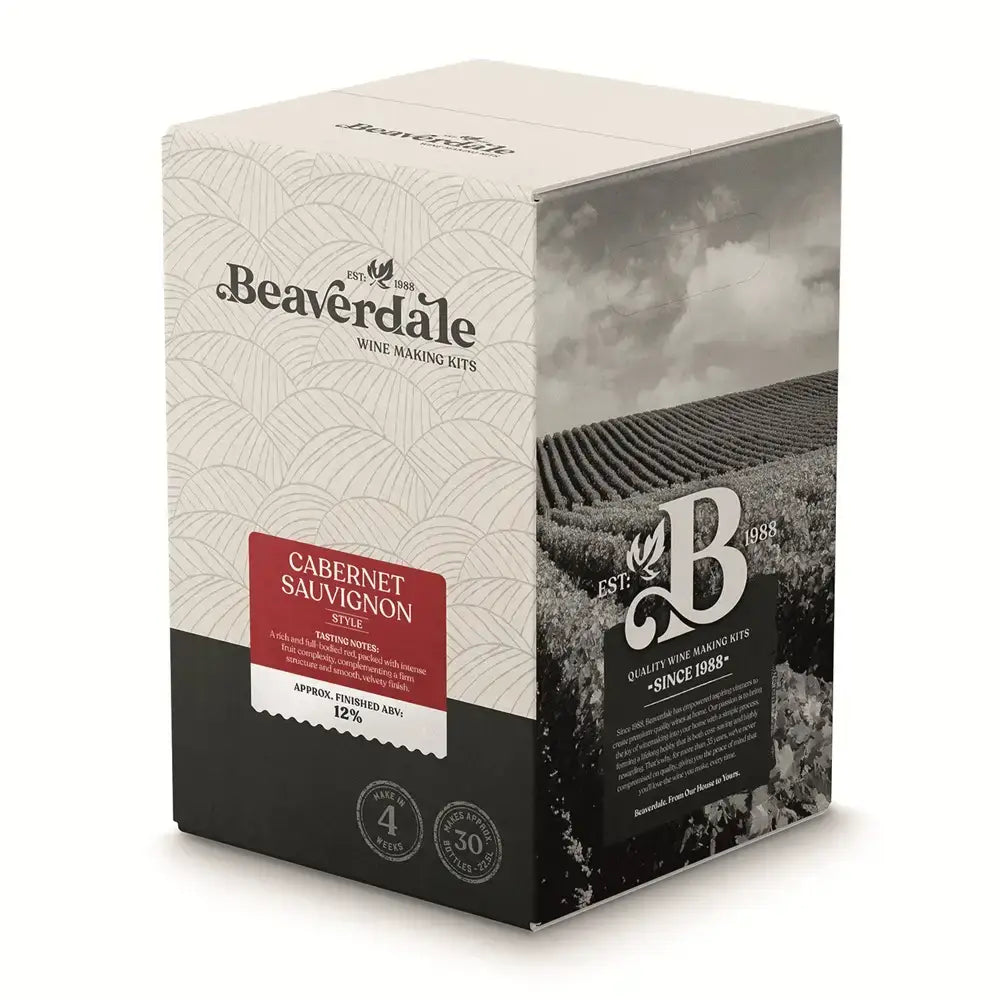
- Red Wine Kits:Common choices include Merlot, Cabernet Sauvignon, and Shiraz. These kits are rich and bold.
- White Wine Kits:Often feature Chardonnay, Sauvignon Blanc, or Riesling. They tend to be light and crisp.
- Fruit Wine Kits:Made from berries, apples, or peaches. These offer unique, sweet flavors.
- Specialty Kits:Include sparkling or dessert wines. They may need extra equipment or steps.
What To Look For In A Kit
- Complete Ingredients:Check if the kit includes yeast, additives, and detailed instructions.
- Kit Size:Decide if you want to make 1 gallon or 5 gallons of wine.
- Fermentation Time:Some kits take weeks; others need months. Choose based on your patience.
- Ease of Use:Beginners benefit from simple kits with clear guides and fewer steps.
- Flavor Profile:Read descriptions or reviews to match your taste preferences.
Budget Considerations
Wine kits range from affordable to premium prices. Basic kits cost less but may lack some extras. Premium kits often include better ingredients and detailed guides.
Factor in extra costs for equipment like fermenters or bottles. Remember, a higher price does not always mean better wine.
Choose a kit that fits your budget and offers good value. Starting small helps avoid overspending before you know your preferences.
Essential Equipment
Creating wine kits at home can be a rewarding experience, but having the right equipment is key to making the process smooth and enjoyable. The essential tools you choose will directly impact the quality of your wine and how easy it is to manage each step. Whether you’re a beginner or refining your skills, understanding what equipment you need helps you avoid common pitfalls and ensures your wine tastes great.
Basic Tools Needed
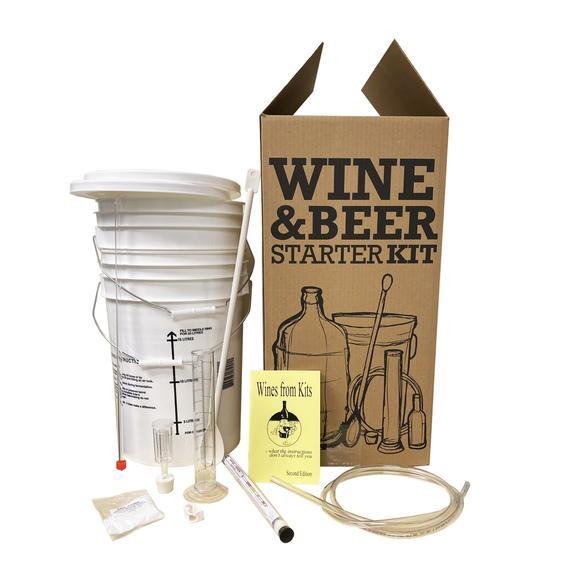
Start with a good fermenter, usually a food-grade plastic or glass container that holds your wine as it ferments. You’ll also need an airlock to let gases escape without letting air in, which protects your wine from spoilage.
Other essentials include a siphon tube for transferring wine without disturbing sediment and a hydrometer to measure sugar levels during fermentation. Don’t forget a large stirring spoon and a funnel to keep things clean and efficient. These basic tools are the foundation for any successful batch.
Sanitizing Your Equipment
Sanitization is one area where many home winemakers slip up. Any equipment that touches your wine must be thoroughly sanitized to prevent contamination. I once skipped this step and ended up with a batch full of off-flavors, which was a costly lesson.
Use a no-rinse sanitizer designed for brewing. Soak or spray your tools before use, and make sure they stay wet with sanitizer throughout the process. This small effort will save you from major headaches later.
Optional Accessories
Some accessories aren’t necessary but can make your winemaking easier and more enjoyable. A wine thief, for example, helps you sample your wine during fermentation without opening the fermenter. This way, you can track progress without risking contamination.
A thermometer is useful to monitor fermentation temperature, which affects flavor and yeast activity. If you want to bottle your wine, a corker and quality corks become important tools. These extras can help you fine-tune your process and improve your final product.
Preparing Your Workspace
Preparing your workspace is crucial for making wine kits at home. A well-set space helps keep your wine clean and safe. It also makes the process easier and more enjoyable. Taking time to prepare your area will improve your wine quality and reduce mistakes.
Clean And Organized Space
Start with a clean surface. Remove dust, dirt, and clutter before you begin. Clean all tools and containers with warm, soapy water. Rinse them well to avoid any soap taste. Organize your ingredients and equipment in one place. This saves time and keeps you focused.
Temperature And Humidity Control
Keep your workspace cool and dry. Ideal temperature is between 65°F and 75°F (18°C – 24°C). Avoid direct sunlight or heat sources. High humidity can cause mold and spoil your wine. Use a fan or dehumidifier if needed. Consistent temperature helps yeast work well and wine taste better.
Safety Tips
Wear gloves and protective glasses to avoid spills and splashes. Handle glass bottles carefully to prevent breakage. Keep chemicals and cleaning agents away from food and wine. Work in a well-ventilated area to avoid strong smells. Clean up spills immediately to avoid accidents. Safety protects you and your wine.
Credit: www.the-home-brew-shop.co.uk
Step-by-step Winemaking Process
Making wine kits at home can be a rewarding experience, especially when you see the transformation from simple ingredients to a bottle of your own wine. The process requires patience and attention, but breaking it down into clear steps helps you stay on track. Each stage plays a crucial role in developing the flavor and quality of your wine.
Mixing Ingredients
Start by sanitizing all your equipment. This step is vital to prevent unwanted bacteria from spoiling your wine. Next, pour the wine kit concentrate into your fermentation container.
Add the required amount of water, usually around 1 to 2 gallons, depending on the kit instructions. Then, stir gently to mix everything evenly. You’ll also add sugar and yeast at this stage.
Have you noticed how the yeast starts working almost immediately? That’s a sign fermentation is about to begin, turning sugars into alcohol.
Primary Fermentation
Seal your fermentation container with an airlock to let gases escape but keep air out. Place the container in a cool, dark place where the temperature stays stable, ideally around 65-75°F (18-24°C).
During this phase, yeast consumes sugars and produces alcohol and carbon dioxide. It usually lasts about 7 to 10 days, but you can check activity by observing bubbles in the airlock.
Don’t rush this part. Let the yeast do its work fully for a better-tasting wine.
Racking And Secondary Fermentation
Once the primary fermentation slows down, it’s time to rack your wine. This means transferring the liquid into a clean container, leaving sediment behind.
This step helps clarify your wine and prevents off-flavors from dead yeast cells. After racking, seal the container again with an airlock for secondary fermentation.
Secondary fermentation takes longer—several weeks to a few months. Patience here rewards you with smoother, more refined wine.
Bottling Your Wine
When your wine clears and tastes good, you’re ready to bottle. Sanitize your bottles and equipment thoroughly to avoid contamination.
Use a siphon to transfer wine into bottles, leaving some space at the top. Seal with corks or screw caps, then label your bottles with the date and type of wine.
Have you thought about aging your wine after bottling? Even a few months can improve its complexity and flavor.
Aging And Storage Tips
Aging and storing your homemade wine properly helps improve its taste and aroma. It requires a cool, dark place and the right tools to preserve quality. Paying attention to details in this stage makes a big difference.
Ideal Aging Conditions
Wine ages best in a stable environment. Keep the temperature between 50°F and 60°F (10°C to 15°C). Avoid sudden temperature changes that can spoil the wine. Store wine away from light to prevent damage. Humidity around 70% helps keep corks moist and seals tight. A quiet place without vibrations is perfect for aging wine.
Choosing Bottles And Corks
Select bottles made of dark glass to protect wine from light. Use standard wine bottles that hold 750 ml. Ensure the bottles are clean and dry before filling. Corks must be natural and fit tightly to prevent air entry. Synthetic corks work but may not seal as well over time. Always store bottles horizontally to keep corks moist.
When To Taste Your Wine
Patience is key. Taste your wine after three months of aging for the first time. Some wines need six months or more to develop flavors fully. Open a bottle every few weeks to check progress. Avoid tasting too often to reduce oxidation risk. Note changes in taste and aroma to decide the best time to enjoy your wine.
Credit: www.graintoglass.ca
Troubleshooting Common Issues
Making wine at home can bring joy and satisfaction. Sometimes, issues arise that affect the wine’s taste, clarity, or safety. Troubleshooting these common problems helps save your batch and improve future attempts. Knowing how to handle off-flavors, cloudiness, and contamination keeps your wine delicious and safe.
Off-flavors And How To Fix Them
Off-flavors often come from poor hygiene or fermentation problems. Some smells like vinegar or rotten eggs mean bacteria or yeast trouble. Fix this by checking your equipment cleanliness and fermentation temperature.
- Use clean, sanitized tools and containers only.
- Keep fermentation at the recommended temperature range.
- Ensure airtight seals to avoid unwanted air exposure.
If off-flavors persist, adding a small amount of potassium metabisulfite can help control bacteria. Patience is key; some flavors improve with aging.
Cloudy Wine Solutions
Cloudy wine looks unappealing but often tastes fine. Cloudiness comes from yeast or particles left after fermentation. Clear wine needs time for sediments to settle.
- Allow wine to age in a cool, dark place for several weeks.
- Use fining agents like bentonite to clear particles faster.
- Rack the wine by transferring it off the sediment into a clean container.
Proper filtering and careful racking improve clarity without harming flavor.
Preventing Contamination
Contamination spoils wine and poses health risks. It happens when harmful bacteria or wild yeasts enter your wine. Prevention starts with strict hygiene.
- Sanitize all equipment before and after use.
- Keep your workspace clean and free from dust.
- Use quality ingredients from trusted sources.
- Seal fermentation vessels tightly to block outside microbes.
Regularly check your wine for strange smells or colors. Early detection stops contamination from spreading.
Enhancing Your Homemade Wine
Enhancing your homemade wine brings new joy to the winemaking process. It lets you create unique flavors and styles that suit your taste. Small changes can make a big difference in the final product. Each batch becomes a personal project and a fun experiment.
Experimenting With Flavors
Try adding fruits like berries or citrus for fresh notes. Spices such as cinnamon or cloves can bring warmth. Use herbs like mint or basil for a unique twist. Start with small amounts to avoid overpowering the wine. Keep notes on what works best for your palate.
Blending Techniques
Mix different wine kits to create a balanced taste. Blend sweeter and drier wines for complexity. Test various proportions to find your favorite mix. Let the blends rest before tasting to improve harmony. Blending adds depth and character to your homemade wine.
Personalizing Labels
Create custom labels to give your wine a special touch. Use simple design tools or handwrite labels for charm. Include the wine type, date, and your name. Personal labels make your wine great for gifts or sharing. Store them safely to keep the wine memorable.
Frequently Asked Questions
What Equipment Is Needed For Making Wine Kits At Home?
Basic equipment includes a fermenter, airlock, siphon, hydrometer, and bottles. These tools ensure proper fermentation and storage of your homemade wine.
How Long Does It Take To Make Wine From Kits?
Typically, kit wines take 4 to 6 weeks to ferment and age. Patience is key to developing rich flavors and smoothness in your wine.
Can Beginners Easily Make Wine From Kits?
Yes, wine kits are designed for beginners with clear instructions. They simplify the winemaking process, making it accessible and enjoyable for novices.
What Types Of Wine Kits Are Available For Home Use?
Common kits include red, white, rosé, and fruit wines. Each offers unique flavors and fermentation times suited to different tastes.
Conclusion
Crafting wine kits at home offers a fun, rewarding experience. Anyone can enjoy this hobby. It’s simple, cost-effective, and creative. Plus, the satisfaction of sipping your homemade wine is unmatched. Start with a basic kit and experiment with flavors. Share your creations with family and friends.
They’ll appreciate your efforts and creativity. Wine-making can turn into a cherished tradition. Remember to follow instructions carefully for the best results. Enjoy the process and the delightful outcome. Cheers to your home wine-making journey!
Ethan Cole is a kitchen innovation enthusiast and food technology writer at DiningGadgets.com. With over 8 years of experience reviewing cookware, smart kitchen tools, and design trends, he helps readers discover gadgets that make cooking easier and dining more enjoyable. When he’s not testing the latest kitchen appliances, Ethan enjoys experimenting with recipes and sharing practical tips for modern homes.