

Have you ever dreamed of making your own wine at home but felt overwhelmed by complicated equipment and confusing steps? What if you could start crafting delicious wine using just a simple bucket?
Making wine in a bucket is easier than you think, and it’s a fantastic way to bring your creativity to life while enjoying the satisfaction of your own homemade brew. You’ll discover how to turn fresh grapes into tasty wine right in your kitchen, with clear steps that anyone can follow.
Ready to unlock the secret to simple, rewarding winemaking? Let’s dive in!
Choosing The Right Ingredients
Choosing the right ingredients is the foundation of making great wine in a bucket. The quality of your final product depends heavily on what you put in at the start. Paying close attention to your grapes, juice, and yeast can transform your home winemaking experience from average to exceptional.
Selecting Fresh Grapes
Fresh grapes bring natural flavors and aromas that juice alone can’t replicate. Look for grapes that are ripe but firm, without any signs of mold or shriveling. If you pick them yourself or buy from a local grower, ask about the harvest date—freshness matters.
Have you ever tasted wine made from overripe or damaged grapes? The flavors tend to be off-balance or flat. Choosing grapes that are just right ensures your wine has a lively, vibrant character.
Using Quality Juice
If fresh grapes aren’t available, quality juice is your next best option. Look for juice labeled specifically for winemaking, not just grape juice from the store. These juices usually have the right sugar levels and no preservatives that could stop fermentation.
Check the label for additives like potassium sorbate, which can kill yeast. Avoid juices with these, or your yeast won’t work properly. You want a clean starting point so the yeast can do its job fully.
Picking The Best Yeast
Yeast is the magic that turns sugar into alcohol. Different yeast strains affect the flavor, aroma, and body of your wine. Some yeasts highlight fruitiness, while others bring out floral or spicy notes.
Consider what style of wine you want. For a crisp white, a strain like Lalvin EC-1118 works well. For reds, try Lalvin K1-V1116 to boost complexity. Using the right yeast can make a big difference in how your wine tastes and smells.
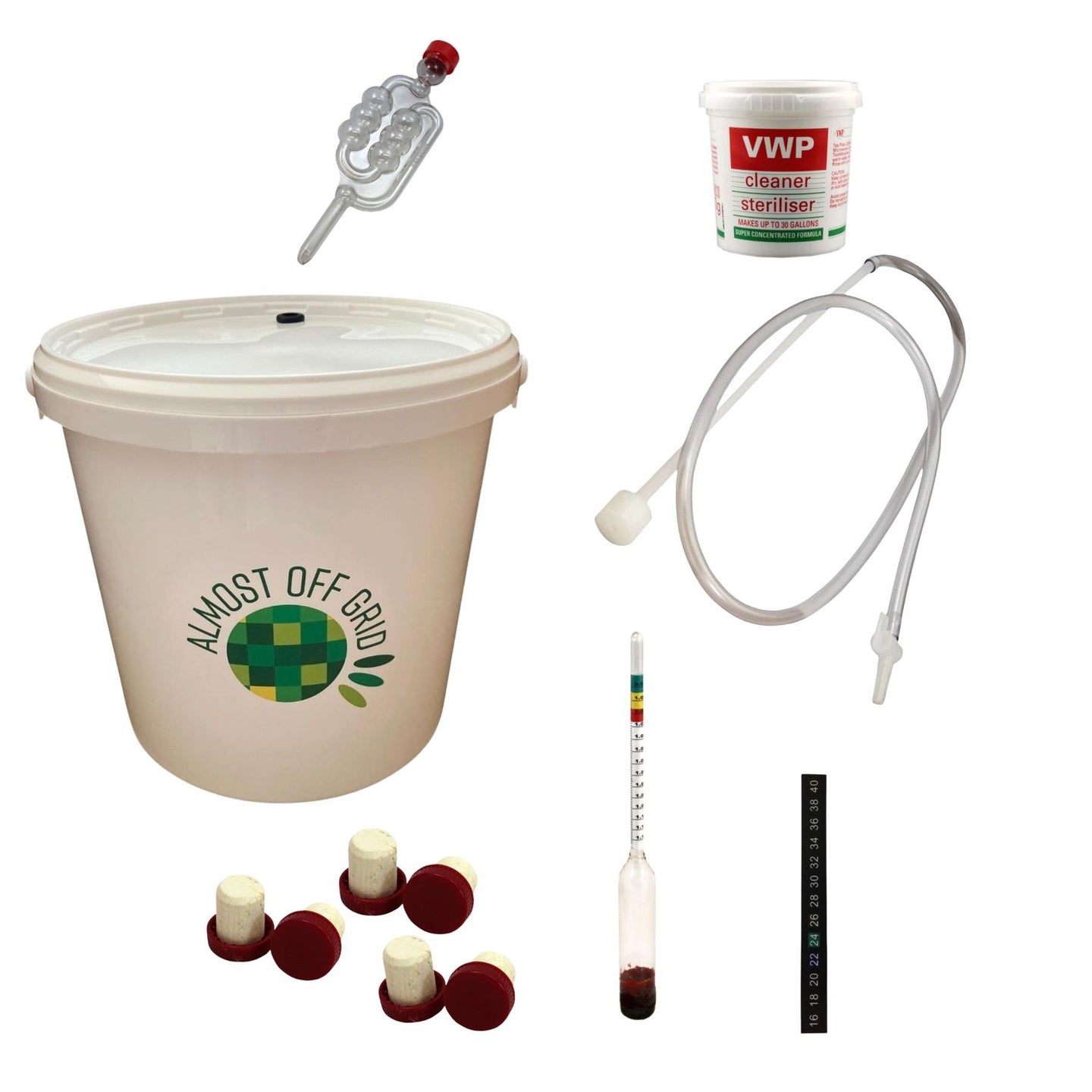
Credit: www.almostoffgrid.com
Preparing Your Equipment
Preparing your equipment is a crucial part of making wine in a bucket. If your tools aren’t clean and organized, it can affect the taste and safety of your wine. Taking a little extra time here saves you headaches later and leads to better results.
Cleaning And Sanitizing The Bucket
Start by thoroughly washing your bucket with warm, soapy water. Use a soft brush or sponge to remove any dirt or residue stuck inside. Rinse it well to avoid any soap taste in your wine.
After cleaning, sanitize the bucket using a food-safe sanitizer or a solution of water and Campden tablets. Let it sit for the recommended time to kill any harmful bacteria or wild yeast. This step is often overlooked but is key to preventing spoilage.
Have you ever tasted wine that turned sour quickly? That’s often because the equipment wasn’t sanitized properly. Taking this extra step ensures your wine stays fresh and enjoyable.
Gathering Essential Tools
Besides your bucket, gather all tools before starting to avoid interruptions. Essential items include a hydrometer to measure sugar levels, a siphon tube for transferring wine, an airlock to let gases escape, and a stirring spoon.
Using the right tools also helps you monitor fermentation closely and avoid contamination. For example, a hydrometer helps you know exactly when fermentation is complete, so you don’t rush or wait too long.
Think about the last time you had to stop mid-process because something was missing. Having everything ready upfront lets you focus fully on making great wine without distractions.
Starting The Fermentation
Starting the fermentation is where your winemaking journey truly begins. This phase sets the foundation for the flavors and aromas your wine will develop. Paying close attention to each step can make a noticeable difference in the final product.
Crushing And Adding Fruit
Begin by crushing your chosen fruit to release the natural juices needed for fermentation. You don’t need fancy equipment; a sturdy plastic bag and a rolling pin can work well for small batches.
Make sure to remove any stems or leaves, as they can add unwanted bitterness. Fresh, ripe fruit will give your wine a better taste and higher sugar content, which is essential for fermentation.
Mixing Sugar And Yeast
Next, add sugar to your crushed fruit. Sugar feeds the yeast, helping it convert fruit sugars into alcohol. The amount depends on how strong you want your wine to be—too little sugar, and fermentation may stall; too much, and it might taste overly sweet.
After the sugar, sprinkle yeast evenly over the mixture. Using wine-specific yeast strains improves fermentation consistency. Have you ever wondered why some homemade wines taste flat? It often comes down to the yeast quality and amount.
Sealing The Bucket Properly
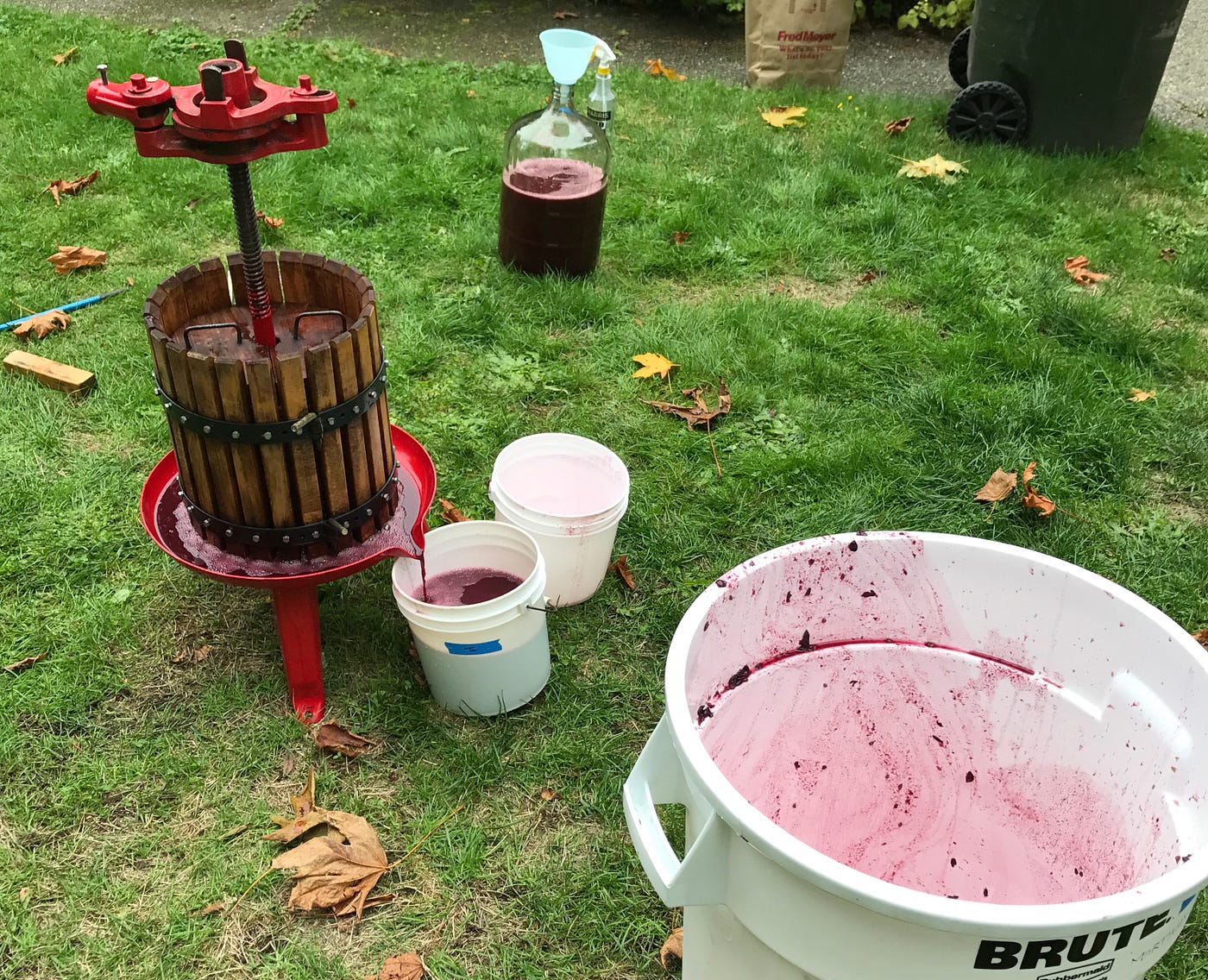
Once the mixture is ready, pour it into your fermentation bucket. Seal the bucket tightly to prevent oxygen from spoiling the wine, but allow gases from fermentation to escape. This is often done with an airlock or a loosely fitted lid.
Improper sealing can lead to contamination or stalled fermentation, so take the time to check your setup. Have you checked your lid today?
Credit: medium.com
Monitoring The Fermentation Process
Keeping a close eye on the fermentation process is key to making great wine in a bucket. It’s not just about waiting; it’s about actively watching how your wine develops. This hands-on approach helps you catch any issues early and adjust your method for the best taste and quality.
Checking Temperature
Temperature control is crucial during fermentation. Yeast works best within a certain range, usually between 65°F and 75°F (18°C to 24°C). If it gets too hot, the yeast can die; too cold, and fermentation slows down or stops.
Use a simple kitchen thermometer to check your bucket daily. If your fermentation spot is too warm, try moving the bucket to a cooler area or wrap it with a damp cloth. Have you noticed how a small temperature change can speed up or slow down the bubbling?
Observing Bubble Activity
Bubbles are a clear sign that fermentation is happening. When you see bubbles rising through the liquid or escaping from the airlock, it means yeast is busy turning sugar into alcohol and carbon dioxide.
Keep track of the bubble rate. Rapid bubbling usually means active fermentation, while slow or no bubbles might signal that fermentation is stuck or finished. Have you ever wondered what a sudden stop in bubbling could mean for your wine’s flavor?
Timing The Fermentation Stage
Fermentation doesn’t last forever. Typically, primary fermentation takes about one to two weeks, but this can vary based on temperature and yeast strain.
Check your wine daily and taste it carefully after the bubbling slows. If it tastes too sweet, fermentation might still be active, and if it’s dry, your wine is likely ready for the next step. How do you decide when your wine has reached the perfect balance?
Transferring And Aging Wine
Transferring and aging wine are key steps in home winemaking. These steps improve the flavor and clarity of your wine. Careful handling during transfer prevents contamination and oxidation. Aging helps develop complex aromas and smooths harsh tastes. Understanding these processes ensures a better final product.
Racking The Wine
Racking means moving wine from one container to another. It separates clear wine from sediment that settles at the bottom. Use a clean siphon tube to avoid introducing air or bacteria. Racking should be done gently to keep wine quality high. Repeat racking every few weeks until wine is clear.
Choosing Aging Containers
Pick containers that suit your wine style and budget. Common options include:
- Glass carboys – good for small batches and easy cleaning.
- Food-grade plastic buckets – affordable and lightweight.
- Oak barrels – add flavor and allow slow oxygen exchange.
Each container affects wine taste and aging speed differently. Glass keeps wine pure, while oak adds complexity.
Ideal Aging Conditions
Store wine in a cool, dark place with steady temperature. Ideal temperature ranges from 50°F to 60°F (10°C to 15°C). Avoid direct sunlight and strong odors near the wine. Keep containers sealed tightly to prevent air contact. Proper humidity, around 70%, helps corks stay moist and airtight.
Bottling Your Homemade Wine
Bottling your homemade wine is an exciting milestone. It’s the moment your hard work comes together into a form that you can share, store, and enjoy over time. Handling this stage carefully will protect your wine’s flavor and quality for months or even years.
Sterilizing Bottles And Corks
Cleanliness is key to preventing spoilage. Before you fill your bottles, make sure they are thoroughly washed with hot, soapy water. Rinse well and then sterilize them by soaking in a solution of one part bleach to ten parts water for about 10 minutes.
Don’t forget the corks—they also need sterilizing to avoid any unwanted bacteria. You can soak corks in boiling water briefly or use a sulfite solution designed for winemaking. Have you checked if your corks are free of cracks? Any damage can lead to leaks or contamination.
Filling And Sealing Bottles
Pouring wine into bottles might seem straightforward, but it needs care to avoid oxidation. Use a siphon tube to transfer your wine gently, leaving sediment behind in the bucket. Fill each bottle to about an inch below the neck to leave space for expansion.
After filling, insert corks firmly using a corker tool. This ensures a tight seal that keeps air out and preserves the wine’s aroma. You might want to label your bottles now with the date and type of wine—it helps track aging and batches.
Storing Bottled Wine
Where you keep your bottles affects how your wine ages and tastes. Store them on their sides to keep the corks moist; dry corks can shrink and let air in. Find a cool, dark place with consistent temperature, ideally between 50-60°F (10-15°C).
Avoid direct sunlight and temperature swings, as these can spoil your wine quickly. Do you have a closet or basement spot that meets these conditions? If not, even a wine fridge can work well for preserving your homemade creations.
Troubleshooting Common Issues
Troubleshooting common issues is key to successful wine making in a bucket. Problems can arise at any stage, but most can be fixed with simple steps. Understanding these issues helps you create better wine and avoid frustration.
Dealing With Off-flavors
Off-flavors can spoil your wine’s taste. They often come from poor hygiene or bad ingredients. Sometimes, fermentation problems cause strange smells or tastes.
- Use clean, sanitized equipment to avoid unwanted flavors.
- Choose fresh, high-quality fruit or juice.
- Control fermentation temperature; too hot or cold can cause off-flavors.
- Let the wine age properly to mellow sharp tastes.
Preventing Contamination
Contamination can ruin your batch. Bacteria and wild yeasts can sneak in easily. They compete with your wine yeast and cause sour or funky smells.
- Sanitize everything that touches your wine, including buckets and utensils.
- Keep your workspace clean and dust-free.
- Avoid opening the bucket too often during fermentation.
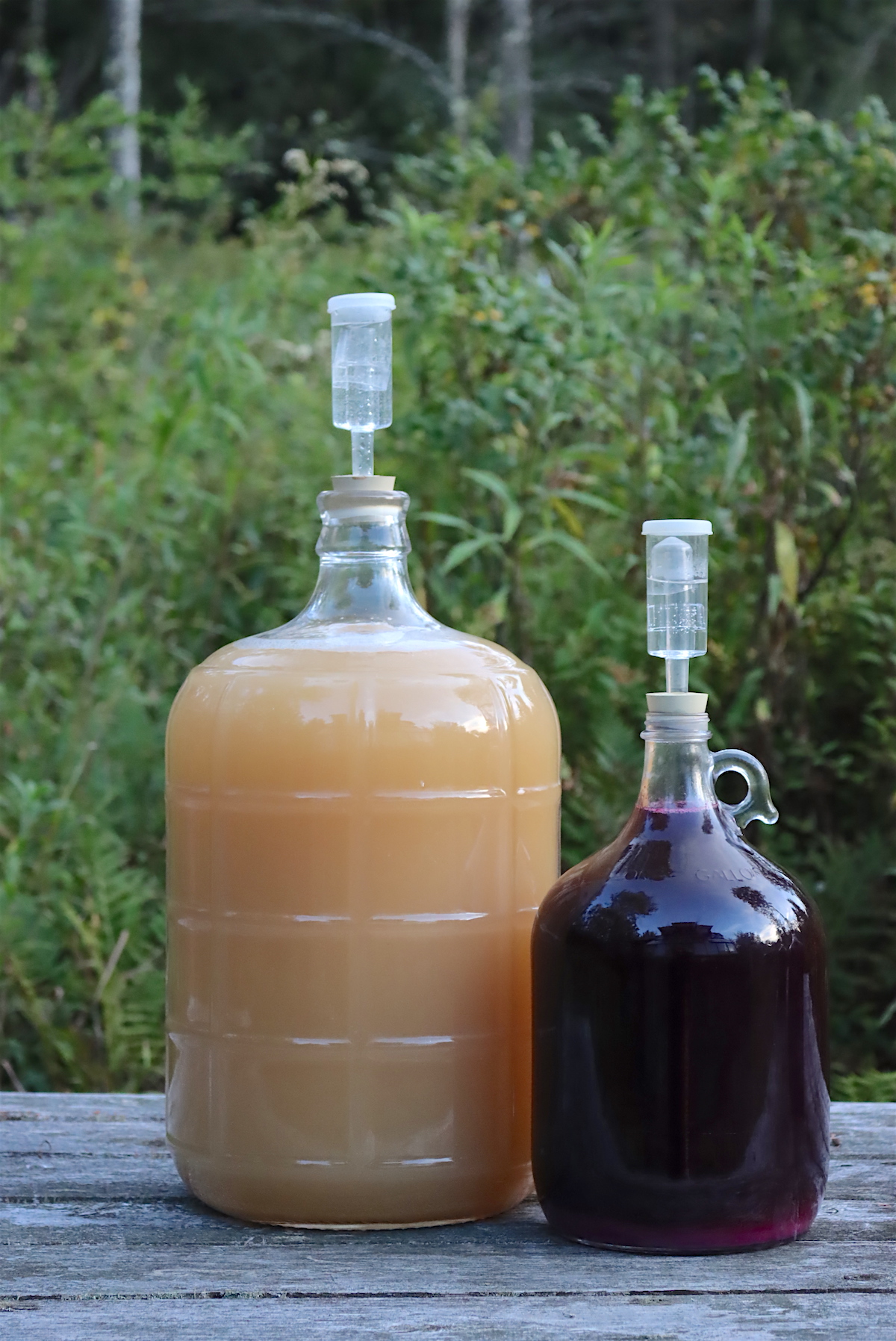
- Use proper airlocks to prevent outside air from entering.
Fixing Slow Fermentation
Slow fermentation can delay your wine and lower quality. It happens if yeast is weak or conditions are not ideal.
- Check the temperature; 65-75°F (18-24°C) works best for yeast activity.
- Add yeast nutrient to feed your yeast if fermentation stalls.
- Stir gently to mix yeast evenly in the must.
- Use fresh, active yeast for a strong start.
Credit: practicalselfreliance.com
Frequently Asked Questions
What Equipment Is Needed For Making Wine In A Bucket?
You need a fermentation bucket, fruit or juice, yeast, sugar, airlock, and sanitizer. These basic tools ensure safe, effective fermentation for homemade wine.
How Long Does Wine Take To Ferment In A Bucket?
Primary fermentation usually takes 5 to 10 days. Secondary fermentation can last 2 to 4 weeks. Timing depends on temperature and yeast activity.
Can I Use Any Fruit For Bucket Wine Making?
Yes, most fruits work well, including grapes, berries, apples, and peaches. Choose ripe, fresh fruit for the best flavor and sugar content.
How Do I Prevent Contamination During Fermentation?
Sanitize all equipment thoroughly before use. Keep the fermentation bucket sealed with an airlock to stop unwanted bacteria and wild yeast from spoiling the wine.
Conclusion
Crafting wine in a bucket is simple and fun. Anyone can try it. Just gather your supplies and follow the steps. The process is rewarding, offering tasty homemade wine. You control the flavors, making each batch unique. Plus, it’s a cost-effective hobby.
Share your wine with family and friends. They’ll appreciate your effort and creativity. Remember, practice makes perfect. Experiment with different fruits and flavors. Enjoy the art of winemaking. Your kitchen can become a mini winery. Cheers to creating delightful wines at home!
Ethan Cole is a kitchen innovation enthusiast and food technology writer at DiningGadgets.com. With over 8 years of experience reviewing cookware, smart kitchen tools, and design trends, he helps readers discover gadgets that make cooking easier and dining more enjoyable. When he’s not testing the latest kitchen appliances, Ethan enjoys experimenting with recipes and sharing practical tips for modern homes.