

Have you ever thought about turning simple juice into your own homemade wine? It might sound tricky, but making wine from juice is easier than you think.
Imagine enjoying a glass of wine you crafted yourself—tailored to your taste and made with your own hands. You’ll discover clear, step-by-step guidance that anyone can follow. Whether you’re a beginner or just curious, you’ll learn how to transform juice into a delicious, satisfying wine.
Ready to impress your friends or enjoy a unique hobby? Keep reading to unlock the secrets of homemade wine-making.
Choosing The Right Juice
Choosing the right juice is a crucial step in making wine at home. The flavor, quality, and fermentation process all depend on the juice you select. Your choice will directly affect the final taste and character of your wine.
Types Of Juice Suitable For Wine
Not all juices are created equal when it comes to winemaking. Fruit juices like grape, apple, cherry, and pear are excellent choices due to their natural sugar content and balanced acidity. These juices ferment well and produce rich, flavorful wines.
Berry juices such as blueberry or blackberry can also make unique wines, but they often need added sugar to aid fermentation. Avoid citrus juices like orange or lemon because their high acidity can hinder the process and result in a sour taste. Have you tried experimenting with different fruits to find a flavor that suits your palate?
Avoiding Preservatives And Additives
Preservatives like sulfites and sorbates in juice can stop yeast from fermenting, which is a big problem for winemaking. Always check the label to ensure the juice is free from these chemicals. Fresh-pressed or cold-pressed juices without added preservatives work best.
Additionally, juices with added sugars, flavorings, or colors can interfere with the natural fermentation and alter the wine’s taste. If you’re buying from a store, look for 100% pure juice. Have you noticed how some juices list “from concentrate” on their packaging? These often contain additives that could impact your wine’s quality.
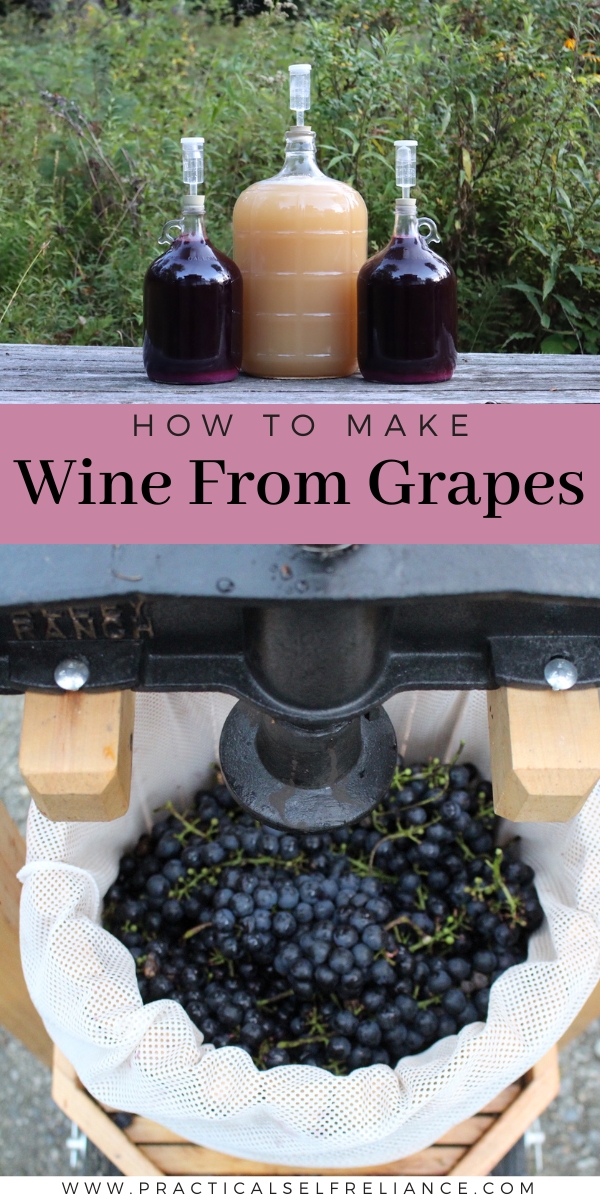
Credit: practicalselfreliance.com
Essential Equipment
Making wine from juice requires a few important tools. These tools help you control the process and get the best results. Using the right equipment makes the process easier and safer. Clean and proper tools also keep your wine tasting fresh and free of unwanted flavors.
Basic Tools Needed
- Fermentation vessel – a glass or plastic container with a lid
- Airlock – allows gases to escape without letting air in
- Siphon tube – for transferring wine without disturbing sediment
- Hydrometer – measures sugar levels and tracks fermentation progress
- Large stirring spoon – made of food-safe material
- Wine bottles and corks – for storing the finished product
- Funnel – to pour wine into bottles cleanly
Sanitizing For Success
Sanitizing all equipment is critical. It stops bacteria and wild yeast from spoiling the wine. Use a food-grade sanitizer or a mild bleach solution. Rinse tools well with hot water after sanitizing. Work in a clean area and wash hands before handling equipment. Clean tools before and after each use to maintain hygiene.
Preparing The Juice
Preparing the juice is a key step in making good wine from juice. The juice must have the right balance of sugar and acid. This balance helps the yeast work well and gives the wine a good taste. Careful preparation sets the stage for a smooth fermentation process and a better final product.
Adjusting Sugar Levels
Sugar is the fuel for fermentation. Yeast turns sugar into alcohol and carbon dioxide. Too little sugar makes weak wine. Too much sugar can stop fermentation early or make wine too sweet. Test the juice with a hydrometer to check sugar levels.
To increase sugar, add pure cane sugar or grape concentrate. Dissolve it fully before mixing. Stir gently to keep air out. Aim for a sugar level that will produce 10-14% alcohol. This range creates balanced wine with good body and flavor.
Balancing Acidity
Acidity gives wine freshness and structure. Low acid juice tastes flat and dull. High acid juice tastes sour and sharp. Test acidity with a pH meter or acid test kit.
To raise acidity, add tartaric acid or citric acid in small amounts. To lower acidity, add a pinch of baking soda or blend with low acid juice. Adjust slowly and retest often. Proper acidity helps preserve wine and enhances flavor.
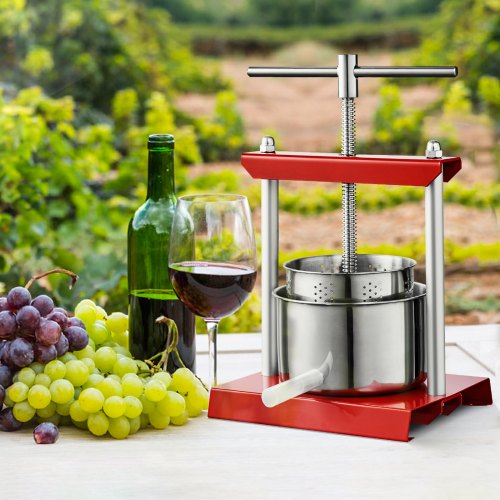
Credit: www.tncim.com
Fermentation Process
The fermentation process is where your juice truly transforms into wine. This stage brings life to the sugars in the juice, turning them into alcohol and carbon dioxide. Understanding fermentation helps you control the flavors and quality of your final product.
Selecting The Yeast
Choosing the right yeast can make or break your wine. Different strains affect the taste, aroma, and even the fermentation speed.
For example, wine yeasts like Lalvin EC-1118 are known for their strong fermentation and clean flavors, while others may enhance fruity notes. You want a yeast that complements the type of juice you’re working with.
Have you thought about how yeast choice might influence the character of your wine?
Primary Fermentation Steps
Start by adding your selected yeast to the juice, usually after warming it slightly to activate the yeast. Keep the juice in a clean container with an airlock to let gases escape but keep air out.
Fermentation usually takes about one to two weeks. During this time, the yeast consumes sugars and produces alcohol, turning your juice into wine.
Remember to keep the temperature steady, ideally between 65°F and 75°F (18°C to 24°C), to help yeast work efficiently.
Monitoring Fermentation
Keep a close eye on your fermenting wine every day. Look for bubbling in the airlock and check the smell—fruity and yeasty scents are good signs.
Using a hydrometer is very helpful. It measures the sugar level, so you know when fermentation is slowing or stopping.
If the activity stops too soon, your yeast might be stressed or the temperature could be off. Have you checked your wine’s gravity readings lately?
Racking And Aging
Racking and aging are crucial stages in making wine from juice. These processes help clarify the wine and develop its flavors over time. Skipping or rushing through these steps can affect the final taste and quality of your homemade wine.
Transferring Wine Off Sediment
After fermentation, you’ll notice a layer of sediment, called lees, settling at the bottom of your container. This sediment contains dead yeast cells and other particles that can give your wine an unwanted bitter taste if left too long.
Carefully transferring the wine into a clean container without disturbing the sediment is called racking. Use a siphon tube to gently draw the wine off the sediment. This step may need to be repeated several times as more sediment forms during aging.
Have you ever tasted wine that felt gritty or harsh? This often happens when sediment isn’t removed properly. Taking your time with racking improves clarity and smoothness.
Ideal Aging Conditions
Proper aging can transform your wine, balancing flavors and softening harsh notes. The best place to age your wine is a cool, dark spot with a stable temperature around 55°F (13°C).
Keep humidity at about 70% to prevent corks from drying out and letting air in. Avoid places with vibrations or direct sunlight, as they can spoil the wine.
Consider using a wine fridge or a basement if your home doesn’t have a suitable spot. How long you age depends on your grape variety and taste preferences, but patience often rewards you with richer, more complex wine.
Bottling Your Wine
Bottling your homemade wine is a crucial step that preserves the flavors and aromas you’ve carefully developed. This final stage demands attention to detail to prevent spoilage and ensure a smooth aging process. The choices you make here will affect how your wine tastes weeks or even months down the line.
Choosing Bottles And Corks
Pick bottles that suit the style of wine you’ve made. Dark green or amber bottles help protect your wine from light damage, which can alter its taste. Standard 750 ml bottles work well for most home wines, but you can also experiment with smaller or larger sizes depending on your needs.
When selecting corks, natural cork is the traditional choice. It allows a little air exchange, which can help some wines mature nicely. However, synthetic corks or screw caps offer more reliable sealing and prevent cork taint, a common issue that can ruin your batch.
Proper Sealing Techniques
Make sure your bottles are clean and dry before sealing. Any moisture or residue can invite unwanted bacteria or mold. Insert the cork firmly but gently using a corker to avoid breaking it or pushing it in unevenly.
If you’re using screw caps, ensure the threads are clean and align the cap properly to avoid leaks. After sealing, store your bottles horizontally to keep the cork moist, preventing it from shrinking and letting air in. Have you noticed how even a tiny gap can spoil your wine? That’s why a tight, secure seal is vital.
Troubleshooting Common Issues
Troubleshooting common issues in winemaking helps keep your batch on track. Problems can affect taste, clarity, and safety. Quick fixes save time and improve final results. Understanding causes prevents repeated mistakes.
Fixing Off-flavors
Off-flavors spoil the wine’s natural taste. They come from poor fermentation, bad ingredients, or cleaning issues. Identify the cause by smelling and tasting carefully.
- Use fresh juice and avoid spoiled fruit.
- Keep fermentation temperature steady, around 65-75°F (18-24°C).
- Rinse equipment well to remove residue.
- Add activated charcoal to reduce some unwanted odors.
- Let the wine age; some off-flavors fade with time.
Preventing Contamination
Contamination ruins wine by introducing harmful bacteria or wild yeast. It leads to sour or vinegar-like flavors. Cleanliness is key to prevention.
- Sanitize all tools before use with a proper cleaner.
- Seal the fermentation container tightly to block air.
- Use quality yeast strains to outcompete wild yeast.
- Store wine in a cool, dark place to slow spoilage.
- Check regularly for signs of mold or unusual smells.
Tips For Enhancing Flavor
Enhancing the flavor of wine made from juice can turn a simple batch into a delightful experience. Small changes in ingredients and techniques make a big difference in taste. Experimenting with flavors allows creativity and personal touch in homemade wine. Here are some practical tips to enrich your wine’s profile and aroma.
Adding Spices And Herbs
Spices and herbs bring unique notes to your wine. Cinnamon, cloves, or star anise add warmth and depth. Fresh herbs like mint or basil offer a refreshing twist. Use small amounts to avoid overpowering the original juice flavor.
- Add spices during fermentation for stronger flavors.
- Infuse herbs after fermentation for subtle hints.
- Strain out solids before bottling for smoothness.
Blending Different Juices
Mixing different fruit juices creates balanced and complex wines. Combine sweet juices like apple with tart ones like cranberry. Blends can improve color, aroma, and taste. Test small batches to find the perfect mix ratio.
- Start with 50/50 blends, then adjust to taste.
- Use complementary fruits to enhance natural flavors.
- Keep track of blends for consistent results later.
Credit: practicalselfreliance.com
Frequently Asked Questions
What Juice Is Best For Making Wine At Home?
Grape juice is ideal for homemade wine due to its natural sugar and acidity. However, apple, cherry, and berry juices also work well for unique flavors.
How Long Does Juice Fermentation Take In Winemaking?
Juice fermentation typically takes 1 to 2 weeks. Temperature and yeast type affect the speed and quality of fermentation.
What Equipment Is Needed To Make Wine From Juice?
Basic equipment includes a fermentation vessel, airlock, siphon, bottles, and sanitizer. Optional tools improve clarity and flavor control.
Can I Use Store-bought Juice For Wine Making?
Yes, but ensure the juice has no preservatives. Preservatives can inhibit yeast activity and stop fermentation.
Conclusion
Creating wine from juice is simple and enjoyable. Anyone can try it. Gather your ingredients and follow the steps. Patience is key during fermentation. Tasting the final product brings joy and satisfaction. Home-made wine offers a unique flavor. It’s a fun activity for everyone.
Share your wine with friends and family. Enjoy the process and the results. Experiment with different juices for variety. Each batch tells its own story. Embrace the art of wine-making at home. Discover new tastes and experiences. Cheers to your homemade wine adventures!
Ethan Cole is a kitchen innovation enthusiast and food technology writer at DiningGadgets.com. With over 8 years of experience reviewing cookware, smart kitchen tools, and design trends, he helps readers discover gadgets that make cooking easier and dining more enjoyable. When he’s not testing the latest kitchen appliances, Ethan enjoys experimenting with recipes and sharing practical tips for modern homes.