

Have you ever wondered how to turn simple fruit juice into delicious, homemade wine? Making wine from fruit juice is easier than you might think, and it’s a fun way to create something special right in your own kitchen.
Imagine the satisfaction of sipping on a glass of wine you crafted yourself, knowing exactly what went into it. You’ll discover easy steps, helpful tips, and insider secrets to help you make your own wine from fruit juice. Ready to impress your friends and enjoy your own unique flavors?
Let’s get started!
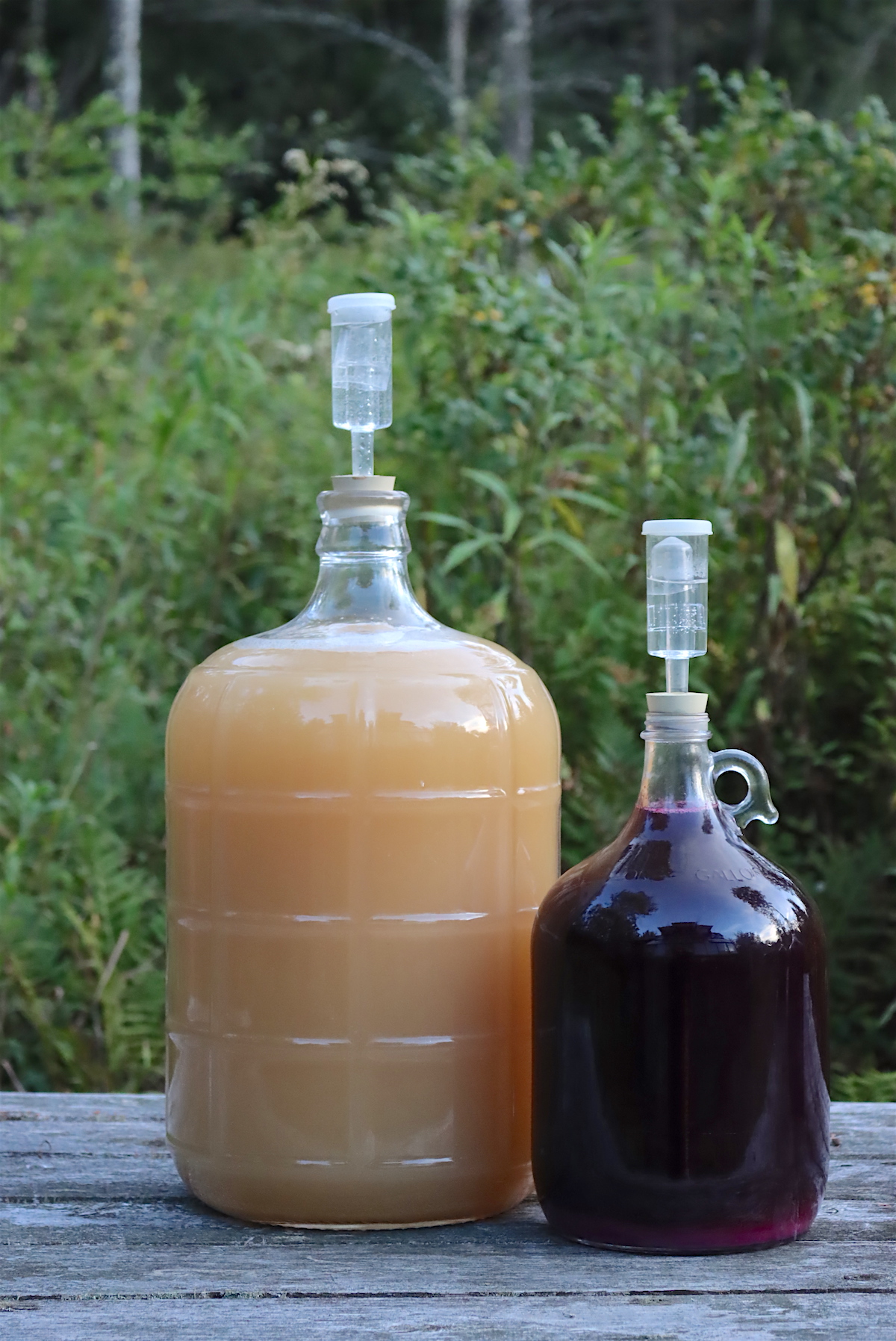
Credit: practicalselfreliance.com
Choosing The Right Fruit Juice
Choosing the right fruit juice is key to making tasty homemade wine. The juice sets the flavor and sweetness of your wine. Picking a good quality juice helps the fermentation process go smoothly. It also affects the final taste and aroma of the wine.
Freshness and purity of the juice matter a lot. Some fruits are better suited for winemaking because of their sugar and acid balance. Avoiding preservatives and additives ensures the yeast can work well during fermentation.
Best Fruits For Winemaking
- Grapes – Classic choice with natural sugar and good acidity.
- Apples – Give a crisp, light flavor; easy to ferment.
- Cherries – Add rich color and tart taste to wine.
- Peaches – Produce sweet, fragrant wine with smooth texture.
- Blackberries – Offer deep color and bold flavor.
- Blueberries – Create fruity wine with balanced sweetness.
Selecting Fresh Vs. Store-bought Juice
Fresh juice has natural flavors and no added chemicals. It usually ferments better and tastes fresher. Store-bought juice is convenient but may contain preservatives. Fresh juice may take more effort but gives better wine quality.
Avoiding Preservatives And Additives
Preservatives stop yeast from working well during fermentation. Look for juices labeled “no preservatives” or “100% pure.” Avoid juices with added sugars, colors, or flavors. Pure fruit juice helps create clean, natural wine flavors.
Gathering Essential Equipment
Before you start making wine from fruit juice, it’s crucial to gather the right equipment. Having the proper tools not only makes the process smoother but also helps you avoid common mistakes that can spoil your batch. Think about what you really need to create a clean, controlled environment for fermentation.
Fermentation Containers
Choosing the right fermentation container is key to your wine’s success. Glass carboys are popular because they don’t react with the juice and are easy to clean. Plastic fermenters are lighter and less fragile but ensure they are food-grade and free of scratches where bacteria can hide.
Consider the size of your batch before buying. A 1 to 5-gallon container works well for beginners. Have you thought about whether you want a narrow-neck or wide-mouth container? Narrow necks reduce exposure to air but can be harder to clean.
Airlocks And Stoppers
Airlocks let carbon dioxide escape during fermentation without letting air in. This prevents contamination and keeps your wine safe. You’ll need a stopper that fits tightly into your fermentation container’s opening to hold the airlock securely.
There are different types of airlocks, like three-piece and S-shaped designs. Both work well, but three-piece airlocks are easier to clean. Do you know how important it is to maintain a sealed environment? Small leaks can introduce unwanted bacteria or wild yeast.
Sanitizing Tools
Sanitizing all your equipment is non-negotiable. Even tiny bacteria can ruin your wine’s flavor or cause it to spoil. Use a no-rinse sanitizer specifically made for homebrewing to keep things simple and effective.
Sanitize everything that touches your juice or wine, including spoons, funnels, and airlocks. Skipping this step is a common pitfall. Have you ever wondered why some batches turn out off-flavored? Often, it’s because of poor sanitation.
Preparing The Juice
Preparing the juice is a key step in making wine from fruit juice. This stage sets the base for good fermentation and a tasty final product. The juice needs to be ready with the right sugar, acid, and nutrients. These factors help the yeast work well and create balanced wine.
Adjusting Sugar Levels
Sugar is the fuel for fermentation. The yeast converts sugar into alcohol and carbon dioxide. Check the juice’s sugar level using a hydrometer. Low sugar means low alcohol content. Add sugar slowly to raise the level if needed. Stir well to dissolve sugar evenly. Avoid adding too much sugar. Too much can kill the yeast or make the wine too strong.
Balancing Acidity
Acidity gives wine its fresh taste. Fruit juices vary in acid content. Test the juice’s acidity with a pH meter or acid test kit. If the juice is too acidic, add water or a pinch of baking soda to lower it. If the juice is not acidic enough, add tartaric or citric acid carefully. Balanced acidity helps the yeast thrive and improves flavor.
Adding Nutrients For Yeast
Yeast needs nutrients to grow and ferment properly. Fruit juice alone might lack some nutrients. Add yeast nutrients or energizers to the juice. These provide nitrogen, vitamins, and minerals. Follow the instructions on the nutrient package. Proper nutrition helps yeast complete fermentation and prevents stuck fermentation.

Credit: www.amazon.ca
Choosing And Adding Yeast
Choosing and adding yeast is a crucial step in making wine from fruit juice. The right yeast determines how well your wine will ferment, its flavor, and even its aroma. Getting this step right can mean the difference between a delicious homemade wine and a batch that just doesn’t taste quite right.
Types Of Wine Yeast
There are many types of wine yeast available, each suited for different styles and flavors. Some popular strains include:
- Champagne yeast:Known for creating crisp, dry wines with high alcohol tolerance.
- Red wine yeast:Enhances bold, fruity flavors and helps develop color in red wines.
- White wine yeast:Produces clean, fresh flavors perfect for light and aromatic white wines.
- Sweet wine yeast:Slower fermentation to retain natural sugars and create sweeter wines.
Think about what kind of wine you want. Do you prefer a dry or sweet finish? This will guide your yeast choice.
Activating The Yeast
Yeast usually comes in a dormant state and must be activated before adding to your juice. Warm water between 90°F and 110°F (32°C to 43°C) is ideal for waking up the yeast.
Sprinkle the yeast gently on the water’s surface and wait about 10 minutes. You’ll see it start to bubble or foam, which means it’s alive and ready.
If it doesn’t foam, your yeast might be dead. Don’t skip this step—you want active yeast for a successful fermentation.
Mixing Yeast With Juice
Once activated, you can add the yeast to your fruit juice. Pour it slowly into the juice while stirring gently to spread it evenly.
Make sure the juice is at the right temperature, ideally around 70°F (21°C), to avoid shocking the yeast. Too hot or too cold can slow fermentation or kill the yeast.
After mixing, cover your container with a clean cloth or airlock and watch the magic happen. Have you noticed how a small pinch of yeast can transform simple juice into something complex and exciting?
Primary Fermentation Process
The primary fermentation process is where the magic of turning fruit juice into wine truly begins. Yeast consumes the sugars in the juice and produces alcohol and carbon dioxide. This stage sets the foundation for your wine’s flavor, aroma, and character, so managing it carefully is essential.
Ideal Temperature And Environment
Keeping the right temperature is crucial for healthy fermentation. Most fruit wines ferment best between 65°F and 75°F (18°C to 24°C). Too cold, and the yeast slows down or stops; too hot, and off-flavors can develop or the yeast might die.
Choose a spot with stable temperatures away from direct sunlight and drafts. A basement or a dedicated fermentation chamber can work well. Think about how your environment affects yeast activity—have you checked your room’s temperature fluctuations lately?
Monitoring Fermentation Activity
Watching fermentation closely helps you catch problems early. You can monitor bubbling in the airlock, which shows carbon dioxide release. But don’t rely only on bubbles—they can slow down even if fermentation continues.
Using a hydrometer to measure specific gravity is more precise. Take readings every day or two; a dropping gravity means sugars are converting into alcohol. Have you noticed how much difference a simple hydrometer reading can make in timing your next steps?
Duration Of Primary Fermentation
The length of primary fermentation varies depending on fruit type, sugar content, and yeast strain. Typically, it lasts from 5 to 14 days. You’ll know it’s done when the bubbling slows significantly and specific gravity remains steady for a couple of days.
Rushing the process can lead to off-flavors, while waiting too long may risk contamination. Patience pays off in flavor. How do you decide the right moment to move on in your winemaking journey?
Racking And Secondary Fermentation
Racking and secondary fermentation are vital stages in making wine from fruit juice. These steps help clarify the wine and improve its flavor. Moving the wine carefully reduces unwanted particles. Secondary fermentation allows the wine to develop better taste and stability.
Transferring Wine Carefully
Use a clean siphon or tube to transfer the wine. Avoid shaking or stirring during this process. Gentle movement prevents mixing sediment back into the liquid. Always transfer wine above the sediment layer. This keeps the wine clear and clean.
Reducing Sediment
Sediment forms naturally during fermentation. It consists of dead yeast and fruit particles. Removing sediment improves the wine’s clarity and taste. Let the wine sit still for a few days after transferring. Sediment will settle at the bottom. Carefully rack the wine off this layer again if needed.
Completing Fermentation
Secondary fermentation finishes the sugar-to-alcohol conversion. Keep the wine in a sealed container with an airlock. This prevents air from spoiling the wine. Monitor the fermentation for several weeks. Once bubbles stop forming, fermentation is complete. The wine is then ready for bottling or aging.
Clarifying And Stabilizing Wine
Clarifying and stabilizing wine is key for a clean, clear final product. This process removes particles and prevents future cloudiness. It also helps keep flavors pure and improves shelf life.
Wine clarity makes it more appealing to the eye and palate. Stability avoids unwanted changes after bottling. Different techniques work together to achieve these goals.
Using Fining Agents
Fining agents help clear wine by binding to unwanted particles. These particles then settle at the bottom and can be removed. Common fining agents include:
- Bentonite clay – removes proteins and haze
- Gelatin – clears tannins and excess color
- Isinglass – clarifies by settling yeast and sediment
- Activated charcoal – removes off-flavors and colors
Adding the right fining agent improves clarity without harming flavor. Follow instructions carefully for best results.
Cold Stabilization Techniques
Cold stabilization prevents crystals from forming in bottled wine. These crystals look like tiny glass shards and can worry drinkers. Cooling wine to near freezing helps crystals form early.
After chilling, crystals settle and can be removed before bottling. This process also reduces tartaric acid, making wine taste smoother. It works well for white and rosé wines.
Testing For Stability
Testing ensures wine stays clear and stable over time. Simple tests show if particles or crystals will form later. Common tests include:
- Heat test – warms wine to check if haze appears
- Cold test – chills wine to see if crystals form
- Protein test – checks if proteins cause cloudiness
Regular testing helps catch problems before bottling. Stable wine means better quality and happier drinkers.
Bottling And Aging
Bottling and aging are vital steps in making wine from fruit juice. Proper bottling preserves the wine’s flavor and prevents spoilage. Aging helps develop the wine’s taste and smoothness over time. Careful attention during these stages improves the final quality.
Choosing Bottles And Corks
Select bottles designed for wine storage. Dark glass bottles protect wine from light damage. Choose bottles with a narrow neck to reduce air exposure.
Use natural corks or synthetic corks to seal bottles. Corks keep oxygen out and maintain freshness. Ensure corks fit tightly to prevent leaks.
Sanitizing Bottles
Clean bottles thoroughly before use. Residual dirt or bacteria can spoil wine quickly. Use a food-safe sanitizer to kill germs.
Rinse bottles well after sanitizing. Avoid strong chemical smells that can alter wine taste. Let bottles dry completely before filling.
Optimal Aging Conditions
Store bottles in a cool, dark place. Ideal temperature is between 50-60°F (10-15°C). Avoid temperature swings that stress the wine.
Keep bottles on their side to keep corks moist. Dry corks let air in, causing oxidation. Humidity should be around 70% to prevent cork drying.
Aging time varies by wine type. Some wines improve after a few months, others take years. Taste periodically to find the best aging period.
Troubleshooting Common Issues
Troubleshooting is a key skill when making wine from fruit juice. Even small mistakes can affect the taste, aroma, and overall quality of your wine. Understanding common issues and how to fix them helps you create better batches every time.
Off-flavors And How To Fix Them
Off-flavors can ruin your wine’s appeal. They often come from poor sanitation, fermentation problems, or using low-quality juice.
If your wine tastes sour or vinegary, it might be due to acetic acid bacteria. To fix this, make sure all equipment is thoroughly cleaned and sanitized before use. Using sulfites can also help prevent these bacteria from spoiling your wine.
Sometimes, off-flavors come from stuck fermentation where yeast stops working early. Gently stirring the must or adding a little yeast nutrient can encourage fermentation to restart. Have you checked the temperature during fermentation? Yeasts are sensitive and work best within a specific range.
Preventing And Managing Spoilage
Spoilage is one of the biggest threats to homemade wine. Mold, unwanted bacteria, and wild yeasts can take over if you’re not careful.
Keep your workspace clean and sanitize everything that touches your juice or wine. Use airtight containers to limit exposure to oxygen, which encourages spoilage organisms.
If you notice a bad smell or cloudy appearance, your wine might be spoiled. Filtering the wine and adding sulfites can sometimes save it, but prevention is always better. Have you ever lost a batch because of spoilage? Learning from that can save future efforts.
Adjusting Sweetness And Acidity
Balancing sweetness and acidity is crucial for a pleasant taste. If your wine tastes too sharp or sour, you might need to reduce acidity.
You can add a small amount of baking soda to neutralize excess acid, but do this carefully to avoid flat flavors. On the other hand, if your wine is too sweet, increasing acidity with tartaric acid can help.
Always test adjustments in small portions before changing the whole batch. Do you keep notes on how much you adjust each time? Tracking this helps you perfect your recipe over time.
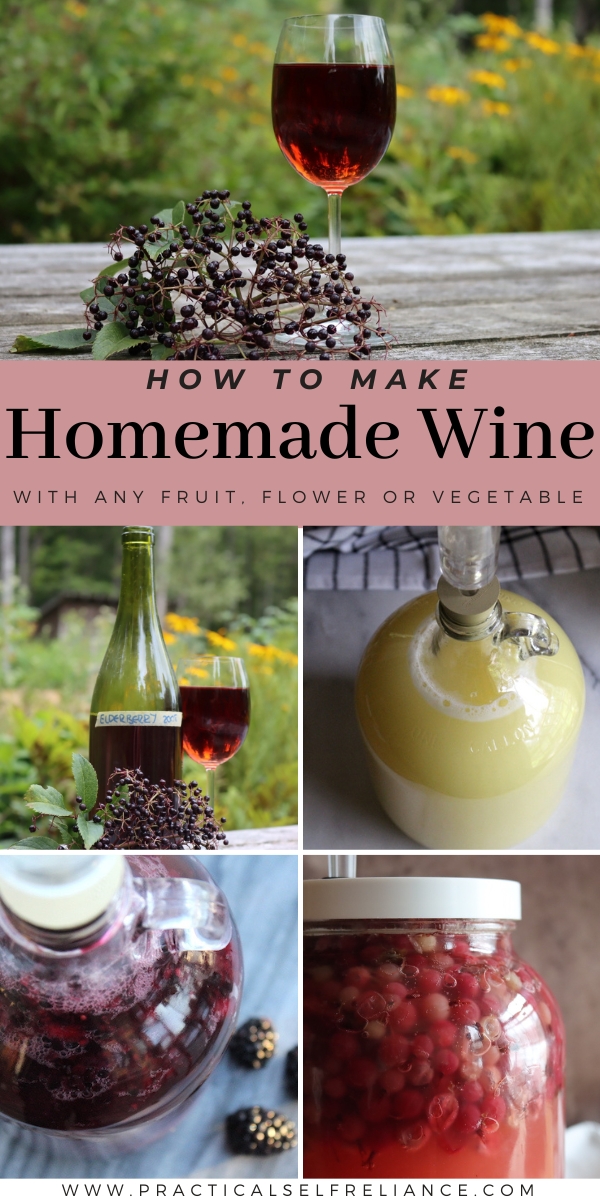
Credit: practicalselfreliance.com
Frequently Asked Questions
What Fruit Juices Are Best For Making Wine?
Grape, apple, and berry juices are popular for homemade wine. They have natural sugars and flavors that ferment well. Choose fresh, high-quality juices without preservatives for best results.
How Long Does Fruit Juice Wine Take To Ferment?
Fermentation typically takes 1 to 3 weeks. It depends on juice type, yeast strain, and temperature. Monitor bubbling and taste to know when fermentation is complete.
Can I Use Store-bought Fruit Juice For Wine?
Yes, but avoid juices with preservatives like potassium sorbate. These inhibit fermentation. Opt for 100% pure fruit juice without additives for successful wine making.
What Equipment Is Needed To Make Wine From Fruit Juice?
Basic equipment includes a fermentation vessel, airlock, siphon, and bottles. Sanitization tools are essential to prevent contamination. A hydrometer helps measure sugar levels accurately.
Conclusion
Creating wine from fruit juice is simple and enjoyable. It transforms ordinary juice into a delightful drink. Gather your ingredients and follow the steps carefully. With patience, you can enjoy homemade wine. It’s a fun experiment for wine lovers. Try different fruits for unique flavors.
Share your creation with friends and family. They will appreciate your effort and creativity. Making wine at home is rewarding and satisfying. Enjoy the process and the result. Your own special wine, made with love, awaits. Cheers to your winemaking adventure!
Ethan Cole is a kitchen innovation enthusiast and food technology writer at DiningGadgets.com. With over 8 years of experience reviewing cookware, smart kitchen tools, and design trends, he helps readers discover gadgets that make cooking easier and dining more enjoyable. When he’s not testing the latest kitchen appliances, Ethan enjoys experimenting with recipes and sharing practical tips for modern homes.