

Have you ever wondered why wines aged in oak barrels taste so rich and complex? It’s not just magic; it’s the art of making oak barrels that transforms an ordinary wine into an extraordinary one.
If you’ve ever sipped on a glass of wine and appreciated its depth, you’re about to uncover the secrets behind this transformation. In the world of winemaking, oak barrels are more than just containers; they are essential tools that infuse wine with unique flavors and aromas.
Understanding how these barrels are crafted can deepen your appreciation for every sip. Imagine the satisfaction of knowing exactly what goes into this age-old process, enhancing your wine-tasting experiences. Stay with us as we explore the fascinating process of making oak barrels for wine. You’ll not only gain insight into this meticulous craft but also discover how it impacts the wines you love. So, are you ready to dive into the captivating world of oak barrels and become a wine connoisseur in your own right? Let’s begin.
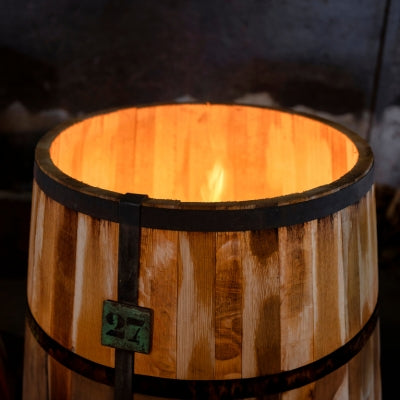
Credit: westgarthwines.com
Oak Selection
Selecting the right oak is a crucial step in crafting barrels that shape the flavor and character of wine. The quality of the wood directly influences the aging process and the final taste profile. Knowing what to look for in oak ensures you create barrels that enhance rather than overpower your wine.
Choosing The Right Tree
Not all oak trees are created equal when it comes to barrel making. You want wood from mature trees, typically over 80 years old, because their tight grain offers better flavor extraction and durability.
French oak is prized for its subtle, spicy notes, while American oak tends to impart stronger vanilla and coconut flavors. Where the tree grows also matters; soil and climate affect the wood’s characteristics.
Have you ever thought about how the location of a tree impacts the wine you drink? Selecting oak from the right forest could be the difference between a good barrel and a great one.
Seasoning The Wood
Freshly cut oak contains too much moisture for barrel making. Seasoning the wood outdoors for at least 18 to 24 months allows it to dry naturally and develop the right aroma compounds.
During seasoning, rain and sun exposure slowly break down harsh tannins, making the wood more suitable for wine aging. This step also lets the wood absorb environmental flavors, subtly influencing the wine’s complexity.
Have you noticed how aged barrels often have a softer, more refined impact on wine? Proper seasoning is the secret behind that transformation.
Stave Preparation
Stave preparation is a vital part of making oak barrels for wine. It shapes the wood to fit perfectly and ensures the barrel holds wine without leaks. Each step affects the barrel’s strength and flavor influence on the wine. Careful handling here creates a solid base for the wine aging process.
Cutting And Shaping
Oak logs are cut into long, narrow pieces called staves. These staves must have the right thickness and width. Craftsmen use special tools to shape the edges. The edges are beveled so staves fit tightly together. This tight fit stops wine from leaking out. The curve of each stave is also shaped for the barrel’s round form.
Drying Techniques
Drying the staves removes moisture and strengthens the wood. There are two main ways to dry oak staves:
- Air drying: Staves are stacked outside under cover for months or years.
- Kiln drying: Staves are placed in heated rooms for faster drying.
Air drying improves the wood’s flavor for wine. Kiln drying saves time but changes the wood’s aroma. Both methods reduce cracks and warping. Proper drying is key to a good barrel’s quality.
Barrel Assembly
The assembly of oak barrels is a precise art. It shapes the barrel’s strength and its ability to hold wine securely. The process starts with carefully joining the staves, the long wooden pieces that form the barrel’s body. Each stave fits tightly against the next to create a leak-proof seal.
After the staves are joined, metal hoops are added. These hoops hold the staves firmly together and maintain the barrel’s shape. This step is essential to ensure the barrel lasts for many years while aging wine perfectly.
Joining The Staves
Staves are shaped with a slight curve to fit snugly. Craftsmen line them up vertically in a circular form. They check for tight contact between edges to prevent leaks. The wood is often moistened to make it more flexible. This helps the staves bend without cracking. A temporary ring holds the staves in place during this phase. The barrel starts to take its classic rounded shape here.
Adding Metal Hoops
Metal hoops are placed over the staves to hold them tightly. These hoops are made of steel for strength and durability. They slide down the barrel and press the staves together. Craftsmen use a hammer and special tools to fit hoops securely. Hoops are spaced evenly from top to bottom. As more hoops are added, the barrel becomes solid and stable. The metal rings prevent the wood from expanding or shrinking too much.

Credit: www.youtube.com
Toasting Process
The toasting process is a crucial step in making oak barrels for wine. It involves carefully applying heat to the inside of the barrel staves. This not only shapes the wood but also triggers chemical changes that influence the wine’s flavor.
Heat Levels And Impact
Oak barrels are toasted at different heat levels, typically categorized as light, medium, and heavy. Each level changes the wood’s structure and flavor release.
- Light Toast:The wood softens slightly, releasing subtle vanilla and fresh wood aromas.
- Medium Toast:Brings out richer caramel and toasted almond notes. It also softens harsh tannins in the wood.
- Heavy Toast:Produces smoky, spicy flavors and deeper color extraction, but can overpower delicate wines if overdone.
I once tasted two wines aged in barrels with different toasting levels. The one from medium-toast barrels had a balanced complexity, while the heavy-toast barrel added bold smokiness that not everyone appreciated. This shows how crucial your choice of heat level is for the wine style you want.
Flavor Development
During toasting, heat breaks down wood compounds like lignin, cellulose, and hemicellulose. These changes release aromatic compounds such as vanillin, tannins, and sugars.
Vanillin adds a creamy vanilla note. Toasted sugars bring caramel and butterscotch flavors. Tannins from the oak add structure and help soften the wine’s natural acidity.
Think about the kind of wine you want to age. Do you want it to have bright, fresh notes or deeper, richer flavors? Toasting allows you to customize the barrel’s contribution to your wine’s final character.
Quality Checks
Quality checks are crucial in making oak barrels for wine. They ensure each barrel performs well during aging and protects the wine’s flavor. Without these checks, your wine could spoil or lose its unique character.
Leak Testing
Leak testing confirms the barrel holds liquid without any drips or seepage. After assembling the staves, coopers fill the barrel with water or steam to spot leaks. If even a tiny leak appears, it means the wood pieces didn’t fit tightly enough.
Sometimes, a barrel may seem perfect visually but fail this test. You might wonder how a small leak affects your wine. The answer is simple: even a minor leak lets oxygen in, which can spoil the aging process.
To fix leaks, coopers often tighten the metal hoops or use natural materials like reeds to seal gaps. The goal is a watertight seal that lasts for years under pressure.
Structural Integrity
Structural integrity checks ensure the barrel can withstand handling and the pressure of wine inside. Coopers inspect every stave for cracks, knots, or weak spots that might break under stress.
They also test the strength of the barrel’s hoops, which hold the staves together. A loose or weak hoop can cause the barrel to fall apart during transport or storage.
Have you ever thought about how much force a barrel must endure? It’s more than just holding liquid; it must resist changes in temperature and humidity. Strong barrels keep your wine safe through all these conditions.
Role In Winemaking
Oak barrels add unique flavors and aromas to wine during aging. Crafting these barrels carefully shapes the wine’s texture and taste. Skilled barrel making ensures the perfect balance of wood and wine interaction.
Aging And Flavor Influence
Oak barrels play a key role in shaping wine’s taste and texture. The wood allows slow oxygen flow, which softens the wine’s tannins. This process helps develop smoothness and complexity.
Barrels also add flavors like vanilla, spice, and toast. The type of oak, barrel age, and toasting level change these flavors. Winemakers choose barrels carefully to match the wine style.
The wood’s natural compounds react with the wine, creating unique aromas. This interaction can improve the wine’s balance and mouthfeel.
Barrel Maintenance
Proper care keeps barrels in good condition and avoids wine spoilage. After use, barrels need thorough cleaning to remove residues and bacteria.
Winemakers rinse barrels with hot water or steam. Some use special cleaning agents safe for wood. Barrels must dry completely before refilling.
Regular inspection helps find cracks or leaks early. Repairing barrels extends their life and preserves wine quality.
Storing barrels in a humid cellar prevents the wood from drying out. This keeps barrels tight and ready for the next batch of wine.
Tradition And Craftsmanship
Making oak barrels for wine is a craft that blends deep-rooted tradition with precise skill. Every barrel carries stories of centuries-old techniques, passed down through hands that respect the wood and the wine it will hold. This tradition shapes the unique character of each barrel, influencing the flavor and aroma of your wine in subtle but powerful ways.
Historical Techniques
The art of barrel making, or cooperage, began long before modern tools existed. Craftsmen used hand tools to carefully shape each stave, ensuring the perfect fit without gaps. They heated the wood over open flames to bend it, a delicate process that requires experience to avoid cracking.
Each step involved close attention. From selecting the oak—often from specific forests known for quality—to the final assembly, coopers trusted their hands and eyes rather than machines. Have you ever thought about how this hands-on approach affects the wine’s aging process? It’s all about how the wood interacts with the wine, and the slow, steady craftsmanship makes a difference you can taste.
Modern Innovations
Today, technology supports coopers but doesn’t replace their skill. Precision machines assist in cutting staves uniformly, speeding up production while maintaining quality. Advanced drying techniques, like controlled air or kiln drying, allow better control over moisture content, which impacts the barrel’s influence on wine.
Yet, the finishing touches remain a human job. Toasting the barrel inside still requires expert judgment. This process caramelizes the wood’s natural sugars, adding unique flavors to the wine. You might wonder how these innovations change the traditional flavor profile. The answer lies in balancing efficiency with respect for the wood’s natural properties.

Credit: www.thepost.co.nz
Frequently Asked Questions
What Type Of Oak Is Used For Wine Barrels?
French and American oak are most common. French oak is prized for subtle flavors. American oak adds stronger vanilla notes. Both influence wine taste and aging differently.
How Are Oak Barrels Made For Wine?
Coopers shape oak staves, bend them with heat, and assemble with metal hoops. The barrel is toasted inside to release flavors. This process enhances wine’s aroma and complexity.
Why Is Barrel Toasting Important In Winemaking?
Toasting caramelizes oak compounds, adding flavors like vanilla and spice. Different toast levels affect wine character. It also softens tannins, improving wine’s smoothness and aging potential.
How Long Do Oak Barrels Last For Wine Aging?
Typically, barrels last 3 to 5 years. Over time, oak flavors diminish. Wineries often reuse barrels for multiple vintages to balance cost and flavor influence.
Conclusion
Crafting oak barrels takes skill and patience. Each step shapes the wine’s final taste. From selecting wood to bending staves, every detail matters. Barrels add unique flavors and allow wine to breathe. This old craft connects tradition with the art of winemaking.
Understanding barrel making helps appreciate the wine you enjoy. The process shows how nature and craft work together. Oak barrels remain a key part of quality wine production.
Ethan Cole is a kitchen innovation enthusiast and food technology writer at DiningGadgets.com. With over 8 years of experience reviewing cookware, smart kitchen tools, and design trends, he helps readers discover gadgets that make cooking easier and dining more enjoyable. When he’s not testing the latest kitchen appliances, Ethan enjoys experimenting with recipes and sharing practical tips for modern homes.