

Imagine the delightful aroma of homemade wine swirling in your glass, the rich, fruity essence of Concord grapes dancing on your palate. Making Concord grape wine at home isn’t just about creating a drink; it’s about crafting an experience that tantalizes your senses and connects you to nature’s bounty.
You don’t need to be a seasoned winemaker to enjoy the art of fermentation. With just a few simple steps, you can transform these luscious grapes into a wine that will have you savoring every sip. Curious to discover how you can turn your kitchen into a mini winery and impress your friends with your newfound skill?
Let’s dive into the world of Concord grape wine-making and uncover the secrets to creating a bottle you’ll be proud to share.
Choosing Concord Grapes
Choosing the right Concord grapes sets the foundation for a successful winemaking experience. The quality of your grapes directly influences the flavor, aroma, and balance of your final wine. Paying close attention to how you select, harvest, and prepare your grapes can make a noticeable difference in your homemade Concord grape wine.
Selecting Fresh Grapes
Look for grapes that are plump, deep purple, and free from bruises or mold. Freshness is key—avoid grapes that are shriveled or overly soft, as they may have started to ferment or rot. Take time to inspect the bunches carefully, because fresh grapes will provide better juice and a cleaner taste.
Have you ever tasted wine that felt off or sour? It might be due to poor grape selection. Quality grapes mean fewer problems later in the process and a more enjoyable end product.
Harvest Timing
Harvest your Concord grapes when they reach peak ripeness, usually late September to early October, depending on your location. The sugar content and acidity levels should be balanced to ensure good fermentation and flavor development.
Try tasting the grapes before picking them. If they’re too tart or underripe, wait a few days. Picking too early or too late can lead to wine that lacks depth or has an unwanted sharpness.
Preparing Grapes For Winemaking
Once harvested, remove any leaves, stems, or damaged grapes to avoid off-flavors. Wash the grapes gently under cool water to clean them without bruising the fruit. Crushing the grapes carefully releases the juice while preserving the skins, which add color and tannins to your wine.
Consider using a clean bucket or container to collect your grapes. This simple step helps keep your fruit uncontaminated, which is crucial for a smooth fermentation process. How you prepare your grapes can either enhance or diminish the quality of your wine—how will you treat yours?
Essential Equipment
Gathering the right tools is key to making great Concord grape wine. Having essential equipment ready ensures your process is smooth and your wine turns out flavorful. Missing or using the wrong tools can lead to frustration or less than ideal results.
Fermentation Containers
Your choice of fermentation container affects the quality of your wine. Glass carboys are popular because they don’t react with the juice and allow you to see the fermentation progress. Food-grade plastic buckets with lids work well too, especially for beginners, since they are lighter and less fragile.
Consider the size of your batch when selecting containers. Smaller batches might ferment well in one-gallon jugs, while larger volumes need five-gallon carboys or buckets. Make sure your container has an airlock or a way to release gas to avoid pressure buildup.
Pressing Tools
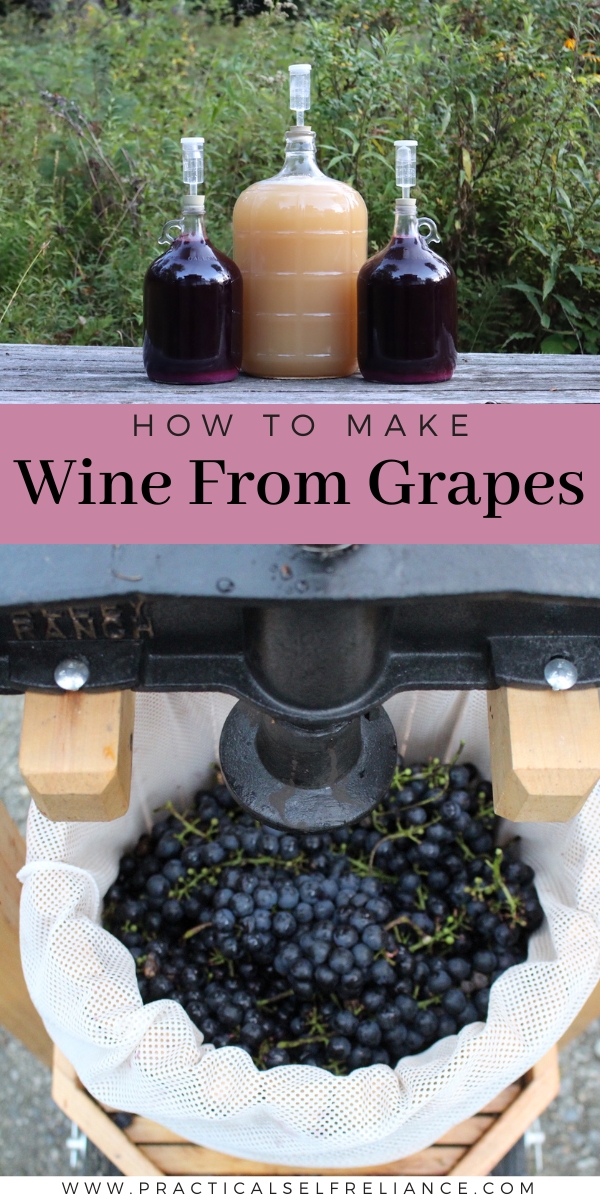
Extracting juice from Concord grapes requires proper pressing equipment. A handheld fruit press works well for small batches and gives you better control over juice extraction. If you want to process more grapes, a larger rack and cloth press can handle higher volumes efficiently.
Pressing by hand may seem laborious, but it lets you feel the juice flow and adjust pressure accordingly. You’ll notice that too much pressure can squeeze out bitter flavors from the skins and seeds, which you want to avoid for a smoother wine.
Sanitizing Supplies
Sanitation is non-negotiable in winemaking. Even a tiny bit of bacteria or wild yeast can spoil your entire batch. Use sanitizers specifically designed for brewing and winemaking, such as potassium metabisulfite or no-rinse sanitizing solutions.
Sanitize everything that touches your wine—containers, spoons, airlocks, and presses. Think about it as protecting your wine’s future flavor and your effort invested in those juicy Concord grapes.
Crushing And Pressing Grapes
Crushing and pressing Concord grapes are key steps in making wine. These processes release the juice needed for fermentation. Done right, they affect the wine’s flavor and quality. Different tools and techniques can be used. Each method suits different needs and batch sizes.
Manual Crushing Methods
Manual crushing is a simple way to start. You can use your hands or a clean wooden tool. Gently crush the grapes to break their skins. Avoid smashing seeds to reduce bitterness. This method works well for small batches. It keeps the process traditional and hands-on.
Using A Fruit Press
A fruit press helps extract juice faster and cleaner. Place crushed grapes inside the press basket. Turn the handle or apply pressure to squeeze juice out. The press separates juice from skins and seeds. It is ideal for medium to large batches. Clean the press well before and after use.
Extracting Juice Efficiently
To get the best juice, crush grapes evenly. Avoid crushing seeds too much. Use a fine mesh or cloth to strain juice. Collect juice in a clean container. Keep everything sanitary to prevent contamination. Efficient juice extraction leads to better fermentation. It also improves the final wine taste and aroma.
Credit: labelpeelers.com
Fermentation Process
The fermentation process is where your Concord grape juice transforms into wine. This stage is crucial because it affects the flavor, aroma, and overall quality of your wine. Understanding how to manage fermentation can make the difference between a good batch and a great one.
Adding Yeast
Yeast is the magic ingredient that turns grape sugars into alcohol and carbon dioxide. You can use wild yeast naturally found on grape skins, but adding a controlled wine yeast strain gives you more predictable results. I once relied on wild yeast and faced stuck fermentation; since switching to a specific strain, my wine’s consistency improved dramatically.
Before adding yeast, make sure your grape juice is at the right temperature, usually around 70°F (21°C). Sprinkle the yeast evenly and gently stir it in. This helps the yeast get to work quickly and start fermenting your juice.
Controlling Temperature
Temperature control during fermentation is vital because yeast activity changes with heat. Too hot, and yeast can die or produce off-flavors; too cold, and fermentation slows or stops. I keep my fermenting vessel in a cool spot, aiming for a steady 65-75°F (18-24°C) to balance speed and flavor development.
You can use a simple thermometer to check temperatures daily. If it gets too warm, move your container to a cooler place or use ice packs. Keeping temperature steady helps your wine develop clean, fruity notes.
Monitoring Fermentation Progress
Tracking fermentation progress helps you know when the process is done or if something needs adjustment. Use a hydrometer to measure specific gravity—the sugar level in your juice. As fermentation proceeds, sugar levels drop, indicating yeast is converting sugar into alcohol.
Check the gravity every couple of days. When readings stay the same for three days, fermentation is likely complete. This step avoids bottling too early, which can cause unwanted fizz or bottle explosions.
Have you noticed strange smells or sluggish bubbles? That’s a sign to check your yeast health or temperature control. Paying close attention during fermentation ensures your Concord grape wine turns out just as you want it.
Racking And Clarifying
Racking and clarifying are key steps in making Concord grape wine. They help improve the wine’s taste and appearance. These processes remove unwanted particles and make the wine clear and smooth. Proper racking and clarifying ensure a better final product.
Transferring Wine
Transferring wine means moving it from one container to another. Use a clean siphon or tube to avoid contamination. Pour gently to keep air contact low. This step separates the wine from heavy sediments at the bottom. It also helps the wine to age well.
Removing Sediments
Sediments are solid bits that settle during fermentation. They can taste bitter and look unappealing. Removing sediments improves the wine’s flavor and clarity. Use racking to leave the sediment behind in the original container. Repeat this process until the wine is clear enough.
Improving Wine Clarity
Clear wine looks more attractive and tastes better. After racking, let the wine rest in a cool place. This helps fine particles to settle. Use fining agents if needed to speed up clearing. Filtering is another option but use it carefully to keep flavors intact. Clear wine shows quality and care in winemaking.
Aging And Bottling
Aging and bottling are crucial steps in making Concord grape wine. These stages help develop the wine’s flavor and aroma. Proper aging softens the taste and balances acidity. Bottling preserves these qualities for future enjoyment. Careful attention during this phase ensures a quality wine.
Choosing Aging Containers
Select containers that suit your wine style. Oak barrels add rich flavors and tannins. Glass carboys keep the wine pure and fresh. Stainless steel tanks prevent oxidation and maintain crispness. Each container affects the wine’s taste differently. Clean containers thoroughly before use to avoid contamination.
Optimal Aging Time
Concord grape wine usually benefits from 3 to 6 months of aging. Shorter aging keeps fruity and fresh notes. Longer aging deepens complexity but may reduce fruitiness. Taste the wine regularly to track progress. Stop aging when the flavor feels balanced and smooth.
Sealing And Storing Bottles
Use quality corks or screw caps to seal bottles tightly. Proper sealing stops air from spoiling the wine. Store bottles horizontally to keep corks moist. Keep them in a cool, dark place with stable temperature. Avoid light, heat, and vibration for best results.
Tips For Rich Flavor
Creating rich flavor in Concord grape wine takes careful attention. Small details in the winemaking process shape the taste and aroma. Simple tips can improve the balance, aroma, and overall quality. These steps help bring out the best in your homemade wine.
Balancing Sweetness And Acidity
Sweetness and acidity must work together for a smooth taste. Too much sugar makes the wine sticky and heavy. Too much acid can make it sharp and sour. Taste the grape juice before fermentation. Adjust sugar levels using simple syrup if needed. Add acid slowly, using lemon juice or tartaric acid. Check the balance often during fermentation to keep flavors even.
Enhancing Aroma
Good aroma adds depth to Concord grape wine. Use fresh, ripe grapes for the best scent. Keep the fermentation temperature cool to preserve fruity notes. Adding a small amount of oak chips can add a nice woody smell. Avoid strong spices that may overpower the grape aroma. Store wine in a dark, cool place to keep the fragrance fresh.
Avoiding Common Mistakes
- Do not use damaged or moldy grapes; they spoil flavor.
- Clean all equipment thoroughly to avoid contamination.
- Do not rush fermentation; patience improves taste.
- Avoid exposing wine to high heat or sunlight.
- Do not add too much sugar or acid at once.
Credit: upgrademystatus.com
Credit: practicalselfreliance.com
Frequently Asked Questions
What Are The Key Steps In Making Concord Grape Wine?
Making Concord grape wine involves crushing grapes, fermenting juice with yeast, racking to remove sediment, aging, and bottling. Proper sanitation and temperature control ensure quality. Patience during aging enhances flavor and aroma, resulting in a smooth, fruity wine.
How Long Does Concord Grape Wine Fermentation Take?
Fermentation usually takes 7 to 14 days, depending on temperature and yeast strain. Cooler temps slow fermentation, preserving flavor. Monitoring sugar levels helps determine when fermentation is complete, ensuring balanced sweetness and alcohol content.
Can I Use Fresh Concord Grapes For Wine Making?
Yes, fresh Concord grapes are ideal for winemaking. They provide natural sugars and flavors essential for quality wine. Ensure grapes are ripe, clean, and free from mold or rot to avoid spoilage and off-flavors in your wine.
What Equipment Is Needed For Making Concord Grape Wine?
Essential equipment includes a crusher or press, fermentation vessel, airlock, hydrometer, siphon tube, and bottles. Cleanliness is crucial, so sanitizers and sterilizers are also needed. Proper tools help control fermentation and produce better wine.
Conclusion
Making Concord grape wine is a fun and rewarding process. You start with fresh grapes and follow simple steps. Patience is key during fermentation. The taste improves as the wine ages. Enjoy sharing your homemade wine with friends and family.
Each batch teaches you something new. Remember, practice makes better wine every time. Keep experimenting and enjoy the journey. Your efforts will bring a tasty, unique drink. Cheers to your winemaking adventure!
Ethan Cole is a kitchen innovation enthusiast and food technology writer at DiningGadgets.com. With over 8 years of experience reviewing cookware, smart kitchen tools, and design trends, he helps readers discover gadgets that make cooking easier and dining more enjoyable. When he’s not testing the latest kitchen appliances, Ethan enjoys experimenting with recipes and sharing practical tips for modern homes.