

Imagine the rich aroma of oak mingling with the subtle notes of wine, all wrapped up in a beautifully crafted barrel. Making a wine barrel is an art that combines tradition, precision, and a touch of magic.
Have you ever wondered how these barrels come to life and why they are so essential to the world of winemaking? You’re not alone. As you dive into the fascinating process of crafting these wooden wonders, you’ll discover secrets that have been passed down through generations.
Whether you’re a wine enthusiast or someone curious about the craftsmanship behind your favorite bottle, understanding the journey of a wine barrel can deepen your appreciation for every sip. This is your chance to uncover the techniques that turn simple oak into a vessel that nurtures and transforms wine into a masterpiece. Ready to unlock the mysteries of wine barrel making? Keep reading to find out how this ancient craft continues to shape the flavors you love.
Choosing The Right Wood
Choosing the right wood is vital for making a quality wine barrel. The wood impacts the flavor, aroma, and aging process of the wine. Not all wood types work well for barrels. Careful selection ensures the barrel performs well and lasts long.
Types Of Wood For Barrels
Oak is the most common wood for wine barrels. It offers the best balance of flavor and durability. Two main types of oak are used:
- American Oak – Strong flavor, sweet vanilla notes
- French Oak – Subtle flavor, adds spice and toastiness
Other woods like chestnut or acacia are rare and can change wine taste drastically. Oak remains the preferred choice for consistency and quality.
Wood Selection Criteria
Wood must be dense enough to hold wine without leaking. Grain tightness affects how the wine interacts with wood. Finer grain allows slow oxygen flow and better flavor.
Moisture content is critical. Wood should be properly dried to prevent warping or cracking. Too dry or too wet wood can ruin the barrel’s shape.
Wood must be free from knots, cracks, and defects. Imperfections weaken the barrel and affect wine quality.
Sourcing Quality Timber
Timber should come from sustainable forests with good environmental practices. Check for wood that has been air-dried for at least two years. This natural drying preserves the wood’s integrity.
Buy from trusted suppliers who specialize in barrel-making wood. Inspect the wood personally or ask for samples before purchasing. Good timber is the foundation of a great wine barrel.
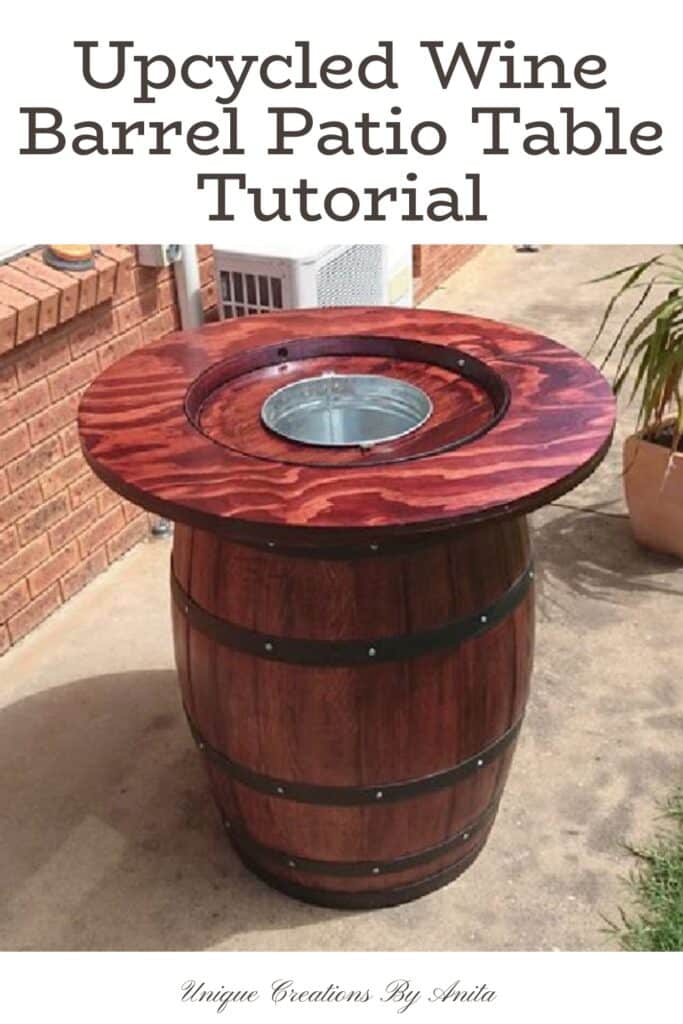
Credit: uniquecreationsbyanita.com
Preparing The Staves
Preparing the staves is the first crucial phase in crafting a wine barrel. These wooden strips form the barrel’s body, so precision and care here affect the barrel’s strength and the wine’s flavor. Each step in handling the staves sets the foundation for a barrel that will last and perform well.
Cutting And Shaping Staves
Start by cutting the wood into long, narrow strips called staves. The shape is important: each stave must have a slight curve to fit snugly against its neighbors. You’ll use special tools like a drawknife or plane to shape the edges just right.
Think about the angle and thickness carefully. Too thick, and the barrel becomes heavy and slow to age wine; too thin, and it might leak or break. Have you ever tried shaping wood with hand tools? It’s a skill that grows with practice and patience.
Seasoning And Drying Wood
Once shaped, the staves need to be seasoned. This means drying the wood slowly to reduce moisture and improve durability. Most coopers leave the staves outside under cover for several months or even years.
Seasoning also helps mellow the wood’s tannins, which can otherwise overpower the wine. You might notice a different aroma in seasoned staves compared to fresh-cut wood—this subtle change can influence your barrel’s final character. How long would you wait to ensure your wood is perfectly ready?
Checking For Imperfections
Before assembling the barrel, inspect each stave carefully. Look for cracks, knots, or any irregularities that could cause leaks or weaken the structure. Even small flaws can affect the barrel’s performance and lifespan.
Run your hand along the edges and surfaces; feel for rough spots or soft areas. It’s better to discard or rework a problematic stave than risk a faulty barrel. What would you do if you found a hidden crack only after assembly?
Assembling The Barrel
Assembling a wine barrel is a careful process that brings all the parts together. Each step shapes the barrel’s strength and appearance. Precision and patience ensure the barrel will hold wine perfectly.
Arranging The Staves
The staves are narrow wooden pieces that form the barrel’s body. Arrange them side by side in a circle. Each stave must fit tightly against the next. The wood grain should run vertically for strength. This tight fit stops leaks and holds the shape well.
Installing Temporary Hoops
Temporary hoops keep the staves in place. Slide metal or wooden hoops around the staves. Place them near the ends and middle for support. Tighten the hoops gently to hold the staves firmly. These hoops hold the barrel together during shaping and assembly.
Shaping The Barrel Form
The barrel needs a curved shape to hold liquids well. Use heat or steam to soften the wood. Bend the staves slowly to create the classic barrel curve. Check the shape from all sides. The form must be even and smooth for a strong barrel.
Toasting And Charring
Toasting and charring are key steps in crafting a wine barrel. These processes shape the barrel’s flavor profile and aroma. Wood reacts with heat to release natural compounds that blend with the wine. This interaction adds depth and character to the final product. Understanding these steps helps in making barrels that enhance wine taste.
Purpose Of Toasting
Toasting softens the wood and releases flavors like vanilla and caramel. It breaks down complex compounds into simpler, aromatic ones. This adds richness and complexity to the wine. Toasting also helps seal the wood, reducing unwanted tannins. The result is a smoother taste and better wine aging.
Different Toast Levels
Barrels can be toasted at light, medium, or heavy levels. Each level changes the wood’s flavor and aroma differently.
- Light Toast:Subtle flavors with mild vanilla and fresh wood notes.
- Medium Toast:Balanced flavors with hints of spice, caramel, and toastiness.
- Heavy Toast:Strong smoky, charred notes with deep caramel and coffee flavors.
Choosing the right toast level depends on the type of wine and desired taste.
Applying Heat Safely
Safety is crucial when toasting barrels. Use controlled heat sources like gas or electric burners. Monitor temperature closely to avoid overburning the wood. Keep fire extinguishing tools nearby for emergencies. Work in a well-ventilated area to prevent smoke build-up. Proper handling ensures a quality toast and prevents accidents.
Securing The Barrel
Securing the barrel is a key step in making a wine barrel. It holds the staves tightly together. This keeps the shape firm and prevents leaks. Proper securing ensures the barrel lasts long. It also helps the wine age perfectly inside. The process involves fitting permanent hoops, installing heads, and sealing the barrel. Each part must be done carefully for a strong, leak-proof barrel.
Fitting Permanent Hoops
Permanent hoops keep the staves tightly bound. These hoops are made of metal for strength. Slide them over the barrel’s body. Use a hammer or mallet to push them down. The hoops should sit snugly against the wood. Check that the staves do not move. Tighten the hoops evenly around the barrel. This prevents gaps and keeps the shape stable.
Installing Heads
Heads are the flat ends of the barrel. They close off the barrel and hold liquids inside. Place each head into the barrel’s groove. Make sure it fits tightly and is flush with the staves. Use a wooden mallet to tap the heads gently. Secure the heads by pressing them firmly into place. Proper fitting stops leaks and strengthens the barrel.
Sealing And Testing For Leaks
Sealing the barrel stops any liquid from escaping. Use natural materials like reeds or oak shavings to fill small gaps. Apply water or steam to expand the wood and seal cracks. Let the barrel soak in water for several days. Watch for any dripping or wet spots. Test the barrel by filling it with water. Check all around for leaks. Fix any leaks by tightening hoops or resealing gaps. A well-sealed barrel protects the wine perfectly.

Credit: www.youtube.com
Final Finishing Touches
The final finishing touches bring the wine barrel to life. These steps ensure the barrel looks great and functions well. Careful attention here improves the barrel’s durability and style.
Sanding And Polishing
Sanding smooths the wood surface. Start with coarse grit sandpaper to remove rough spots. Move to finer grits for a soft, even finish. Polishing adds shine and protects the wood. Use a natural wax or oil to enhance the grain. This step also helps seal the wood against moisture.
Branding And Marking
Branding adds a unique identity to the barrel. Use a heated iron to burn a logo or design onto the wood. This marks the barrel with a personal or business touch. Marking can also include date stamps or batch numbers. These marks tell the story of the barrel’s origin and use.
Preparing For Use
Before filling, check the barrel for leaks. Fill it with water and watch for drips. Tighten or replace any loose hoops around the barrel. Let the wood absorb moisture to swell and seal gaps. Rinse the barrel to remove dust and residue. Now, the barrel is ready for aging wine or storage.
Maintaining Wine Barrels
Maintaining wine barrels is essential to preserve the quality of both the barrel and the wine it holds. Proper care prevents spoilage, keeps flavors pure, and extends the barrel’s usability. Paying attention to cleaning, storage, and preservation can make a significant difference in your winemaking journey.
Cleaning Techniques
Cleaning your wine barrel thoroughly after each use prevents bacteria and mold growth. Use hot water rinses—avoid soap, as it can leave residues that affect taste. Some winemakers use steam cleaning to sanitize without chemicals.
After rinsing, scrub the barrel’s interior gently with a soft brush to remove any stubborn deposits. You can also use a solution of citric acid and sulfur dioxide to sanitize and preserve the wood. Have you checked your barrel for any unusual smells or discolorations? These signs often indicate the need for more thorough cleaning.
Storage Tips
Store barrels in a cool, humid environment to prevent the wood from drying and cracking. Ideal humidity levels range between 60-80%. Too dry, and the barrel shrinks; too damp, and mold can develop on the outside.
Keep barrels off the floor on racks or pallets to allow air circulation underneath. Rotate barrels occasionally to ensure even moisture distribution. What kind of space do you have for barrel storage? Small adjustments in temperature and airflow can improve barrel lifespan dramatically.
Extending Barrel Life
Regular maintenance helps you get the most out of your barrels, sometimes extending their life beyond a decade. After emptying, refill barrels with a sulfur dioxide solution to protect the wood and prevent oxidation.
Inspect your barrels frequently for leaks or loose staves—tighten metal hoops if necessary. Avoid leaving barrels empty for long periods, as this can dry out the wood. Could you schedule routine checks into your winemaking calendar? Consistency is key to keeping barrels in top shape.

Credit: www.youtube.com
Frequently Asked Questions
What Materials Are Needed To Make A Wine Barrel?
To make a wine barrel, you need quality oak wood, metal hoops, and barrel-making tools. Oak is preferred for its flavor and durability. Metal hoops hold the staves tightly. Tools include a plane, hammer, and chisel for shaping and assembly.
How Long Does It Take To Make A Wine Barrel?
Making a wine barrel typically takes several days to weeks. The process includes wood selection, shaping staves, assembling, and toasting inside. Aging the barrel before use can add more time. Skilled coopers can complete it faster, ensuring quality craftsmanship.
Why Is Oak Wood Used For Wine Barrels?
Oak wood is used because it adds flavor, aroma, and tannins to wine. It is durable and allows controlled oxygen exchange. Oak’s tight grain prevents leaks while enhancing wine’s complexity, making it the preferred choice for barrel making.
What Is The Barrel Toasting Process?
Barrel toasting involves heating the inside of the barrel over fire. This process caramelizes natural sugars in the wood, influencing wine flavor and aroma. Toast levels range from light to heavy, affecting the wine’s taste profile.
Conclusion
Making a wine barrel takes skill and patience. Each step shapes the wood carefully. The barrel holds wine and helps it taste better. Crafting one connects tradition with art. You can appreciate the work behind every barrel. This process shows how wood transforms into something useful.
A well-made barrel lasts for many years. It adds value to winemaking and storage. The journey of making a wine barrel is truly rewarding.
Ethan Cole is a kitchen innovation enthusiast and food technology writer at DiningGadgets.com. With over 8 years of experience reviewing cookware, smart kitchen tools, and design trends, he helps readers discover gadgets that make cooking easier and dining more enjoyable. When he’s not testing the latest kitchen appliances, Ethan enjoys experimenting with recipes and sharing practical tips for modern homes.