

You want to brighten your child’s day with a simple note, but they can’t read yet. How do you share your love and encouragement in a way they understand?
Lunch box notes for non-readers are the perfect solution. These small gestures can make a big impact on your child’s mood and confidence. Keep reading to discover easy and creative ideas that speak straight to your little one’s heart—even before they can read a single word.
Simple Symbols And Pictures
Simple symbols and pictures turn lunch box notes into a fun and easy way to communicate with non-reading kids. Instead of words, images speak directly to their hearts and minds. These visuals can brighten their day and make them feel loved without needing letters or sentences.
Using Stickers And Drawings
Stickers are a quick, colorful way to send a message. A star sticker can mean “Great job,” while a heart shows love. You can even draw simple shapes like suns, smiley faces, or animals to express feelings.
Try mixing stickers with your own little sketches. It adds a personal touch that kids notice and appreciate. Have you ever seen a child’s face light up when they find a tiny drawing you made just for them?
Emojis And Smileys
Emojis aren’t just for phones—they work perfectly in lunch box notes too. A happy face emoji can encourage your child, while a thumbs-up shows you believe in them. These symbols are easy for kids to understand and connect with.
You can even create your own set of emojis using simple shapes and colors. This turns lunch notes into a fun game where your child learns to recognize and interpret your special symbols.
Color-coded Messages
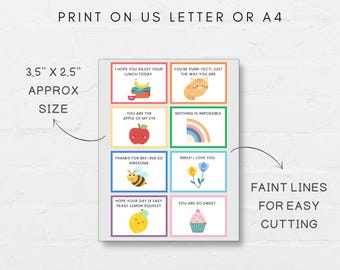
Using colors to send messages adds another layer of meaning. For example, a red circle could mean “You’re loved,” green could mean “Have fun,” and yellow could mean “Be brave.” This system can grow as your child learns to associate colors with feelings.
Try keeping a key of colors and symbols somewhere at home. It turns the lunch note into a secret code between you and your child, making lunchtime a moment to look forward to. What colors do you think your child would respond to best?
Credit: www.etsy.com
Interactive Notes
Interactive lunch box notes make lunchtime fun and engaging for non-readers. These notes use simple activities that children can enjoy without needing to read. They encourage curiosity, problem-solving, and play. Interactive notes keep children excited about their lunch and learning.
Puzzle Pieces
Puzzle pieces are a great way to create interactive notes. Cut a simple picture or message into a few pieces. Place one piece in the lunch box and keep the rest at home. Kids can collect the pieces every day to complete the puzzle. This activity encourages focus and excitement.
Matching Games
Matching games are easy and fun for non-readers. Use pictures or shapes that go together, such as a sun and sunglasses. Write simple words or use stickers to guide the matching. Kids can match the pairs during lunch. This helps develop memory and recognition skills.
Scratch-and-reveal
Scratch-and-reveal notes add a surprise element to lunch. Cover a message or picture with a scratch-off layer. Kids use a coin or fingernail to scratch and see the hidden content. This simple game makes lunch more exciting and interactive. It also builds fine motor skills.
Personalized Visuals
Personalized visuals transform lunch box notes into meaningful messages for non-readers. They speak a language beyond words, offering comfort and connection through images. Using visuals that resonate with your child can brighten their day and create a sense of familiarity.
Photos Of Family And Friends
Including photos of loved ones makes lunch box notes instantly recognizable and heartwarming. A picture of a smiling grandparent or a best friend can remind your child they are loved and supported. Try swapping photos regularly to keep the notes fresh and exciting.
Favorite Characters
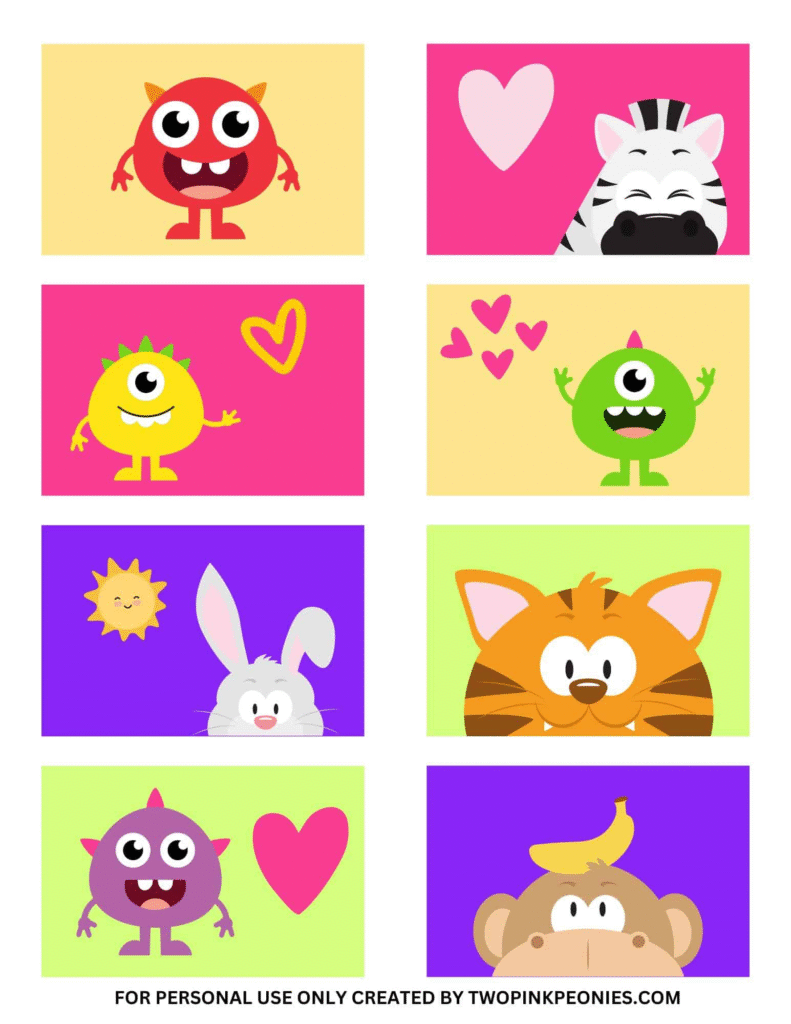
Characters from your child’s favorite books, shows, or movies can capture their attention and spark joy. A note featuring a beloved superhero or cartoon character becomes more than just a message—it becomes a moment of fun. Have you noticed how a simple image of a favorite character can turn a hesitant eater into a happy one?
Hand-drawn Artwork
Hand-drawn pictures add a personal touch that photos and printed images can’t match. Even simple sketches show effort and love, making your child feel special. Try drawing something related to their day ahead or a fun activity you plan to do together.
Credit: www.bakingyouhappier.com
Audio And Video Messages
Audio and video messages bring a fresh and exciting way to connect with kids who can’t read yet. These messages add warmth and personality that written notes sometimes lack. They also give your child a chance to hear your voice, making lunchtime feel more personal and comforting.
Qr Codes Linked To Voice Notes
Adding a QR code to your child’s lunch box is a simple way to include a voice message. You just record a short note on your phone, upload it to a platform like SoundCloud or Google Drive, and generate a QR code linked to that file.
Place the QR code on a small card or sticker inside the lunch box. Your child can scan it with a tablet or a phone and listen to your message anytime. It’s a quick, tech-friendly method that doesn’t require your child to read.
Short Video Clips
Short videos are a fun alternative to voice notes. You can record a quick “Good morning” or a silly joke and send it as a video clip. Kids love seeing your face and expressions—it makes the message feel alive and genuine.
Keep the clips under 30 seconds to hold their attention. You might even let your child create a video reply, turning lunch into a mini conversation. How often do you get to see your child’s smile during the school day?
Using Apps For Easy Playback
Apps designed for simple audio and video playback make it easy for children to access your messages. Apps like Marco Polo or Voxer allow messages to be saved and played back at any time without fuss.
These apps often have child-friendly interfaces that guide kids through listening or watching. Using such tools can turn lunch breaks into moments of connection, even when you’re apart.
Creative Packaging Ideas
Creative packaging ideas make lunch box notes special and fun. They catch the eye and bring joy to non-readers. Simple touches can turn a plain note into a delightful surprise. Using colors, shapes, and textures makes notes more exciting. Kids feel loved and eager to find their daily message.
Decorated Lunch Boxes
Decorate lunch boxes with stickers or washable markers. Draw simple shapes or favorite animals on the box. Use colorful tape to add stripes or patterns. Attach small charms or ribbons to the handle. These decorations make the lunch box stand out. Kids enjoy seeing their unique box every day.
Fun Wrapping Techniques
Wrap notes in small paper pockets or envelopes. Use bright paper or patterned wrapping sheets. Fold notes into shapes like hearts or stars. Tie with a string or thin ribbon for a cute touch. Use washi tape to seal the package with style. These techniques add surprise and curiosity for kids.
Reusable Note Cards
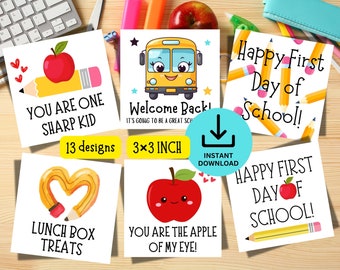
Create reusable note cards with laminated paper or plastic sheets. Write messages with dry-erase markers for easy change. Use magnets to stick notes inside the lunch box. Choose colorful cards with simple pictures or symbols. This method saves paper and allows daily new notes. Kids love picking their favorite card each day.
Credit: www.etsy.com
Tips For Making Notes Engaging
Making lunch box notes engaging for non-readers can be a fun challenge. The key is to communicate in ways that grab attention quickly and make your message clear without needing words. Small changes in how you design and deliver your notes can make a big difference in keeping your child excited to see what’s inside their lunch box.
Keeping It Simple And Clear
Use simple shapes, symbols, or smiley faces that your child recognizes easily. Avoid long sentences or complicated words. A quick drawing of a sun or a heart can say “Have a great day!” better than text alone.
Think about what your child understands best. If they know a thumbs-up means “good job,” use that. The goal is to make your note instantly understandable without confusion.
Incorporating Favorite Themes
Does your child love animals, superheroes, or a particular cartoon? Use those themes in your notes. For example, a picture of a favorite character giving a thumbs-up can brighten their day.
Adding familiar themes makes your notes personal and relevant. It shows you notice what they love, which can make lunch time feel more special and less routine.
Encouraging Interaction
Try adding simple questions or prompts that invite your child to respond later. A note with a smiley face and a question mark can encourage them to tell you about their day when they get home.
Another idea is to use stickers or stamps that your child can collect or trade. This creates a small game out of lunch notes, which can make your child look forward to them.
Frequently Asked Questions
What Are Lunch Box Notes For Non Readers?
Lunch box notes for non readers use images, symbols, or simple drawings. They help children understand messages without reading words. These notes encourage emotional bonding and communication with young kids who cannot read yet.
How Can I Create Effective Lunch Box Notes?
Use bright colors, simple pictures, and clear symbols. Keep messages positive and encouraging. Tailor notes to your child’s interests and developmental level. Avoid complex words to ensure easy understanding.
Why Are Lunch Box Notes Important For Non Readers?
They boost a child’s emotional well-being and sense of security. Notes create a loving connection during lunchtime. They also foster early communication skills and promote positive feelings about school.
What Materials Are Best For Lunch Box Notes?
Use durable paper, laminated sheets, or reusable dry-erase cards. These materials withstand spills and rough handling. Choose non-toxic markers or crayons for safety and vibrant colors.
Conclusion
Lunch box notes for non-readers bring joy and comfort. Simple drawings or symbols can show love and care. These small messages help children feel special each day. They create happy moments during lunchtime. Parents can use colors and shapes to communicate.
This little effort builds strong bonds and trust. Keep notes fun, easy, and bright. Sharing love without words speaks volumes. Try adding a new note every day. Watch your child’s smile grow with each message. Small notes make big differences in their day.

Sophia Martinez is a culinary lifestyle writer and product reviewer for DiningGadgets.com. Passionate about blending style with functionality, she explores the latest dining essentials, kitchen décor, and cleaning hacks that transform everyday cooking spaces. With a background in home organization and design, Sophia brings readers expert advice on creating beautiful, practical kitchens that truly feel like the heart of the home.