

Imagine the smile on your little one’s face when they find a sweet note waiting for them in their lunch box. Lunch box notes for kindergarten aren’t just words on a piece of paper—they are tiny moments of connection that brighten your child’s day.
If you want to make lunchtime special, boost your child’s confidence, and create memories that last, keep reading. You’ll discover simple, heartfelt ideas that turn an ordinary lunch into a moment your kindergartener looks forward to every day.
Benefits Of Lunch Box Notes
Lunch box notes carry more than just words. They bring special benefits for young children in kindergarten. These small messages create moments of joy and support during the school day. They help kids feel loved and confident. Parents also find a simple way to stay connected with their children. Let’s explore key benefits of lunch box notes.
Encouraging Positive Emotions
Lunch box notes brighten a child’s day instantly. A kind word or fun drawing sparks happiness. These notes remind kids they are cared for, even far from home. Positive emotions boost focus and mood. Children become more eager to learn and play.
Strengthening Parent-child Bonds
Sending notes shows ongoing love and attention. This small act strengthens trust between parents and children. Kids feel secure knowing their parents think about them. It builds a strong emotional link that lasts beyond the school day. Notes become a quiet conversation bridging distance.
Boosting Self-esteem
Words of encouragement help children believe in themselves. Notes can praise effort, kindness, or creativity. Children learn to value their own strengths and efforts. This confidence supports social skills and academic growth. Feeling good inside makes challenges easier to face.
Types Of Notes To Include
Choosing the right types of lunch box notes can brighten your kindergartner’s day in different ways. Each kind of note brings a unique touch, whether it’s a quick boost of confidence or a moment of laughter. Mixing various types keeps the notes fresh and exciting, so your child looks forward to lunchtime surprises.
Simple Compliments
Short, kind words can make a big difference in how your child feels. Compliments like “You’re a great friend” or “I love how you try your best” build self-esteem. These notes remind your little one that they are noticed and appreciated every day.
Try to be specific with your compliments. Saying “You did an awesome job sharing your toys” feels more meaningful than a general “Good job.” This helps your child understand exactly what behavior you value.
Fun Jokes And Riddles
Adding humor to lunch can turn an ordinary meal into a fun break. Simple jokes or riddles make your child think and smile. Questions like “What has hands but can’t clap?” encourage curiosity and lightheartedness.
Keep the jokes age-appropriate and easy to understand. You might even invite your child to send you a joke back, creating a playful lunchtime conversation. What joke would your child love to share next?
Motivational Quotes
Short, inspiring messages can help your child face challenges with courage. Quotes like “Believe in yourself” or “Every day is a new chance” offer gentle encouragement. These reminders can boost resilience and positive thinking.
Pick quotes that are simple and relatable for a kindergartner. You could also personalize them based on what your child is learning or struggling with. How might a little encouragement change their attitude today?
Drawings And Doodles
Sometimes a picture says more than words. A colorful heart, a smiling sun, or a silly animal doodle adds a creative touch to the note. These drawings show your child you took time to make something special just for them.
Even simple sketches can brighten the lunchbox and spark imagination. Invite your child to draw back for you or decorate their own notes. How could a quick doodle make lunchtime feel more like fun?
Creative Ideas For Notes
Lunch box notes brighten a child’s day with small, thoughtful messages. Creative notes make lunchtime fun and comforting. Simple ideas can turn a plain note into a special surprise. Colors, characters, and the style of the note all add charm. These touches encourage kids and show care in a playful way.
Using Colors And Stickers
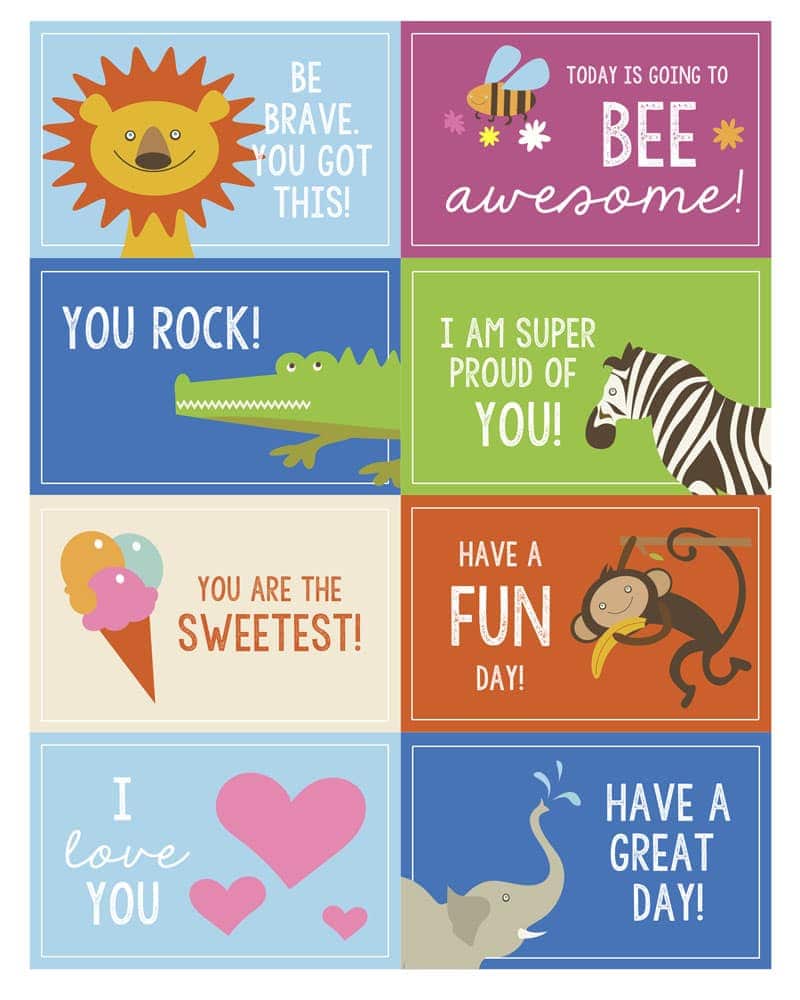
Bright colors catch a child’s eye immediately. Use colored pens or markers to write notes. Different colors can highlight words or draw shapes. Stickers add fun and texture to the note. Choose stars, hearts, or smiley faces for extra cheer. Simple drawings with colors make notes lively and personal.
Incorporating Favorite Characters
Kids love seeing their favorite characters in lunch notes. Draw or print pictures of cartoons or storybook heroes. Characters create a connection and make the note special. Use stickers or cutouts from magazines to decorate. A note featuring a beloved character can boost a child’s mood instantly.
Handmade Vs Printed Notes
Handmade notes feel warm and personal. They show effort and love through unique handwriting or drawings. Printed notes save time and can include neat fonts and images. Mixing both types keeps things fresh and interesting. Use handmade notes for special days and printed ones for daily encouragement.
Credit: lilluna.com
Timing And Frequency Tips
Finding the right timing and frequency for lunch box notes can make a big difference in how your child receives and remembers them. Too many notes might lessen their impact, while too few could mean missed chances to brighten your kindergartner’s day. Knowing when and how often to include these little messages helps keep them special and meaningful.
Daily Vs Occasional Notes
Sending a lunch box note every day creates a steady source of encouragement and connection. Your child will look forward to that small surprise, which can boost their confidence and mood consistently.
However, daily notes can become part of the background noise if they’re too routine. You might want to mix it up by writing on some days and skipping others. This way, the notes stay fresh and exciting.
Think about your schedule and your child’s personality. Would they appreciate a note every day, or does a note once or twice a week feel more special? Testing different frequencies can help you find what works best.
Special Occasion Messages
Special occasions offer perfect moments to add a meaningful note that stands out. Birthdays, holidays, or the first day of school can be highlighted with a unique message that celebrates the event.
These notes don’t have to be long—just a few heartfelt words can make your child feel loved and noticed on important days. You might also use them to acknowledge achievements like learning a new skill or making a new friend.
Have you ever noticed how a simple “Good luck on your test today!” note can ease your child’s nerves? Special messages like that show you’re paying attention and cheering them on, which builds trust and motivation.
Involving Kids In Note Making
Getting your kindergarten child involved in making lunch box notes can turn a simple message into a cherished moment of creativity and connection. It helps boost their confidence and makes lunchtime more special. Plus, it’s a fun way to practice writing and express feelings.
Encouraging Self-notes
Invite your child to write their own little notes sometimes. Even if their spelling isn’t perfect, the effort counts more than the accuracy.
Provide simple prompts like “I like…” or “Today I feel…” to guide them. This makes the task less intimidating and more enjoyable.
You might be surprised how proud they feel carrying their own words to school. Isn’t it amazing how this small act can build independence?
Collaborative Note Creation
Work together on some notes to strengthen your bond. You can start by writing the note and letting your child decorate or add drawings.
Ask questions like “What should we tell your teacher?” or “What do you want to say to your friend?” This encourages meaningful participation.
Mixing your ideas with theirs makes the notes feel more personal and fun. How does your child react when they see their ideas come to life?

Credit: www.amazon.ca
Overcoming Common Challenges
Writing lunch box notes for kindergarten can bring joy to your child’s day. Yet, some common challenges may arise. These can make the process feel tricky or time-consuming. Overcoming these challenges helps keep the notes fun and meaningful. Here are some tips to handle common obstacles easily.
Finding Time To Write
Busy mornings leave little time for extra tasks. Simple notes work best in tight schedules. Keep a list of short messages ready. Write several notes at once during free moments. Use sticky notes or small cards for quick writing. Even a few kind words brighten your child’s day. Consistency beats length or complexity.
Keeping Notes Age-appropriate
Kindergarten kids understand simple words and ideas. Use clear, easy phrases they can grasp quickly. Avoid long sentences or difficult words. Add drawings or smiley faces to make notes fun. Focus on feelings like love, courage, and friendship. Ask teachers for ideas about what kids enjoy. Age-appropriate notes help children feel supported and happy.
Maintaining Variety
Repeating the same message can feel boring. Change themes often to keep interest alive. Try these ideas:
- Short jokes or riddles
- Encouraging quotes
- Simple questions to spark curiosity
- Positive affirmations
- Seasonal or holiday greetings
Mix different types of notes to surprise your child daily. Variety keeps the lunch box notes exciting and special.

Credit: www.teacherspayteachers.com
Frequently Asked Questions
What Are Lunch Box Notes For Kindergarten?
Lunch box notes are small, encouraging messages parents write for kids. They boost confidence and make lunchtime fun. These notes help build a positive school experience for young children.
Why Should I Include Lunch Box Notes Daily?
Daily lunch box notes create a loving routine. They reassure children and motivate them throughout the school day. Consistent notes strengthen parent-child bonds and encourage positive behavior.
What Are Some Easy Lunch Box Note Ideas?
Simple notes like “You are loved,” “Have fun today,” or “Be kind” work well. Use colorful paper, stickers, or drawings to make them exciting. Keep messages positive and age-appropriate.
How Can Lunch Box Notes Benefit My Child’s Development?
Lunch box notes improve emotional security and self-esteem. They encourage reading and communication skills. These small gestures foster a sense of belonging and support in young learners.
Conclusion
Lunch box notes bring smiles and warmth to young hearts. Small messages show care and support every day. Kids feel special and loved during lunchtime. These notes build positive feelings and confidence. Simple words can brighten a child’s school day.
Try adding kind notes to your child’s lunch. It creates a happy routine both will enjoy. A little effort makes a big difference. Keep notes short, sweet, and full of love. This simple habit helps children feel safe and happy.
Give it a try and watch the joy grow.

Sophia Martinez is a culinary lifestyle writer and product reviewer for DiningGadgets.com. Passionate about blending style with functionality, she explores the latest dining essentials, kitchen décor, and cleaning hacks that transform everyday cooking spaces. With a background in home organization and design, Sophia brings readers expert advice on creating beautiful, practical kitchens that truly feel like the heart of the home.