

Have you ever opened your lunch box only to find your meal cold and less appetizing? Keeping your lunch warm isn’t just about comfort—it can make your food taste better and keep you energized throughout the day.
Imagine enjoying a hot, satisfying meal no matter where you are. You’ll discover simple, effective ways to keep your lunch warm until it’s time to eat. Ready to transform your lunchtime experience? Let’s dive in!
Choosing The Right Lunch Box
Choosing the right lunch box plays a big role in keeping your meal warm. The right container holds heat and stops cold air from entering. It also fits your food size and type well. Picking a lunch box that matches your needs makes warm lunches easy and tasty.
Insulated Lunch Boxes
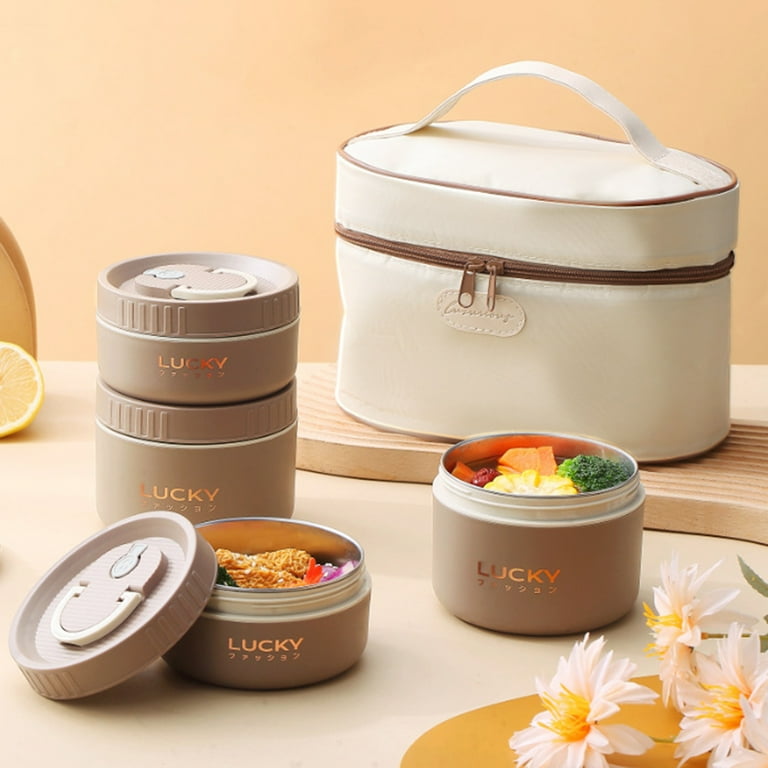
Insulated lunch boxes have thick layers that trap heat inside. They use foam or other materials to block cold air. These lunch boxes keep food warm for hours without reheating. Many come with separate compartments to keep food fresh and warm. They are light and easy to carry every day.
Thermal Containers
Thermal containers are often made of stainless steel. They have vacuum layers that stop heat loss. These containers hold soups, stews, and hot drinks very well. They seal tightly to avoid spills and keep heat inside. Thermal containers are perfect for hot meals on the go.
Material Matters
The material of the lunch box affects how long food stays warm. Stainless steel keeps heat longer than plastic. Plastic boxes are lighter but may not keep food hot for long. Glass containers can hold heat but are heavier and fragile. Choose a material that fits your lifestyle and lunch needs.
Credit: www.bluestonelandscape.ca
Preheating Techniques
Keeping your lunch warm in a lunch box can be a challenge, but preheating your container is a simple trick that makes a big difference. Preheating ensures the food stays hot longer and tastes better when you’re ready to eat. Here are some practical preheating techniques you can try at home or on the go.
Warm Water Method
Fill your lunch box with hot water and let it sit for a few minutes. This warms up the interior before you add your food, creating a cozy environment that helps maintain heat.
After warming, pour out the water and immediately add your hot meal. This quick step can extend your food’s warmth by up to an hour.
Microwave Preparation
If your lunch box is microwave-safe, warming it up in the microwave before packing is a fast and easy way to preheat. Heat the empty container for about 30 seconds to a minute, depending on its size.
Be careful when handling the hot container—use a cloth or oven mitt. This method works especially well for plastic or silicone lunch boxes designed for microwave use.
Heat Packs
Heat packs are reusable and portable, making them perfect for keeping lunch warm throughout the day. Activate the pack by heating it in boiling water or the microwave, then place it under or beside your lunch box.
You can even wrap the heat pack in a cloth to avoid direct contact with your food container. This technique is great for long days when you need your meal to stay warm for hours.
Packing Tips For Heat Retention
Keeping your lunch warm requires more than just a good insulated lunch box. How you pack your food plays a huge role in heat retention. Small changes in packing can make a big difference in how warm your meal stays until lunchtime.
Layering Foods
Think about how you place your food inside the lunch box. Put the hottest items at the bottom since heat rises naturally. Layer denser foods like rice or pasta underneath lighter, less dense items like vegetables or salads.
This layering technique helps trap heat close to the warmest foods, keeping the overall temperature higher. Have you noticed how your lunch feels warmer when you pack a thick stew under a sandwich? That’s layering at work.
Sealing And Wrapping
Wrapping food tightly slows heat escape. Use foil, beeswax wraps, or cling film to cover hot dishes. Wrap each item individually before placing it in the lunch box.
Sealing containers with tight lids also prevents heat from leaking out. If you have a thermos, pre-warm it with hot water to keep your food warmer longer. Have you tried wrapping your food right after cooking to lock in steam?
Avoiding Air Gaps
Air gaps inside your lunch box let heat escape quickly. Fill empty spaces with napkins or small containers to reduce air pockets. This simple trick stops heat from circulating away from your food.
Imagine a lunch box packed with lots of empty space versus one packed snugly—your food will stay noticeably warmer in the latter. What small fillers do you have at hand to fill gaps and keep your lunch cozy?
Using Heat Retaining Accessories
Keeping your lunch warm throughout the day can be a challenge, especially if you’re out and about for hours. Using heat retaining accessories can make a big difference by maintaining the temperature of your food without reheating. These tools are designed to trap heat and keep your meals enjoyable, no matter where you are.
Hot Packs And Gel Packs
Hot packs and gel packs are simple yet effective options to keep your lunch warm. You heat them up in hot water or a microwave, then place them inside your lunch box. The warmth they release slowly transfers to your food, making sure it stays cozy for hours.
One time, I forgot my hot pack and noticed how quickly my soup turned lukewarm. Since then, I always pack a gel pack, especially during cold days. They’re lightweight and easy to reuse, which makes them perfect for daily use.
Thermal Bags
Thermal bags are insulated lunch bags designed to trap heat inside. They usually have thick lining made from materials like foam or aluminum, which reflect heat back to your food. Simply placing your hot meal inside a thermal bag can keep it warm until lunchtime.
Think about the last time you carried a sandwich wrapped in foil versus placing it in a thermal bag. The difference in temperature at midday is noticeable. Thermal bags also come in various sizes, fitting anything from a small snack to a full meal.
Heating Pads
Heating pads are a modern twist for keeping lunch warm. Some are electric and can be plugged in or powered by batteries, providing constant heat throughout the day. Others are microwavable pads that store heat for extended periods.
Using a heating pad inside your lunch box can turn it into a mini food warmer. This is especially handy if you want to enjoy hot meals without relying on a microwave at work or school. Have you ever tried warming your lunch this way to avoid cold food?
Best Foods For Staying Warm
Choosing the right foods helps keep your lunch warm longer in a lunch box. Warm meals hold heat better and stay tasty. Some foods keep their heat and flavor well. Others cool down fast and lose appeal. Picking the best foods can make your lunch more enjoyable.
Soups And Stews
Soups and stews hold heat very well. Their liquid content keeps warmth inside. Thick stews trap heat longer than thin soups. They are easy to pack in insulated containers. Warm soups provide comfort and energy during lunch. Avoid watery soups that cool too quickly.
Rice And Pasta Dishes
Rice and pasta absorb heat and release it slowly. They keep warm for a good time in lunch boxes. Mix rice or pasta with sauce or vegetables. This helps lock in warmth and flavor. Avoid dry rice or pasta, as they cool faster. Meals like risotto or macaroni with sauce work best.
Avoiding Cold-sensitive Items
Cold-sensitive foods lose heat quickly. Fresh salads, fruits, and raw vegetables cool fast. They do not keep lunch warm. Avoid packing these if warmth is important. Choose cooked and dense foods instead. This keeps your lunch warm and tasty longer.
Maintaining Safety And Hygiene
Keeping lunch warm in a lunch box means more than just heat. Safety and hygiene must be a priority. Warm food can grow bacteria if not handled well. This can cause illness and spoil the meal. Following simple safety steps helps keep food fresh and safe to eat.
Proper Food Storage
Store food in clean, airtight containers to avoid contamination. Choose containers that keep heat well, like insulated or thermal lunch boxes. Pack food while it is still hot to maintain warmth longer. Separate wet and dry foods to prevent sogginess and bacteria growth. Use ice packs or heat packs as needed to keep the right temperature.
Temperature Guidelines
Keep hot food above 140°F (60°C) to stop bacteria from growing. Cold foods should stay below 40°F (4°C) to stay safe. Use a food thermometer to check temperatures if possible. Do not leave food out at room temperature for more than two hours. Reheat food properly before eating if it has cooled down too much.
Cleaning Lunch Boxes
Wash lunch boxes and containers after each use with hot, soapy water. Clean all parts, including lids and seals, to remove food residue. Dry completely before storing to prevent mold and bacteria. Use a mild disinfectant or vinegar solution for extra cleanliness. Replace old or cracked containers to keep food safe and fresh.
Innovative Lunch Box Features
Innovations in lunch boxes make keeping food warm easier and more convenient. New designs use smart technology and clever materials. These features help maintain the right temperature for hours. They fit different lifestyles, from office workers to students.
Electric Lunch Boxes
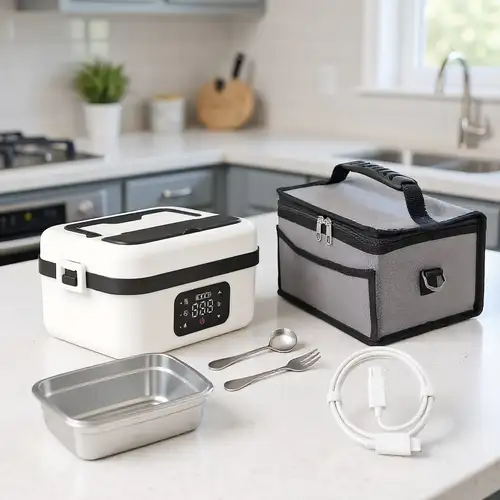
Electric lunch boxes have built-in heating elements. They plug into power sources like car adapters or USB ports. Users can heat their meals without a microwave. The temperature is adjustable for different foods. These lunch boxes are portable and easy to use. They save time and keep food fresh and warm.
Self-heating Containers
Self-heating containers use chemical reactions to warm food. They activate with water or air, no electricity needed. These containers heat meals quickly and safely. Ideal for outdoor activities or places without power. They are sealed to keep food hot for hours. These containers offer great convenience and flexibility.
Smart Lunch Boxes
Smart lunch boxes connect to apps on smartphones. They monitor and control temperature remotely. Some models track meal freshness and send alerts. Many have rechargeable batteries for on-the-go heating. These lunch boxes combine technology and practicality. Perfect for those who want control and convenience.
Credit: www.temu.com

Credit: www.amazon.ca
Frequently Asked Questions
How Can I Keep My Lunch Warm In A Lunch Box?
Use an insulated lunch box to retain heat effectively. Preheat the container with hot water before packing. Wrap food in foil or use heat packs for extra warmth.
What Materials Are Best For A Warm Lunch Box?
Stainless steel and insulated plastic are excellent choices. They maintain temperature longer and are durable. Avoid thin plastic containers that lose heat quickly.
Can I Use Heat Packs To Keep Lunch Warm?
Yes, heat packs are safe and effective. Place them inside the lunch box under the food container. They provide steady warmth for several hours.
How Long Will Food Stay Warm In An Insulated Lunch Box?
Food can stay warm for 3 to 5 hours. This depends on the insulation quality and initial food temperature. Using heat packs can extend this duration.
Conclusion
Keeping your lunch warm in a lunch box is simple with the right steps. Use insulated containers and pack food while hot. Wrap meals tightly to keep heat inside. Store your lunch box in a warm place if possible. These small tips help enjoy warm food anytime.
A warm lunch makes your day better and more enjoyable. Try these easy ideas for a cozy meal on the go. Warm meals bring comfort, no matter where you eat.
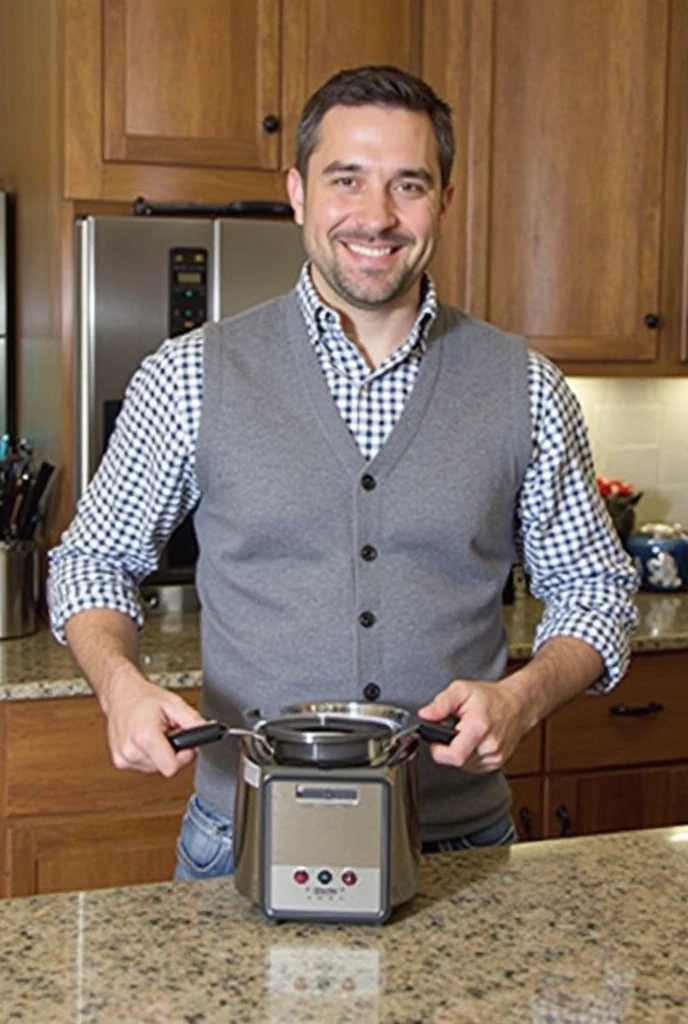
Ethan Cole is a kitchen innovation enthusiast and food technology writer at DiningGadgets.com. With over 8 years of experience reviewing cookware, smart kitchen tools, and design trends, he helps readers discover gadgets that make cooking easier and dining more enjoyable. When he’s not testing the latest kitchen appliances, Ethan enjoys experimenting with recipes and sharing practical tips for modern homes.