

Imagine savoring a glass of your own homemade wine, a rich blend of flavors crafted by your hands. The idea is enticing, isn’t it?
But before you start crushing grapes, a pressing question demands your attention: Is making wine illegal? This seemingly simple query can lead to a web of legal intricacies that might surprise you. Your curiosity about crafting your own vino could unlock a world of opportunities—or potential pitfalls.
Understanding the legal landscape is crucial if you want to indulge in this ancient art without a hitch. Stay with us as we unravel the truths and myths surrounding home winemaking, ensuring you’re well-informed before you embark on this flavorful adventure.

Credit: www.newindianexpress.com
Legal Status Of Home Winemaking
Home winemaking has a complex legal status worldwide. The rules can be confusing for hobbyists. Understanding the laws helps avoid trouble with authorities.
Many people enjoy making wine at home. The legality depends on where they live. Some places allow it freely. Others require strict rules or forbid it.
Laws Vary By Country
Each country sets its own rules for home winemaking. Some nations permit small-scale production without restrictions. Others ban it completely. Some allow it with limits on quantity or use. Differences reflect cultural and legal attitudes toward alcohol.
Federal Vs Local Regulations
In some countries, federal law controls home winemaking. States or provinces may add local rules. These local rules can be stricter or more lenient. Always check both levels before starting to make wine at home. Conflicts between federal and local laws can create confusion.
Licensing And Permits
Many places require licenses or permits for home winemaking. These may include:
- Limits on how much wine you can produce
- Registration with government agencies
- Compliance with safety and hygiene rules
Failing to get proper permits can lead to fines or legal action. Licenses help governments track alcohol production and ensure safety. Some countries offer simplified permits for hobbyists.
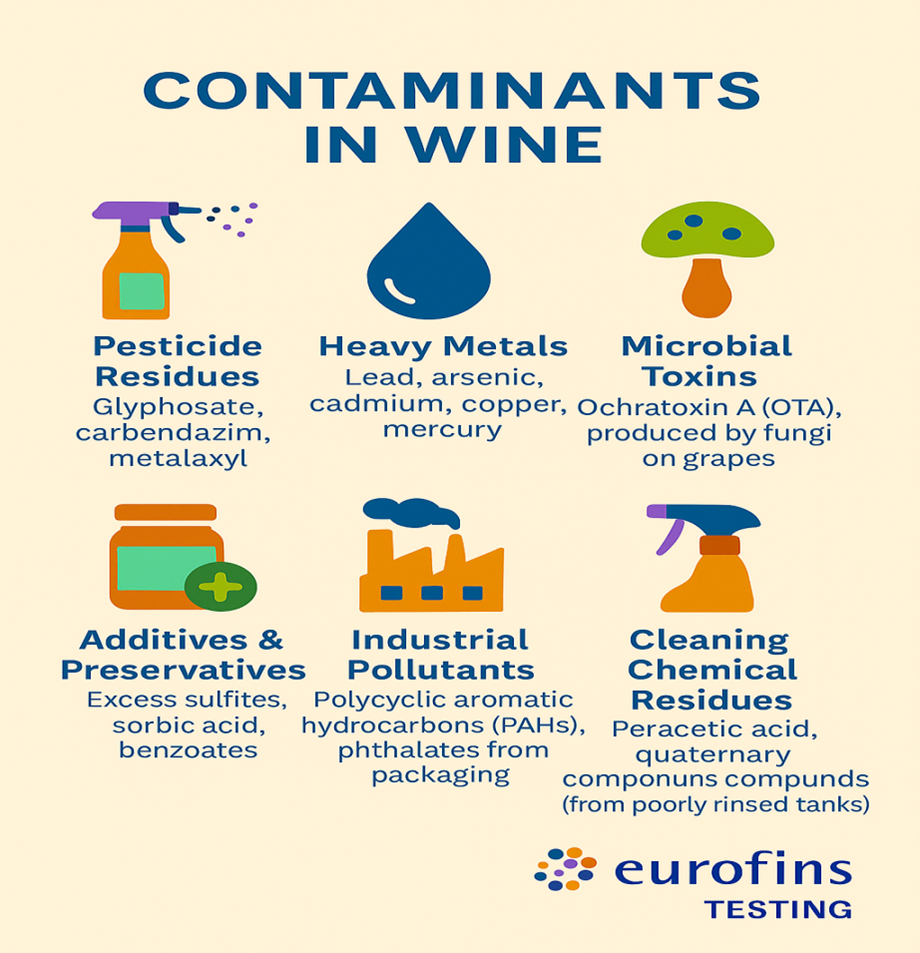
Credit: www.eurofins.in
Common Misconceptions About Wine Making
Many people have wrong ideas about making wine. These misunderstandings cause confusion about its legality and safety. Knowing the facts helps clear up these common myths.
Home Winemaking Vs Commercial Production
Making wine at home is different from commercial wine production. Home winemaking usually involves small batches for personal use. Commercial producers follow strict rules and sell large quantities. Laws often treat these two types differently. Home winemaking is legal in many places with limits on volume. Commercial production needs licenses and inspections. Confusing the two leads to false beliefs about legality.
Myths About Alcohol Content
Some believe homemade wine always has very high alcohol. This is not true. Alcohol level depends on sugar and yeast used. Home winemakers control fermentation to keep alcohol safe. Many wines have similar alcohol to store-bought brands. Myths say homemade wine is stronger or weaker without basis. Proper recipes result in balanced alcohol content.
Safety Concerns And Real Risks
People worry about health risks from home winemaking. Most risks come from poor hygiene or bad ingredients. Using clean tools and good fruit prevents problems. Toxic chemicals are rare in homemade wine. Commercial wine also has risks but follows safety rules. Educating home winemakers reduces dangers. Understanding real risks stops unnecessary fear.
Penalties For Illegal Wine Production
Making wine illegally carries serious penalties. Laws protect public health and regulate alcohol production. Breaking these laws can lead to heavy fines, legal trouble, and even jail time. Authorities monitor and enforce rules to stop illegal wine production.
Fines And Legal Consequences
People caught making wine illegally face steep fines. These fines vary by location but can reach thousands of dollars. Courts may also impose jail sentences for repeat offenders. Confiscation of equipment and wine is common. Legal records from these cases can affect future opportunities.
Cases Of Enforcement
Authorities often publicize cases to warn others. Small illegal wineries have been shut down after inspections. Some cases involve large operations producing wine without licenses. Penalties increase with the scale of the illegal activity. These cases show authorities take illegal production seriously.
How Authorities Detect Illegal Activity
Detecting illegal wine making involves several techniques. Authorities use tips from neighbors or competitors. Routine inspections check licensed wineries for compliance. Unusual purchases of grapes or equipment raise suspicion. Technology like drones and surveillance cameras helps locate hidden operations.
Exceptions And Legal Winemaking Practices
Not all winemaking is illegal. Many places allow exceptions for personal use or small groups. These rules help people enjoy winemaking without breaking the law. Understanding these exceptions is key for anyone interested in making wine at home or in clubs.
Small-scale Personal Use Allowances
Many countries allow individuals to make wine for their own use. This means no selling or sharing beyond close family. Limits on quantity often apply, like a few gallons per year. This practice keeps winemaking legal and simple for hobbyists.
Winemaking Clubs And Associations
Winemaking clubs offer a legal way to share and learn. Members can produce wine together under shared rules. These groups often follow local laws strictly. They provide education, resources, and community support for winemakers.
Selling Homemade Wine Legally
Selling homemade wine requires licenses and permits. Laws vary widely by country and state. Winemakers must meet safety and labeling standards. Many start by selling at farmers’ markets or small shops. Proper paperwork is essential to avoid legal trouble.
Tips For Staying Within The Law
Making wine at home can be a rewarding hobby, but it’s important to know the boundaries set by the law. Staying within legal limits protects you from fines or legal trouble and ensures your winemaking remains a fun and safe activity. Here are practical tips to help you navigate the legal landscape while enjoying your craft.
Researching Local Laws
Every region has its own rules about home winemaking. Some places allow it freely, while others require permits or have strict limits on the amount you can produce. Start by checking your city or state government website for clear guidelines.
Don’t rely on hearsay or outdated information. Laws can change, so verify the latest updates regularly. Have you ever assumed a rule only to find out later it was different? Avoid that by doing your homework.
Proper Documentation
Keeping records might seem tedious, but it can save you headaches if authorities ask questions. Document your winemaking process, ingredients, and quantities carefully. This shows you are transparent and following the rules.
If permits or licenses are required, apply for them promptly and keep copies handy. Having paperwork ready can speed up any inspections or clarify misunderstandings quickly. Think of documentation as your proof of responsible winemaking.
Safe And Responsible Winemaking
Your safety and the safety of others should always come first. Use clean equipment and store your wine properly to avoid contamination or spoilage. Improper handling can cause health risks and attract unwanted attention.
Limit production to what is legally allowed and avoid selling or distributing your wine without proper authorization. This helps you stay clear of legal complications. How do you ensure your winemaking stays both enjoyable and safe?

Credit: m.economictimes.com
Frequently Asked Questions
Is Making Wine Illegal In The United States?
Making wine at home for personal use is legal in most U. S. states. However, there are limits on quantity and distribution. Commercial wine production requires proper licenses and adherence to federal and state regulations.
What Laws Regulate Home Winemaking?
Home winemaking is regulated by the Alcohol and Tobacco Tax and Trade Bureau (TTB) and state laws. These laws limit production volume and prohibit selling homemade wine without a license. Always check local rules before making wine at home.
Can I Sell Homemade Wine Legally?
Selling homemade wine without a license is illegal in most countries. Commercial wine sales require permits and tax compliance. Home winemakers should follow legal channels to avoid penalties and ensure safe production standards.
Are There Penalties For Illegal Wine Production?
Yes, penalties for illegal wine production can include fines, confiscation, and criminal charges. Laws vary by location, so understanding local regulations is essential. Legal compliance protects your rights and prevents legal trouble.
Conclusion
Making wine at home is legal in many places but not all. Laws differ by country and state, so check local rules first. Small personal batches usually have fewer restrictions. Selling homemade wine often needs a license. Safety matters too—clean equipment and good hygiene help.
Enjoying wine responsibly is important. Knowing the law keeps you safe and legal. Home winemaking can be a fun hobby when done right. Always stay informed and follow your area’s guidelines.

Ethan Cole is a kitchen innovation enthusiast and food technology writer at DiningGadgets.com. With over 8 years of experience reviewing cookware, smart kitchen tools, and design trends, he helps readers discover gadgets that make cooking easier and dining more enjoyable. When he’s not testing the latest kitchen appliances, Ethan enjoys experimenting with recipes and sharing practical tips for modern homes.