

Many people wonder if all glassware is safe to use in a microwave. The microwave is a popular kitchen tool. It heats food quickly and easily. But not all dishes or containers are good to use inside it. Glassware looks strong and safe. But is it really safe for microwaves? This article will explain everything.
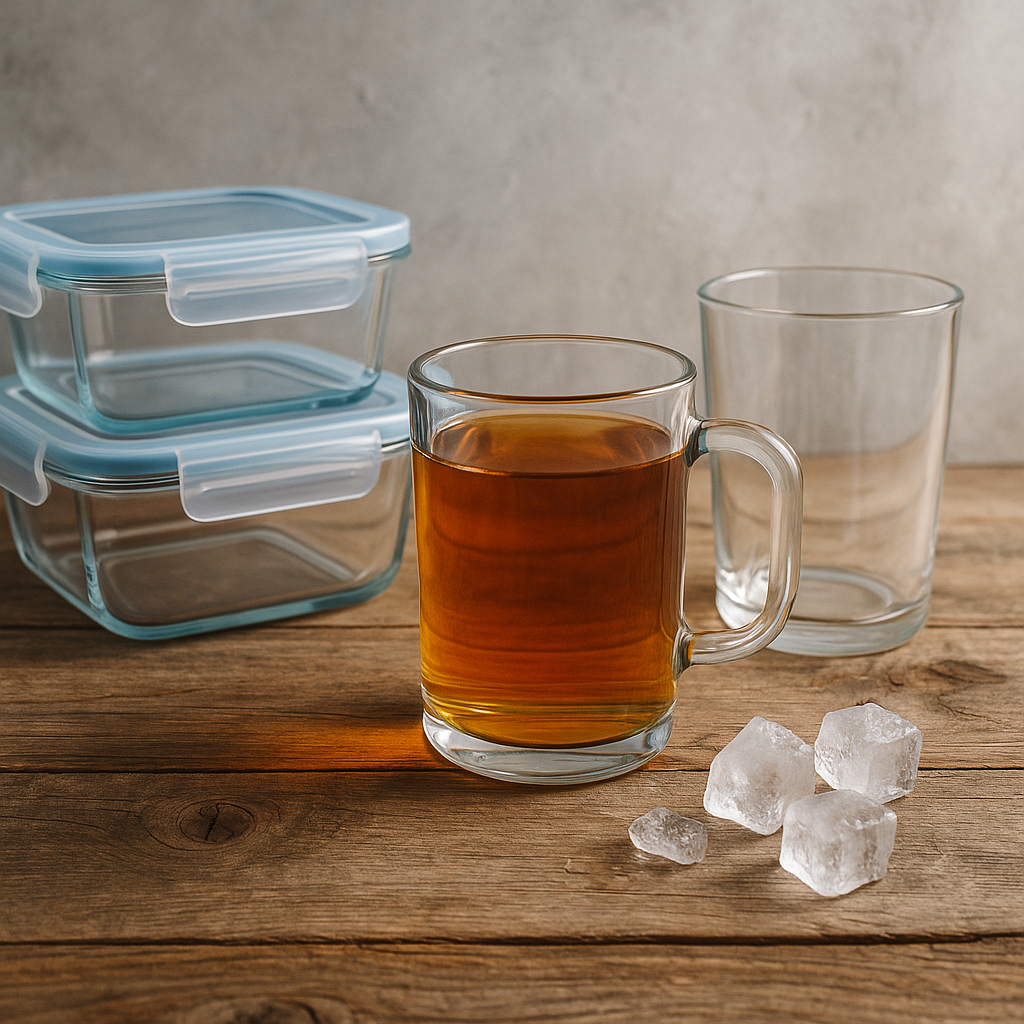
Credit: www.sisterlydrinkware.com
What Does Microwave Safe Mean?
When a container is microwave safe, it means you can put it in the microwave without problems. It will not break, melt, or release harmful chemicals. It will also not catch fire. Some materials are not microwave safe. Using them can cause damage to the container or microwave. It can also harm your food or your health.
Types of Glassware
Not all glass is the same. There are different types of glassware. Some can go in the microwave, some cannot. Here are the main types:
- Borosilicate glass: This glass is very strong and heat resistant. It can handle hot and cold well. It is usually safe for microwave use.
- Soda-lime glass: This is the most common glass type. It is used for bottles and jars. It may not be very heat resistant. So, it might crack in the microwave.
- Tempered glass: This glass is heat-treated to be strong. It can resist heat changes better. Usually safe for microwave, but check the label.
- Decorated or painted glass: Glass with paint or decorations may not be safe. Paint or metal decoration can cause sparks in the microwave.
Is All Glassware Microwave Safe?
The short answer is no. Not all glassware is safe in the microwave. Some glass can break or get very hot. Some types may have metal parts or paints. These can cause sparks or fires. Always check if the glassware says “microwave safe.”
How to Know If Your Glassware Is Microwave Safe?
Here are some simple ways to check:
- Look for a label or symbol on the glass. It might say “microwave safe.”
- If no label, try a simple test. Put the glass in the microwave with water inside. Heat for one minute.
- If the glass stays cool and water gets hot, it is safe.
- If the glass gets very hot or cracks, it is not safe.

Credit: razab.com
Why Can Some Glassware Break in the Microwave?
Glass can break because of heat changes. When glass heats unevenly, it can crack. This is called thermal shock. Thin or old glass is more likely to break. Glass with cracks or chips is unsafe. Also, if glass has metal parts, it can cause sparks.
What Happens If You Use Non-Microwave Safe Glass?
Using unsafe glass in the microwave can be dangerous. Here is what can happen:
- Glass can break: This can cause cuts or messes.
- Glass can shatter: Pieces can fly and hurt you.
- Paint or decorations can burn: This can create smoke or bad smells.
- Sparks can form: Metal parts cause sparks and fire risk.
- Food can get contaminated: Harmful chemicals may leak from painted glass.
Tips for Using Glassware in the Microwave
To stay safe, follow these tips:
- Always use glass labeled as microwave safe.
- Do not use glass with metal or paint in the microwave.
- Check glass for cracks or chips before use.
- Avoid sudden temperature changes to prevent breaking.
- Use microwave-safe lids or covers to avoid splashes.
- Do not microwave empty glass containers.
What Glassware Is Best for Microwave Use?
The best glassware for microwave use is borosilicate glass. It is strong and heat resistant. Brands like Pyrex use this glass. Tempered glass is also good if labeled microwave safe. Plain, clear glass without decorations is usually safe.
Can You Microwave Glass Cups or Mugs?
Many glass cups and mugs are microwave safe. But some have metal rims or decorations. These are not safe. Always check the bottom or packaging. If unsure, do the water test before use.
Difference Between Glass and Plastic in Microwave
Some people prefer plastic for microwaving. Plastic can melt or release chemicals if not microwave safe. Glass does not melt and is usually safer. But glass can break. So, both have pros and cons. Choose carefully based on the container.
How to Care for Microwave Safe Glassware
Take care of your glassware to keep it safe:
- Wash gently by hand or dishwasher.
- Avoid sudden hot and cold changes.
- Do not use damaged glassware.
- Store carefully to avoid chips.
Frequently Asked Questions
Is All Glassware Safe To Use In Microwaves?
No. Only microwave-safe glassware can go in the microwave. Check the label first.
How To Identify Microwave-safe Glassware?
Look for a microwave-safe symbol or label on the glassware’s bottom or packaging.
Can Regular Glassware Crack In The Microwave?
Yes. Regular glass can crack or shatter due to uneven heating or temperature change.
Why Do Some Glass Dishes Explode In Microwaves?
Glass can explode if it has cracks, metal parts, or is not microwave-safe.
Conclusion
Not all glassware is microwave safe. Some types can break or cause sparks. Always check the label or test the glass. Use plain, microwave-safe glass containers for heating food. Avoid glass with metal or decorations in the microwave. Follow safety tips to protect yourself and your kitchen. Glassware can be good for microwaving when used correctly.
Remember, safety comes first. When in doubt, use containers made for microwaves. This keeps your food safe and your glassware lasting longer.

Ethan Cole is a kitchen innovation enthusiast and food technology writer at DiningGadgets.com. With over 8 years of experience reviewing cookware, smart kitchen tools, and design trends, he helps readers discover gadgets that make cooking easier and dining more enjoyable. When he’s not testing the latest kitchen appliances, Ethan enjoys experimenting with recipes and sharing practical tips for modern homes.