

You rely on your lunch box every day to keep your meals fresh and tasty. But are you sure you’re cleaning it the right way?
Washing your lunch box properly is key to avoiding bad smells, stains, and harmful bacteria. If you want your lunch box to stay safe and last longer, you need simple and effective cleaning tips. Keep reading, and you’ll discover easy steps that fit into your busy routine and make your lunch box feel like new again.
Choosing The Right Cleaning Supplies
Choosing the right cleaning supplies makes washing your lunch box easier and more effective. The right products remove food stains and odors quickly. They also protect the material of your lunch box from damage. Using good cleaning supplies helps keep your lunch box safe and fresh for daily use.
Types Of Dish Soaps
Dish soaps vary in strength and ingredients. Some are made for heavy grease, while others are gentle on hands. Look for soaps labeled as safe for plastic or stainless steel. These work well on most lunch boxes. Avoid harsh soaps with strong chemicals that may harm the lunch box surface.
Using Natural Cleaners
Natural cleaners are safe and eco-friendly choices. Vinegar and baking soda work well to remove stains and smells. Mix baking soda with water to create a gentle scrubbing paste. Use vinegar to rinse and disinfect. These natural options avoid harsh chemicals and keep your lunch box fresh.
Essential Cleaning Tools
- Soft sponge or cloth for gentle scrubbing
- Small brush for corners and crevices
- Dish drying rack or clean towel
Soft tools prevent scratches on the lunch box surface. Brushes help clean tight spots effectively. Drying racks or towels ensure the lunch box dries fully to prevent mold growth.
Prepping The Lunch Box
Preparing your lunch box for washing is a key step to keep it clean and safe. Proper prep helps remove food scraps and avoids stains. It also makes washing easier and faster. Follow these simple steps to get your lunch box ready.
Emptying Leftover Food
Start by removing all leftover food from the lunch box. Check every corner to avoid crumbs. Use a spoon or spatula to scrape off stuck pieces. Dispose of the food properly to prevent bad smells.
Separating Components
Take apart all removable parts like lids, trays, and dividers. This helps clean every piece thoroughly. Separate any seals or rubber rings carefully. Washing parts separately avoids trapping food and bacteria.
Rinsing Before Washing
Rinse the lunch box and parts with warm water. This removes loose dirt and food particles. Use a gentle stream to avoid splashing. Rinsing prepares the surface for effective cleaning with soap or detergent.
Hand Washing Techniques
Hand washing lunch boxes keeps them clean and safe for food. This method helps protect delicate parts and extends the box’s life. Using simple tools and gentle care makes the process easy and effective.
Focus on removing food residue and stains with water and mild soap. Patience during cleaning ensures no spots are missed. Let’s explore key hand washing techniques for a spotless lunch box.
Soaking Tips
Fill a basin with warm water and mild soap. Place the lunch box parts inside to soak for 10 to 15 minutes. This loosens dried food and grease.
Do not soak for too long to avoid damage. Use warm water, not hot, to protect plastic and seals. Soaking helps reduce scrubbing effort later.
Scrubbing Safely
Use a soft sponge or cloth to scrub the lunch box gently. Avoid abrasive pads that can scratch surfaces. Focus on stained or greasy areas.
Apply mild dish soap directly on the sponge for better cleaning. Rinse the sponge often to remove trapped dirt. Be careful around painted or decorated areas.
Cleaning Hard-to-reach Areas
Use a small brush or an old toothbrush for corners and grooves. These spots collect crumbs and bacteria easily. Brush softly to avoid damage.
Remove seals and lids if possible for thorough cleaning. Dry all parts completely before reassembling. This prevents mold and unpleasant smells.

Credit: manuals.plus
Using A Dishwasher
Using a dishwasher to clean your lunch box can save time and ensure a thorough wash. However, not all lunch boxes handle dishwasher cleaning well. Understanding which materials work best and how to load your lunch box properly can make a big difference in the results.
Dishwasher-safe Materials
Before placing your lunch box in the dishwasher, check its material. Plastics labeled as dishwasher-safe, stainless steel, and silicone generally hold up well under dishwasher heat and detergent.
Lunch boxes made from materials like wood or certain types of plastic can warp or degrade. If you’re unsure, look for a dishwasher-safe symbol or consult the manufacturer’s instructions. This simple check can prevent damage and extend your lunch box’s life.
Loading Tips For Effective Cleaning
Place your lunch box parts in the dishwasher so water can reach all surfaces. Separate lids, compartments, and trays to avoid water pooling in corners. If your lunch box has small parts, use the dishwasher’s utensil basket to keep them secure.
Avoid overcrowding the dishwasher. When items are too close, water jets can’t clean properly. Try to position your lunch box pieces on the top rack, where the heat is gentler, especially for plastics.
Choosing The Right Cycle
Select a cycle that balances cleaning power and gentle handling. A normal or eco cycle usually works well for lunch boxes. Heavy-duty cycles might be too harsh and cause wear over time.
Consider the level of soiling. If your lunch box has stuck-on food, a pre-rinse or soak cycle before the main wash can help. Also, avoid high-heat drying unless your lunch box material specifies it’s safe, as this can cause warping.
Have you noticed your lunch box still feels greasy after a dishwasher cycle? Adjusting your loading or cycle choice might be the fix you need.
Drying And Storing Properly
Proper drying and storing of your lunch box keep it clean and safe for daily use. Moisture left inside can cause bacteria growth and bad smells. Drying and storing correctly help maintain freshness and extend the lunch box’s life.
Air Drying Methods
After washing, leave the lunch box open to dry naturally. Place it upside down on a clean rack or towel. Ensure good air flow around all parts. Avoid closing the lid until fully dry. Use a fan or open window to speed drying. Do not use a cloth to dry inside, as it can leave fibers behind.
Avoiding Mold And Odors
Moisture causes mold and odors in lunch boxes. Always dry all compartments well. Check corners and seals for trapped water. Clean your lunch box regularly to prevent smell buildup. Store with the lid off or slightly open. Use baking soda occasionally to absorb odors. Avoid leaving food inside for long periods.
Storage Tips To Maintain Freshness
- Store lunch boxes in a dry, cool place.
- Keep lids separate or loosely closed to allow air flow.
- Use airtight containers only if fully dry inside.
- Keep lunch boxes away from strong-smelling items.
- Regularly clean storage areas to avoid dust and pests.
- Replace old lunch boxes showing cracks or stains.
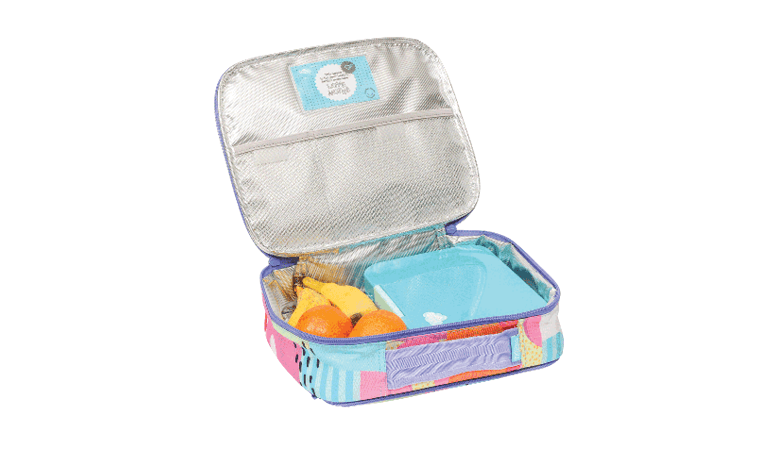
Credit: spencil.com.au
Regular Maintenance Tips
Keeping your lunch box clean is essential not just for hygiene but also to maintain its appearance and durability. Regular maintenance prevents buildup of stains and odors that can make your meals unappetizing. With simple habits, you can extend the life of your lunch box and enjoy fresh lunches every day.
Dealing With Stains And Odors
Stains and odors can stick around even after a quick rinse. To tackle stubborn stains, use a paste made of baking soda and water—apply it directly, let it sit for 15 minutes, then scrub gently. For lingering smells, soak the lunch box in a mixture of vinegar and water for about 30 minutes, then rinse thoroughly.
Have you noticed how some foods leave a strong odor that just won’t go away? Citrus juice, like lemon, can also help neutralize odors when wiped inside the container. Don’t forget to clean the lid and seals, as they often trap smells and residue.
Deep Cleaning Frequency
How often you deep clean your lunch box depends on how frequently you use it. If you pack fresh food daily, aim for a deep clean at least once a week. This means disassembling any removable parts and washing them separately with warm, soapy water.
Use a soft brush or toothbrush to reach tight corners and crevices. This extra effort removes hidden food particles and bacteria that regular washing might miss. Skipping deep cleaning can lead to buildup that spoils your food and damages your lunch box over time.
Replacing Worn Parts
Lunch boxes often come with seals, clips, or compartments that wear out. Check these parts regularly for cracks, tears, or warping. Damaged seals can cause leaks, and broken clips might not keep the lid secure.
Replacing these parts is easier and cheaper than buying a new lunch box. Many brands sell replacements, or you can find universal options online. Have you checked your lunch box parts lately? A small replacement might save you from a big mess later.

Credit: www.amazon.com
Frequently Asked Questions
How Often Should I Wash My Lunch Box?
You should wash your lunch box after every use. This prevents bacteria buildup and keeps food safe. Daily cleaning ensures freshness and hygiene, especially if you carry perishable items.
What Is The Best Way To Clean A Plastic Lunch Box?
Use warm soapy water and a soft sponge to clean plastic lunch boxes. Avoid abrasive scrubbers to prevent scratches. Rinse thoroughly and air dry to prevent moisture and odors.
Can I Wash My Lunch Box In The Dishwasher?
Most lunch boxes labeled dishwasher-safe can be washed in the dishwasher. Place them on the top rack to avoid heat damage. Check manufacturer instructions to ensure safety and longevity.
How Do I Remove Stubborn Stains From Lunch Boxes?
Make a paste with baking soda and water, apply to stains, and let sit 15 minutes. Scrub gently with a soft sponge, then rinse well. This method removes stains without harsh chemicals.
Conclusion
Washing your lunch box keeps it clean and safe to use. Use warm water and soap for best results. Scrub all corners to remove food bits. Rinse well to avoid soap taste. Dry it completely before storing to stop germs.
Clean lunch boxes help keep your food fresh. Make washing a simple part of your routine. This small step protects your health every day.
Ethan Cole is a kitchen innovation enthusiast and food technology writer at DiningGadgets.com. With over 8 years of experience reviewing cookware, smart kitchen tools, and design trends, he helps readers discover gadgets that make cooking easier and dining more enjoyable. When he’s not testing the latest kitchen appliances, Ethan enjoys experimenting with recipes and sharing practical tips for modern homes.