

Imagine this: it’s lunchtime, and instead of waiting in line for the office microwave or settling for a cold sandwich, you have a hot, delicious meal ready and waiting. How?
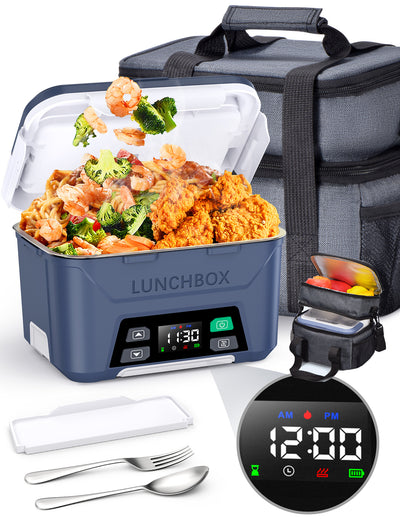
With an electric lunch box. This little gadget is a game-changer for anyone looking to enjoy a warm meal on the go. Whether you’re at work, school, or traveling, knowing how to use an electric lunch box can transform your dining experience.
You’ll discover the simple steps to make the most out of your electric lunch box, ensuring that every meal is not only convenient but also enjoyable. Ready to revolutionize your lunchtime routine? Let’s dive in and explore how you can make this handy device work wonders for you.
Choosing The Right Electric Lunch Box
Choosing the right electric lunch box can make your mealtime more enjoyable and hassle-free. It’s important to find one that fits your lifestyle and eating habits perfectly. Let’s look at the key factors that will help you pick the best option for your needs.
Size And Capacity
Think about how much food you usually eat or carry for lunch. Electric lunch boxes come in various sizes, from compact single-serving models to larger ones with multiple compartments.
If you like variety, a lunch box with separate sections for different dishes might suit you better. On the other hand, if you prefer simple meals, a smaller container could be more convenient and easier to clean.
Ask yourself: do you pack just a sandwich or a full meal with sides? This will guide you in choosing the right capacity without wasting space or food.
Material And Durability
The material of your electric lunch box affects both safety and how long it lasts. Stainless steel interiors are great for heat retention and easy cleaning, while BPA-free plastic options are lighter and often more affordable.
Consider durability too—if you carry your lunch box to work or school daily, you need something that won’t crack or leak. I once bought a cheap plastic lunch box that warped after a few uses, which made me appreciate investing in a sturdier model.
Check product reviews and look for features like spill-proof lids and sturdy construction to avoid daily frustrations.
Power Source Options
Electric lunch boxes typically use either plug-in power or rechargeable batteries. If you have access to a power outlet at work, a plug-in model might be ideal since it heats food quickly and reliably.
However, if you’re on the go or don’t want to depend on outlets, a rechargeable battery option offers greater flexibility. Some models even support USB charging, which can be handy if you carry a power bank.
Think about where and how often you’ll use your lunch box to pick the best power source that suits your routine.
Credit: www.xmpow.com
Preparing Your Meal
Preparing your meal for an electric lunch box takes a little thought. The goal is to enjoy a warm, tasty dish without any mess. Choosing the right foods and packing them correctly helps your meal heat evenly and stay fresh. Follow simple tips to make your lunch both delicious and convenient.
Best Foods For Electric Lunch Boxes
Foods that heat well are the best choice. Steamed vegetables, rice, pasta, and cooked meats work great. Avoid raw vegetables or foods that need frying. Soups and stews are also perfect because they keep moisture inside. Choose meals that are not too dry or too oily to prevent spills.
Meal Portioning Tips
Portion your food to fit the lunch box compartments. Use small containers or silicone cups for sauces and sides. Balance protein, carbs, and vegetables for a healthy meal. Keep portions moderate to avoid leftovers or waste. Proper portioning helps your lunch heat evenly and taste fresh.
Avoiding Overfilling
Do not pack your lunch box too full. Leave some space for steam to circulate. Overfilling can cause spills and uneven heating. Close the lid gently to prevent pressure build-up. Packing carefully keeps your meal safe and ready to enjoy.
Operating The Electric Lunch Box
Operating an electric lunch box is simple and convenient. It heats your food evenly and safely. Understanding how to use it properly ensures the best results. This section explains the key steps for smooth operation.
Plugging In And Heating Times
Start by placing your food inside the lunch box. Close the lid tightly to keep heat inside. Plug the electric lunch box into a power outlet. Use a compatible power source to avoid damage.
Heating times vary by food type and quantity. Small meals usually take 20 to 30 minutes. Larger portions may need 40 minutes or more. Check the food during heating for the right temperature.
Using The Temperature Controls
Most electric lunch boxes have simple temperature settings. Choose low, medium, or high heat depending on your food. Low heat is good for warming delicate items like soups. Medium and high settings work well for solid meals.
Adjust the temperature control knob or switch before plugging in. Avoid changing settings while heating to maintain safety. Follow the manufacturer’s instructions for best temperature use.
Safety Precautions
- Always use the lunch box on a flat, stable surface.
- Do not immerse the lunch box in water or any liquid.
- Unplug the device immediately after use to prevent accidents.
- Keep the power cord away from hot surfaces.
- Allow the lunch box to cool before cleaning or storing.
Following these safety steps protects both you and the device. Proper use extends the life of your electric lunch box.

Credit: bydash.com
Cleaning And Maintenance
Keeping your electric lunch box clean ensures it works well and lasts longer. Proper maintenance stops bad smells and keeps food safe. Follow these simple cleaning steps after each use.
Disassembling Components
Take apart all removable parts carefully. Remove the inner container, lid, and any trays. Separate the power cord from the main unit. Avoid pulling or twisting parts forcefully. Check the user manual for details on disassembly.
Washing Tips
- Wash all parts except the electrical base with warm, soapy water.
- Use a soft sponge or cloth to avoid scratches.
- Rinse thoroughly to remove soap residue.
- Wipe the heating plate with a damp cloth. Do not immerse it in water.
- Dry all components completely before reassembling or storing.
- Clean stubborn stains using a mixture of baking soda and water.
Storing Your Lunch Box
Store your lunch box in a dry, cool place. Keep it away from direct sunlight and moisture. Make sure all parts are dry before storing. Store components separately if possible to prevent damage. Wrap the power cord loosely to avoid bending or breaking.
Travel And Usage Tips
Traveling with an electric lunch box can change how you enjoy meals away from home. Knowing how to carry, use, and power it effectively makes your experience smoother and more enjoyable. Let’s look at practical tips that can help you make the most of your electric lunch box on the go.
Carrying And Transporting
Choose a sturdy insulated bag to protect your electric lunch box during travel. This helps keep food warm longer and prevents damage to the device. Avoid tossing it loosely into a backpack to reduce the risk of spills or cracks.
Make sure the lid is securely locked before moving. If your lunch box has detachable parts, pack them separately in a small pouch to avoid losing anything. A compact design is great, but always check the weight before you carry it for long distances.
Using On The Go
Find a flat surface to place your electric lunch box when heating your meal. Stability is key to avoiding spills or tipping over. If you’re in a car, use a cup holder or a non-slip mat to keep it steady.
Heating times can vary depending on the meal’s size and type. Start with shorter heating intervals and check your food to avoid overheating. Have you ever ended up with a soggy lunch? Adjusting the heating time can save you from that.
Power Alternatives
Your electric lunch box needs a power source, but what if you’re off the grid? Consider carrying a portable power bank with a suitable output for your lunch box. Some models work with car chargers, so keep a USB adapter in your glove compartment.
Solar chargers can be a handy backup when camping or hiking. They might not heat food as fast but can keep your device running longer. Planning your power options ahead lets you enjoy warm meals no matter where you are.

Credit: www.amazon.ca
Frequently Asked Questions
How Do I Use An Electric Lunch Box Safely?
Always read the user manual before use. Avoid overfilling the box with liquids. Ensure the lid is securely closed. Use the correct power source and avoid using damaged cords. Unplug after use and keep the box away from water to prevent electric shock.
Can I Reheat Frozen Food In An Electric Lunch Box?
Yes, you can reheat frozen food, but it takes longer. Defrost the food slightly for faster heating. Use the recommended heating time from the manual. Stir food halfway for even warming. Avoid overheating to prevent food drying out or burning.
How Long Does It Take To Heat Food In An Electric Lunch Box?
Heating time depends on food type and quantity. Typically, it takes 20 to 40 minutes. Denser or frozen foods require more time. Check the food periodically for desired warmth. Follow manufacturer guidelines for best results and safety.
Is An Electric Lunch Box Easy To Clean?
Yes, most electric lunch boxes have removable, dishwasher-safe containers. Wipe the heating base with a damp cloth only. Avoid immersing the electric parts in water. Clean after each use to prevent odors and bacteria buildup. Proper cleaning extends the product’s lifespan.
Conclusion
Using an electric lunch box makes meal times easy and quick. It heats food evenly and keeps it warm for hours. Just plug it in, wait a few minutes, and enjoy fresh meals anywhere. This tool fits well for work, school, or travel.
Simple to clean and carry, it saves time and effort daily. Try it for a convenient and warm meal experience. You’ll find it a helpful addition to your lunch routine.

Sophia Martinez is a culinary lifestyle writer and product reviewer for DiningGadgets.com. Passionate about blending style with functionality, she explores the latest dining essentials, kitchen décor, and cleaning hacks that transform everyday cooking spaces. With a background in home organization and design, Sophia brings readers expert advice on creating beautiful, practical kitchens that truly feel like the heart of the home.