

Do you have some flatware at home? Maybe forks, spoons, or knives that look old or shiny? You might wonder if they are made of silver. Silver flatware is special. It can be valuable and beautiful. But how do you know if your flatware is real silver or just silver-colored metal?
This guide will help you learn simple ways to tell if your flatware is silver. We will explain easy tests and signs. You do not need to be an expert. Just read carefully and try the steps yourself.
What Is Silver Flatware?
Silver flatware means forks, knives, and spoons made from real silver metal. Sometimes, flatware is made from other metals and only covered with a thin layer of silver. This is called silver-plated flatware. Real silver flatware is usually more expensive and lasts longer.
The most common type of silver used in flatware is called “sterling silver.” Sterling silver is 92.5% pure silver. The rest is other metals like copper. This mix makes the silver stronger.

Credit: www.reddit.com
Why Is It Important to Know?
Knowing if your flatware is silver is important for many reasons:
- You may want to sell it someday.
- Silver flatware can be worth a lot of money.
- Cleaning and care are different for silver.
- Real silver flatware can last many years.
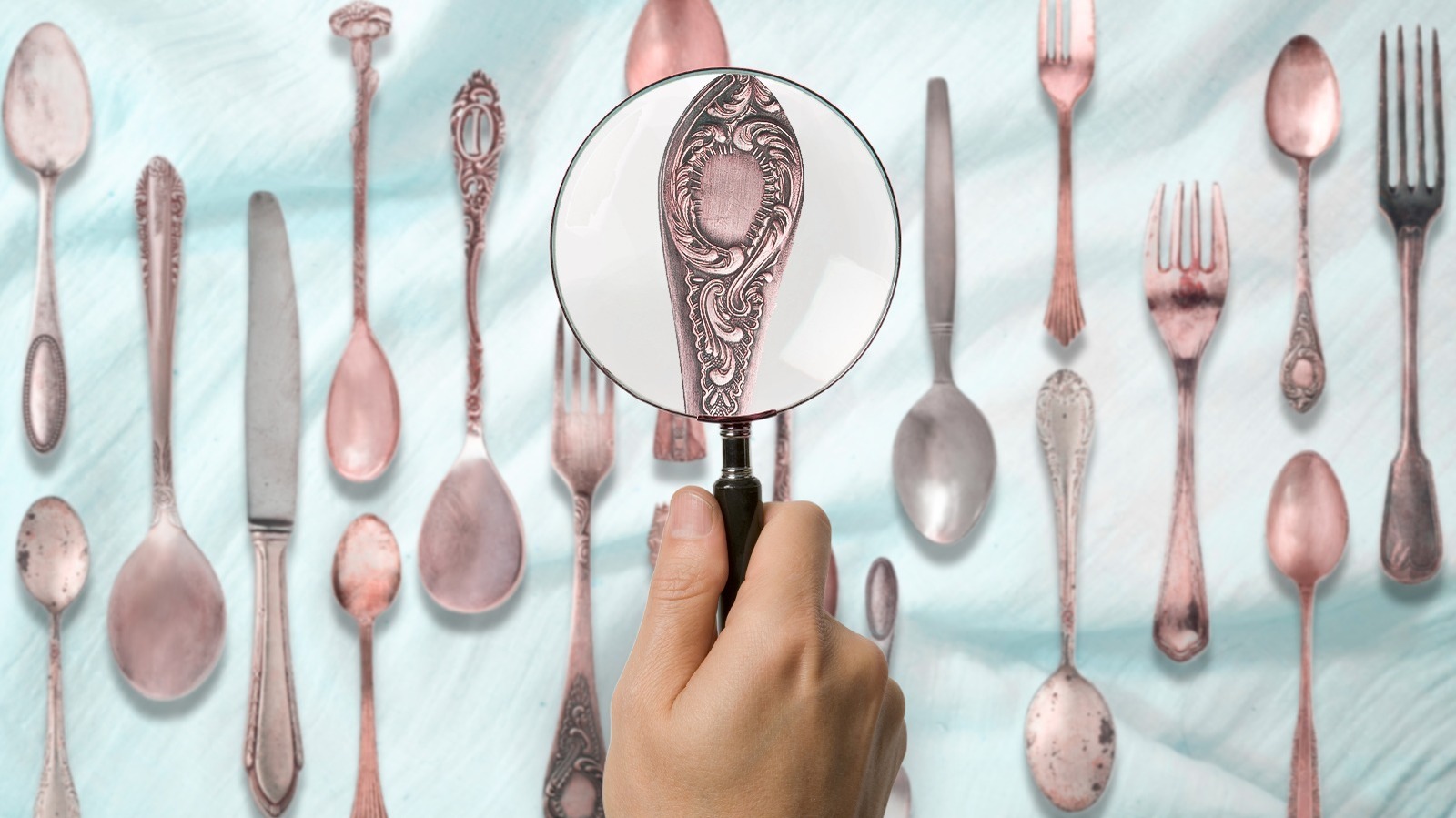
Credit: www.tastingtable.com
Look for Marks on the Flatware
One of the easiest ways to tell if flatware is silver is to look for marks. Most silver flatware has small stamps. These marks tell you what the flatware is made of.
Common marks include:
| Mark | Meaning |
|---|---|
| 925 | This means sterling silver. 92.5% pure silver. |
| Sterling | Another sign of real sterling silver. |
| EPNS | Electroplated Nickel Silver. Not real silver. Just silver-plated. |
| Silverplate | Flatware covered with silver, not solid silver. |
Look at the back or handle of the spoon, fork, or knife. Use a flashlight if you need to. If you find “925” or “Sterling,” your flatware is real silver.
Check the Color and Shine
Silver has a unique shine. It is bright but soft, not too shiny like plastic. It looks a little gray or white compared to other metals.
Real silver can tarnish. Tarnish is a dark, dull layer on the silver. It appears over time because silver reacts with air. Tarnish is normal for real silver. You can clean it with special silver polish.
If your flatware stays shiny without any dark spots, it may be stainless steel or silver-plated. But if it gets dark spots and you can clean them off, it may be real silver.
Feel the Weight of the Flatware
Silver is heavier than many other metals. If your flatware feels light, it may be made from cheaper metal. Real silver flatware feels solid and weighty in your hand.
Try holding a silver spoon and a stainless steel spoon. The silver one will usually feel heavier. This is a simple test to check the metal.
Try the Magnet Test
Silver is not magnetic. This means a magnet will not stick to real silver flatware. But many cheaper metals used in silver-plated flatware are magnetic.
Use a small magnet. Bring it close to your flatware. If the magnet sticks, the flatware is not real silver. If the magnet does not stick, it might be silver or another non-magnetic metal.
This test is easy but not perfect. Some non-silver metals are also not magnetic.
Perform a Simple Acid Test
This test is more advanced and should be done carefully. You can buy silver testing kits online. They come with special acid and instructions.
Here is how it works:
- Scratch a small hidden part of the flatware gently.
- Put a drop of the acid from the kit on the scratch.
- Watch the color change.
The acid color will tell you if the flatware is silver or not. Follow the kit instructions carefully. This test works well but can damage the flatware.
Look for Patterns and Designs
Real silver flatware often has detailed designs. Patterns may be on the handles or edges. These designs can be a sign of good quality silver.
Silver-plated flatware may have simpler designs or look less detailed. But this is not always true. Some silver-plated sets look very fancy too.
Listen to the Sound
Try tapping two pieces of flatware together. Real silver makes a soft, clear sound. It rings like a small bell.
Other metals make dull or quiet sounds. This test is not exact but can help you guess the metal type.
Ask an Expert
If you are still not sure, ask a jeweler or antique expert. They can test your flatware with special tools. They know how to tell real silver from fake.
Many antique shops or pawnshops offer free or low-cost testing.
Summary: Easy Steps to Check Silver Flatware
| Step | What to Do | What It Shows |
|---|---|---|
| 1 | Look for marks like “925” or “Sterling” | Real silver usually has these stamps |
| 2 | Check the color and shine | Silver shines softly and can tarnish |
| 3 | Feel the weight | Silver feels heavier than other metals |
| 4 | Try the magnet test | Silver is not magnetic |
| 5 | Consider acid testing | Shows silver purity but can damage flatware |
| 6 | Look at patterns and designs | Real silver often has fine details |
| 7 | Listen to the sound when tapped | Silver has a soft ringing sound |
| 8 | Ask an expert | Experts can give a clear answer |
How to Care for Silver Flatware
If you find out your flatware is silver, take good care of it. Silver can tarnish and lose shine if not cleaned.
Here are some tips:
- Clean silver flatware with a soft cloth after use.
- Use silver polish to remove tarnish.
- Do not put silver flatware in the dishwasher.
- Store silver flatware in a dry, cool place.
- Wrap flatware in cloth or special silver bags to prevent tarnish.
Good care helps your silver flatware stay beautiful for many years.
Frequently Asked Questions
How Can I Tell If Flatware Is Real Silver?
Look for hallmarks like “925” or “Sterling” stamped on the flatware’s back or handle.
What Does A Silver Flatware Hallmark Mean?
It shows the purity and authenticity of the silver used in the flatware.
Can A Magnet Test Check If Flatware Is Silver?
Yes, silver is not magnetic, so if a magnet sticks, it’s not real silver.
Why Does Silver Flatware Tarnish Over Time?
Silver reacts with sulfur in the air, causing a dark, tarnished layer on flatware.
Conclusion
Telling if flatware is silver is easier than you think. Look for marks first. Check the weight, color, and shine. Use a magnet to test. Consider an acid test if needed. Listen to sounds and examine designs. When unsure, ask an expert for help.
Silver flatware is special. Knowing what you have can save money and keep your items safe. Try these simple steps at home. Enjoy your flatware with confidence.

Ethan Cole is a kitchen innovation enthusiast and food technology writer at DiningGadgets.com. With over 8 years of experience reviewing cookware, smart kitchen tools, and design trends, he helps readers discover gadgets that make cooking easier and dining more enjoyable. When he’s not testing the latest kitchen appliances, Ethan enjoys experimenting with recipes and sharing practical tips for modern homes.