

Are you looking to refresh your kitchen space without the hefty price tag of a full renovation? Removing tiles from your kitchen wall can be a practical first step.
It might seem daunting, but with the right guidance, you can transform your kitchen in no time. Imagine the satisfaction of revealing a blank canvas, ready for your creative touch or a stunning new backsplash. You don’t need to be a DIY expert to achieve professional-looking results.
By following some straightforward steps, you can save money, time, and enjoy the rewarding experience of doing it yourself. Curious about how to get started? Let’s dive in and uncover the secrets to taking tiles off your kitchen wall with ease and confidence.
Tools Needed
Removing tiles from a kitchen wall requires the right tools to make the job easier and safer. Without proper equipment, you risk damaging your walls or injuring yourself. Let’s look at the essential tools you’ll need to get started and help you work efficiently.
Safety Gear
Your safety should be the top priority. Always wear safety goggles to protect your eyes from flying tile shards. Thick gloves will protect your hands from sharp edges and rough surfaces.
A dust mask is also critical. Tiles and grout create dust that can irritate your lungs, so breathing protection is a must. Consider knee pads if you’ll be working low to the wall for extended periods.
Hand Tools
Start with a sturdy putty knife or scraper. These help loosen grout and lift tiles gently. A hammer is useful for tapping the scraper under tiles, but use it carefully to avoid wall damage.
A chisel, especially a flat one, lets you pry tiles off without excessive force. If grout removal is tough, a grout saw or utility knife can help cut through the material. These hand tools give you control and precision.
Power Tools
Power tools speed up the process, but they require practice to avoid mistakes. An oscillating multi-tool with a grout removal blade is excellent for cutting grout quickly and cleanly. This reduces the risk of damaging tiles you want to save or the wall beneath.
A rotary hammer with a chisel attachment can remove tiles fast, especially if they’re firmly stuck. However, it’s easy to damage drywall or plaster if you’re not careful. Always test power tools on a small area first to gauge their impact.
Preparing The Area
Preparing the area before removing kitchen wall tiles is essential. It helps keep the space safe and clean. Taking time to set up properly saves effort later. This process involves clearing, protecting, and shutting off utilities.
Clearing The Workspace
Remove all items from the countertop and nearby shelves. Move furniture and appliances away from the wall. Clear the floor space to avoid tripping hazards. A tidy area makes tile removal easier and safer.
Protecting Surfaces
Cover countertops, cabinets, and floors with drop cloths or plastic sheets. Use painter’s tape to secure coverings and prevent dust from spreading. Protect nearby appliances and fixtures from falling debris. Proper protection keeps your kitchen clean and damage-free.
Turning Off Power And Water
Switch off the power supply to the kitchen at the circuit breaker. Unplug any electrical appliances near the work area. Shut off the water supply to avoid leaks or spills. These steps prevent accidents and ensure a safe working environment.
Removing Grout
Removing grout is an important step before taking tiles off a kitchen wall. Grout holds tiles firmly in place and needs to be cleared carefully. This prevents damage to the tiles and the wall underneath. Removing grout also makes tile removal easier and safer.
Manual Grout Removal
Manual grout removal uses simple hand tools like grout saws or utility knives. These tools help scrape out grout from between tiles. Work slowly and gently to avoid scratching the tiles.
- Wear gloves to protect your hands.
- Hold the tool at an angle to the grout line.
- Use steady, short strokes to chip away grout.
- Clear loose grout often to see progress.
This method takes time but gives control and reduces tile damage risk.
Using A Grout Removal Tool
Grout removal tools powered by electricity speed up the process. These tools have small rotating blades or oscillating heads. They cut through grout quickly and cleanly.
- Choose the right blade size for your grout lines.
- Wear eye protection to guard against dust and debris.
- Start the tool gently and move it along grout lines.
- Keep the tool steady to avoid scratching tiles.
- Work in small sections for best results.
Powered grout removers save effort and finish faster than manual work.

Credit: www.create-enjoy.com
Loosening The Tiles
Loosening the tiles is a key part of removing them without damaging the wall. It requires patience and the right tools. The goal is to separate the tiles from the wall surface carefully. This process helps avoid breaking tiles into small pieces and keeps the wall intact for future use.
Starting At The Edges
Begin loosening tiles from the edges or corners. These areas are easier to pry open. Use a flat tool like a putty knife to gently lift the tile edges. Work slowly to create space between the tile and the wall.
Once a gap appears, you can insert a stronger tool to continue the loosening. Avoid forcing tiles, as this can crack them or damage the wall.
Using A Chisel And Hammer
A chisel and hammer are useful for tougher tiles. Place the chisel flat against the grout line or tile edge. Tap lightly with the hammer to push the tile loose. Keep tapping gently to avoid breaking tiles.
Hold the chisel at a low angle to protect the wall surface. Move along the tile edge bit by bit. This technique helps lift tiles cleanly and safely.
Applying Heat Or Solvent
Heat can soften adhesive under tiles. Use a heat gun or hairdryer on low heat. Focus heat on a small tile area for a few minutes. The warmth loosens glue, making tiles easier to remove.
Solvents like adhesive remover can also help. Apply solvent carefully on grout or tile edges. Let it sit to weaken the glue before prying tiles off. Always follow safety instructions when using chemicals.
Removing Tiles
Removing tiles from your kitchen wall can seem intimidating, but with the right approach, it becomes manageable and even satisfying. The key is to be patient and use the appropriate tools to avoid damaging the wall underneath. Let’s break down the process into clear steps that you can follow to make tile removal less of a headache.
Prying Tiles Off
Start by loosening the tiles carefully. Use a putty knife or a flat pry bar to gently wedge under the edge of a tile. If the grout is still intact, scoring it with a grout saw first will help prevent cracking adjacent tiles.
Work slowly and apply even pressure to avoid breaking tiles into sharp, hard-to-handle pieces. Have a bucket nearby to collect any debris as you go along.
Handling Stubborn Tiles
Some tiles won’t budge easily, especially if they were glued on strongly. In these cases, tap a hammer gently on the pry bar to increase leverage. If that doesn’t work, consider using a heat gun to soften the adhesive beneath the tile.
Wear gloves and eye protection because stubborn tiles can suddenly pop off or shatter. Ask yourself: is it worth risking damage to the wall, or better to take extra time softening the adhesive?
Cleaning Tile Residue
Once the tiles are off, you’ll likely see leftover adhesive or grout on the wall. Use a scraper or putty knife to remove as much as possible without gouging the surface. For stubborn spots, a mixture of warm water and vinegar can help loosen residue.
After scraping, wipe down the area with a damp cloth and let it dry completely before moving on to any new wall treatments. A clean surface ensures better adhesion if you plan to install new tiles or paint.

Credit: www.designcafe.com
Cleaning The Wall
After removing tiles from your kitchen wall, the surface often looks rough and uneven. Cleaning the wall thoroughly is essential before you move on to painting or installing new tiles. This process helps create a smooth, solid base and ensures your next project lasts longer.
Scraping Off Adhesive
Leftover adhesive can make your wall bumpy and difficult to work with. Use a putty knife or a scraper to gently remove these sticky patches. If the adhesive is stubborn, try softening it with a little warm water or a specialized adhesive remover.
Be patient and avoid gouging the wall. Scraping carefully preserves the wall’s surface and saves you from extra repair work later.
Sanding The Surface
Once the adhesive is gone, sanding is key to smoothing the wall. Use medium-grit sandpaper to even out any rough spots. This step also helps remove small adhesive residues that scraping missed.
Sanding creates a better surface for paint or new tiles to stick to. Wear a mask to avoid inhaling dust, and work in a well-ventilated area for comfort and safety.
Repairing Wall Damage
Removing tiles can sometimes cause cracks or holes in the wall. Check for any damaged areas and fill them with spackle or joint compound. Use a putty knife to spread the filler evenly and let it dry completely.
After drying, sand the repaired spots until smooth. Have you noticed any damage in your kitchen walls after tile removal? Fixing these imperfections now will save you from headaches down the line.
Disposal And Cleanup
After removing tiles from your kitchen wall, disposal and cleanup are crucial to keep your space safe and ready for the next steps. This part often gets overlooked, but handling debris properly can save you time and potential hazards. Let’s break down how to dispose of tiles safely, what cleaning tools you’ll need, and how to finish the cleanup effectively.
Disposing Of Tiles Safely
Tiles are heavy and can be sharp, so avoid tossing them into regular trash bags where they might cause injury. Use sturdy containers or heavy-duty garbage bags to collect tile pieces. If you have large amounts, consider renting a debris dumpster or checking if your local waste facility accepts construction materials.
Think about recycling options too—some tiles can be recycled or repurposed, which is better for the environment. Have you checked if nearby recycling centers accept ceramic or porcelain tiles? It’s worth a quick call before disposal.
Cleaning Tools
Gather a strong broom and dustpan to sweep up small tile shards and dust. A shop vacuum is even better for grabbing fine debris that can hide in corners. Don’t forget a pair of gloves to protect your hands from sharp edges during cleanup.
For stubborn grout residue, a scraper or putty knife works well. You might also need a sponge and bucket of warm water to wipe down the wall once all loose pieces are gone. Using the right tools makes cleanup faster and safer.
Final Workspace Cleanup
Once the tiles and dust are cleared, inspect the wall and floor carefully. Look for leftover nails, screws, or bits of adhesive that could cause injury or interfere with your next project. Wiping surfaces with a damp cloth helps remove lingering dust and prepares your wall for painting or new tiles.
Take a moment to air out the room and dispose of all waste properly. Do you notice any spots you missed? A quick re-check prevents surprises later on. Cleaning thoroughly now sets you up for a smooth kitchen makeover.
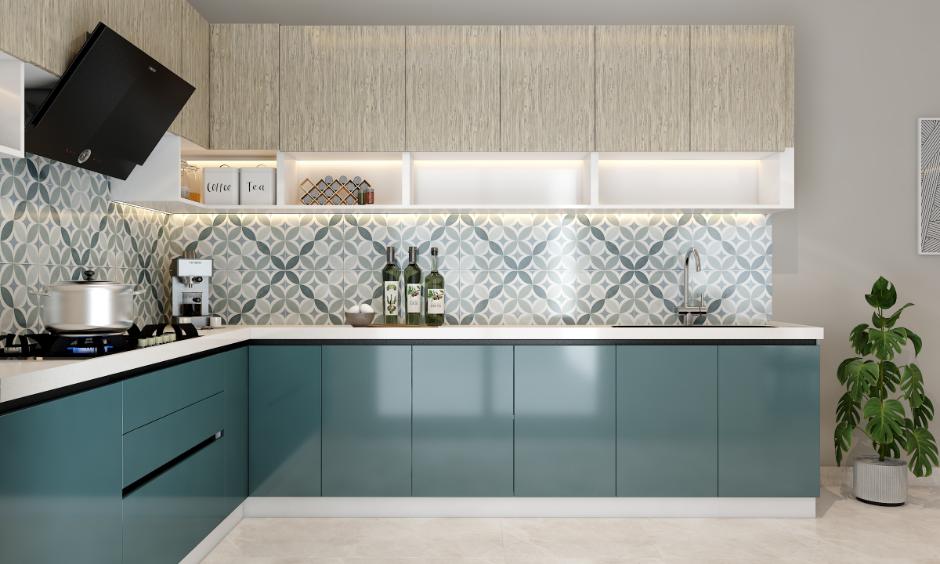
Credit: www.designcafe.com
Frequently Asked Questions
How Do I Remove Tiles Without Damaging The Wall?
Use a grout removal tool first to loosen tiles. Then gently pry tiles with a putty knife. Work slowly to avoid wall damage.
What Tools Are Needed To Take Off Kitchen Tiles?
You need a grout saw, putty knife, hammer, and safety goggles. These tools help remove tiles efficiently and safely.
Can I Reuse Tiles After Removal?
Yes, if tiles remain intact and undamaged. Clean them carefully to remove old adhesive before reusing.
How Long Does Tile Removal Usually Take?
Tile removal time varies by wall size and tile type. A small kitchen wall may take a few hours.
Conclusion
Removing tiles from a kitchen wall takes patience and care. Use the right tools and work slowly to avoid damage. Always protect yourself with gloves and goggles. Clean the wall well after tile removal for a smooth finish. This task can save money and update your kitchen look.
Take your time and follow each step carefully. Soon, you will have a fresh space ready for new tiles or paint. Simple effort brings great results.
