

Have you ever opened your child’s lunch box to find those once-crisp apple slices looking unappetizingly brown? It’s a common problem that can make even the freshest fruit seem unappealing.
But what if you could keep those apple slices looking as fresh and inviting as when you first cut them? Imagine the delight of seeing your child enjoy every bite, knowing their lunch is not only nutritious but also visually appealing.
You’ll discover simple yet effective methods to prevent apples from turning brown, ensuring they stay fresh and vibrant until lunchtime. Stick around to learn these easy techniques that can transform your daily lunch prep routine.
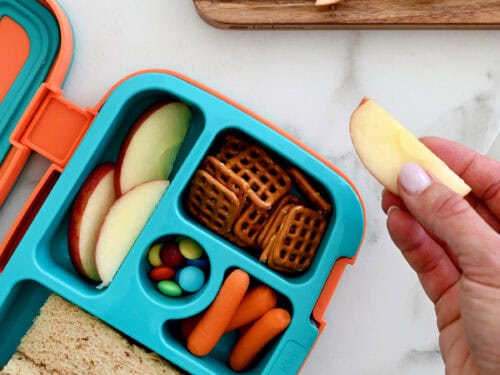
Credit: www.justataste.com
Causes Of Apple Browning
Apple browning happens because of a natural chemical reaction. When you cut an apple, its cells break open. This exposes certain substances inside the apple to the air. These substances react and change the apple’s color to brown. Understanding these causes helps prevent browning in lunch boxes.
Role Of Enzymes
Enzymes are proteins that speed up chemical reactions. In apples, an enzyme called polyphenol oxidase (PPO) is the main cause of browning. When an apple is cut, PPO reacts with phenolic compounds in the fruit. This reaction creates brown pigments on the apple’s surface.
Without PPO, browning would not happen quickly. The enzyme is active as soon as the apple’s skin is broken. Controlling this enzyme can slow down or stop the browning process.
Impact Of Oxygen Exposure
Oxygen plays a key role in apple browning. After cutting, the apple’s inner parts meet the air. Oxygen reacts with the PPO enzyme and the apple’s natural chemicals. This reaction forms the brown color on the apple.
Reducing oxygen contact slows browning. Wrapping the apple or using airtight containers limits air exposure. This simple step helps keep apples fresh and white longer in lunch boxes.
Choosing The Right Apple
Choosing the right apple plays a huge role in keeping your sliced fruit fresh and appealing in your lunch box. Some apples resist browning better due to their natural properties, while others might turn brown quickly no matter what you do. Understanding which apples work best and how their ripeness affects browning can help you enjoy crisp, fresh apple slices every day.
Best Apple Varieties For Lunch Boxes
Not all apples brown at the same speed. Some varieties are naturally slower to oxidize, which means they stay fresh-looking longer after being cut.
- Honeycrisp:Sweet and crisp, Honeycrisp apples hold their color well and offer a juicy crunch that kids love.
- Granny Smith:Their tartness and firm texture help reduce browning, making them a popular choice for packed lunches.
- Pink Lady:These apples are crisp and have a thicker skin, which slows down the browning process.
- Fuji:Fuji apples are sweet with dense flesh that resists browning better than many other types.
Have you noticed how some apples in your lunchbox stay bright while others quickly turn brown? Picking the right variety can make a difference without needing extra treatments.
Ripeness And Freshness Factors
The stage of ripeness affects how fast apple slices brown. Overripe apples contain more enzymes that speed up oxidation.
Freshly picked apples have less exposure to air and damage, so they tend to brown slower once cut. You want apples that are firm but ripe enough to taste sweet and juicy.
Try to avoid apples with bruises or soft spots; those areas brown very quickly once sliced. Next time you buy apples, press gently and choose ones that feel solid but not rock hard.
Simple Home Remedies
Simple home remedies can keep your cut apple fresh and crisp. These natural solutions slow down the browning process. They are easy, safe, and use items found in most kitchens. Try these quick tips to keep apples bright in a lunch box.
Lemon Juice And Citrus Solutions
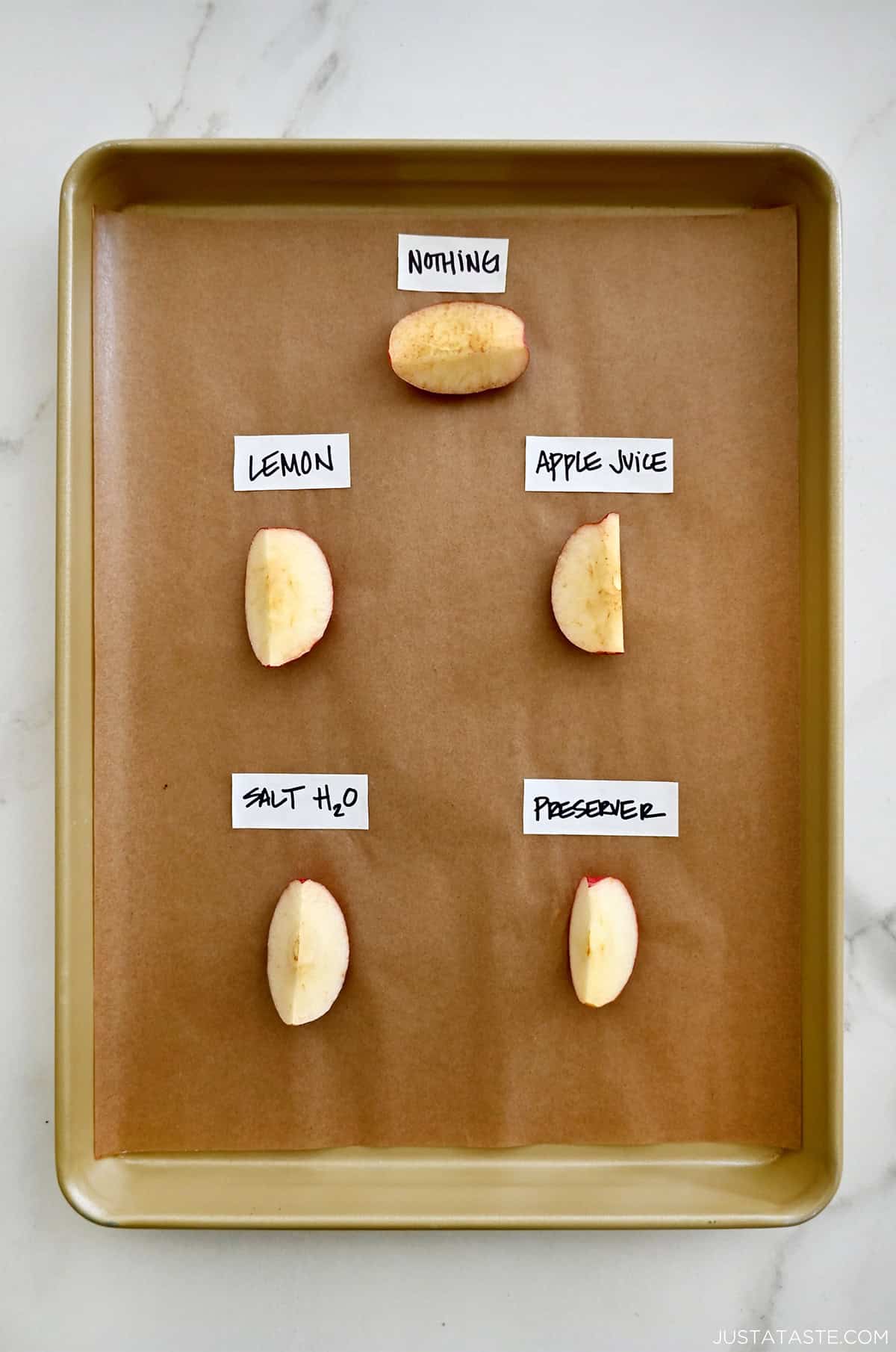
Lemon juice contains vitamin C, which stops apples from turning brown. Squeeze fresh lemon juice over the cut apple pieces. Make sure to coat all surfaces lightly. The acid in lemon juice slows oxidation, keeping the apple fresh longer. Orange or lime juice works well too.
Salt Water Soak
Salt water soak is a simple way to prevent browning. Mix half a teaspoon of salt in one cup of cold water. Soak apple slices for 3 to 5 minutes. Rinse quickly with fresh water to remove salt taste. This method slows down the enzyme that causes browning.
Honey Water Dip
Honey water dip is a gentle way to protect apples. Mix two tablespoons of honey with one cup of water. Soak apple slices for 30 seconds. Honey’s natural compounds stop the browning enzymes. This method also adds a slight sweetness to the apple.
Credit: www.justataste.com
Storage Tips To Keep Apples Fresh
Keeping your cut apple fresh and crisp in your lunch box can be a challenge, but smart storage choices make all the difference. How you store your apple slices directly affects how long they stay vibrant and tasty. Let’s look at practical tips that will help you enjoy fresh apples every day.
Using Airtight Containers
Airtight containers create a sealed environment that limits exposure to air, which causes browning. Choose containers that close tightly without gaps to keep oxygen out.
Consider containers made of BPA-free plastic or glass for durability and safety. Adding a small piece of damp paper towel inside can help maintain moisture without making the apple soggy.
Refrigeration Benefits
Apples last longer when kept cool. Refrigeration slows down the enzymatic processes that lead to browning and spoilage.
Place your airtight container in the fridge as soon as you pack your lunch. Even if you don’t have immediate access to a fridge, chilling your apple slices before packing them helps keep them fresh for hours.
Avoiding Cross-contamination
Keep apple slices separate from strong-smelling foods like onions or garlic. Apples easily absorb odors, which can affect their taste.
Use individual containers or compartments to prevent flavors from mixing. Also, make sure your utensils and cutting board are clean to avoid introducing unwanted bacteria that can speed up browning.
Creative Packing Ideas
Keeping your cut apple fresh and white in a lunch box can feel like a small battle. Creative packing ideas not only help prevent browning but also make your lunch visually appealing and enjoyable to eat. Let’s look at some practical ways to pack your apple slices so they stay crisp and inviting.
Wraps And Covers
Wrapping your apple slices tightly can slow down the browning process by limiting their exposure to air. Using plastic wrap or beeswax wraps creates a barrier that keeps the fruit fresh longer.
Another great option is to use silicone food covers or small airtight containers. These prevent air from reaching the apple, which helps maintain its color and crunch.
Have you tried wrapping apple slices with a little lemon juice on the surface before sealing? It’s a simple trick that adds a protective layer and a zesty flavor twist.
Combining With Other Fruits
Pairing apple slices with fruits that contain natural antioxidants can help reduce browning. For example, placing grapes or berries next to apple pieces in your lunch box can make a tasty and visually appealing combination.
Adding a few slices of citrus fruits like oranges or strawberries can also help. Their natural acids slow down oxidation and keep the apple looking fresh longer.
Have you noticed how mixing textures and flavors not only keeps your apple fresh but also makes your snack more exciting? Try experimenting with different fruit combos to find your favorite mix.
Tools And Products That Help
Keeping apple slices fresh and white in a lunch box needs the right tools and products. These items slow down the browning process and keep apples looking tasty for hours. Using the right tools can save time and reduce waste. Simple products can make a big difference in apple freshness.
Specialized Apple Slicers
Specialized apple slicers cut apples evenly and quickly. They reduce the apple’s exposure to air by slicing and coring in one go. These slicers create uniform pieces that stay fresh longer. Some slicers come with covers to protect slices from air. They are easy to use and clean, perfect for preparing lunch boxes fast.
Anti-browning Sprays
Anti-browning sprays coat apple slices with a thin protective layer. These sprays block oxygen, which causes browning. They often contain natural ingredients like lemon or vitamin C. Sprays are simple to apply and safe to eat. Using these sprays keeps apples fresh and appealing for school or work lunch boxes.

Credit: www.thecoolfoodschool.ie
Frequently Asked Questions
Why Do Cut Apples Turn Brown In Lunch Boxes?
Cut apples turn brown due to oxidation. When exposed to air, enzymes react with oxygen causing browning. This natural process affects appearance but not safety.
How Can Lemon Juice Prevent Apple Browning?
Lemon juice contains citric acid and vitamin C. These slow oxidation by lowering pH and blocking enzymes. Applying lemon juice keeps apples fresh longer.
Is Wrapping Cut Apples Effective Against Browning?
Wrapping cut apples in plastic wrap limits air exposure. This reduces oxidation speed and browning. It helps but works best combined with acidic treatments.
Can Storing Apples In Cold Water Stop Browning?
Yes, cold water slows enzyme activity and oxidation. Adding salt or lemon juice to water enhances browning prevention. This method keeps apples crisp and fresh for hours.
Conclusion
Keeping cut apples fresh and brown-free in lunch boxes is easy. Use lemon juice or salt water to stop browning. Wrap apples tightly or keep them in airtight containers. These simple steps keep apples looking fresh and tasty. Your kids will enjoy their snacks more.
Try these tips daily for fresh, crisp apple slices. No more brown spots or wasted fruit. Healthy, fresh snacks made simple.

Sophia Martinez is a culinary lifestyle writer and product reviewer for DiningGadgets.com. Passionate about blending style with functionality, she explores the latest dining essentials, kitchen décor, and cleaning hacks that transform everyday cooking spaces. With a background in home organization and design, Sophia brings readers expert advice on creating beautiful, practical kitchens that truly feel like the heart of the home.