

Are your kitchen wall tiles looking old, cracked, or just out of style? Replacing them can completely transform your space, making it look fresh and inviting.
You might think it’s a tough job best left to professionals, but with the right steps, you can do it yourself—and save money in the process. In this guide, you’ll learn exactly how to replace wall tiles in your kitchen, even if you’ve never done it before.
Ready to give your kitchen a quick and impressive makeover? Let’s get started!

Credit: www.create-enjoy.com
Tools And Materials Needed
Replacing wall tiles in your kitchen needs the right tools and materials. Using proper equipment makes the job easier and cleaner. It also helps you get good results that last. Prepare everything before starting to avoid delays and mistakes.
Essential Tools
- Tile cutter or wet saw for precise tile cuts
- Putty knife or scraper to remove old tiles
- Notched trowel to spread adhesive evenly
- Grout float for applying grout smoothly
- Tile spacers to keep even gaps between tiles
- Bucket and sponge for cleaning tiles and grout
- Measuring tape and pencil to mark tile placements
- Rubber mallet to gently tap tiles into place
Choosing Replacement Tiles
Pick tiles that match your kitchen style and size. Consider the color, texture, and finish for a fresh look. Check tile dimensions to fit wall space without many cuts. Buy extra tiles for mistakes or future repairs. Porcelain and ceramic tiles work well in kitchens.
Safety Gear
- Safety goggles to protect eyes from dust and debris
- Gloves to shield hands from sharp tile edges
- Dust mask to avoid breathing in fine dust
- Knee pads for comfort when working low on walls
Preparing The Work Area
Preparing the work area is key before replacing wall tiles in your kitchen. A clean, safe space helps the job go smoothly. It also protects your kitchen from damage and dust. Follow these steps to get ready.
Clearing The Kitchen Space
Remove all items near the tile wall. Clear countertops, shelves, and nearby tables. Take away any small appliances, dishes, or decorations. This creates room to work and prevents accidents. Keep your tools close but out of the way.
Protecting Surfaces
Cover countertops and floors with drop cloths or plastic sheets. Use painter’s tape to secure covers and keep dust out. Protect cabinets and appliances with cardboard or old blankets. This prevents scratches, dust buildup, and damage from falling debris.
Turning Off Utilities
Switch off the water supply to the kitchen sink. This stops leaks during tile removal. Turn off electricity to outlets and lights near the work area. Use a tester to ensure power is off. Safety first—avoid shocks and accidents while working.
Removing Old Tiles
Removing old kitchen wall tiles is the first critical step toward giving your space a fresh look. It requires patience and care to avoid damaging the wall underneath. Let’s break down this process so you can tackle it confidently and efficiently.
Loosening Grout
Start by softening the grout around the tiles. Use a grout saw or a rotary tool with a grout removal attachment to carefully scrape out the grout lines.
This step prevents the tiles from sticking together and reduces the chance of cracking adjacent tiles you want to keep. Have you noticed how grout often hardens like cement? Loosening it first saves you a lot of frustration later.
Prying Tiles Carefully
Once the grout is removed, gently pry the tiles off using a putty knife or a chisel. Slide the tool under the tile edge and tap lightly with a hammer if needed.
Work slowly to avoid gouging the wall surface. If a tile resists, try loosening more grout or apply a bit of heat with a hairdryer to soften any adhesive.
Cleaning Wall Surface
After tile removal, clean the wall thoroughly. Scrape away any leftover adhesive or grout with a putty knife to create a smooth surface for new tiles.
Wipe down the wall with a damp sponge to remove dust and debris. Have you ever started tiling over a dirty surface? It often leads to poor adhesion and tile lifting later.
Fixing Wall Imperfections
Before you start laying new tiles, fixing any wall imperfections is crucial to ensure a smooth and lasting finish. Uneven surfaces, holes, or cracks can cause tiles to shift or crack over time. Addressing these issues early saves you from headaches down the line and helps your kitchen look polished and professional.
Filling Holes And Cracks
Start by cleaning out any loose debris from holes or cracks. Use a putty knife to apply a good quality filler or spackling paste directly into the damaged areas. Press firmly to fill gaps completely and remove any excess to keep the surface even.
For deeper cracks, you might need to apply the filler in layers, allowing each layer to dry before adding the next. This approach prevents shrinkage and ensures a stronger repair. Have you noticed how some cracks seem to reappear? Proper filling helps prevent that annoying cycle.
Smoothing The Surface
Once the filler is dry, sanding is your next step. Use medium-grit sandpaper to smooth out the patched areas until they blend seamlessly with the surrounding wall. This step is essential because any bumps can cause tiles not to adhere properly.
If you find the surface still feels rough, a light skim coat of joint compound can even out minor imperfections. Remember, a perfectly flat surface isn’t just about looks—it directly impacts how well your new tiles stick and stay put.
Drying Time
Patience pays off here. Allow the filler and any joint compound to dry completely before moving on to tile installation. Drying times vary depending on the product used and room conditions, but usually waiting 24 hours is a safe bet.
Skipping this step can lead to tiles loosening or cracking later, which defeats the purpose of your hard work. How often have you rushed a project only to deal with repairs soon after? Taking your time now prevents frustration later.
Applying Adhesive
Applying adhesive is a crucial step when replacing wall tiles in your kitchen. It holds the tiles firmly and ensures they stay in place. Using the right adhesive and applying it correctly can make your tile work last longer and look better.
Choosing The Right Adhesive
Select an adhesive that matches your tile type and wall surface. Some adhesives work better for ceramic tiles, while others suit stone or glass tiles. Check if the adhesive is suitable for kitchen use, as it should resist moisture and heat.
There are two main types of adhesive:
- Ready-mixed adhesive:Easy to use, no mixing needed, good for small jobs.
- Powder adhesive:Mix with water before use, stronger bond, ideal for larger areas.
Make sure the adhesive dries clear or matches your tile color to avoid visible marks.
Proper Application Techniques
Start by cleaning the wall surface to remove dust and grease. Use a notched trowel to spread the adhesive evenly. The notches help create grooves, improving tile grip.
Apply adhesive in small sections to prevent it from drying out too fast. Press each tile firmly into place and wiggle slightly to spread the adhesive.
Leave space between tiles for grout lines. Check each tile’s alignment with a level tool to keep rows straight.
Clean off any excess adhesive before it dries. This makes grouting easier and keeps tiles neat.
Installing New Tiles
Installing new tiles in your kitchen wall is a rewarding task. It transforms the space and gives it a fresh look. Careful installation ensures durability and a neat finish. Focus on accurate positioning, consistent spacing, and firm pressing for the best results.
Positioning Tiles Accurately
Start by planning the tile layout on the wall. Use a level and pencil to draw straight guidelines. Align each tile with these lines to keep rows straight. Place tiles from the center outward for balance. Avoid placing tiles randomly to prevent uneven gaps.
Using Spacers For Alignment
Insert spacers between tiles to maintain equal gaps. Spacers keep grout lines consistent and tidy. Choose spacer size based on your preferred grout width. Remove spacers only after the adhesive has set. This step creates a professional and clean tile pattern.
Pressing Tiles Firmly
Press each tile firmly into the adhesive. Apply even pressure to ensure full contact. Avoid sliding tiles after placing them to prevent misalignment. Tap lightly with a rubber mallet for better adhesion. Firm pressing helps tiles bond strongly to the wall.
Grouting The Tiles
Grouting the tiles is a key step in finishing your kitchen wall tile replacement. It fills the gaps between tiles, securing them firmly. Grout also protects the edges from moisture and dirt. Proper grouting gives your kitchen a clean and polished look. Follow these steps to grout your tiles effectively.
Mixing Grout Correctly
Use the grout powder and water in the right ratio. Pour water into a clean bucket first. Gradually add grout powder while stirring. Mix until you get a smooth, thick paste. Avoid lumps or dry spots in the mix. Let the grout rest for a few minutes. Stir it again before applying.
Applying Grout Between Tiles
Use a rubber grout float to spread grout. Hold the float at a 45-degree angle. Press grout firmly into all the tile gaps. Work in small sections for better control. Remove excess grout by moving the float diagonally. Ensure all spaces are fully filled with grout.
Cleaning Excess Grout
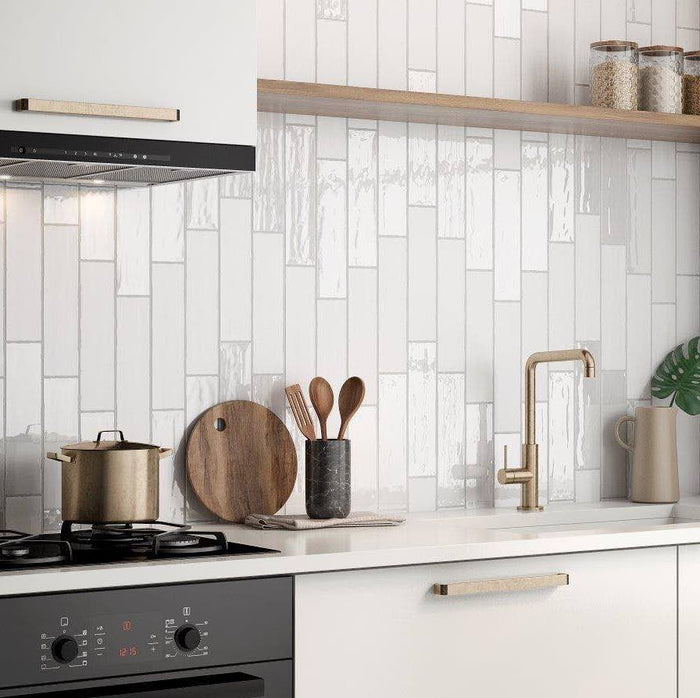
Wait 10 to 15 minutes for grout to set slightly. Use a damp sponge to wipe tile surfaces gently. Rinse the sponge often to avoid spreading grout residue. Clean in circular motions to avoid removing grout from gaps. After tiles dry, polish any remaining haze with a dry cloth.
Credit: www.mineraltiles.com
Finishing Touches
Finishing touches give your kitchen wall tiles a clean, polished look. These final steps protect your tiles and enhance their appearance. Taking time here ensures long-lasting results.
Sealing The Grout
Apply grout sealer to protect against stains and moisture. Use a small brush or applicator for even coverage. Let the sealer dry fully before touching the tiles. This step keeps grout strong and easy to clean.
Polishing Tiles
Wipe tiles with a soft cloth to remove dust and residue. Use a mild cleaner suitable for your tile type. Buff tiles gently to bring out their shine. Polishing makes your kitchen look fresh and bright.
Reinstalling Fixtures
Carefully put back switch plates, outlet covers, and other fixtures. Check that all screws are tight but avoid overtightening. Make sure fixtures sit flush against the wall. This step completes your tile replacement with a neat finish.
Maintenance Tips
Keeping your kitchen wall tiles in great shape is easier than you might think. With the right care, your tiles can stay beautiful and functional for years. Let’s dive into practical maintenance tips that help you avoid common issues and keep your kitchen looking fresh.
Cleaning Methods
Regular cleaning prevents grime buildup that dulls your tiles. Use a mild detergent mixed with warm water and a soft cloth or sponge to wipe down the surface. Avoid abrasive cleaners or scrubbers that can scratch the tiles.
If you spot stubborn stains, a paste of baking soda and water works wonders without harsh chemicals. Rinse with clean water and dry with a microfiber cloth to avoid water spots. How often you clean depends on your kitchen use, but a quick weekly wipe keeps dirt at bay.
Preventing Damage
Protect your tiles from chips and cracks by handling kitchen tools carefully near tiled areas. Avoid slamming heavy pots or pans against the walls. Using cushioned mats or bumpers behind high-impact spots can absorb accidental knocks.
Keep sharp objects like knives away from the tile surface to prevent scratches. If you use adhesives or sealants, make sure they’re compatible with your tile type to avoid discoloration or weakening. Have you noticed any rough edges on your tiles? Smooth them gently with fine sandpaper to prevent further damage.
Regular Inspections
Check your tiles and grout lines routinely for signs of wear or damage. Look for cracks, loose tiles, or areas where grout is crumbling. Early detection helps you fix small issues before they turn into costly repairs.
Pay special attention to corners and edges where tiles meet countertops or cabinets, as these spots face more stress. If you spot mildew or mold, clean it immediately with a mixture of vinegar and water to keep your kitchen healthy. How often do you take a close look at your kitchen tiles?

Credit: www.create-enjoy.com
Frequently Asked Questions
How Do I Remove Old Kitchen Wall Tiles Safely?
Use a utility knife to cut grout around tiles. Gently pry tiles with a putty knife or chisel. Wear safety goggles and gloves to protect yourself. Remove adhesive residue with a scraper. Clean the surface thoroughly before installing new tiles.
What Tools Are Needed To Replace Kitchen Wall Tiles?
You need a grout saw, putty knife, chisel, tile adhesive, and tile spacers. Also, have a tile cutter, sponge, bucket, and safety gear. These tools help remove old tiles and install new ones properly and safely.
How Long Does It Take To Replace Kitchen Wall Tiles?
Replacing kitchen wall tiles typically takes one to two days. This includes removing old tiles, preparing the surface, and installing new tiles. Drying time for adhesives and grout may extend the process. Plan accordingly for best results.
Can I Replace Kitchen Wall Tiles Myself?
Yes, with basic DIY skills, you can replace kitchen wall tiles. Follow safety precautions and use the right tools. Take your time to remove tiles carefully and apply new adhesive and grout properly. Watching tutorial videos helps beginners.
Conclusion
Replacing kitchen wall tiles can seem challenging. But, it’s achievable with patience. Gather all necessary tools and materials first. Carefully remove old tiles. Clean the surface thoroughly. Apply adhesive evenly for new tiles. Place each tile with precision. Allow proper drying time.
Finally, seal the tiles to protect them. This enhances durability and appearance. Follow these steps for a fresh kitchen look. Enjoy the new, stylish space. A little effort makes a big difference. Happy tiling!
