

Are you tired of staring at outdated kitchen wall tiles every time you cook? Maybe you’ve noticed a few cracks or chips that are impossible to ignore.
Replacing kitchen wall tiles might seem like a daunting task, but it doesn’t have to be. Imagine transforming your How to Replace Kitchen Wall Tiles into a fresh, modern space that not only looks stunning but also increases the value of your home. The best part?
You can do it yourself with the right guidance. We’ll walk you through each step, ensuring you feel confident and excited about tackling this project. Get ready to discover how a simple change can breathe new life into your kitchen and make it a place where you love to spend time.

Credit: www.create-enjoy.com
Tools And Materials Needed
Replacing kitchen wall tiles needs the right tools and materials. Having these ready makes the job easier and faster. This section covers what you need before starting. Prepare well to get the best results and avoid extra trips to the store.
Essential Tools
- Tile cutter or wet saw for clean cuts
- Notched trowel to spread adhesive
- Grout float for applying grout
- Rubber mallet to tap tiles gently
- Level to keep tiles straight
- Measuring tape for accurate sizing
- Putty knife or scraper to remove old tiles
- Bucket and sponge for cleaning grout
- Safety glasses and gloves for protection
Choosing The Right Tiles
Select tiles that suit your kitchen style and wall surface. Ceramic tiles work well for most kitchens. Porcelain tiles offer extra durability. Consider the tile size and pattern for easy fitting. Pick colors that match your kitchen decor. Also, check tile thickness to fit flush on the wall.
Additional Supplies
- Tile adhesive or thinset mortar for sticking tiles
- Grout to fill gaps between tiles
- Tile spacers to keep even spacing
- Primer to prepare the wall surface
- Sealant to protect grout from stains
- Painter’s tape to protect edges
Credit: www.nationalplastics.co.uk
Preparing The Work Area
Preparing the work area is crucial before you start replacing kitchen wall tiles. It sets the stage for a smooth and efficient project, helping you avoid unnecessary mess and damage. Taking time to organize your space can save you stress and effort later on.
Clearing The Kitchen Wall
Start by removing anything attached to the wall like shelves, hooks, or decorative items. Clear the countertops and move appliances away from the area. This gives you full access and prevents accidental damage to your belongings.
Have you checked for hidden nails or screws that might get in your way? A quick inspection can prevent surprises while you work. Also, wipe down the wall to remove grease or dust that could affect tile removal or installation.
Protecting Surfaces
Cover your countertops, cabinets, and floors with drop cloths or plastic sheets. This protects them from dust, debris, and adhesive spills. Use painter’s tape to secure the coverings so they don’t shift while you work.
Think about using cardboard or foam boards around the work area for extra protection. You don’t want to spend more time cleaning up when your focus should be on the tile replacement.
Safety Precautions
Wear safety goggles and gloves to protect your eyes and hands from sharp tile edges and dust. Consider a dust mask to avoid inhaling fine particles during tile removal.
Have a first aid kit handy in case of minor cuts or scrapes. Make sure your workspace is well-lit and ventilated to keep you comfortable and alert. What safety gear do you already have in your toolkit?
Removing Old Tiles
Removing old kitchen wall tiles is the first step to a fresh, new look. It requires patience and care to avoid damaging the wall underneath. Start by preparing the area and gathering the right tools. A smooth removal process sets the stage for perfect tile installation.
Loosening Grout
Grout holds tiles tightly in place. Use a grout removal tool or utility knife to carefully scrape out the grout lines. Work slowly to avoid scratching the tiles or the wall. Clear grout makes tile removal easier and cleaner.
Detaching Tiles Safely
Wear safety goggles and gloves before removing tiles. Gently tap a putty knife or chisel behind the tile edge. Pry the tile away from the wall with steady pressure. Remove tiles one at a time to prevent wall damage. Dispose of broken tiles safely.
Cleaning The Wall Surface
Remove leftover adhesive and grout from the wall. Use a scraper or sanding block for smoothness. Wipe the wall with a damp cloth to remove dust. A clean, flat surface ensures new tiles stick well and last longer.
Repairing And Smoothing The Wall
Repairing and smoothing the wall is a key step before installing new kitchen tiles. A smooth surface helps tiles stick better and look neat. Fixing any damage prevents problems later and gives a clean base for tiling.
Filling Holes And Cracks
Start by cleaning the wall surface thoroughly. Remove dust, grease, and loose material. Use a putty knife to fill holes and cracks with wall filler or spackle. Press the filler firmly into the gaps for a solid fill. Let it dry completely according to the product instructions. Large holes may need multiple layers, allowing each to dry before applying the next.
Sanding For Evenness
Once the filler is dry, sand the wall to smooth out bumps and edges. Use medium-grit sandpaper for rough spots, then switch to fine-grit for a smooth finish. Sand in gentle, circular motions to avoid damage. Clean the dust off the wall with a damp cloth or vacuum. The surface should feel flat and even to the touch.
Priming The Wall
Apply a coat of primer to the repaired wall before tiling. Primer seals the surface and improves tile adhesive grip. Use a paintbrush or roller for even coverage. Allow the primer to dry fully, following the product’s drying time. Priming also prevents moisture from seeping through and protects the wall over time.
Installing New Tiles
Installing new kitchen wall tiles can transform the entire look of your space. The process requires patience and precision, but it’s rewarding when you see the fresh, polished surface come together. Let’s break down the key steps to ensure your tiles are set perfectly and last long.
Applying Adhesive
Start by choosing the right adhesive for your tile type and wall surface. Use a notched trowel to spread the adhesive evenly on a small section of the wall. This helps prevent the adhesive from drying out before you place the tiles.
Apply just enough adhesive to cover an area you can tile within 15 to 20 minutes. If you notice the adhesive becoming dry or crumbly, scrape it off and apply fresh adhesive. This keeps the tiles sticking firmly without slipping.
Placing Tiles Accurately
Carefully press each tile into the adhesive, giving it a slight twist to ensure a strong bond. Keep checking that the tile is level and aligned with the surrounding tiles. You can use a spirit level or straight edge for this.
Don’t rush. If a tile doesn’t feel secure or is misaligned, gently lift it off and adjust before the adhesive sets. This step is crucial because once it hardens, repositioning tiles becomes difficult and messy.
Using Spacers For Alignment
Tile spacers are small, plastic pieces that help maintain consistent gaps between tiles. Insert spacers at each corner of a tile before placing the next one. This ensures uniform grout lines and a professional finish.
Have you ever noticed uneven grout lines in a tiled wall? Using spacers eliminates that problem. After the adhesive cures, you can remove the spacers and proceed with grouting, knowing your tiles are perfectly spaced and aligned.
Grouting And Finishing
Grouting and finishing are crucial steps that bring your newly tiled kitchen wall to life. This phase not only fills the gaps between tiles but also protects them from moisture and dirt, ensuring your hard work lasts. How you handle this part can make a big difference in the overall appearance and durability of your kitchen backsplash.
Mixing And Applying Grout
Start by mixing your grout according to the package instructions. Aim for a smooth, peanut butter-like consistency—too runny, and it won’t stay in the joints; too thick, and it’s hard to spread evenly.
Use a rubber float to spread the grout diagonally across the tiles, pressing it firmly into the gaps. This technique helps fill every crevice, avoiding air pockets that can weaken the grout over time.
Cleaning Excess Grout
Once the grout starts to set, usually after 10-15 minutes, wipe off the excess with a damp sponge. Be gentle to avoid pulling grout from the joints.
Rinse your sponge frequently and change the water often to keep the surface clean without smearing grout over the tiles. A clean finish here makes a huge difference in the tile’s look and feel.
Sealing For Durability
After the grout cures, apply a grout sealer to protect it from stains and moisture. Sealing is a step many skip, but it’s essential if you want your kitchen to stay fresh and easy to clean.
Choose a sealer that suits your grout type, and apply it with a small brush or applicator bottle. This barrier helps maintain your grout’s color and strength long term.
Tips For A Professional Look
Achieving a professional look while replacing kitchen wall tiles requires attention to detail. Small choices make a big difference in the final result. Focus on patterns, spacing, and finishing touches to give your kitchen a polished appearance.
Choosing Tile Patterns
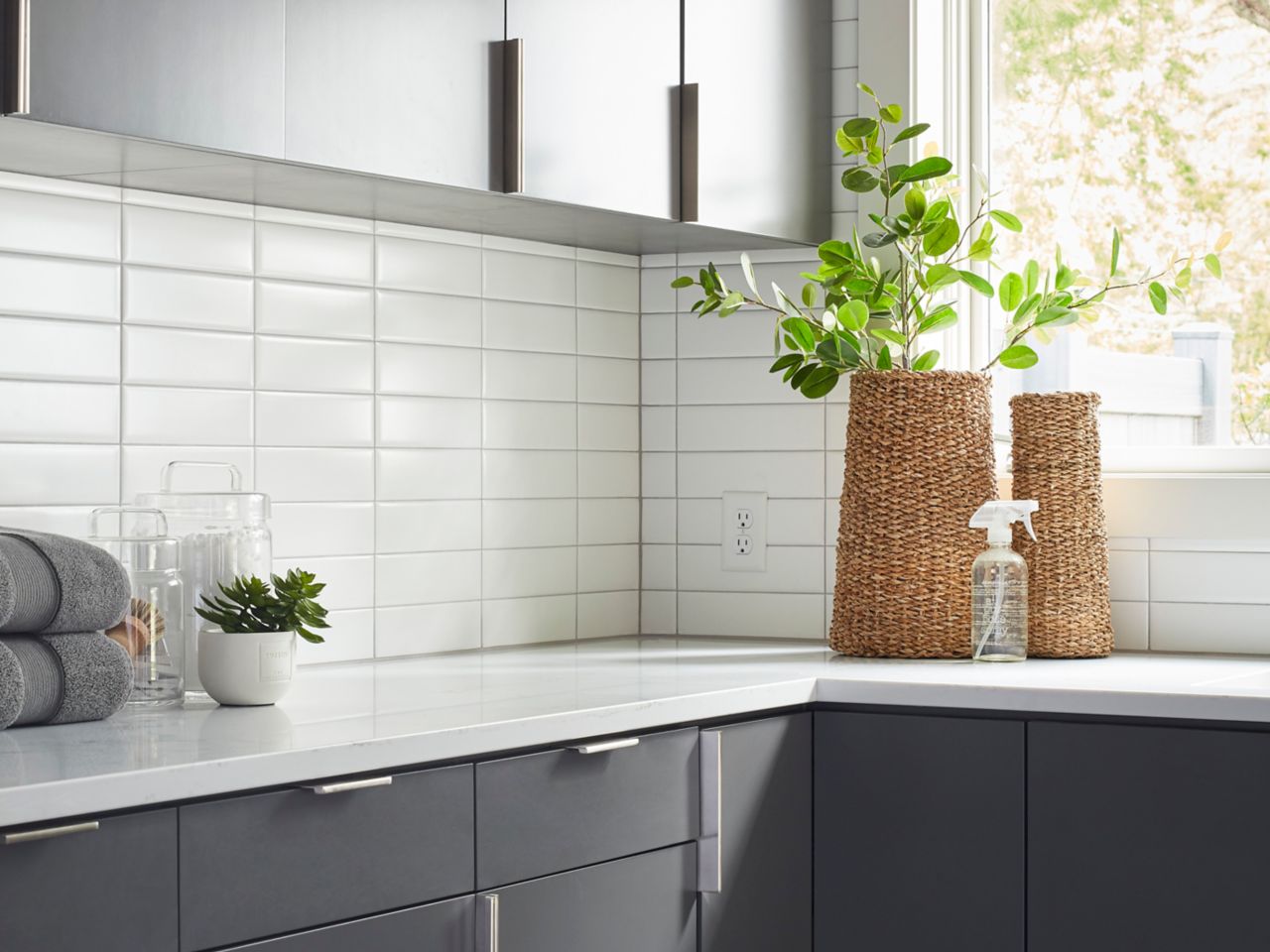
Select tile patterns that match your kitchen style. Simple layouts like straight or brick patterns are easy to install and look clean. Complex patterns like herringbone add flair but need precision. Consider the room size; smaller tiles can make space feel busy. Larger tiles often create a sleek, spacious feel.
Maintaining Consistent Spacing
Use tile spacers to keep gaps even between tiles. Consistent spacing improves the tile alignment and grout lines. Check spacing regularly during installation to avoid mistakes. Uneven gaps can make the job look amateurish. Keep tile edges clean to ensure grout sticks well.
Final Touches
Clean tiles thoroughly after grouting to remove residue. Seal grout lines to protect from stains and moisture. Use a grout float to press grout evenly into spaces. Pay attention to corners and edges for neat finishes. Take your time with caulk around the edges for a seamless look.
Credit: www.tileshop.com
Frequently Asked Questions
How Do I Remove Old Kitchen Wall Tiles Safely?
Use a utility knife to loosen grout lines first. Then, gently pry tiles with a chisel and hammer. Wear safety goggles and gloves to protect yourself from sharp edges and debris during removal.
What Tools Are Needed To Replace Kitchen Wall Tiles?
You need a chisel, hammer, tile adhesive, notched trowel, tile spacers, grout float, and a sponge. Safety gear like gloves and goggles is also essential for protection.
How Long Does It Take To Replace Kitchen Wall Tiles?
Replacing kitchen wall tiles usually takes 1 to 3 days. Time depends on tile quantity, wall condition, and drying times for adhesive and grout.
Can I Replace Kitchen Tiles Without Professional Help?
Yes, with basic tools and patience, you can replace kitchen tiles yourself. Follow step-by-step instructions and take safety precautions to ensure good results.
Conclusion
Replacing kitchen wall tiles can refresh your space quickly. Take your time to remove old tiles carefully. Clean the wall well before placing new ones. Choose tiles that fit your style and budget. Use the right tools for a neat finish.
Follow steps closely to avoid common mistakes. Enjoy the satisfaction of your new kitchen look. Simple changes can make a big difference. Your kitchen feels brighter and more inviting now. Try this project for a fresh, clean kitchen wall.
