

Are you tired of that leaky, outdated wall-mounted kitchen faucet? Replacing it might sound like a daunting task, but it’s easier than you think!
Imagine the satisfaction of turning on a brand-new faucet, knowing you installed it yourself. In this guide, you’ll discover how to replace a wall-mounted kitchen faucet without breaking a sweat. We’ll walk you through each step, ensuring you avoid common pitfalls and achieve a flawless finish.
With the right tools and a little patience, you can transform your kitchen in no time. Ready to roll up your sleeves and upgrade your kitchen? Let’s dive in!
Tools And Materials Needed
Before you dive into replacing your wall-mounted kitchen faucet, gathering the right tools and materials is crucial. Having everything ready not only speeds up the process but also helps avoid frustrating interruptions. Let’s look at what you need to make this task smoother and more efficient.
Essential Tools For Faucet Replacement
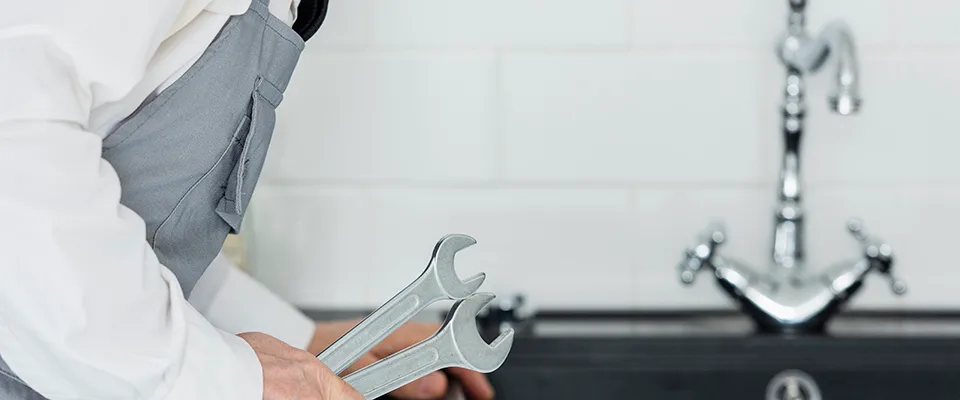
- Adjustable wrench:This helps loosen and tighten nuts of various sizes without damaging them.
- Basin wrench:Perfect for reaching nuts in tight spaces behind the sink.
- Screwdrivers:Both flathead and Phillips screwdrivers are often required to remove mounting screws.
- Plumber’s tape (Teflon tape):Wrap this around threaded connections to prevent leaks.
- Bucket and towels:Keep these handy to catch any water spills during removal.
- Utility knife:Useful for cutting old sealant or caulk.
Materials Needed For Installation
- New wall-mounted kitchen faucet:Choose a model compatible with your existing plumbing and style preferences.
- Supply lines:New flexible supply tubes may be needed if the old ones are worn or incompatible.
- Pipe joint compound or sealant:Helps create watertight seals on threaded joints.
- Replacement washers and O-rings:These small parts often wear out and cause leaks if reused.
Preparing Your Workspace
Clear the area around your sink and under the wall where the faucet is mounted. Having ample space to work reduces the chance of accidents or misplacing small parts. Make sure your water supply is turned off and double-check for any hidden water lines to avoid surprises.
Do you have all these tools and materials ready? Missing just one can stall your project and test your patience. Take a moment to gather everything before you start, so you can focus on the replacement itself.
Preparing The Work Area
Preparing your work area is a crucial part of replacing a wall mounted kitchen faucet. It sets the stage for a smooth and safe project, helping you avoid unnecessary frustrations. Taking the time to organize and protect your space can make a big difference in how quickly and efficiently you complete the job.
Clear The Surrounding Area
Remove any items from around the sink and countertop. Dishes, soap dispensers, and kitchen gadgets can get in the way or even break during the process. Creating an open workspace helps you focus and move freely without worrying about knocking things over.
Protect Surfaces From Water Damage
Place a waterproof mat or old towels under the faucet and around the sink. This protects your countertop and cabinets from water spills and drips. I once skipped this step and ended up with a stubborn water stain on my wood counter that took weeks to fade.
Gather All Necessary Tools And Materials
Keep your wrench, screwdriver, plumber’s tape, and replacement faucet within arm’s reach. Running back and forth wastes time and breaks your concentration. Having everything ready means you can work continuously and finish faster.
Turn Off The Water Supply
Locate the shutoff valves under the sink and close them completely. If your valves are stuck or leaking, you might need to turn off the main water supply to avoid flooding. Ask yourself—have you checked your valves recently? It’s a good habit to test them before starting any plumbing task.
Turning Off Water Supply
Turning off the water supply is the most important step before you start replacing a wall mounted kitchen faucet. Without shutting off the water, you risk a messy and potentially damaging flood. Taking the time to do this correctly will save you stress and cleanup later.
Locate The Main Water Shut-off Valve
First, find the main water shut-off valve for your home. It’s often near the water meter, in the basement, garage, or outside near the foundation. If you’re unsure, check your water bill or ask your local water company for guidance.
Turning this valve clockwise will stop all water flow to your house. This is the safest way to ensure no water comes through while you work on the faucet.
Turn Off The Local Supply Valves
Some homes have shut-off valves specifically for the kitchen or bathroom sinks. These valves are usually located under the sink or inside the cabinet. Turning these valves clockwise will stop water flow to just the faucet you want to replace.
If you have these valves, use them instead of shutting off the main water supply. This lets you avoid interrupting water service to the rest of the house.
Drain The Faucets And Pipes
After shutting off the water, open the faucet to drain any water left in the pipes. This prevents water from spilling out when you disconnect the old faucet. Keep a bucket or towels nearby to catch any drips.
Draining the lines also reduces pressure, making it easier and safer to remove the faucet. Have you noticed how much water can still come out even after turning off the valve? That’s why this step is crucial.
Removing The Old Faucet
Removing the old wall mounted kitchen faucet is the first task before installing a new one. This step requires care to avoid damage to the plumbing or surrounding wall. Gathering the right tools and preparing the area makes the process smoother and faster.
Turn off the water supply to prevent leaks. Open the faucet to drain any water left in the pipes. Protect the sink and countertop with a cloth to catch drips or falling parts.
Shutting Off The Water Supply
Locate the water valves under the sink or near the main water line. Turn both the hot and cold water valves clockwise until tight. This stops water flow during removal. Open the faucet to drain water from the pipes.
Disconnecting The Water Lines
Use an adjustable wrench to loosen the nuts connecting the water supply lines to the faucet. Turn counterclockwise to unscrew. Have a towel ready to catch any water that drips out. Remove both hot and cold water lines completely.
Removing Mounting Hardware
Look under the sink for mounting nuts holding the faucet in place. Use a basin wrench or adjustable wrench to loosen these nuts. Turn counterclockwise until the faucet is free from the wall. Keep all hardware for reuse or disposal.
Taking Off The Old Faucet
Grip the faucet body firmly and pull it away from the wall. Sometimes gentle twisting helps to loosen it. Check for any remaining caulk or sealant and scrape it off carefully. Clean the area before installing the new faucet.
Cleaning The Mounting Surface
Cleaning the mounting surface is a crucial step before installing your new wall-mounted kitchen faucet. Dirt, old sealant, and grime can prevent a proper seal, leading to leaks or an unstable fixture. Taking the time to thoroughly clean this area ensures your faucet sits flush and functions perfectly.
Gathering The Right Cleaning Supplies
Start by collecting basic supplies like a putty knife, rubbing alcohol, a soft cloth, and a sponge. Avoid abrasive tools that might scratch the surface around the mounting area. Having everything ready saves you from interruptions and helps you focus on a thorough cleaning.
Removing Old Sealant And Residue
Use the putty knife gently to scrape away any old caulk or sealant left from the previous faucet. Be patient—rushing this step might damage the wall or leave sticky patches behind. After scraping, wipe the surface with rubbing alcohol to remove any greasy residues.
Dealing With Stubborn Stains And Mineral Deposits
If you notice white mineral buildup or tough stains, soak a cloth in vinegar and place it over the area for 10-15 minutes. This breaks down deposits without harsh chemicals. Afterward, scrub lightly with a sponge and rinse with water to leave the surface clean and smooth.
Ensuring The Surface Is Completely Dry
Moisture can interfere with the faucet installation and sealing. Use a dry cloth to wipe away any remaining dampness and let the area air dry for a few minutes. Can you imagine installing a faucet on a damp wall and facing leaks later? Avoid that by being thorough here.
Inspecting The Surface For Damage
Before proceeding, check the mounting surface for cracks, holes, or uneven spots. Small imperfections can be fixed with a quick patch of waterproof putty. A smooth, intact surface means your new faucet will fit securely and stay leak-free.

Credit: www.kingstonbrass.com
Installing The New Faucet
Installing the new wall-mounted kitchen faucet is a task that calls for careful attention to detail. You want to make sure all connections are secure and aligned correctly to avoid leaks or damage. Let’s break down the process into manageable parts so you can feel confident tackling this project.
Prepare The Mounting Area
Start by cleaning the wall surface where the new faucet will be installed. Remove any old sealant or debris to ensure a smooth fit. Check the mounting holes on the new faucet and compare them to the existing ones on your wall—do they match up, or will you need to drill new holes?
Attach The Faucet To The Wall
Secure the faucet base to the wall using the screws and anchors provided. Make sure it’s level before tightening completely. A crooked faucet not only looks off but can cause water to flow improperly.
Connect The Water Supply Lines
Attach the hot and cold water supply lines to the matching inlets on the faucet. Hand-tighten first, then use a wrench to snug the connections—be careful not to overtighten and damage the fittings. You might want to wrap the threads with plumber’s tape to prevent leaks.
Test For Leaks And Proper Operation
Turn on the water supply slowly and watch for any drips around the connections. Open the faucet handles to check water flow and temperature control. If you see leaks, tighten the connections slightly or reapply plumber’s tape if necessary.
Seal The Edges For A Finished Look
Apply a thin bead of silicone caulk around the faucet base to keep water from seeping behind the wall. Smooth the caulk with your finger or a caulking tool for a neat finish. This step helps protect your wall from water damage over time.
Connecting Water Lines
Connecting water lines is a crucial step in replacing a wall mounted kitchen faucet. Proper connection ensures no leaks and smooth water flow. It requires attention to detail and the right tools. Take your time to avoid mistakes that can cause damage later.
Start by checking the water supply valves. Make sure they are fully turned off to prevent water spills. Then, prepare the new faucet’s water lines by cleaning the ends and inspecting for any damage.
Preparing The Water Supply Lines
Remove old fittings and clean the pipe threads. Use a cloth to wipe off dirt and rust. Inspect the supply lines for cracks or wear. Replace any damaged parts before attaching the new faucet.
Attaching Flexible Hoses
Attach flexible hoses to the faucet’s inlet ports. Hand-tighten the connections first to avoid cross-threading. Use a wrench to secure the hoses but avoid overtightening, which can damage the fittings.
Sealing Connections To Prevent Leaks
- Apply plumber’s tape around threaded ends for a tight seal.
- Use thread sealant if recommended by the faucet manufacturer.
- Check for any loose connections before turning the water back on.
Testing Water Flow And Checking For Leaks
Slowly open the water supply valves. Watch for water dripping around connections. Tighten any areas where leaks appear. Let water run for a few minutes to clear air from lines.
Testing For Leaks
Testing for leaks is a crucial step after replacing your wall-mounted kitchen faucet. It ensures that your hard work doesn’t lead to water damage or wasted water. Catching leaks early saves you from costly repairs and keeps your kitchen dry and safe.
Turn On The Water Supply Slowly
Open the water valves gradually to avoid sudden pressure that might cause leaks. Watch closely as the water flows through the new faucet and connections. Slow pressure lets you spot weak points where water might escape.
Check All Connection Points
Inspect every joint and fitting carefully, including where the faucet meets the wall and supply lines. Use a dry cloth or paper towel to wipe around these areas. If the cloth becomes wet, you’ve found a leak.
Use A Tissue Or Paper Towel For Spotting Small Leaks
Small leaks can be hard to see but easy to feel. Press a dry tissue around the faucet’s base and connections. If it gets damp, you need to tighten or reseal that spot.
Look For Drips Or Puddles Under The Sink
Leaks don’t always show at the faucet itself; water can drip under the sink or behind the wall plate. Place a dry paper towel or tray underneath to catch any drips. Check it again after a few minutes.
Test Water Flow In Different Modes
If your faucet has spray or pull-out features, test each setting. Sometimes leaks only appear under pressure or specific functions. Run water continuously for a few minutes to be sure.
What If You Find A Leak?
Don’t panic. Tighten connections using a wrench, but don’t overtighten as it can cause damage. If tightening doesn’t help, remove the faucet and check washers or apply plumber’s tape to threaded parts.
Finishing Touches
After installing your new wall mounted kitchen faucet, the finishing touches are what truly make the job look professional and polished. These final steps ensure everything works smoothly and your kitchen feels refreshed. Paying close attention here can save you from future leaks or awkward drips.
Checking For Leaks And Proper Water Flow
Once the faucet is in place, turn on the water supply slowly. Watch carefully for any leaks around the connections or handles. Even a small drip can waste water and cause damage over time.
Run both hot and cold water to confirm the temperature control works well. If you notice uneven pressure or sputtering, it might mean air is trapped in the pipes. Simply open the faucet fully for a minute to clear it out.
Sealing The Edges For A Clean Look
Use a bead of waterproof silicone caulk around the base of the faucet where it meets the wall. This prevents water from seeping behind and damaging the wall surface. Smooth the caulk with your finger or a caulk tool for a neat finish.
Make sure the caulk is fully dry before using the faucet heavily. This step might seem small, but it protects your walls and keeps your kitchen looking tidy.
Adjusting The Faucet Handles For Comfort
Test how the handles feel when you turn them on and off. They should move easily without too much force or looseness. Tighten any screws or nuts if you notice wobbling.
Consider the angle of the handles too. If they hit the backsplash or cupboards, you might need to reposition them slightly. Comfortable operation will make daily kitchen tasks more enjoyable.
Cleaning Up And Final Inspection
Wipe down the faucet and surrounding area to remove fingerprints, dust, or residue from installation. Use a gentle cleaner that won’t damage the finish. This step helps your new faucet shine like it’s brand new.
Do a final walk-around to check every detail. Ask yourself, does everything feel sturdy and leak-free? If yes, you’ve successfully given your kitchen a fresh upgrade that you can be proud of.

Credit: www.youtube.com
Troubleshooting Common Issues
Troubleshooting common issues during the replacement of a wall mounted kitchen faucet can save you time and frustration. Identifying and fixing problems early ensures a smoother installation process. Let’s look at some typical challenges you might face and how to handle them effectively.
Leaking Connections
Leaks often appear around the base or where pipes connect. Check that all fittings are tight but avoid over-tightening, which can damage seals. Using plumber’s tape on threaded connections helps create a watertight seal.
Have you noticed water pooling under your sink after installation? This usually means a loose connection or a worn-out washer needs replacing. Inspect the joints carefully and tighten or swap parts as needed.
Low Water Pressure
Low water pressure can be frustrating, especially after a new faucet install. It might be caused by debris trapped in the aerator or supply lines. Remove the aerator and clean it thoroughly to restore flow.
Sometimes, the shutoff valves aren’t fully open, limiting water supply. Double-check that valves are turned completely on before assuming there’s a bigger problem. What about your home’s main water pressure? It’s worth verifying if other faucets are affected.
Difficulty Aligning The Faucet
Wall mounted faucets need precise alignment with existing pipe openings. Misalignment can cause installation headaches and leaks later. Measure twice before drilling or attaching anything.
If the holes don’t match up, consider using flexible supply lines or adapters. You might also find a faucet model with adjustable mounting hardware fits better. Have you tried mock-fitting the faucet before final installation? It’s a simple step that can prevent costly errors.
Water Drips After Turning Off
Dripping faucets waste water and increase bills. This issue often stems from worn-out cartridge or valve seats inside the faucet. Replacing these internal parts usually stops the drip.
Sometimes debris or mineral buildup prevents the valve from sealing properly. Soaking parts in vinegar can help dissolve deposits. If the drip persists, it might be time to replace the entire faucet for peace of mind.
Credit: www.luxuryhomefaucet.com
Frequently Asked Questions
How Do I Remove A Wall Mounted Kitchen Faucet?
Turn off the water supply first. Then, unscrew the mounting nuts under the sink. Carefully detach the faucet from the wall. Use a wrench if needed, but avoid damaging pipes. Clean the area before installing the new faucet.
What Tools Are Needed To Replace The Faucet?
You will need an adjustable wrench, plumber’s tape, a screwdriver, and possibly a basin wrench. Have a bucket ready to catch water. Also, keep a cloth handy for spills. These tools will help you safely remove and install your faucet.
How Do I Prevent Leaks After Installation?
Apply plumber’s tape on threaded connections before tightening. Ensure all connections are snug but not overtightened. Turn on the water supply slowly and check for leaks. Tighten any loose fittings immediately to avoid water damage.
Can I Replace The Faucet Without Shutting Off Water?
No, always turn off the water supply before replacement. This prevents water spillage and potential damage. Locate and close the shutoff valves under the sink or main water line before starting.
Conclusion
Replacing a wall mounted kitchen faucet is simpler than it seems. Follow the steps carefully and take your time. Turn off the water before starting to avoid leaks. Use the right tools for a smooth process. Check all connections for tightness after installation.
Enjoy your new faucet working perfectly in your kitchen. Regular maintenance will keep it in good shape longer. A fresh faucet can improve both function and style. You can do this yourself with a little patience and care.
