

Are you tired of staring at the same old kitchen walls day after day? Do you feel like your cooking space needs a fresh, vibrant touch?
You’re not alone. Many homeowners crave a change but hesitate because they think it’s too complicated or costly. But what if I told you that a simple coat of paint could transform your kitchen into a space that feels brand new and inviting?
Yes, it’s that easy. Repainting your kitchen walls is a straightforward DIY project that can bring excitement and warmth back into your daily routine. Imagine stepping into a kitchen that not only looks refreshed but also boosts your mood every time you walk in. Intrigued? Keep reading to discover how you can effortlessly repaint your kitchen walls and fall in love with your space all over again.
Choosing The Right Paint
Choosing the right paint for your kitchen walls is more than just picking a color you like. It involves understanding the types of paint available, selecting a color that fits your space, and deciding on the best finish. These decisions affect not only the look but also the durability and ease of cleaning your kitchen walls.
Types Of Paint For Kitchens
Kitchen walls need paint that stands up to moisture, stains, and frequent cleaning. Look for paints labeled as kitchen or bathroom paint, as they are designed to resist mildew and stains.
- Latex paint:Easy to clean and quick to dry, perfect for busy kitchens.
- Oil-based paint:More durable but takes longer to dry and has stronger fumes.
- Enamel paint:Offers a hard, washable surface ideal for high-traffic areas.
Have you ever tried to scrub a stain off your kitchen wall only to damage the paint? Choosing the right type can save you that frustration.
Picking The Perfect Color
Color sets the mood and feel of your kitchen. Light colors like soft whites or pastels make a small kitchen feel bigger and brighter. Darker shades can add warmth but may make the space feel smaller.
Think about your kitchen’s natural light and existing decor. Are you aiming for a calm retreat or a lively cooking area? Your choice should reflect your daily experience in the kitchen.
Finishes That Work Best
The finish you choose affects how your kitchen walls look and handle wear. Matte finishes hide imperfections but can be harder to clean. Satin and eggshell finishes balance appearance and cleanability, making them popular in kitchens.
- Satin:Slight shine, easy to clean, great for walls.
- Eggshell:Soft glow, resists dirt and stains.
- Semi-gloss:More shine, very washable, often used for trim.
Consider how much time you spend cleaning your kitchen walls. Would a more durable finish reduce your effort and keep your kitchen looking fresh longer?
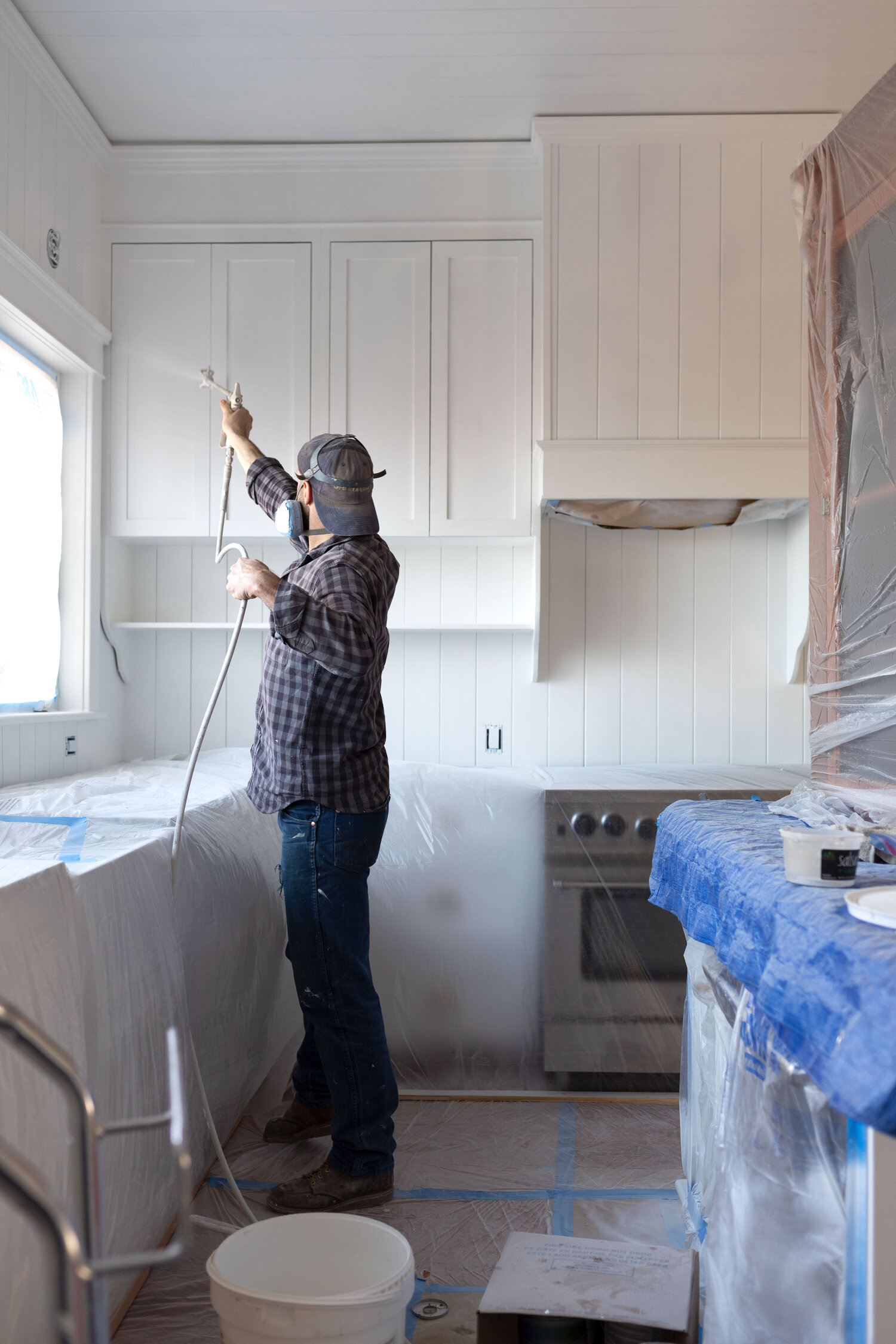
Credit: www.thegritandpolish.com
Preparing The Walls
Preparing the walls before repainting your kitchen is crucial to achieving a flawless finish. Skipping this step can lead to uneven paint, peeling, or an overall amateur look. Taking the time to clean, repair, sand, and protect your surfaces sets the foundation for a professional result.
Cleaning And Repairing Surfaces
Start by thoroughly cleaning your kitchen walls to remove grease, dirt, and dust. Use a mixture of warm water and mild detergent, scrubbing gently with a sponge. Have you noticed stubborn spots near the stove? Those need extra attention to ensure paint sticks well.
Next, check for cracks, holes, or peeling paint. Fill any imperfections with a good-quality spackle or filler, then smooth it out. Repairing these areas makes a huge difference—you don’t want bumps or gaps showing through your fresh paint.
Sanding For Smoothness
After repairs dry, sand the walls lightly with fine-grit sandpaper. This step smooths out rough patches and helps the paint adhere better. Focus on edges where old paint might be chipping—sanding these spots prevents peeling later.
Don’t rush this part. Your walls should feel soft and even to the touch before moving on. Have you ever skipped sanding only to regret uneven paint later? Taking a few extra minutes here pays off.
Taping And Protecting Areas
Use painter’s tape to cover edges like trim, cabinets, and countertops. This shields surfaces you don’t want to paint and keeps lines crisp. Protect the floor with drop cloths or plastic sheets to catch drips and spills.
Be generous with your coverage—paint splatters can happen even if you’re careful. Setting up this barrier saves hours of cleanup afterward and keeps your kitchen looking neat throughout the project.
Gathering Your Tools
Gathering the right tools is the first step to repaint kitchen walls successfully. Having everything ready makes the job easier and faster. It also helps avoid unnecessary trips to the store. Prepare your workspace with care and get the best results.
Essential Painting Supplies
- Paint – choose a durable, washable kitchen paint
- Primer – prepares walls for better paint adhesion
- Paint rollers – for covering large wall areas quickly
- Paintbrushes – for edges and corners
- Painter’s tape – protects trim and cabinets from paint
- Drop cloths or plastic sheeting – keeps floors clean
- Paint tray – holds paint for easy roller dipping
- Sandpaper – smooths rough wall spots before painting
- Putty knife and spackle – fills holes and cracks
- Clean rags or sponges – for wiping dust and spills
Safety Equipment To Use
- Gloves – protect hands from paint and chemicals
- Safety goggles – guard eyes against splashes
- Dust mask – prevents inhaling dust and fumes
- Old clothes or protective apron – keeps paint off skin
- Good ventilation – open windows or use fans to air out fumes
Applying Primer
Applying primer is an important step before painting kitchen walls. It helps paint stick better and lasts longer. Primer also blocks stains and covers old colors. This step makes your new paint look smooth and fresh.
When And Why To Use Primer
Use primer on new drywall or repaired walls. It seals porous surfaces so paint spreads evenly. Primer covers dark or bright colors that might show through. It prevents stains from water, smoke, or grease. For kitchens, primer stops moisture from damaging paint. It also helps paint resist peeling and cracking.
Techniques For Even Coverage
Start by cleaning the walls well. Remove dust and grease with soap and water. Let walls dry completely before priming.
- Use a high-quality brush for edges and corners.
- Roll primer on large wall areas with a roller.
- Apply thin, even coats to avoid drips and streaks.
- Work in small sections to keep a wet edge.
- Let the primer dry fully before painting the topcoat.
Following these steps ensures a smooth base. The paint will look better and last longer on primed walls.
Painting Techniques
Mastering the right painting techniques can transform your kitchen walls from dull to dazzling. These techniques not only help you achieve a smooth, professional finish but also make the process faster and less frustrating. Let’s dive into key approaches that will elevate your repainting project.
Cutting In Edges
Cutting in is the essential first step before rolling the walls. Use a high-quality angled brush to carefully paint the edges where the wall meets the ceiling, trim, or cabinets.
Hold the brush like a pencil for better control and use long, steady strokes. Avoid overloading the brush to prevent drips and uneven lines. Have a damp cloth handy to quickly wipe any accidental smudges.
Rolling Walls Efficiently
Select a roller with the right nap length based on your wall texture—smooth walls need a shorter nap, while textured walls require a longer one. Load the roller evenly by rolling it over the tray’s ridges to avoid excess paint pooling.
Apply paint using a “W” or “M” pattern to cover a large area quickly, then fill in the gaps with horizontal strokes. This technique ensures even coverage and prevents streaks.
Multiple Coats Tips
Allow sufficient drying time between coats—usually 2 to 4 hours depending on paint type and room conditions. Skipping this step can cause peeling or uneven color.
Lightly sand the wall with fine-grit sandpaper after the first coat to remove any imperfections. Wipe away dust before applying the next coat. Two or three coats often deliver the best results, especially with lighter colors.
Drying And Curing
Drying and curing are crucial stages after you repaint your kitchen walls. Skipping or rushing through this process can ruin all your hard work, leading to streaks, bubbles, or paint that peels off too soon. Understanding how long to wait and what to avoid will help your kitchen walls look fresh and flawless for years.
Optimal Drying Times
Different types of paint need different drying times. Latex paints usually feel dry to the touch within an hour, but full curing can take up to two weeks. Oil-based paints take longer—often 6 to 8 hours to dry and up to a week to cure completely.
Keep in mind, drying times vary based on humidity, temperature, and ventilation in your kitchen. If you painted on a humid day with poor airflow, expect the drying process to slow down. You might want to use a fan or open windows to speed things up.
Waiting for the paint to cure fully before hanging pictures or cleaning the walls can prevent damage. Have you ever noticed how a freshly painted wall looks perfect for a few days, then suddenly peels or chips? That’s usually because the paint wasn’t allowed to cure properly.
Avoiding Common Mistakes
- Don’t rush the drying process.Touching or adding a second coat too soon can cause smudges and uneven layers.
- Avoid painting in high humidity.Moisture in the air extends drying times and can cause bubbles.
- Don’t close windows or turn off fans immediately.Proper ventilation helps the paint dry evenly and prevents a musty smell.
- Skip heavy cleaning too soon.Washing walls within a few days can remove paint that hasn’t fully set.
When I repainted my kitchen last year, I was impatient and cleaned the walls after just three days. The paint started peeling near the sink within a week. That taught me to respect the curing time, no matter how eager I am to see the final result.
Cleaning Up
Cleaning up after repainting kitchen walls helps keep your space neat and ready for use. Proper cleanup prevents damage and extends the life of your tools and leftover paint. Take your time to handle each task carefully for the best results.
Removing Tape And Protectors
Remove painter’s tape while the paint is still slightly wet. Pull the tape slowly at a 45-degree angle to avoid peeling paint. Carefully take off any plastic sheets or drop cloths used to protect floors and countertops. Check walls for any paint spots and wipe them gently.
Storing Leftover Paint
Pour leftover paint back into its original container using a funnel. Seal the lid tightly to keep the paint fresh. Label the container with the color and date for future use. Store paint cans in a cool, dry place away from direct sunlight.
Cleaning Brushes And Rollers
Rinse brushes and rollers with warm water if you used latex paint. Use paint thinner for oil-based paints following safety instructions. Work the cleaning solution into the bristles or roller fibers until the paint loosens. Rinse thoroughly and let tools dry completely before storing.
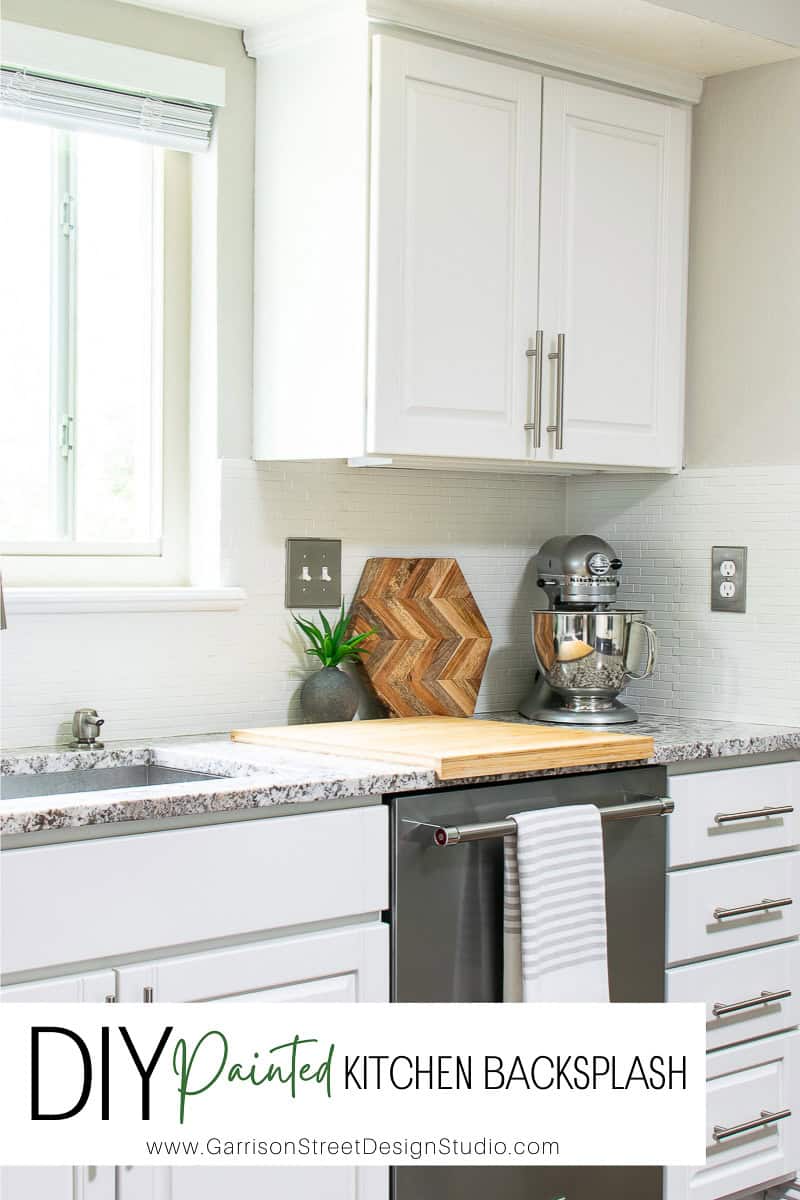
Credit: garrisonstreetdesignstudio.com
Maintaining Fresh Walls
Keeping your kitchen walls looking fresh after repainting takes more than just a good paint job. It requires consistent care and attention to prevent stains, chips, and discoloration from creeping in. By maintaining your walls properly, you extend the life of your paint and keep your kitchen feeling bright and welcoming.
Regular Cleaning Tips
Dust and grease can quickly dull the look of freshly painted walls. Use a soft cloth or sponge with mild soap and warm water to gently clean your walls every few weeks. Avoid harsh chemicals that might strip the paint or cause discoloration.
Pay special attention to areas near the stove and sink where grease buildup is common. Wiping these spots regularly can prevent stains from setting in. Have you noticed how a quick wipe-down after cooking makes a noticeable difference?
For stubborn marks, a magic eraser can work wonders without damaging the paint. Test it on a small, hidden area first to be safe. This simple habit helps maintain a smooth, fresh appearance that lasts.
Touch-up Strategies
Even with careful cleaning, your walls might need occasional touch-ups to fix small chips or scratches. Keep some leftover paint handy and store it properly in a sealed container. This ensures you can quickly address imperfections before they become eyesores.
Use a small brush or sponge to blend touch-ups into the existing paint seamlessly. Focus on matching the paint’s texture and sheen to avoid noticeable patches. Have you tried using a light hand with dabbing motions? It makes blending much easier.
Consider touch-ups as quick fixes rather than a full repaint. This approach saves time and keeps your kitchen walls looking consistently fresh without the hassle of major work. What small maintenance step could you start today to protect your walls?

Credit: rustoleumcolours.co.uk
Frequently Asked Questions
What Is The Best Paint For Kitchen Walls?
Use semi-gloss or satin paint for kitchen walls. These finishes resist moisture, stains, and are easy to clean. They also provide a smooth, durable surface ideal for busy kitchen environments.
How Do I Prepare Kitchen Walls Before Painting?
Clean walls thoroughly to remove grease and dirt. Sand any rough areas and fill holes or cracks with spackle. Use painter’s tape to protect edges and cover surfaces with drop cloths.
How Many Coats Of Paint Are Needed For Kitchen Walls?
Typically, two coats of paint are recommended for kitchen walls. The first coat provides coverage, and the second enhances color depth and durability. Allow proper drying time between coats for best results.
How Long Does It Take To Repaint Kitchen Walls?
Repainting kitchen walls usually takes a few hours to a day. Preparation and drying times influence the total duration. Plan for at least 4-6 hours, including drying between coats.
Conclusion
Repainting kitchen walls can brighten your home quickly. Choose the right paint and prepare walls well. Take your time with each step for best results. Clean brushes and rollers right after use. Enjoy the fresh, clean look you created yourself.
Small changes like these make a big difference. Keep practicing to improve your painting skills. Your kitchen will feel new and inviting soon. Simple efforts bring great satisfaction. Why wait? Start your kitchen makeover today!
