

Have you ever bought a new glass or jar and found a sticker stuck on it? Sometimes, stickers can be hard to remove. They leave behind sticky glue or tear into small pieces. This can be frustrating. But don’t worry! Removing stickers from glassware can be easy. You just need to know the right steps and tools.
In this article, we will explain simple ways to get rid of stickers and glue from glass. These methods use things you can find at home. You do not need special tools or chemicals.
Why is It Hard to Remove Stickers from Glass?
Stickers stick well to glass. The glue is strong and hard to break. Also, glass is smooth and shiny. This means stickers do not come off easily. Sometimes, the glue stays on even after you remove the paper part. This glue can be sticky and ugly.
It is important to remove both the sticker and the glue. If you do not, your glassware will look dirty. Also, sticky glass can catch dust and dirt.
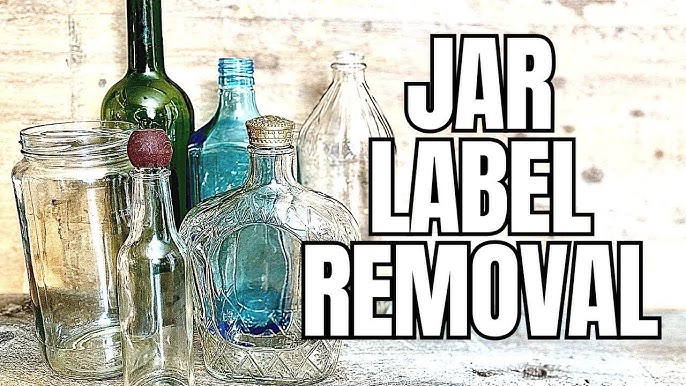
Credit: m.youtube.com
Things You Need to Remove Stickers from Glassware
Before you start, gather these items:
- Warm water
- Dish soap
- A sponge or cloth
- Cooking oil or baby oil
- Rubbing alcohol (optional)
- Hair dryer (optional)
- Plastic scraper or old credit card
- Baking soda (optional)
Step-by-Step Guide to Remove Stickers
Follow these simple steps to clean your glassware.
Step 1: Soak The Glass In Warm Soapy Water
Fill a bowl or sink with warm water. Add a few drops of dish soap. Mix it well. Put your glassware in the water. Let it soak for 10 to 15 minutes. The warm water softens the sticker and glue.
After soaking, try to peel off the sticker. Use your fingers or a plastic scraper. Do not use sharp tools. They can scratch the glass. If the sticker is still hard to remove, move to the next step.
Step 2: Use Cooking Oil To Remove Sticker Glue
Cooking oil works well to break glue. You can use vegetable oil, olive oil, or baby oil. Put a small amount of oil on a cloth or cotton ball. Rub it on the sticky glue. Let it sit for 5 to 10 minutes.
After that, rub the glue gently. You will see it start to come off. Keep rubbing until the glue disappears. Then, wash the glass with warm soapy water to remove the oil.
Step 3: Try Rubbing Alcohol For Stubborn Glue
If the glue is still there, use rubbing alcohol. It helps dissolve sticky glue. Put a small amount on a cloth. Rub the sticky areas gently. You will notice the glue getting softer.
After rubbing, wash the glass with warm water and soap. This removes any leftover glue and alcohol smell.
Step 4: Use A Hair Dryer To Heat The Sticker
Sometimes, heating the sticker helps. Use a hair dryer on medium heat. Hold it a few inches from the sticker. Heat the sticker for 30 seconds to 1 minute. The heat makes the glue soft.
After heating, try peeling off the sticker carefully. Use a plastic scraper if needed. Be patient and gentle to avoid glass damage.
Step 5: Make A Paste With Baking Soda And Oil
If glue still sticks, try this homemade paste. Mix equal parts baking soda and cooking oil. Make a thick paste. Apply the paste on the glue. Let it sit for 10 minutes.
Then, rub the glue with a cloth or sponge. The baking soda acts like a gentle scrub. It helps remove glue without hurting the glass. Wash the glass with soap and water after this step.
Tips for Safe and Easy Sticker Removal
- Always use plastic tools, not metal ones.
- Do not use sharp objects to scrape glass.
- Be patient. Rushing can break the glass.
- Test oils or alcohol on a small spot first.
- Work in a well-ventilated area if using rubbing alcohol.
- Keep children away from cleaning chemicals.
- Wash the glass well after removing glue.

Credit: www.youtube.com
Common Mistakes to Avoid
Here are some common errors people make:
- Using knives or metal tools that scratch glass.
- Trying to peel stickers without softening glue first.
- Using very hot water that can break glass.
- Using strong chemicals that damage glass or leave smell.
How to Prevent Sticker Glue Problems
Sometimes, you can avoid hard sticker removal. Here are tips:
- Remove stickers right after buying glassware.
- Use warm water and soap to clean stickers early.
- Peel stickers slowly to avoid tearing.
- Keep glassware dry and clean to avoid sticky dirt.
Summary Table of Sticker Removal Methods
| Method | Tools Needed | Time | How It Works |
|---|---|---|---|
| Soaking in Warm Soapy Water | Warm water, dish soap, bowl | 10-15 minutes | Softens sticker and glue for easy peeling |
| Cooking Oil Rub | Cooking oil, cloth | 5-10 minutes | Breaks down glue with oil’s slippery texture |
| Rubbing Alcohol | Rubbing alcohol, cloth | 5 minutes | Dissolves sticky glue for easy removal |
| Hair Dryer Heat | Hair dryer | 30 seconds to 1 minute | Softens glue with warm air for peeling |
| Baking Soda and Oil Paste | Baking soda, cooking oil, cloth | 10 minutes | Gently scrubs glue without damaging glass |
Final Thoughts
Removing stickers from glassware is simple. Warm water, oil, and patience work well. Avoid harsh tools or chemicals. Use safe methods to keep glass clean and shiny. Follow our steps and your glassware will look new again.
Remember, take your time. Use gentle rubbing and soft tools. Soon, your glass will be free of stickers and sticky glue.
Frequently Asked Questions
How Do I Remove Stickers From Glass Without Scratching?
Use warm soapy water and a soft cloth to gently peel off the sticker. Avoid sharp tools.
What Household Items Help Remove Sticker Glue From Glass?
Rubbing alcohol, vinegar, or cooking oil work well to dissolve sticker residue on glass surfaces.
Can Heat Help In Removing Stickers From Glassware?
Yes, using a hairdryer softens the glue, making stickers easier to peel off cleanly.
How Long Should I Soak Glassware To Remove Stickers?
Soak glassware in warm soapy water for 10-15 minutes to loosen stickers and glue.
Ethan Cole is a kitchen innovation enthusiast and food technology writer at DiningGadgets.com. With over 8 years of experience reviewing cookware, smart kitchen tools, and design trends, he helps readers discover gadgets that make cooking easier and dining more enjoyable. When he’s not testing the latest kitchen appliances, Ethan enjoys experimenting with recipes and sharing practical tips for modern homes.