

Are you ready to give your kitchen a fresh new look but worried about damaging your walls while removing old tiles? You’re not alone.
Taking off kitchen wall tiles can seem tricky, but with the right approach, you can do it cleanly and safely. Imagine peeling off those tiles without leaving a mess or holes behind—sounds great, right? In this guide, you’ll discover simple, step-by-step methods to remove your kitchen wall tiles without harming the wall underneath.
Keep reading, and you’ll soon have the confidence to tackle this project like a pro.
Credit: www.nationalplastics.co.uk
Tools Needed
Removing kitchen wall tiles without damaging the wall requires the right tools. Using proper tools helps you work carefully and avoid costly repairs. Collecting all necessary tools before starting saves time and effort.
Choose tools that allow gentle and precise tile removal. Tools should help loosen tiles and clean off old adhesive. Working slowly with the right tools protects your wall surface.
Protective Gear
- Safety goggles to shield your eyes from debris
- Gloves to protect your hands from sharp edges
- Dust mask to avoid inhaling dust and particles
Basic Tools
- Putty knife or scraper for prying tiles gently
- Hammer to tap the scraper under tiles carefully
- Utility knife to cut through grout around tiles
Advanced Tools
- Oscillating multi-tool with a grout removal blade for precision
- Chisel for stubborn tiles that won’t budge
- Heat gun to soften adhesive for easier tile removal
Cleaning Tools
- Sandpaper or sanding block to smooth the wall surface
- Vacuum cleaner to pick up dust and debris
- Cloth and mild cleaner to wipe down the wall after removal
Prepare The Area
Preparing the area before removing kitchen wall tiles is crucial to protect your walls and make the process smoother. Taking time to set up your workspace can save you from unexpected damage and extra cleanup later. Let’s look at how to get your kitchen ready for this project.
Clear The Surrounding Space
Start by removing all items near the tiled wall. Take down pictures, shelves, and any decorations that could get in the way.
Move furniture and appliances out of the immediate area or cover them with drop cloths. This prevents dust and debris from settling on your belongings.
Protect Your Floors And Counters
Lay down a thick drop cloth or plastic sheeting on the floor beneath the tiles. Tiles or grout pieces can fall and scratch your floor if it’s unprotected.
Use painter’s tape to secure the edges of the coverings so they don’t shift while you work. Cover nearby countertops with plastic to shield them from dust and stray tile fragments.
Gather The Right Tools And Safety Gear
Having the right tools within reach saves time and keeps you focused. Prepare a putty knife, hammer, chisel, safety goggles, gloves, and a dust mask.
Wearing goggles and a mask is essential to protect your eyes and lungs from dust and sharp tile chips. Gloves help prevent cuts and improve your grip on tools.
Turn Off Utilities If Needed
If your tiled wall has electrical outlets or plumbing fixtures, turn off the power or water supply before starting. This step prevents accidents and damage.
Use a voltage tester to confirm the power is off near electrical outlets. This small precaution can save you from shocks or short circuits.
Turn Off Power And Water
Before you start removing kitchen wall tiles, it’s crucial to turn off the power and water supply. This simple step protects you from electrical shocks and water damage. It also helps you avoid costly repairs that can happen if you accidentally hit a live wire or a water pipe behind the tiles.
Turn Off The Electrical Power
Locate your home’s main electrical panel and switch off the circuit breaker that controls the kitchen area. This prevents any accidental contact with live wires while you work. If you’re unsure which breaker controls the kitchen, turn off the main breaker to be safe.
Use a voltage tester to double-check that the power is off before touching the tiles or wall. This extra caution can save you from unexpected shocks. Remember, safety comes first.
Shut Off The Water Supply
Find the main water valve that controls the kitchen water flow and turn it off. This avoids leaks or water sprays if a pipe is accidentally damaged during tile removal. In older homes, water pipes may run behind the tiles, so it’s better to be cautious.
If your kitchen has a separate valve for the sink, turn that off as well. Drain remaining water by opening the faucet after shutting the valves. This reduces the risk of water spilling when tiles come off.
Double-check Before You Begin
After switching off power and water, test both systems again. Plug in a small appliance or use a voltage tester to confirm the power is off. Turn on the faucet to make sure no water flows.
Taking the time to verify these steps can prevent accidents and save you from headaches later. Have you ever started a project only to realize you missed an important safety step? Avoid that by double-checking now.
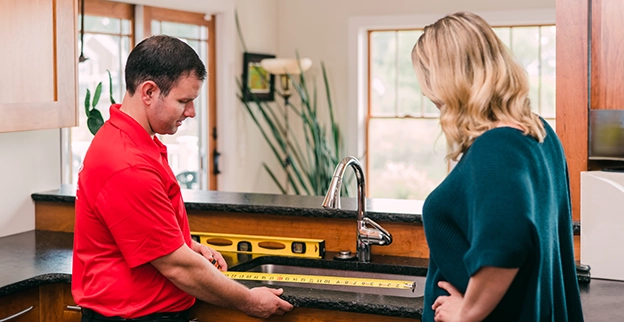
Credit: www.mrhandyman.com
Protect Surrounding Surfaces
Protecting the surrounding surfaces is essential when removing kitchen wall tiles. You want to avoid unnecessary damage to your countertops, cabinets, and floors while focusing on the wall itself. Taking simple precautions can save you a lot of time and money on repairs later.
Cover Adjacent Cabinets And Countertops
Start by covering any cabinets and countertops near the tiled area. Use thick plastic sheeting or drop cloths and secure them with painter’s tape. This prevents dust, debris, and accidental tool slips from scratching or staining these surfaces.
I once skipped this step and found tiny tile fragments embedded in my countertop grout. It took hours to clean up and still left marks behind. Trust me, a little extra effort here pays off.
Protect The Floor With Durable Materials
Tile removal generates a lot of debris that can damage your floor. Lay down cardboard or plywood sheets if you have hardwood or laminate floors. For tile or vinyl floors, a heavy-duty drop cloth will do the job.
Make sure the floor covering extends several feet beyond the work area. This way, any flying chips or dropped tools won’t cause harm beyond the immediate space.
Use Painter’s Tape On Wall Edges
Apply painter’s tape along the edges where the tiled wall meets painted walls or trim. This simple step prevents accidental chipping or peeling of paint. It also helps create a clean line when you finish the removal process.
Painter’s tape is easy to remove and won’t leave residue, so don’t skip this step just to save a few minutes.
Seal Electrical Outlets And Switches
Remove outlet covers and switch plates before you start. Then seal the openings with painter’s tape or plastic wrap. This keeps dust and debris from getting inside, which can cause electrical issues or make cleanup harder.
Have you ever cleaned tile dust out of an outlet? It’s frustrating and unnecessary if you take this small precaution.
Remove Grout Lines
Removing grout lines is a crucial step when taking down kitchen wall tiles without harming the underlying wall. Grout acts like the glue between tiles, so loosening it first makes tile removal much easier and safer for your wall. If you skip this step, you risk pulling off chunks of drywall or plaster along with the tiles.
Taking your time with grout removal can save you hours of patching and repairs later. Have you ever tried to pull tiles off only to end up with a damaged wall? That frustration often comes from not properly addressing the grout lines first.
Tools You’ll Need To Remove Grout Lines
- Grout saw– a manual tool with a small blade designed to scrape out grout.
- Oscillating multi-tool– with a grout removal attachment for faster work.
- Utility knife– useful for scoring grout in tight corners.
- Protective gear– gloves and safety goggles to protect your hands and eyes.
Using the right tools makes grout removal less of a chore and reduces the risk of wall damage. I once tried scraping grout with just a screwdriver — it was slow and left my wall scratched. Investing in a proper grout saw or multi-tool attachment changed the game.
How To Carefully Remove Grout Lines
- Start by scoring the grout lines with your utility knife to weaken the grout.
- Use the grout saw or oscillating tool to gently scrape away the grout between tiles.
- Work slowly and apply light pressure to avoid digging into the wall behind the grout.
- Remove grout in small sections to maintain control and prevent slips.
Patience is key here. Rushing can cause you to gouge the wall, making your tile removal more difficult and messy. Ask yourself, is it better to spend an extra hour now or several hours fixing wall damage later?
Tips To Protect Your Wall During Grout Removal
- Keep your tools sharp to reduce the force needed and avoid slips.
- Use painter’s tape along the edges of tiles to shield the wall.
- Work in a well-lit area so you can clearly see grout lines and avoid mistakes.
- Take frequent breaks to maintain steady hands and focus.
These small precautions made a big difference when I removed grout in my kitchen. The wall stayed intact, and the tiles came off cleanly. What small habit could you add to protect your wall during this process?

Credit: www.diychatroom.com
Loosen Tiles Gently
Loosening kitchen wall tiles gently is key to protecting the wall underneath. Applying too much force can cause cracks or damage. The goal is to weaken the adhesive without harming the drywall or plaster behind the tiles.
Patience and the right tools help in easing the tiles off smoothly. A careful approach reduces repairs and saves time in the long run.
Use Warm Water To Soften Adhesive
Warm water helps to loosen the glue holding tiles. Soak a sponge or cloth in warm water and press it against the tile for 10-15 minutes. This softens the adhesive, making tiles easier to remove.
Apply A Putty Knife Carefully
Slide a thin putty knife under the edge of the tile. Gently wiggle the knife side to side to break the seal. Avoid forcing the knife too hard to prevent wall damage.
Work Slowly Around Tile Edges
Start loosening from the tile edges rather than the center. Edges offer the best leverage and reduce stress on the wall. Move steadily and check progress often.
Use A Heat Gun For Stubborn Tiles
Heat softens tough adhesives. Hold a heat gun a few inches from the tile surface. Warm the tile for a minute or two before prying it loose. Be careful not to overheat and damage the wall.
Remove Tiles One At A Time
Focus on one tile at a time to avoid damage. Removing multiple tiles at once risks pulling off chunks of drywall. Take breaks and assess the wall as you work.
Use Proper Techniques
Removing kitchen wall tiles without damaging the wall requires more than just brute force. Using proper techniques helps you maintain the integrity of the surface beneath, saving you time and money on repairs. Let’s dive into practical ways you can carefully detach those tiles while keeping your wall intact.
Pry With A Putty Knife
Start by sliding a thin, flexible putty knife gently under the edge of a tile. This tool gives you control and precision, reducing the risk of gouging the wall. Don’t rush—work the knife back and forth slowly to loosen the adhesive holding the tile.
Be patient here. If the tile resists, add a bit more pressure gradually instead of forcing it. This technique worked well for me when I removed old backsplash tiles without leaving scratches.
Tap Tiles Carefully
If a tile is stubborn, tapping it lightly with a rubber mallet or the handle of your putty knife can help. The gentle taps break up the adhesive’s grip without cracking the tile or damaging the drywall underneath. Avoid using heavy hits as they can cause chips or wall dents.
Think about how a delicate vibration can loosen glue. Can you imagine how much damage a hard bang might cause? Tapping carefully lets you control the force and direction of impact.
Work From Edges
Always begin removing tiles from the edges or corners rather than the center. Edges are usually less firmly attached and easier to pry off. As you progress, you’ll reduce the risk of damaging large sections of the wall because you’re gradually loosening the tiles.
Have you noticed how pulling something from the edge is easier than from the middle? This simple approach helps you avoid unexpected wall damage and keeps your project clean and efficient.
Handle Stubborn Tiles
Some tiles just refuse to budge no matter how gently you work. Stubborn tiles can test your patience, but with the right approach, you can remove them without damaging your wall. It’s all about patience, the right tools, and a careful touch.
Use A Heat Gun To Soften Adhesive
Applying heat loosens the glue holding the tile to the wall. Hold a heat gun a few inches away from the tile and move it slowly to avoid overheating one spot.
Once the adhesive softens, gently pry the tile with a putty knife or scraper. This method saved me hours when removing a particularly tough ceramic tile in my kitchen renovation.
Apply A Penetrating Adhesive Remover
Adhesive removers can break down stubborn glue residues. Use a product designed for tile adhesives and follow the instructions carefully.
After applying the remover, wait the recommended time before attempting to lift the tile. This extra step can prevent wall damage and make your job much easier.
Tap Gently With A Rubber Mallet
Sometimes, a little vibration helps loosen tiles. Gently tap around the edges of the tile using a rubber mallet to avoid cracking or breaking it.
This technique can loosen hidden nails or adhesive spots that are holding the tile firmly in place.
Work From The Edges Inward
Start prying from the tile edges where the adhesive is usually weaker. Avoid forcing the center area first, as this increases the risk of wall damage.
Patience in moving inward gradually helps you keep the wall intact and reduces tile breakage.
Protect Surrounding Areas With Painter’s Tape
Applying painter’s tape around stubborn tiles prevents accidental scrapes or dents on adjacent surfaces.
This simple step protects your wall paint and helps you focus on removing the tile without added stress.
Clean Residue Safely
Cleaning tile residue carefully protects your wall’s surface. Leftover glue and grout can harm paint or drywall. Removing them gently keeps your kitchen wall smooth and ready for new decoration.
Use soft tools and mild cleaners. Avoid harsh chemicals or scraping hard. These can cause scratches or dents. Patience is key for a clean, damage-free wall.
Gather Gentle Cleaning Supplies
- Soft cloths or sponges
- Plastic scraper or old credit card
- Warm water
- Mild dish soap
- White vinegar (optional)
Soften Residue With Warm Soapy Water
Mix warm water with a few drops of mild soap. Soak a cloth in this solution. Press the cloth on the residue for several minutes. This softens glue and grout for easier removal.
Scrape Gently Using Plastic Tools
Use a plastic scraper or credit card. Slide it carefully under the residue edge. Avoid metal tools to prevent wall damage. Work slowly and lift residue off bit by bit.
Use Vinegar For Stubborn Grout
Apply white vinegar to tough grout spots. Let it sit for 5-10 minutes. Vinegar breaks down mineral deposits safely. Wipe clean with a damp cloth after treatment.
Rinse And Dry The Wall Thoroughly
Wipe the area with clean water to remove leftover cleaner. Use a dry cloth to absorb moisture. This prevents water damage and prepares wall for repainting or tiling.
Repair Minor Wall Damage
Repairing minor wall damage after removing kitchen tiles is essential for a smooth finish. Small holes, cracks, or rough patches can spoil the look of your walls. Fixing these imperfections prepares the surface for new paint or tiles. This step helps maintain the wall’s strength and appearance.
Clean The Damaged Area
Remove dust and loose debris using a soft brush or cloth. Wipe the wall gently to ensure the repair material sticks well. A clean surface prevents bubbles and cracks later.
Apply Spackle Or Wall Filler
Use a putty knife to spread spackle over holes or cracks. Press the filler firmly into the damage for good coverage. Smooth the surface with the knife edge to blend it with the wall.
Let The Filler Dry
Allow the spackle to dry completely before sanding or painting. Drying times vary, so check the product instructions. Proper drying prevents cracks and uneven surfaces.
Sand The Surface Smooth
Use fine-grit sandpaper to level the repaired spots. Sand gently to avoid damaging the surrounding wall. This step creates a flat surface ready for finishing touches.
Prime And Paint
Apply a primer to seal the repaired areas and improve paint adhesion. After the primer dries, paint the wall to match your kitchen decor. This step hides the repairs and restores a clean look.
Prevent Future Damage
Preventing future damage to your kitchen walls after removing tiles is just as important as the removal process itself. Walls can be fragile, especially after the adhesive and grout are stripped away. Taking extra care now saves you from costly repairs and frustrating delays later.
Clean Residual Adhesive Thoroughly
Leftover adhesive can cause problems when you try to repaint or retile. Use a scraper gently to remove any stubborn glue without gouging the wall.
After scraping, wipe the surface with a damp cloth to clear dust and small particles. This ensures a smooth base for your next project.
Repair Minor Wall Imperfections Promptly
Small cracks or holes often appear after tile removal. Don’t ignore these; fill them with spackling paste or wall filler immediately.
Sanding the patched areas smooth once dry creates an even surface. This step prevents uneven paint or tile adhesion later.
Seal The Wall To Protect Against Moisture
If your kitchen wall is exposed to steam or water splashes, sealing it is crucial. Apply a primer or sealant designed for moisture resistance before painting or tiling.
This protective layer reduces risks of mold and wall warping, extending the life of your renovation work.
Choose The Right Tools For Wall Preparation
Using abrasive tools can weaken the wall surface. Opt for softer scrapers and fine-grit sandpaper to prepare the wall carefully.
How often do you rush through preparation only to face peeling paint or loose tiles later? Taking your time here makes a big difference.
Maintain Proper Ventilation During And After Work
Good airflow helps dry out any moisture from cleaning or sealing processes. Keep windows open or use fans to speed up drying.
This simple step prevents trapped moisture, which can cause paint bubbles or adhesive failures down the line.
Frequently Asked Questions
How Do I Remove Kitchen Wall Tiles Safely?
Start by scoring grout lines and gently prying tiles with a putty knife. Work slowly to avoid wall damage. Use a hammer and chisel if needed, but always apply light pressure to preserve the underlying wall surface.
What Tools Are Needed To Remove Wall Tiles?
You need a putty knife, hammer, chisel, grout saw, gloves, and safety goggles. These tools help in loosening and prying tiles carefully while protecting yourself and the wall from damage.
Can I Remove Tiles Without Damaging Drywall?
Yes, by carefully loosening grout first and prying tiles gently. Avoid using excessive force or scraping hard. Using the right tools and patience helps keep drywall intact during tile removal.
How To Clean Adhesive Residue After Tile Removal?
Use a scraper or putty knife to gently remove leftover adhesive. For stubborn spots, apply warm water or adhesive remover. Always be gentle to avoid damaging the wall surface beneath.
Conclusion
Removing kitchen wall tiles can be done without damaging the walls. Use the right tools and take your time. Start by loosening the tiles gently. Protect the underlying wall by being cautious. Patience is key to success in this task.
Keep your workspace clean and organized. Ensure safety by wearing gloves and goggles. Follow these steps, and your kitchen will look great. Enjoy the satisfaction of a job well done. Happy renovating!
