

Are you tired of those old kitchen wall tiles that no longer match your style? Removing them might seem like a big job, but with the right steps, you can do it yourself and transform your kitchen quickly.
Imagine the satisfaction of seeing your fresh, clean walls ready for a new look—all without calling in expensive help. In this guide, you’ll discover simple, effective ways to remove your kitchen wall tiles safely and efficiently. Keep reading, and you’ll learn how to save time, avoid common mistakes, and get your kitchen ready for a stunning makeover.
Tools And Materials Needed
Removing kitchen wall tiles requires the right tools and materials to make the process smoother and safer. Having everything prepared before you start can save you time and prevent frustration. Let’s break down what you need to get started.
Essential Tools
Gathering the right tools makes tile removal easier and protects your walls from unnecessary damage. You will need:
- Putty knife or scraper:To gently pry tiles off the wall.
- Hammer:Useful for tapping the scraper under stubborn tiles.
- Chisel:Helps remove grout and loosen tiles.
- Utility knife:To cut through caulking or sealant around tiles.
- Power drill with a chisel attachment:Optional but speeds up the process if you have many tiles.
- Bucket and sponge:For cleaning dust and debris as you work.
Have you ever tried removing tiles without the right tools? It often leads to chipped walls or broken tiles, making your job twice as hard.
Safety Gear
Protecting yourself is crucial. Tiles can shatter and create sharp edges. Always wear:
- Safety goggles:To shield your eyes from flying debris.
- Work gloves:To protect your hands from cuts and scrapes.
- Dust mask:To avoid inhaling dust and small particles.
- Long-sleeve shirt and pants:To protect your skin from sharp edges and dust.
Ignoring safety gear might save a few minutes but risks serious injury. Do you want to stop halfway through because of a cut or worse?
Preparing Your Workspace
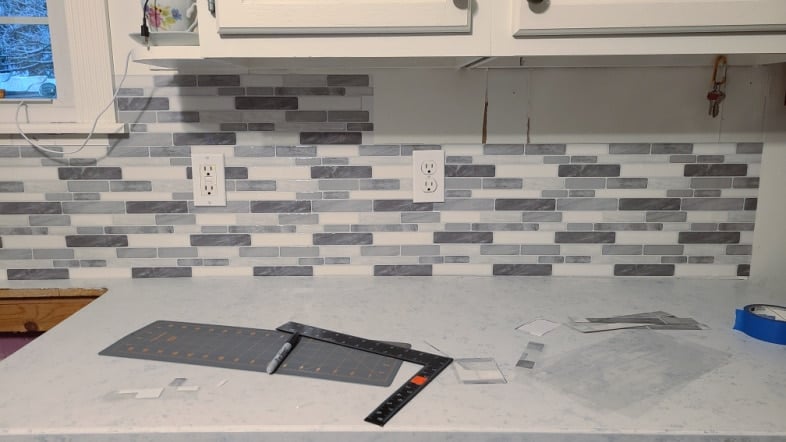
Before you start, clear the area around the wall to avoid accidents and damage to furniture. Cover countertops and floors with drop cloths or plastic sheets to catch debris. Tape off edges where walls meet counters or cabinets to keep dust from settling in hard-to-clean spots.
Make sure you have good lighting to spot loose tiles or cracks. How often do you realize you forgot to protect your floor only after making a big mess?
Credit: www.myrepurposedlife.com
Preparing The Wall
Preparing the wall before removing kitchen tiles is crucial to ensure a smooth and safe process. Skipping this step can lead to unnecessary damage or hazards. Taking the time to clear the space, protect your surroundings, and shut off utilities sets a strong foundation for your tile removal project.
Clearing The Area
Start by removing all items from your kitchen counters and shelves near the tiled wall. This includes small appliances, utensils, and decorative pieces. Clearing the area gives you ample workspace and prevents items from getting damaged or dirty during tile removal.
Consider moving furniture or covering larger items with drop cloths to keep dust and debris contained. You want to avoid spending extra time cleaning up or dealing with broken belongings later.
Protecting Surroundings
Protecting your floors and adjacent walls is essential. Lay down sturdy drop cloths or plastic sheets on the floor to catch falling tiles and dust. Use painter’s tape to secure plastic sheeting over doorways or vents to prevent dust from spreading throughout your home.
Wear safety goggles and gloves to protect yourself from sharp tile edges and flying debris. Have a dust mask handy to avoid breathing in fine particles, especially if your kitchen is small or poorly ventilated.
Shutting Off Utilities
Before you begin prying tiles off the wall, turn off the water supply if there are any pipes behind the tiles. This step prevents leaks or water damage if you accidentally disturb plumbing.
Also, switch off the power to any electrical outlets or switches on the tiled wall. This precaution keeps you safe from electric shocks when working near wiring.
Have you ever underestimated how important shutting off utilities can be? Taking a few extra minutes here can save you from costly repairs or injuries.
Removing Grout
Removing grout is a crucial step before you can take down your kitchen wall tiles. It loosens the bond between tiles and the wall, making the removal process much smoother. Skipping or rushing this step can lead to damaged tiles or even wall surfaces, creating more work for you later on.
Manual Grout Removal
Using a grout removal tool or a simple utility knife allows you to work carefully around each tile. This method gives you control, especially if you want to save the tiles for reuse. Patience is key here—go slowly to avoid scratching or breaking the tiles.
Wear gloves and eye protection because grout dust can irritate your skin and eyes. It might take time, but the quiet and precision of manual removal often results in cleaner edges around the tiles. Have you ever tried scraping grout by hand? You’ll notice how much effort it takes but also how much less mess it creates.
Using Power Tools
If you need to speed up the process, power tools like oscillating multi-tools with grout removal blades can be a game changer. These tools cut through grout quickly and reduce the physical strain on your hands. However, they require a steady hand to avoid damaging your tiles or wall.
Make sure to work in short bursts to prevent overheating the tool or creating too much dust. It’s smart to use a vacuum attachment if your tool supports it, keeping your workspace cleaner and safer. Ask yourself: is the speed worth the extra noise and dust in your kitchen?
Cleaning Residue
After grout removal, you’ll likely see leftover dust and small bits stuck between tiles. Use a stiff brush or a damp sponge to scrub away the residue. This step helps you assess the wall condition and prepares the surface for any repairs or new tile installation.
Don’t rush this part—clean surfaces mean better adhesion for new grout or paint. If you notice stubborn patches, a mild vinegar solution can help dissolve grout remnants without harming your walls. How clean your wall is now will directly affect the success of your next kitchen makeover.
Removing Tiles
Removing kitchen wall tiles can feel like a daunting task, but breaking it down into manageable steps makes the process smoother. The key lies in patience and the right approach to avoid damaging your walls. Let’s focus on how to effectively remove those tiles without turning your kitchen into a construction zone.
Starting At The Edges
Begin by examining the edges of the tiled area. Tiles along the perimeter are usually easier to remove because they aren’t surrounded by grout on all sides. Use a utility knife to carefully cut through the grout lines near the edges to loosen the tiles.
Starting here helps you create a gap to insert your tools. Have you noticed how much easier it is to lift a tile when you can get underneath it? This initial gap will make the rest of the removal process less strenuous.
Using A Chisel And Hammer
Once you have a gap, grab a chisel and hammer to gently pry the tiles off the wall. Hold the chisel at a low angle and tap it lightly with the hammer to slide it under the tile. Applying steady, gentle pressure prevents breaking the tile too early or damaging the wall behind it.
Work slowly, moving the chisel around the tile’s edges to gradually loosen it. If you try to rush, you risk cracking the tiles or creating big holes in the drywall. Think about how much easier it is when you chip away carefully rather than forcing it.
Handling Stubborn Tiles
Some tiles will resist removal, especially those firmly glued or located in tricky spots. For these, try heating the tile with a hairdryer to soften the adhesive. This can make prying easier and reduce the chances of wall damage.
If heating doesn’t help, use a stronger tool like a pry bar, but protect your wall by placing a thin piece of wood behind the tool. Remember, patience here saves you from costly repairs later. What’s the toughest tile you’ve ever had to remove, and how did you handle it?
Dealing With Adhesive
After removing kitchen wall tiles, you’re often left with stubborn adhesive stuck to the surface. This sticky residue can make your wall look messy and uneven, which can be a real headache if you want a smooth finish for repainting or retiling. Tackling the adhesive properly is key to preparing your wall for the next step in your kitchen makeover.
Scraping Off Residue
Start by using a sturdy putty knife or a scraper to chip away at the adhesive. Hold the tool at a low angle to avoid damaging the wall underneath. You might find some spots easier to scrape, while others resist—don’t rush, and work patiently to peel off as much as you can.
If the adhesive is thick and hard, try heating it with a hairdryer or heat gun for a few seconds. The warmth softens the glue, making scraping less strenuous. Have you noticed how heat can transform a tough job into a manageable task?
Using Chemical Adhesive Removers
If scraping alone doesn’t do the trick, chemical adhesive removers can help dissolve the stubborn glue. Choose a product designed for your wall type and follow the instructions carefully. Always wear gloves and ensure good ventilation—these chemicals can be strong.
Apply the remover with a brush or cloth and let it sit for the recommended time. You’ll see the adhesive start to bubble or soften, making it easier to wipe or scrape away. Remember, patience here saves time and prevents wall damage.
Sanding For Smoothness
Once the bulk of the adhesive is gone, sanding the wall smoothens any rough patches left behind. Use medium-grit sandpaper to start, then finish with fine-grit for an even surface. Sand lightly to avoid creating uneven spots or damaging drywall.
Wear a mask to avoid inhaling dust, and clean the wall thoroughly after sanding. A smooth wall means your new tiles or paint will look flawless. Isn’t it satisfying to see a clean, prepped wall ready for its next transformation?
Credit: www.mineraltiles.com
Repairing The Wall Surface
After removing your kitchen wall tiles, you’re left with a surface that often needs some attention before you can add new tiles or paint. Repairing the wall surface is crucial to ensure a smooth, professional finish. Ignoring this step can lead to uneven tiles, peeling paint, or other issues that ruin the look and durability of your work.
Filling Holes And Cracks
Tiles usually leave behind holes and cracks from grout and adhesive removal. Use a good-quality filler or spackling compound to fill these imperfections. Apply it with a putty knife, pressing firmly to fill deeper gaps, and smooth out the surface as best as you can.
Let the filler dry completely before moving on. If you miss a spot, your new tiles or paint will show every bump and dent. Have you noticed how even small holes can create big problems later?
Sanding And Smoothing
Once the filler is dry, sanding the wall is the next step. Use medium to fine-grit sandpaper to smooth out the patched areas and any rough spots left from tile removal. This process helps blend the repair with the rest of the wall, creating an even surface.
Don’t rush this part. Take your time to avoid uneven surfaces that can cause tiles to crack or paint to peel. Remember, a smooth wall is the foundation of a flawless finish.
Priming For New Tiles Or Paint
Priming your wall after sanding is essential. Primer seals the surface and improves adhesion for tiles or paint. Choose a primer suitable for your wall type and the finish you want.
Applying primer might seem like an extra step, but it prevents problems like peeling or bubbling later on. Have you ever painted over a wall without priming and ended up with patchy coverage? Avoid that disappointment by adding this simple step.
Cleanup Tips
Cleaning up after removing kitchen wall tiles can feel like a daunting task, but getting it right saves you time and effort later. The key is to organize your cleanup process carefully and use the right tools. You’ll also want to keep safety in mind every step of the way.
Disposing Of Debris
Tile debris can quickly pile up, so having a disposal plan before you start makes cleanup smoother. Use heavy-duty trash bags or a sturdy bin to collect broken tiles and dust as you work. Avoid overfilling bags to prevent tearing, which can create more mess and hazards.
Check your local regulations for disposing of construction waste. Some areas have specific drop-off sites or recycling programs for tile material. Could your old tiles be reused in a creative way instead of thrown away? Thinking about this might reduce waste and inspire new projects.
Cleaning Tools
Gather tools that make cleaning easier and protect your surfaces. A stiff broom and dustpan help sweep up larger pieces, while a vacuum cleaner with a HEPA filter captures fine dust particles effectively. Don’t forget microfiber cloths to wipe down walls and counters afterward.
Have you tried using a damp sponge to catch dust before it spreads? It’s a simple trick that keeps your kitchen cleaner during the process. Also, keep a bucket of warm soapy water nearby to rinse tools and prevent grime build-up.
Maintaining Safety
Safety can’t be overlooked during cleanup. Wear gloves to protect your hands from sharp tile edges and a dust mask to avoid inhaling fine particles. Eye protection is also crucial since debris can fly unexpectedly while sweeping or vacuuming.
Are you working with others? Clear communication and designating cleanup roles can prevent accidents. Remember, taking short breaks reduces fatigue, helping you stay alert and safe as you finish the job.
Credit: www.mrhandyman.com
Frequently Asked Questions
How Do I Safely Remove Kitchen Wall Tiles?
To safely remove kitchen wall tiles, wear protective gear like gloves and goggles. Use a hammer and chisel to gently pry tiles off. Work slowly to avoid damaging the wall underneath.
What Tools Are Needed To Remove Kitchen Wall Tiles?
You need a hammer, chisel or putty knife, safety goggles, gloves, and a dust mask. A heat gun or tile scraper can also help loosen stubborn tiles efficiently.
Can I Remove Kitchen Wall Tiles Without Damaging Drywall?
Yes, to protect drywall, use gentle prying and avoid excessive force. Score grout lines first to loosen tiles. Take your time to prevent cracks or holes in the wall.
How Do I Prepare The Wall After Tile Removal?
Clean off leftover adhesive with a scraper and sand rough spots. Fill holes or cracks with spackle, then sand smooth. Prime the wall before painting or installing new tiles.
Conclusion
Removing kitchen wall tiles doesn’t have to be difficult. With the right tools, the task becomes manageable. Start by gathering everything you need. Safety gear is essential to protect yourself. Follow each step carefully to avoid damage. Take your time and be patient.
Clean up thoroughly after the job. This will make your kitchen look fresh and tidy. Feel proud of the work you accomplished. Now you know how to remove kitchen tiles safely and effectively.
