

Are you tired of staring at those stubborn grease stains on your kitchen walls? You’re not alone.
It’s a common problem in many homes, and it can be quite an eyesore. But don’t worry; you don’t have to live with those pesky spots forever. Imagine transforming your kitchen walls back to their original, pristine condition. This guide will show you how to remove kitchen grease from painted walls quickly and efficiently.
We’ll share simple, effective techniques that you can apply today. By the end of this article, you’ll be armed with the knowledge to banish grease stains for good. Let’s dive in and get your kitchen looking spotless and fresh again.
Causes Of Kitchen Grease On Walls
Kitchen grease on painted walls happens from many common cooking activities. Grease is a natural byproduct of frying and sautéing food. Tiny droplets of oil and fat spread in the air during cooking. These droplets settle on nearby surfaces, including your walls.
Over time, the grease builds up and forms sticky, hard-to-clean stains. Walls near the stove and cooking area are the most affected. Poor ventilation and high heat make the problem worse. Understanding what causes grease on walls helps to prevent and clean it effectively.
Cooking Oils And Fats
Oils and fats release small particles when heated. These particles float in the kitchen air. They stick to surfaces like walls, cabinets, and ceilings. Frying foods creates the most grease particles. Using butter, vegetable oil, or animal fat increases grease buildup.
Steam And Smoke
Cooking produces steam and smoke that carry grease particles. Steam spreads grease far from the stove. Smoke from burning food or oil sticks to walls. This mix of smoke and grease darkens wall paint over time.
Poor Kitchen Ventilation
Limited airflow traps grease particles indoors. Without a strong exhaust fan, grease stays in the air. Windows and doors closed during cooking add to the problem. Ventilation helps remove grease and smoke quickly.
Cooking Habits
Frequent frying and grilling create more grease. Cooking at high heat produces more smoke and oil droplets. Skipping regular cleaning lets grease build up faster. Simple changes in cooking habits can reduce wall stains.

Credit: www.amazon.com
Tools And Supplies Needed
Removing kitchen grease from painted walls needs the right tools and supplies. Using proper items makes cleaning easier and protects your paint. Gather everything before starting the cleaning process to avoid interruptions.
Soft Cloths And Sponges
Soft cloths and sponges help wipe away grease without damaging paint. Choose non-abrasive materials to keep walls smooth. Microfiber cloths work best for gentle cleaning.
Warm Water
Warm water loosens grease and dirt effectively. It helps dissolve oily residues for easier removal. Always use warm, not hot, water to protect paint.
Mild Dish Soap
Mild dish soap cuts through grease without harsh chemicals. Mix with warm water for a safe cleaning solution. Avoid strong detergents that may strip paint.
Baking Soda
Baking soda acts as a gentle abrasive and deodorizer. It helps lift stubborn grease spots. Sprinkle on a damp sponge or cloth for scrubbing.
Spray Bottle
A spray bottle helps apply cleaning solutions evenly. It controls the amount of liquid used on walls. Use it for mixing soap and water solutions.
Bucket
A bucket holds your cleaning solution and fresh water for rinsing. Keep two buckets: one for soap water, one for clean rinse water. This prevents spreading grease back on walls.
Soft-bristle Brush
A soft-bristle brush helps scrub tough grease without scratching paint. Use gently on problem areas. Avoid stiff brushes that can damage wall surfaces.
Preparing The Wall For Cleaning
Preparing the wall before cleaning kitchen grease is essential. It helps avoid damage to the paint and improves cleaning results. Proper preparation makes the cleaning process easier and more effective.
Start by clearing the area around the greasy wall. Remove any furniture, decorations, or appliances near the wall to prevent damage and allow full access.
Next, protect the floor and baseboards. Grease and cleaning solutions can drip or spill. Use old towels, plastic sheets, or newspapers to cover these surfaces.
Gathering The Right Cleaning Supplies
Collect all necessary tools before starting. Use soft sponges or microfiber cloths to avoid scratching the paint. Have a bucket, mild detergent, warm water, and a spray bottle ready.
Testing The Cleaning Solution On A Small Area
Test your cleaning mix on a hidden wall spot. This step ensures the solution won’t damage or discolor the paint. Wait a few minutes and check for any changes.
Removing Dust And Loose Dirt
Before tackling grease, wipe the wall with a dry cloth or duster. This removes dust and loose dirt. It prevents smearing and helps the cleaning solution work better.
Using Homemade Cleaning Solutions
Using homemade cleaning solutions is a smart way to tackle kitchen grease on painted walls without harsh chemicals. These natural ingredients are often already in your pantry, making them convenient and budget-friendly. Plus, they’re gentle enough to protect your paint while still cutting through stubborn grease.
Vinegar And Water Mix
Vinegar’s acidity helps break down grease effectively. Mix equal parts of white vinegar and warm water in a spray bottle for a simple cleaning solution.
Spray the mixture onto the greasy area and let it sit for a minute. Then, wipe with a soft cloth or sponge in circular motions to lift the grime without damaging your paint.
Have you noticed how vinegar not only cleans but leaves a fresh scent behind? It’s a natural deodorizer that can brighten your kitchen atmosphere as well.
Baking Soda Paste
Baking soda acts as a mild abrasive that can scrub away grease without scratching painted surfaces. Mix baking soda with a small amount of water to create a thick paste.
Apply this paste to the greasy spots using a soft cloth or sponge, then gently rub the area. Rinse with a damp cloth to remove residue and reveal a cleaner wall.
This method is particularly useful if you find greasy patches that are a bit stubborn. It’s safe and effective, making it a favorite for many home cooks dealing with kitchen messes.
Dish Soap Solution
Dish soap is designed to cut through grease on dishes, so it works well on walls too. Mix a few drops of mild dish soap into a bowl of warm water to create a foamy solution.
Dip a soft sponge into the soapy water, wring out excess moisture, and wipe down the painted wall. Rinse the sponge and wipe again with clean water to avoid soap buildup.
Next time grease spots appear, consider this simple solution that you probably already have in your kitchen. It’s quick, effective, and gentle on your painted surfaces.
Commercial Cleaners For Grease Removal
Commercial cleaners offer a strong solution for removing kitchen grease from painted walls. They contain special ingredients that break down tough grease quickly. These cleaners save time and effort compared to homemade mixtures.
Many commercial products are safe for painted surfaces. They clean effectively without damaging the paint or leaving stains. Using the right cleaner helps maintain your wall’s look and cleanliness.
Types Of Commercial Grease Cleaners
- Degreasing sprays designed for kitchen use
- Multi-surface cleaners with grease-cutting formulas
- Heavy-duty degreasers for stubborn buildup
- Foaming cleaners that cling to vertical surfaces
How To Use Commercial Cleaners Safely
- Test cleaner on a small hidden area first
- Wear gloves to protect your skin
- Use a soft cloth or sponge for application
- Follow the product instructions carefully
- Rinse the wall with clean water after cleaning
Benefits Of Commercial Cleaners
- Quickly dissolve and remove grease stains
- Prevent grease buildup over time
- Easy to apply and rinse off
- Available in various forms for different needs
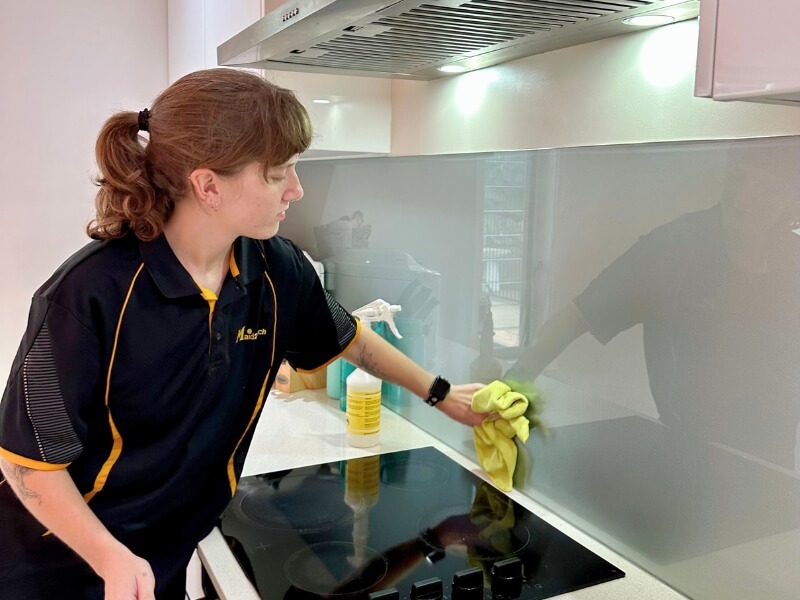
Credit: www.maid2match.com.au
Step-by-step Cleaning Process
Removing kitchen grease from painted walls needs care and the right approach. A step-by-step cleaning process protects your paint and clears away grime effectively. Follow these clear instructions to restore your walls without damage.
Test A Small Area First
Choose a hidden spot on the wall to test your cleaner. Apply a small amount and wait for a few minutes. Check if the paint changes color or peels. This test prevents damage to the entire wall.
Apply Cleaner Gently
Use a soft cloth or sponge with a mild cleaner. Avoid harsh chemicals or strong scrubbing agents. Gently dab or wipe the greasy area. Let the cleaner sit briefly to break down the grease.
Scrubbing Techniques
Use light, circular motions to lift grease without harming paint. Avoid scrubbing too hard, which can remove paint layers. For tough spots, apply a little more cleaner and repeat gently.
Rinsing And Drying
Use a clean, damp cloth to wipe away any leftover cleaner. Remove all residue to prevent sticky buildup. Dry the wall with a soft towel or let it air dry completely.
Preventing Future Grease Buildup
Preventing grease buildup on painted kitchen walls saves you time and effort in cleaning. It also keeps your kitchen looking fresh and inviting. Small changes in your daily habits and kitchen setup can make a big difference in reducing grease stains over time.
Regular Cleaning Routine
Cleaning your kitchen walls regularly stops grease from settling and becoming tough to remove. Use a mild detergent mixed with warm water and a soft cloth or sponge. Wipe down walls at least once a week, especially near cooking areas.
Don’t ignore small splatters—they add up quickly. If you catch grease early, you avoid scrubbing hard later. Think about keeping a spray bottle of your cleaning solution handy for quick touch-ups after cooking.
Use Of Ventilation
Good ventilation helps reduce grease buildup by removing airborne oil particles. Always turn on your kitchen exhaust fan or open windows when you cook. This simple step can prevent grease from settling on your walls.
If your kitchen lacks a vent hood, consider using a portable fan aimed outside. Have you noticed how much grease disappears when you cook with the fan on? That’s because airflow carries grease away before it lands on surfaces.
Protective Wall Coatings
Applying a protective coating to your painted walls adds a barrier against grease. Clear, washable paint or a kitchen-safe sealant can make cleaning easier and prevent stains from soaking in. These coatings don’t change your wall color but boost durability.
Think of it as armor for your walls. You can find many options at home improvement stores. Have you checked if your current paint is washable? If not, switching to a semi-gloss or satin finish might help reduce grease absorption.
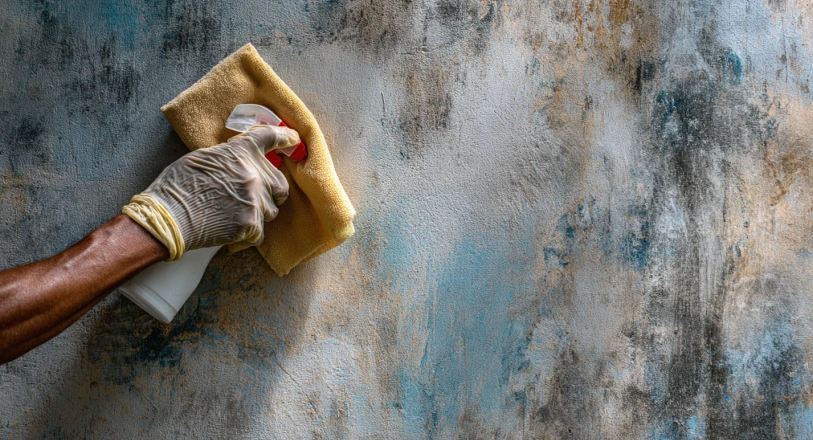
Credit: www.nobroker.in
When To Call A Professional
Sometimes, kitchen grease on painted walls goes beyond a simple wipe down. You might wonder if it’s time to call in a professional to handle the mess. Knowing when to seek expert help can save you frustration and protect your walls from damage.
Signs That Your Grease Stains Need Professional Attention
If the grease has built up for months or even years, it may have deeply penetrated the paint. You’ll notice persistent discoloration that doesn’t fade after multiple cleanings. Scrubbing harder might start peeling the paint or leaving patches behind.
Also, if the grease smell lingers despite your best efforts, it could indicate a hidden buildup inside the wall surface. Professionals use special treatments that go beyond surface cleaning to eliminate both stains and odors.
Complex Wall Finishes And Delicate Paints
Your kitchen walls might have textured paint, wallpaper, or specialty finishes that react poorly to household cleaners. Attempting aggressive cleaning can strip or damage these surfaces. A professional knows which products and techniques preserve the finish while effectively removing grease.
Health And Safety Considerations
Using harsh chemicals without proper ventilation or protective gear risks your health. If you’re sensitive to fumes or worried about chemical exposure, a professional can handle the job safely. They come equipped with the right tools and know how to minimize risks.
Time Constraints And Convenience
Cleaning stubborn grease stains can be time-consuming and exhausting. If your schedule is packed, hiring a professional can free up your time and deliver faster, more thorough results. Sometimes investing in expert help means less stress and a cleaner kitchen.
Cost Vs. Value: When Professional Help Makes Sense
| Scenario | DIY Cleaning | Professional Service |
|---|---|---|
| Minor grease spots | Low cost, quick effort | Unnecessary expense |
| Large, stubborn stains | High effort, risk of damage | Effective, preserves paint |
| Delicate wall finishes | Risky, may cause harm | Safe, customized care |
Thinking about your specific situation helps you decide if professional cleaning is worth it. Could a little extra spending save your walls and sanity in the long run?
Frequently Asked Questions
How Can I Safely Remove Grease From Painted Kitchen Walls?
Use a mixture of warm water, mild dish soap, and a soft sponge. Gently scrub the grease spots without damaging the paint. Avoid harsh chemicals that may strip the paint or cause discoloration.
What Household Items Help Clean Kitchen Grease On Walls?
Common items like baking soda, vinegar, and lemon juice effectively break down grease. Mix with water to create a gentle cleaner. These natural solutions are safe for painted walls and environmentally friendly.
How Often Should I Clean Grease Off Painted Kitchen Walls?
Clean grease buildup every few weeks or after heavy cooking sessions. Regular cleaning prevents stains and paint damage. Consistent maintenance keeps walls fresh and grease-free.
Can I Use Commercial Cleaners On Painted Kitchen Walls?
Yes, but choose cleaners labeled safe for painted surfaces. Test on a small area first to avoid damage. Use sparingly and follow product instructions carefully.
Conclusion
Removing kitchen grease from painted walls does not have to be hard. Use gentle cleaners and soft cloths to protect the paint. Clean small areas first to avoid spreading dirt. Regular cleaning keeps walls fresh and bright. Simple steps save time and effort.
Enjoy a cleaner kitchen with little fuss. Try these tips to keep your walls looking good. Clean walls make your kitchen feel nicer every day.
