

Are you ready to transform your kitchen without breaking the bank? Removing an old backsplash can give your space a fresh, new look.
Whether you’re tired of the outdated design or planning a complete kitchen makeover, knowing how to remove a backsplash from your kitchen wall is a handy skill. Imagine the satisfaction of seeing your kitchen evolve with your personal touch. It’s easier than you think, and you don’t need to be a DIY expert to get it right.
In this guide, you’ll discover simple, step-by-step instructions to safely and efficiently remove your backsplash, preparing your wall for whatever exciting changes you have in mind. Keep reading, and you’ll soon be on your way to a kitchen that feels brand new.
Tools And Materials Needed
Removing a kitchen backsplash requires the right set of tools and materials to make the job easier and safer. Having everything prepared before you start saves time and reduces frustration. Whether you’re tackling a small section or the entire wall, these essentials will help you get the job done efficiently.
Essential Tools For Removing Backsplash
- Putty Knife or Scraper:Ideal for prying off tiles or loosening adhesive. A wider blade covers more surface area and speeds up the process.
- Hammer:Used to tap the putty knife under stubborn tiles. A lightweight hammer gives you control without damaging the wall.
- Utility Knife:Perfect for cutting through caulk or grout lines to separate tiles cleanly from the wall.
- Safety Gear:Gloves protect your hands from sharp edges; safety goggles shield your eyes from flying debris.
- Dust Mask:Helps you avoid inhaling dust and small particles that come off during removal.
Materials You’ll Need
- Drop Cloths or Plastic Sheets:Protect your countertops and floor from dust and debris.
- Bucket and Sponge:Useful for cleaning up dust and adhesive residue after tile removal.
- Adhesive Remover or Solvent:Sometimes necessary to dissolve stubborn glue left on the wall.
- Painter’s Tape:Helps protect surrounding surfaces and outlines areas you want to keep clean.
- Trash Bags or Container:For quick disposal of broken tiles and waste.
Why Prepare Properly?
Have you ever started a project only to realize you’re missing a key tool? It quickly turns a simple task into a marathon. Gathering all your tools and materials upfront keeps you focused and prevents unnecessary interruptions.
Think about the last time you worked without gloves or goggles—did you feel safe? Safety gear isn’t optional. It’s a must to protect yourself from cuts and airborne dust.
Planning also means less cleanup chaos. Covering your counters and floors before you begin saves time and protects your kitchen’s surfaces from damage.
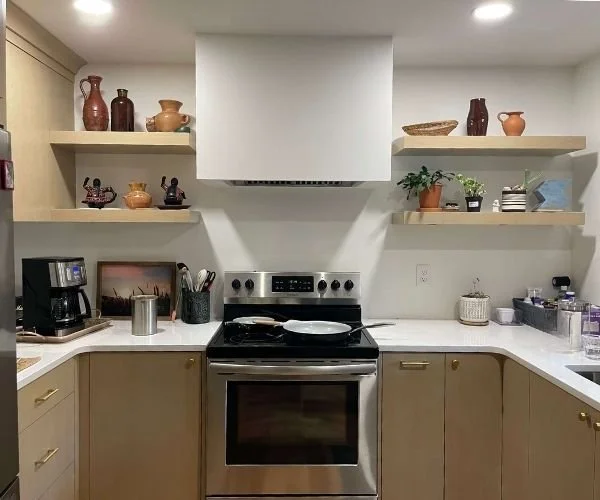
Credit: carlaaston.com
Prepare The Kitchen Area
Preparing your kitchen area is a crucial step before you start removing the backsplash. It sets the stage for a smooth, safe, and efficient process. Taking the time to organize and protect your space can save you from unexpected damage and extra cleanup later.
Clear The Countertop
Remove everything from your countertop—appliances, utensils, and decorative items. Leaving the surface clear gives you ample room to work and prevents any accidental damage to your belongings. If you’ve ever knocked over a blender or spilled debris on your cutting boards during a project, you know how important this step is.
Think about what you use daily and find a temporary home for those items. This way, you won’t feel rushed or stressed while working on the backsplash.
Protect Surrounding Surfaces
Cover your countertops, cabinets, and floors with drop cloths or plastic sheets. Dust and small debris can travel far, and protective coverings keep your kitchen clean. Don’t forget to tape the edges securely so the coverings don’t shift as you work.
Consider using painter’s tape along the edges of cabinets to avoid scratches. If you skip this, you might end up with marks that are harder to fix than the backsplash removal itself.
Turn Off Power And Water
Locate the circuit breaker and turn off power to outlets near the backsplash area. This prevents electrical hazards while using tools or when debris falls near outlets. Safety here isn’t optional—it’s necessary.
If your backsplash covers any plumbing fixtures or water lines, turn off the water supply. Even a small leak can cause big problems during the project. Have a towel or bucket nearby just in case, so you’re ready for any surprises.
Loosen The Grout
Loosening the grout is a crucial step in removing a kitchen backsplash. Grout holds tiles firmly in place, so breaking this bond makes tile removal easier and cleaner. Careful grout removal reduces wall damage and speeds up the process.
Start by focusing on the grout lines around the backsplash. These narrow spaces between tiles need to be cleared out to loosen the tiles safely. Using the right tools and techniques is essential to avoid damage to your kitchen walls and tiles.
Select The Right Grout Removal Tool
Choose a grout removal tool that fits your skill level and the job size. Popular tools include:
- A manual grout saw for small or delicate jobs
- An oscillating multi-tool with a grout removal blade for faster work
- A rotary tool with a grout removal attachment for precision
Manual tools offer better control and less risk of wall damage. Power tools speed up the work but require careful handling. Pick a tool that matches the grout depth and hardness.
Safe Grout Removal Techniques
Start by scoring grout lines gently. Apply steady pressure without forcing the tool. Remove grout in small sections for better control.
- Wear safety goggles to protect eyes from dust
- Use a dust mask to avoid inhaling particles
- Keep the tool blade perpendicular to the grout line
- Work slowly to avoid chipping tiles or damaging drywall
Pause often to clear dust and inspect progress. Use a vacuum or brush to keep the workspace clean. Patience and care prevent costly mistakes during grout removal.
Remove The Tiles
Removing tiles from a kitchen backsplash requires care and patience. This step is key before preparing the wall for a new look. Focus on removing tiles without damaging the wall underneath. The process starts with finding the right spot to begin and using tools carefully to avoid cracks or holes. Some tiles may come off easily, while others need more effort. Understanding these differences helps make the job smoother and safer.
Start From An Edge Or Broken Tile
Find a tile at the edge of the backsplash or one already cracked. These spots are easier to lift without extra damage. Use your hands or a small tool to gently loosen the tile. Look for gaps between tiles or loose grout to get a better grip. Starting here saves time and protects the wall behind.
Use A Pry Bar Carefully
Slip a pry bar under the edge of the tile. Apply slow, steady pressure to lift it. Avoid pushing too hard or fast to keep the wall intact. Place a thin piece of wood or cardboard under the pry bar to protect the wall. Work tile by tile, moving the pry bar around to loosen each one evenly.
Handle Stubborn Tiles
Some tiles stick tightly to the wall. Tap around the tile edges with a hammer to break the grout. Use a utility knife to cut any caulk or sealant around the tile. For very tough tiles, gently tap the center with a hammer and chisel to break it into smaller pieces. This makes removal easier and less risky for the wall.
Clean The Wall Surface
Cleaning the wall surface after removing your kitchen backsplash is key to preparing for whatever comes next—whether that’s painting, retiling, or leaving the wall as is. The wall often ends up with leftover adhesive and uneven patches that can cause trouble later on. Taking the time to properly clean and smooth the surface saves you headaches and ensures a professional finish.
Remove Remaining Adhesive
Sticky residue from old backsplash adhesive is stubborn but not impossible to remove. Start by scraping gently with a plastic putty knife to avoid damaging the drywall underneath. If the adhesive resists, apply a mixture of warm water and dish soap or a commercial adhesive remover—let it sit for a few minutes to soften the glue.
Use a scrub sponge or cloth to wipe away the loosened adhesive. Avoid harsh chemicals if you have children or pets, and always test any remover on a small patch first. The goal is a clean, residue-free wall that’s ready for the next step.
Smooth Wall Imperfections
After clearing adhesive, check for dents, gouges, or uneven spots. These imperfections can ruin the look of your new backsplash or paint. Fill holes and cracks with spackle or joint compound using a putty knife, pressing firmly to fill gaps completely.
Let the filler dry according to the product’s instructions, then sand the area with fine-grit sandpaper until it’s flush with the rest of the wall. Don’t rush this part—smooth walls make a big difference in your final results.
Have you ever noticed how a small bump or crack can stand out once you start painting? Taking time now to fix the surface saves you from spotting flaws later, when it’s harder to fix them without starting over.
Repair And Prepare For New Backsplash
After removing your old backsplash, the wall might look rough and uneven. Repairing and prepping the surface is essential before adding a new backsplash. This step ensures a smooth finish and helps your new tiles or panels stick better and last longer.
Fill Holes And Cracks
Look closely at the wall for any holes, cracks, or dents left behind. Use a good-quality spackling paste or joint compound to fill these imperfections. Apply it with a putty knife, pressing firmly to fill gaps completely.
Once filled, let the compound dry fully—usually a few hours. Then, sand the area with fine-grit sandpaper until it feels smooth to the touch. This step is crucial because uneven surfaces can cause your new backsplash to crack or peel over time.
Prime The Wall Surface
Priming the wall creates a better surface for the backsplash adhesive to bond with. Choose a primer designed for your wall type, especially if you’re working with drywall or plaster. Apply it evenly with a roller or brush, focusing on areas you repaired.
Allow the primer to dry completely before moving on. This extra layer helps seal the wall, prevents moisture problems, and improves paint or tile adhesion. Skipping this step can lead to peeling or bubbling under your new backsplash.
Safety Tips Throughout The Process
Removing a backsplash can be messy and risky if you ignore safety precautions. Protecting yourself and your kitchen is just as important as the removal process itself. Taking simple safety steps can prevent injuries and costly damage.
Wear Protective Gear
Always wear safety glasses to shield your eyes from flying debris and dust. A sturdy pair of gloves will protect your hands from sharp tile edges and tools. Don’t forget a dust mask to avoid inhaling fine particles that can irritate your lungs.
Turn Off Power And Water
Before you start, switch off the electricity to the kitchen area where you’ll be working. Tiles near outlets or switches can hide wires that pose a shock risk. Also, shut off water supply lines if your backsplash covers plumbing fixtures to prevent leaks or water damage.
Prepare The Work Area
Clear the countertops and cover floors with drop cloths or old sheets. This prevents damage to surfaces and makes cleanup faster. A tidy workspace also reduces the chance of tripping or knocking over items while you work.
Handle Tools Correctly
Use the right tools for the job—like a putty knife, hammer, or pry bar—and ensure they are in good condition. Hold tools firmly and maintain control to avoid slips. If a tool feels awkward or unsafe, stop and adjust your grip or try a different approach.
Take Breaks And Stay Alert
Removing a backsplash can be physically demanding. Fatigue often leads to mistakes or accidents. Pause regularly to stretch and assess your progress to stay focused and safe throughout the task.
Have you ever started a home project only to realize halfway through that safety wasn’t your priority? Taking a few extra minutes to prepare can save you from serious setbacks and injuries. What safety step will you prioritize first before tackling your backsplash removal?

Credit: www.edwardmartin.com
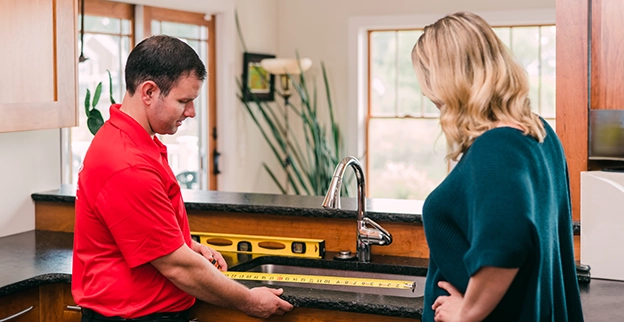
Credit: www.mrhandyman.com
Frequently Asked Questions
How Do I Safely Remove Kitchen Backsplash Tiles?
Start by turning off power and water. Use a utility knife to cut grout lines. Gently pry tiles with a putty knife or chisel. Work slowly to avoid wall damage. Wear safety goggles and gloves for protection.
What Tools Are Needed To Remove A Backsplash?
You will need a utility knife, putty knife or chisel, hammer, safety goggles, gloves, and a dust mask. Optional tools include a heat gun for loosening adhesive and a pry bar for stubborn tiles.
Can I Remove Backsplash Without Damaging Drywall?
Yes, by working carefully and slowly. Score grout lines first and gently pry tiles. Avoid using excessive force or sharp tools. If adhesive is strong, use a heat gun to soften it. Patch minor drywall damage afterward.
How To Clean Wall After Backsplash Removal?
Remove leftover adhesive with a scraper or putty knife. Use warm soapy water to clean residue. Sand the wall lightly if needed. Allow the wall to dry completely before repainting or installing a new backsplash.
Conclusion
Removing a backsplash can seem hard but is doable with care. Take your time and use the right tools. Protect your walls and work gently to avoid damage. Clean the area well once the backsplash is off. Now, your kitchen wall is ready for a new look or paint.
Small steps lead to great results. You can update your space without stress or mess. Keep safety first and enjoy your refreshed kitchen wall.
