

Are you ready to transform your kitchen space with a sleek, new wall cabinet? Imagine opening those doors to perfectly organized shelves every time you cook.
Putting up a kitchen wall cabinet might seem like a daunting task, but it’s simpler than you think. With the right guidance, you can achieve a professional-looking installation all on your own. Picture the satisfaction of stepping back and admiring your handiwork, knowing you’ve saved money and added value to your home.
Stick around, and you’ll discover the step-by-step process that makes it all possible. Ready to take the first step towards a more beautiful kitchen? Let’s get started!
Tools And Materials Needed
Installing a kitchen wall cabinet requires the right tools and materials. Having these ready before starting makes the process smoother. This section lists everything needed to hang your cabinet safely and securely.
Essential Tools
- Power drill with drill bits
- Stud finder
- Level
- Measuring tape
- Socket wrench or screwdriver
- Clamps
- Pencil
- Step ladder
Required Materials
- Wall cabinets
- Mounting screws or lag bolts
- Anchors (if no studs found)
- Shims for leveling
- Wood glue (optional for extra hold)

Credit: www.create-enjoy.com
Preparing The Wall
Preparing the wall is a crucial step before hanging your kitchen wall cabinet. It ensures your cabinet will be sturdy and safe. Taking time here saves you from future headaches and potential damage.
Locating Studs
Your kitchen wall cabinets need to hang on solid support. Drywall alone can’t hold the weight. Use a stud finder to locate the wooden studs behind the wall.
Run the stud finder slowly across the wall, marking each stud with a pencil. Studs are usually 16 or 24 inches apart. Double-check by tapping the wall—solid sounds usually mean a stud, hollow sounds mean no stud.
If you don’t find studs where you want to place the cabinet, consider moving the cabinet slightly or using heavy-duty wall anchors designed for drywall. Have you ever tried hanging a cabinet only to have it pull away? Locating studs correctly is the best way to avoid that.
Marking Cabinet Position
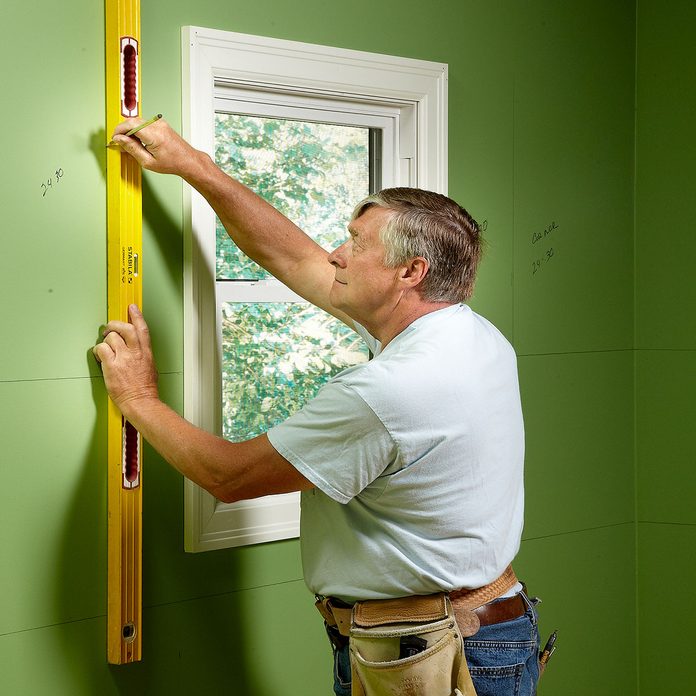
Knowing exactly where your cabinet will go is essential. First, measure the height from the floor or countertop where the cabinet bottom will sit. Mark this height lightly with a pencil across the wall.
Next, use a level to draw a straight horizontal line at this height. This line acts as a guide to keep your cabinet straight. Then mark the vertical lines showing the cabinet’s width and sides.
Double-check your measurements before drilling. A small mistake here can lead to an uneven cabinet or misaligned doors. How precise are your measurements? Taking a moment to verify can save hours of fixing later.
Assembling The Cabinet
Assembling the kitchen wall cabinet is a crucial step before installation. It ensures the cabinet is sturdy and ready to hold your kitchen items safely. Taking time to assemble it correctly will save effort later during mounting.
Checking Components
Start by laying out all parts on a clean surface. Look for:
- Cabinet panels and shelves
- Hinges and screws
- Handles or knobs
- Mounting brackets or rails
Check each item against the instruction sheet. Confirm no pieces are missing or damaged. This prevents delays during assembly.
Pre-assembly Tips
Prepare your workspace well. Clear a large, flat area to work on. Have a screwdriver and drill ready. Keep the instruction manual close for reference.
Organize screws and hardware by type in small containers. This makes them easy to find. Handle delicate parts carefully to avoid scratches or dents.
Read through all steps in the manual before starting. Visualize the process to understand the assembly flow. This reduces mistakes and speeds up the work.
Mounting The Cabinet
Mounting the kitchen wall cabinet is a crucial part of your installation that demands precision and care. Properly securing the cabinet ensures safety and longevity, so don’t rush through this step. Let’s focus on how to lift, position, and firmly attach your cabinet to the wall studs.
Lifting And Positioning
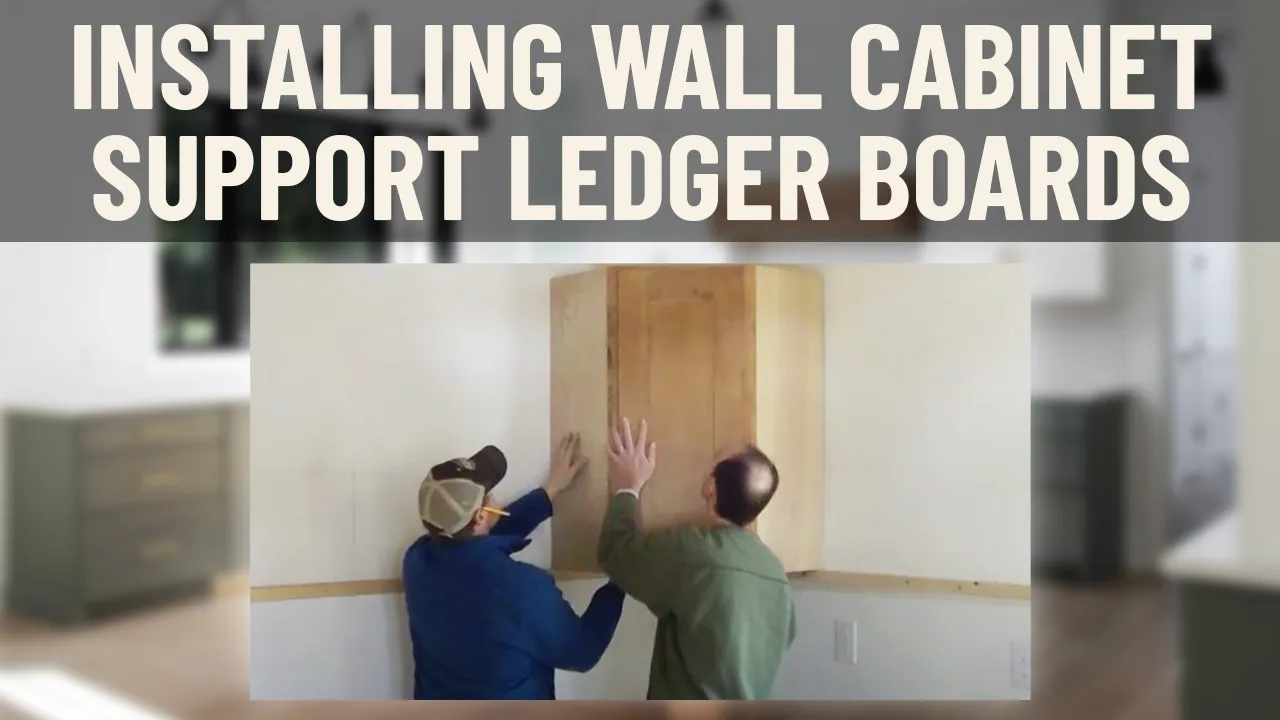
Before you lift the cabinet, clear the area and have a helper ready. Wall cabinets can be heavy and awkward to handle alone, and having support makes the process safer and smoother.
Lift the cabinet carefully and align it with the marked level line on the wall. Position the cabinet so the bottom edge matches your guideline exactly—this prevents uneven installation later on.
Check the cabinet’s level both horizontally and vertically using a spirit level. This small step helps avoid adjustments after screwing it in, saving time and frustration.
Securing To Wall Studs
Wall studs are your cabinet’s best friend when it comes to support. Always fasten the cabinet directly into studs to prevent it from pulling away from the wall over time.
Use a stud finder to locate and mark the studs behind your drywall before starting. Once you know where they are, drive heavy-duty screws through the cabinet’s mounting rail and into each stud.
- Use at least three screws per stud for a secure fit.
- Choose screws long enough to go through the cabinet, drywall, and at least 1.5 inches into the stud.
- Keep your screws level to avoid tilting the cabinet.
Have you ever noticed a cabinet sagging or coming loose after a few months? That’s almost always because it wasn’t properly secured to studs. Take your time here—it’s the difference between a sturdy kitchen and one that needs constant repairs.
Aligning And Leveling
Aligning and leveling your kitchen wall cabinet is crucial for both appearance and function. If the cabinet isn’t perfectly straight, doors may not close properly and the whole installation can look off. Taking your time to get this right will save you from frustrating adjustments later.
Using A Level
Start by placing a level on the top edge of the cabinet. Check both horizontally and vertically to ensure it sits straight. If the bubble isn’t centered, adjust the cabinet until it is perfectly aligned.
I once installed a cabinet without checking the level first and ended up with a noticeable tilt. Fixing it after the fact was a hassle and took twice as long. Trust me—don’t skip this step.
Adjusting For Gaps
After leveling, look closely for any gaps between the cabinet and the wall. Small gaps are common due to uneven walls or imperfect cuts. Use shims—thin pieces of wood or plastic—to fill these spaces and keep the cabinet stable.
Shims help prevent the cabinet from shifting or sagging over time. Make sure to check the level again after adding shims, as they can affect the cabinet’s position. Have you noticed gaps after installing something on your wall? Filling them properly makes a huge difference in the final look.
Connecting Multiple Cabinets
Connecting multiple kitchen wall cabinets is a crucial part of creating a seamless and sturdy storage system. Properly linking these units not only enhances the overall look but also ensures they stay secure and aligned over time. Let’s dive into how you can join cabinets and keep their heights consistent for a professional finish.
Joining Cabinets Together
Start by positioning the cabinets side by side on a flat surface. Align the cabinet faces so the edges meet perfectly without gaps. Use clamps to hold them tightly together, making the job easier and more precise.
Drill pilot holes through the cabinet frames where they meet. This prevents the wood from splitting and helps screws go in straight. Then, fasten the cabinets by driving screws through the pilot holes to secure them firmly.
Check the joint for any unevenness. If you spot any gaps, try tightening the clamps or adjusting the cabinets slightly before the screws fully set. This careful approach avoids misalignment that can ruin the final look.
Ensuring Uniform Height
Before hanging, measure the height of each cabinet carefully. Even small differences can create a crooked line that’s hard to fix later. Use a level across the top edges to confirm they match perfectly.
If you find one cabinet sits higher or lower, adjust the mounting points on the wall. Adding shims behind the cabinet or slightly altering screw placement can bring everything into line. Don’t rush this step—precision here saves headaches down the road.
Ask yourself: how will uneven cabinets affect your kitchen’s style and function? Taking time to get height right makes your installation look intentional and professional, not sloppy. Trust your measurements and keep checking as you go.
Finishing Touches
Finishing touches bring your kitchen wall cabinet installation to life. They transform a basic setup into a polished, functional part of your kitchen. Paying attention to details like doors, hardware, sealing, and cleaning ensures your cabinet not only looks great but lasts longer.
Installing Doors And Hardware
Attaching the doors requires patience and a steady hand. Align the hinges carefully to avoid gaps or unevenness. You want the doors to open smoothly without sticking or sagging.
Next, add the hardware such as handles or knobs. Choose hardware that matches your kitchen style and is comfortable to grip. Tighten screws firmly but avoid over-tightening to prevent damage.
Think about how often you’ll use the cabinet. Would soft-close hinges enhance your daily experience? Small upgrades here can make a big difference in convenience.
Sealing And Cleaning
Sealing edges around the cabinet protects against moisture and dirt. Use a clear silicone sealant for a neat, invisible finish. This step is especially important in humid kitchens to prevent swelling or warping.
After sealing, give everything a thorough cleaning. Remove dust, fingerprints, and any adhesive residue. A clean surface reveals any spots you might have missed and keeps your cabinet looking new.
Have you noticed how a spotless cabinet instantly brightens the room? Keeping this habit ensures your kitchen stays inviting and well-maintained over time.
Credit: www.cabinetjoint.com
Common Mistakes To Avoid
Putting up a kitchen wall cabinet can be simple but requires care. Avoiding common mistakes saves time and keeps cabinets secure. Many beginners skip important steps, causing problems later. Watch out for these common errors to ensure a smooth installation.
Ignoring Studs
Wall studs provide the support your cabinet needs. Skipping the studs means the cabinet may fall. Always use a stud finder to locate them. Attach the cabinet screws directly into studs for strong hold. Drywall alone cannot support the cabinet’s weight.
Overlooking Leveling
Level cabinets look neat and function well. Not checking level can cause doors to misalign. Use a spirit level to check both sides. Adjust the cabinet until it sits perfectly flat on the wall. Uneven cabinets can lead to damage over time.
Credit: www.familyhandyman.com
Frequently Asked Questions
How Do I Find Studs For Kitchen Wall Cabinets?
Use a stud finder to locate studs behind drywall. Mark the stud positions with a pencil. Cabinets must be anchored to studs for stability and safety.
What Tools Are Needed To Install Wall Cabinets?
Common tools include a drill, level, stud finder, screwdriver, measuring tape, and a pencil. These help ensure precise and secure cabinet installation.
How High Should Kitchen Wall Cabinets Be Hung?
Hang cabinets so the bottom is 54 inches from the floor. This height allows comfortable access and aligns with standard countertop height.
Can I Install Kitchen Cabinets Alone?
Yes, but it’s easier with help. Cabinets are heavy and awkward to hold in place. Use clamps or temporary supports if working solo.
Conclusion
Putting up a kitchen wall cabinet can seem hard at first. Take your time and follow each step carefully. Measure well, use the right tools, and secure the cabinet firmly. Double-check your work to avoid mistakes. A well-installed cabinet adds storage and style to your kitchen.
Small efforts bring great results. Enjoy your new kitchen space with confidence. Ready for your next project?
