

Are you tired of battling stubborn oil stains on your kitchen walls? You’re not alone.
Many of us love the aroma and taste of home-cooked meals, but the mess that comes with it is another story. Those pesky oil splatters can make your kitchen look less than pristine and can be a real headache to clean.
But what if there was a way to keep your kitchen walls spotless and protect them from those unsightly stains? Imagine cooking your favorite dishes without worrying about the aftermath on your walls. In this guide, you’ll discover practical and easy strategies to keep your kitchen walls looking fresh and clean, no matter how much you love to cook. Stick with us to learn simple tips that will transform your cooking space into a spotless haven.

Credit: www.amazon.com
Common Causes Of Oil Splatter
Oil splatter on kitchen walls is a common problem in many homes. It not only makes the kitchen look dirty but also creates a sticky surface that attracts dust and grime. Understanding what causes oil splatter helps in preventing it effectively. Several factors contribute to oil splatter, especially during cooking. Recognizing these causes is the first step toward protecting your kitchen walls.
Frying And Sautéing
Frying and sautéing involve cooking food in hot oil. The high heat causes oil droplets to jump out of the pan. These droplets fly and stick to nearby walls. Foods with moisture cause more splatter as water and oil react. Hot oil hitting water creates tiny splashes that spread quickly. Cooking at very high heat increases the chance of splatter.
Grease Build-up
Grease build-up happens when oil splatter is not cleaned regularly. Layers of grease form on walls and surfaces. These layers attract more oil and dirt. Over time, grease thickens and becomes harder to remove. Grease also traps odors and smoke particles from cooking. This creates a sticky, unpleasant surface that worsens with each use.
Poor Ventilation
Poor ventilation allows steam and smoke to stay in the kitchen. Without proper air flow, oil droplets float and settle on walls. Vent hoods or fans that do not work well increase this problem. Moist air combined with oil creates a sticky residue on surfaces. Good ventilation helps reduce oil splatter and keeps the kitchen cleaner.

Credit: www.amazon.in
Choosing The Right Wall Materials
Choosing the right wall materials can greatly reduce oil stains and damage in your kitchen. Walls near cooking areas face constant exposure to grease and splatters. Proper materials create a barrier that is easy to clean and keeps the kitchen looking fresh.
Durable surfaces also help maintain hygiene. They prevent oil from seeping into the wall, which can cause odors and stains. Picking the right wall finish saves time and effort in cleaning.
Oil-resistant Paints
Oil-resistant paints form a protective layer on kitchen walls. They repel grease and make cleaning simple. These paints usually have a glossy or semi-gloss finish. This smooth surface stops oil from sticking and staining.
Choose paints labeled as washable or scrub-resistant. They hold up well against frequent cleaning. Oil-resistant paints also come in many colors to fit your kitchen style.
Tiled Surfaces
Tiled walls are a popular choice for kitchens. Tiles are non-porous, so oil cannot penetrate them. They clean easily with a damp cloth or sponge. Ceramic and porcelain tiles resist stains and moisture.
Grout lines need sealing to prevent oil buildup. Choose tiles with a smooth surface for easier cleaning. Tiles also add texture and color to your kitchen design.
Stainless Steel Panels
Stainless steel panels offer a modern and practical wall covering. They resist oil and heat very well. The smooth metal surface wipes clean quickly without damage.
Steel panels are ideal near stoves and fryers. They reflect light and brighten the kitchen space. These panels do not absorb odors or stains.
Using Protective Barriers
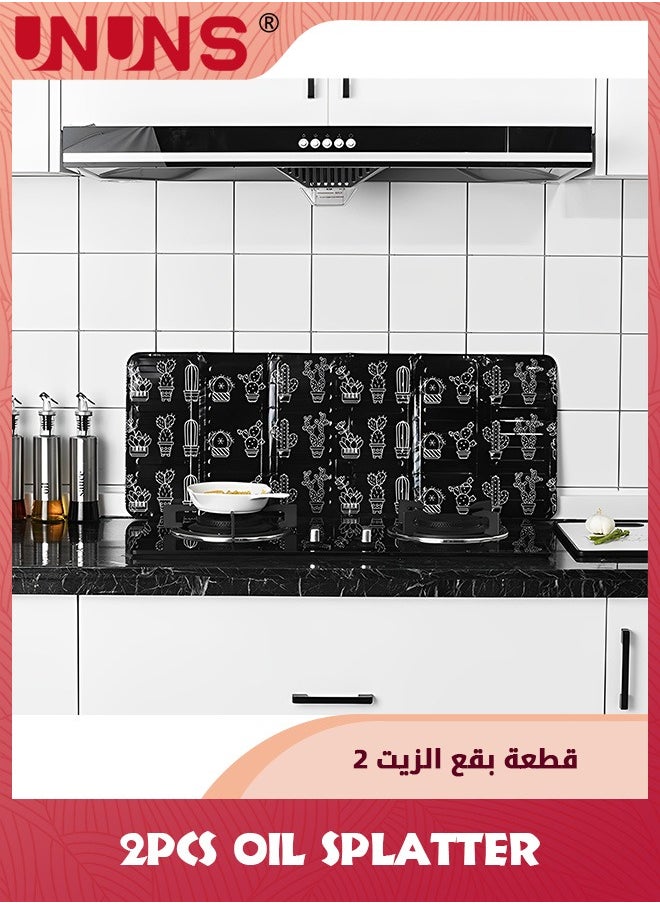
Using protective barriers is a smart way to keep kitchen walls clean from oil stains. These barriers stop oil splashes from reaching the walls, making cleaning easier. They also protect paint and wallpaper from damage caused by heat and grease. Installing barriers near cooking areas helps maintain a fresh kitchen look for longer.
Splash Guards
Splash guards are panels placed near the stove or cooktop. They catch oil and food splatters during cooking. These guards can be made of glass, metal, or plastic. Their smooth surface allows quick cleaning with a damp cloth. Splash guards are easy to install and fit well in small spaces.
Backsplashes
Backsplashes cover the wall area behind sinks and stoves. They act as a shield against oil, water, and dirt. Materials like ceramic tiles, stainless steel, or acrylic are common choices. Tiles offer a decorative look and resist stains well. Stainless steel backsplashes give a modern style and are very durable.
Removable Covers
Removable covers are flexible panels placed over walls or appliances. They protect surfaces from grease and heat damage. These covers can be taken off and cleaned easily. They come in many sizes and materials such as silicone or plastic. Using removable covers helps keep your kitchen walls spotless without permanent changes.
Credit: www.420spotshop.com
Regular Cleaning Techniques
Regular cleaning is key to keeping your kitchen walls free from stubborn oil stains. It doesn’t have to be a big chore if you stay consistent. Small daily habits paired with occasional deep cleaning can protect your walls and keep them looking fresh for longer.
Wiping After Cooking
Wiping your kitchen walls immediately after cooking can prevent oil buildup. Use a soft cloth or sponge dampened with warm water to gently clean the surfaces. This quick step saves you from scrubbing tough stains later.
Try to make it a habit to wipe down the walls around your stove and cooking area after every meal. You’ll notice how much easier it is to maintain cleanliness this way. What’s stopping you from adding this simple task to your routine?
Deep Cleaning Methods
Regular wiping isn’t always enough. Deep cleaning your kitchen walls once a week or biweekly helps remove any hidden grease. Mix a solution of warm water, mild dish soap, and a splash of vinegar for a natural degreaser.
Use a soft brush or sponge to scrub gently in circular motions. Avoid harsh scrubbing that can damage paint or wallpaper. Afterward, rinse with clean water and dry with a soft towel to prevent water spots.
Safe Cleaning Products
Choosing the right cleaning products matters. Harsh chemicals can strip paint and harm your wall surfaces. Look for cleaners labeled as safe for painted walls or natural options like baking soda and vinegar.
Test any new product on a small hidden area before applying it widely. This protects your walls from unexpected damage. Have you ever tried homemade cleaners? They often work just as well without the risks.
Ventilation And Airflow Tips
Keeping your kitchen walls free from oil stains is easier when you manage ventilation and airflow effectively. Proper ventilation not only reduces the buildup of grease but also improves the overall air quality in your cooking space. Let’s look at some practical ways to boost airflow and keep those oil splatters at bay.
Installing Range Hoods
Range hoods are a powerful tool to trap and remove cooking fumes before they settle on your walls. Choose a model that fits your stove size and has a strong extraction rate to handle heavy frying or sautéing. You might be surprised how much cleaner your kitchen feels after installing a good range hood—plus, it often reduces the need for constant scrubbing.
Consider a hood with washable filters for easy maintenance. If you cook frequently, a hood with adjustable fan speeds lets you control airflow based on your cooking intensity. Have you checked if your current range hood vents outside? Recirculating ones are less effective at removing grease from the air.
Using Exhaust Fans
Exhaust fans complement range hoods by pulling out lingering smoke and odors. Positioning an exhaust fan near your cooking area can speed up the removal of airborne oil particles. This extra airflow helps prevent grease from settling on walls and cabinets.
Look for exhaust fans with a timer or humidity sensor—these can keep your kitchen fresh without you needing to remember to turn them off. Installing a quiet model makes it easier to keep the fan running during long cooking sessions. Have you noticed how much easier it is to clean a kitchen that uses exhaust fans regularly?
Opening Windows
Natural ventilation is often overlooked but can be incredibly effective at reducing oil buildup. Opening windows during and after cooking helps fresh air circulate and pushes out greasy air. Even a small window cracked open makes a noticeable difference in airflow.
If you live in a busy area or have weather concerns, try opening windows strategically—like opposite sides of the kitchen—to create a cross breeze. This simple step can lower the concentration of oil particles in the air without any installation costs. When was the last time you opened your kitchen windows while cooking? It might be worth trying next time.
Preventive Cooking Habits
Protecting your kitchen walls from oil splatters starts with the way you cook. Adopting certain habits can significantly reduce mess and make cleaning easier. These habits not only help keep your kitchen looking fresh but also maintain hygiene and prevent long-term damage to walls.
Using Lids
Covering your pans with lids is a simple but powerful habit. It traps the oil splashes and steam inside the pan, reducing the chances of oil hitting your walls. I noticed a huge difference after I started using lids, especially when frying or sautéing foods with a lot of oil.
Besides keeping the walls clean, lids help food cook evenly and faster. If you don’t have a lid that fits perfectly, try using a splatter screen—it lets steam escape but blocks oil droplets.
Controlling Heat Levels
High heat causes oil to splatter more aggressively, which can quickly dirty your kitchen walls. Turning the heat down just a little can keep the oil stable and reduce splattering. When you cook at medium or low heat, you also avoid burning food and wasting oil.
Think about your last cooking session—did you crank up the heat to speed things up? Slowing down the heat might take a bit longer but saves you from scrubbing walls later. It’s a small change that pays off.
Avoiding Overcrowding Pans
It’s tempting to cook everything at once, but overcrowding pans leads to more oil splashes. When too many ingredients crowd the pan, the temperature drops suddenly, causing oil to bubble and pop out. Cooking in smaller batches keeps oil controlled and reduces mess.
Try giving your ingredients space to breathe. You’ll also notice better browning and taste when food isn’t piled on top of each other. Have you ever had a pan overflowing with food and ended up with oil spots all around the stove? Avoid that by cooking in steps.
Diy Solutions For Oil Protection
Protecting your kitchen walls from oil splatters doesn’t have to mean expensive renovations. Simple DIY solutions can save your walls and keep your kitchen looking fresh. These ideas are practical, budget-friendly, and easy to implement, even if you’re not a DIY expert.
Homemade Protective Coatings
You can create your own protective layer on kitchen walls using ingredients found around your home. Mixing clear glue with water creates a thin, washable coating that repels oil. Another option is applying a mixture of beeswax and olive oil, which forms a natural barrier and keeps walls easy to wipe clean.
These coatings dry quickly and don’t alter your wall’s appearance much. Have you tried sealing a surface with something simple before? It’s surprising how well these homemade options work compared to store-bought products.
Reusable Oil Catchers
Reusable oil catchers are another smart way to protect your walls. You can fashion one using silicone baking mats or flexible plastic sheets. Simply attach them near the stove or behind frying pans to catch oil splatters before they hit the wall.
After cooking, peel them off and rinse with warm soapy water. This solution cuts down on cleaning time and reduces wall damage. Wouldn’t it be great to have a protective shield that you can reuse over and over?
Easy-to-clean Wall Covers
Covering your kitchen walls with easy-to-clean materials is a straightforward way to avoid oil stains. Peel-and-stick vinyl wallpaper or washable wall panels work well and come in many designs to fit your kitchen’s style. These covers resist grease and wipe down with minimal effort.
Installing them takes little time, and replacing them is just as simple if they get too worn. Have you considered upgrading your kitchen walls with something that’s both stylish and practical? It might be easier than you think.
Frequently Asked Questions
How Can I Prevent Oil Splashes On Kitchen Walls?
Use a splash guard or install a glass or acrylic panel behind the stove. Regularly clean walls with mild detergent to remove oil residue and prevent stains.
What Materials Protect Kitchen Walls From Oil Damage?
Materials like stainless steel, tempered glass, and washable tiles resist oil stains. These surfaces are easy to clean and maintain, ensuring long-lasting protection.
How Often Should I Clean Kitchen Walls From Oil?
Clean kitchen walls weekly or immediately after cooking greasy meals. Frequent cleaning stops oil buildup and keeps walls looking fresh and hygienic.
Are Wall Paints Effective Against Oil Stains?
Oil-resistant or washable paints create a protective layer on walls. They allow easy cleaning and reduce oil absorption, extending the kitchen wall’s lifespan.
Conclusion
Protecting your kitchen walls from oil keeps your space clean and fresh. Use simple barriers like splash guards or easy-to-clean paint. Regular wiping stops grease buildup and saves time later. Small changes can make a big difference in your kitchen’s look.
Keep walls dry and tidy to prevent stains and damage. Clean walls help your kitchen feel more welcoming every day. Try these tips and enjoy a cleaner cooking space.
