

Painting on glassware is fun. You can make pretty items. It is also a great hobby. You do not need many things to start. With a few tools and paints, you are ready.
Why Paint on Glassware?
Glass items are everywhere. They can be plain. But you can make them look special. Painting on glassware makes them unique. You can give them as gifts. Or keep them for yourself. It’s a way to show your creativity. And it’s very relaxing too.
Things You Will Need
Before you start, gather your supplies. Here is what you need:
- Glass items (like cups, plates, or jars)
- Glass paint
- Paintbrushes
- Rubbing alcohol
- Paper towels
- Palette or plate for mixing paint
- Water cup for rinsing brushes
Step-by-Step Guide
Follow these steps to paint on glassware:
Step 1: Clean The Glass
First, clean the glass. Use rubbing alcohol and paper towels. Remove any dirt or grease. This helps the paint stick better. Make sure the glass is dry before painting.
Step 2: Plan Your Design
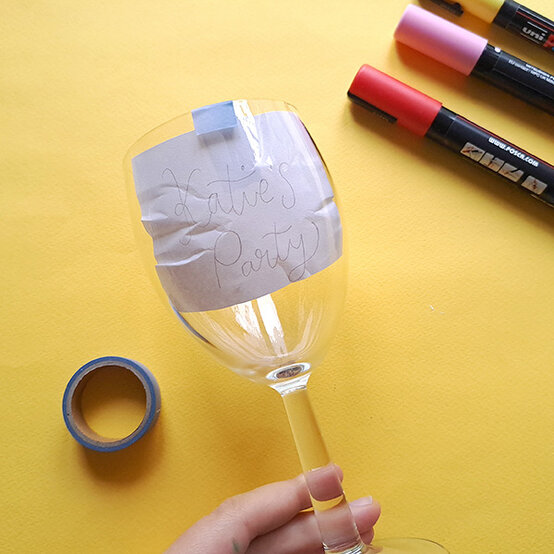
Think about your design. You can draw it on paper first. Simple designs work best for beginners. Flowers, shapes, or lines are good ideas.
Step 3: Prepare Your Paint
Pour some paint onto your palette. You can mix colors if you like. Use small amounts. You can always add more later. Keep your paintbrushes and water cup nearby.
Step 4: Start Painting
Begin with the main parts of your design. Use a steady hand. Paint slowly and carefully. If you make a mistake, wipe it off quickly. You can fix it before it dries.
Step 5: Add Details
Once the main parts are done, add details. Use a smaller brush for this. Details make your design stand out. Be patient and take your time.
Step 6: Let It Dry
Let the paint dry completely. This can take a few hours. Do not touch the glass while it dries.
Step 7: Bake The Glass (optional)
Baking the glass makes the paint last longer. Check the paint instructions first. Some paints need baking, others do not. If needed, place the glass in a cool oven. Then set the oven to 350°F (175°C). Bake for 30 minutes. Let the glass cool in the oven before taking it out.

Credit: www.youtube.com
Painting Tips
Here are some helpful tips:
- Practice on paper before painting glass.
- Use good lighting to see details clearly.
- Keep your brushes clean for neat lines.
- Do not rush. Enjoy the process.
Design Ideas
You might wonder what to paint. Here are some ideas:
| Design Idea | Description |
|---|---|
| Flowers | Paint simple flowers like daisies or tulips. |
| Geometric Shapes | Use triangles, circles, and squares for a modern look. |
| Animals | Try painting cute animals like cats or birds. |
| Abstract | Use colors and shapes to create abstract art. |
Caring for Painted Glassware
Painted glassware needs special care. Here is how to take care of it:
- Hand wash the glassware. Avoid dishwashers.
- Do not soak the glass for long periods.
- Use mild soap and a soft sponge.
- Avoid scrubbing the painted area.
Credit: www.hobbycraft.co.uk
Frequently Asked Questions
What Materials Do I Need For Painting On Glassware?
You need glass paint, brushes, rubbing alcohol, paper towels, and clean glassware.
How Do I Prepare Glassware Before Painting?
Clean the glass with rubbing alcohol to remove dirt and oil for better paint adhesion.
What Types Of Paint Work Best On Glass?
Use acrylic enamel or specially made glass paints for durability and vibrant colors.
Can I Use Regular Acrylic Paint On Glass?
Regular acrylic paint may peel; glass-specific paint sticks better and lasts longer.
Conclusion
Painting on glassware is a creative activity. It is easy to start. With a few supplies, you can make beautiful items. Each piece will be special. Whether you keep them or give them away, they will be loved. Enjoy painting and let your creativity shine!

Ethan Cole is a kitchen innovation enthusiast and food technology writer at DiningGadgets.com. With over 8 years of experience reviewing cookware, smart kitchen tools, and design trends, he helps readers discover gadgets that make cooking easier and dining more enjoyable. When he’s not testing the latest kitchen appliances, Ethan enjoys experimenting with recipes and sharing practical tips for modern homes.