

Are you ready to give your kitchen a fresh new look? Painting your kitchen wall is one of the easiest and most affordable ways to transform the heart of your home.
But where do you start? What colors work best? How do you avoid common mistakes that can ruin your hard work? In this guide, you’ll discover simple steps and expert tips that make painting your kitchen wall a smooth, satisfying project.
Keep reading, and by the end, you’ll feel confident to pick up that brush and create a space you’ll love every day.
Credit: www.carawayhome.com
Choosing The Right Paint
Choosing the right paint for your kitchen wall is more than just picking a pretty color. It’s about finding a paint that stands up to moisture, grease, and frequent cleaning. The right paint can keep your kitchen looking fresh and vibrant for years.
Types Of Paint For Kitchens
Not all paints are created equal, especially for kitchens. You want a paint that resists stains and can handle steam and splashes.
- Latex Paint:Easy to clean and dries quickly. It’s a popular choice for kitchen walls because it resists moisture well.
- Oil-Based Paint:Offers a smooth finish and great durability but takes longer to dry and has a stronger smell.
- Specialty Kitchen Paints:These often include antibacterial properties and extra stain resistance, perfect if you want added protection.
Have you ever struggled with paint peeling off after just a few months? Choosing the right type can save you that hassle.
Picking The Perfect Color
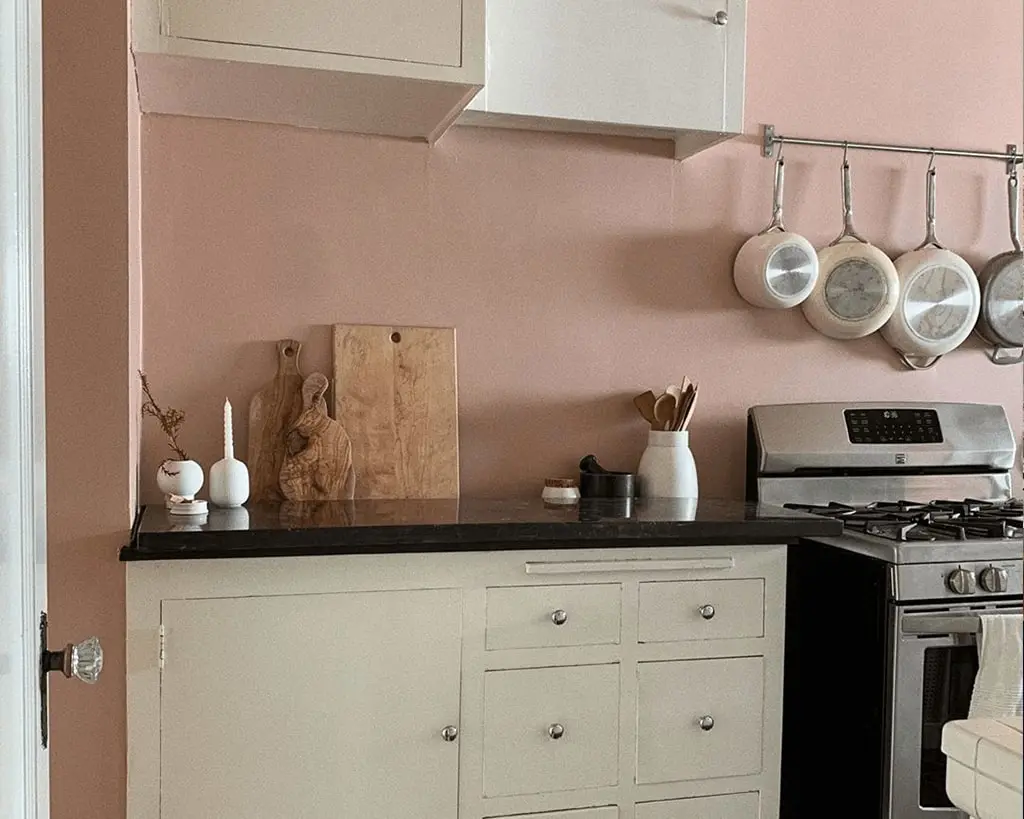
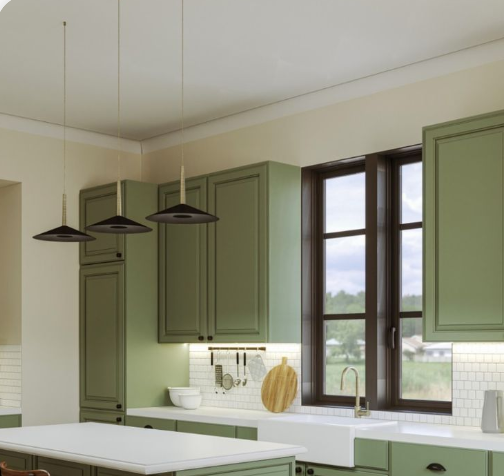
Color can change the entire mood of your kitchen. Think about how much natural light your kitchen gets and how the color will look at different times of the day.
Light colors can make a small kitchen feel bigger, while darker shades add warmth and coziness. But remember, darker colors might show grease spots more easily.
Try testing paint samples on your wall before committing. Watching how the color looks throughout the day can help you avoid surprises.
Finishes That Work Best
Paint finish affects both the look and durability of your kitchen walls. Some finishes are easier to clean, which is a big plus in a kitchen environment.
- Satin:A smooth finish that’s washable and hides imperfections well.
- Semi-Gloss:Shiny and very durable, it repels moisture and is easy to wipe down.
- Eggshell:Offers a soft sheen and is easier to clean than flat paint but less shiny than satin.
Think about how often you cook and clean. Would you prefer a finish that hides fingerprints or one that’s easy to wipe clean? Your answer will guide your choice.
Preparing The Kitchen Wall
Preparing the kitchen wall is essential for a smooth and lasting paint job. Clean, repair, and prime the surface before applying paint. This process ensures the paint sticks well and looks great.
Cleaning And Repairing Surface
Start by removing grease, dirt, and dust from the wall. Use a mild detergent and warm water with a sponge. Rinse with clean water and let the wall dry completely. Check for cracks, holes, or peeling paint. Fill holes and cracks with spackle or putty. Sand the repaired areas until smooth. This creates an even surface for painting.
Protecting Fixtures And Floors
Cover countertops, cabinets, and appliances with plastic sheets or drop cloths. Use painter’s tape to protect edges and fixtures like switches and outlets. Lay down drop cloths or old newspapers on the floor. This prevents paint splatters and spills from causing damage. Proper protection saves time and cleanup effort later.
Priming For Better Adhesion
Apply a coat of primer to the clean and repaired wall. Primer helps paint stick better and last longer. It also blocks stains and evens out color differences. Choose a primer suitable for kitchen walls, especially if painting over dark colors or stains. Let the primer dry fully before painting. This step improves the final look and durability of your paint.
Essential Tools And Materials
Painting a kitchen wall requires the right tools and materials to achieve a smooth, clean finish. Using proper supplies helps save time and prevents messes. Preparing all essentials before starting is key to a successful paint job.
Brushes And Rollers Selection
Choose brushes with synthetic bristles for water-based paints. A 2-3 inch angled brush works well for edges and corners. Use a medium-nap roller for smooth or lightly textured walls. A smaller roller fits tight spots. Quality brushes and rollers hold paint evenly and reduce streaks.
Paint Trays And Drop Cloths
Paint trays hold paint and allow easy loading of rollers and brushes. Use disposable trays for quick cleanup. Protect floors and countertops with drop cloths. Canvas drop cloths are durable and reusable. Plastic sheets work as a cost-effective option but can slip easily.
Tape And Other Supplies
Painter’s tape creates sharp lines and protects trim or cabinets. Use tape designed for delicate surfaces to avoid damage. Have a putty knife and spackle to fill holes or cracks. Keep a damp cloth nearby for wiping drips. Sandpaper smooths patched areas before painting.
Credit: www.jswpaints.in
Step-by-step Painting Process
Painting a kitchen wall is easier with a clear plan. Follow these simple steps to get a smooth, neat finish. Prepare your tools and paint. Start with careful edge work, then cover larger areas. Finish by adding more layers for depth and durability.
Cutting In Edges
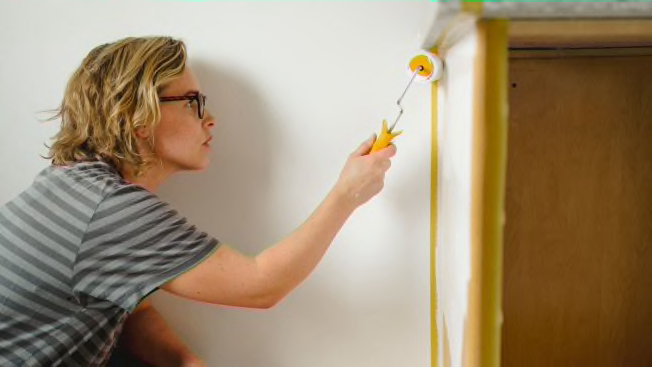
Begin by using a small brush to paint the edges. Focus on corners, near the ceiling, and around windows or cabinets. Move slowly to avoid mistakes. This step creates clean borders for the main wall area.
Rolling The Main Wall Area
Use a paint roller to cover large wall sections. Roll paint evenly in a “W” shape. Fill in spaces without lifting the roller. Work in small sections to keep paint wet and smooth.
Applying Multiple Coats
Let the first coat dry completely. Check if color looks even and covers well. Apply a second coat for a strong finish. Sometimes, a third coat helps hide old marks or stains. Each layer adds protection and brightness.
Tips For A Smooth Finish
Achieving a smooth finish on your kitchen wall can transform the entire space, making it look fresh and professionally done. It’s not just about slapping paint on the wall; attention to detail during the painting process makes all the difference. Here are key tips to help you avoid common pitfalls and ensure your kitchen walls look flawless.
Avoiding Drips And Streaks
Drips and streaks happen when too much paint is applied or when the paint isn’t spread evenly. Use a high-quality roller or brush, and apply paint in thin, even coats. Don’t overload your roller—dip it lightly and roll off the excess on the tray before applying.
Keep a wet edge as you paint to prevent streaks. This means you need to work quickly enough so that each stroke overlaps with the previous one before it dries. Have you noticed how walls with drips look patchy and unprofessional? Avoid this by steady, controlled strokes.
Maintaining Consistent Coverage
Consistent coverage prevents patchy areas and uneven color. Use a primer if you’re painting over a dark or uneven surface to create a uniform base. Always paint in a “W” or “M” pattern to spread paint evenly before filling in the gaps.
Check your work from different angles and lighting to catch any missed spots. Sometimes, thin spots can hide until the paint dries, so going back for a quick touch-up can make a big difference. What’s the point of spending hours painting if you miss these easy fixes?
Proper Drying Times
Patience is key when it comes to drying times. Rushing to apply a second coat before the first is dry can cause peeling or uneven texture. Check the paint can for recommended drying times, but remember that humidity and temperature affect drying speed.
Give your walls enough time to dry completely before moving furniture or adding fixtures. This not only protects your work but also helps the paint cure properly, improving durability. Have you ever tried to speed up drying only to end up with a ruined finish?
Credit: www.consumerreports.org
Cleaning Up After Painting
Cleaning up after painting keeps your kitchen neat and ready to use again. It helps protect your tools and surfaces for future projects. Tidy up carefully to avoid damage and mess.
Removing Tape And Drop Cloths
Peel off painter’s tape slowly while the paint is still slightly wet. This prevents peeling or chipping the fresh paint. Remove drop cloths carefully to avoid spreading dust or paint spots. Shake out cloths outside before folding and storing them.
Cleaning Brushes And Tools
Wash brushes and rollers with warm, soapy water right after painting. Use a comb or brush cleaner to remove paint from bristles. Rinse tools thoroughly and let them dry flat to keep their shape. Clean tools well to use them again easily.
Disposing Of Leftover Paint
Store leftover paint in its original container with a tight lid. Label the can with the color and date for future use. Take leftover paint to a local hazardous waste center if you cannot use it. Never pour paint down drains or on the ground.
Maintaining Painted Kitchen Walls
Keeping your kitchen walls looking fresh and vibrant doesn’t stop once the paint dries. Proper maintenance is key to preserving the beauty and durability of your painted surfaces. Small efforts in care can save you from costly repairs or a full repaint down the road.
Regular Cleaning Tips
Grease, food splatters, and steam can quickly dull your kitchen walls. Wiping them down regularly with a soft cloth and mild detergent helps keep grime at bay. Avoid harsh scrubbing or abrasive cleaners that can damage the paint finish.
For stubborn spots, dampen a sponge with warm water and a little dish soap. Gently rub the area, then rinse with a clean damp cloth. How often you clean depends on your cooking habits, but aiming for a quick wipe once a week can make a noticeable difference.
Touching Up Chips And Stains
Accidents happen. A chipped wall or a stubborn stain shouldn’t make you panic. Keep some leftover paint handy for quick touch-ups. Use a small brush to carefully cover chips or marks, blending the edges for a seamless look.
If stains are deep or persistent, try spot cleaning before repainting. Sometimes, a primer can help cover discoloration before applying paint. Have you ever ignored a small chip only to find it growing bigger? Fixing issues early keeps your walls looking sharp.
When To Repaint
Even with good care, paint won’t last forever. Signs like peeling, cracking, or extensive staining signal it’s time to repaint. If cleaning and touch-ups don’t restore the wall’s appearance, a fresh coat can breathe new life into your kitchen.
Consider the type of paint you used initially; some finishes last longer than others in humid kitchen conditions. How long has it been since your last paint job? Often, a repaint every 5-7 years keeps your walls in their best shape without much hassle.
Frequently Asked Questions
How Do I Prepare A Kitchen Wall For Painting?
Clean the wall thoroughly to remove grease and dirt. Repair any holes or cracks with filler. Sand the surface smooth, then apply a primer suitable for kitchen walls to ensure better paint adhesion and durability.
What Type Of Paint Is Best For Kitchen Walls?
Use a semi-gloss or satin finish paint, as they resist moisture and stains well. Choose a high-quality acrylic latex paint that is washable and durable, ideal for the kitchen environment.
How Many Coats Of Paint Are Needed On Kitchen Walls?
Typically, two coats are recommended for even coverage and vibrant color. Apply the first coat evenly, let it dry completely, then add the second coat to enhance durability and finish.
How Long Does Kitchen Wall Paint Take To Dry?
Paint usually dries to touch within 1 hour. However, allow 4 to 6 hours between coats. Full curing can take up to 2 weeks, so avoid heavy cleaning during this time.
Conclusion
Painting a kitchen wall is simple with the right steps. First, gather all necessary tools. Next, choose your favorite color. Preparing the wall is crucial. Clean and prime it well. Then, start painting in even strokes. Take breaks to let layers dry.
Finally, enjoy your new, fresh kitchen look. Your kitchen now shines with new energy. Painting your kitchen can be fun and rewarding. A little effort brings big change. Remember, practice makes perfect. Soon, you will paint like a pro! Enjoy your beautifully painted kitchen wall.
