

Thinking about transforming your kitchen into a more open and inviting space? You might be considering the bold step of opening up a kitchen wall.
This change can revolutionize your home’s layout, making it feel more spacious and connected. But where do you start? Before you grab a sledgehammer, it’s crucial to know the right steps to take. You want to ensure safety, maintain structural integrity, and achieve the beautiful, airy kitchen you envision.
In this guide, you’ll discover practical tips and expert advice to help you confidently open up your kitchen wall. Read on to learn how this renovation could enhance your home’s functionality and value, all while making your daily life more enjoyable.
Assessing Your Kitchen Wall
Assessing your kitchen wall is the first critical step before knocking it down to create an open space. Knowing exactly what kind of wall you’re dealing with can save you from costly mistakes and unexpected repairs. You’ll want to understand its structure, what’s behind it, and how it affects your home’s stability.
Checking Wall Type
Start by determining if the wall is a partition wallor a structural wall. Partition walls are usually thinner and don’t support the weight of the house. You can often tell by knocking on the wall—hollow sounds usually mean a partition.
Look for clues like the thickness of the wall and the materials used. Drywall or plaster over wooden studs often indicates a non-load-bearing wall. If you spot bricks or concrete blocks, it might be structural.
Identifying Load-bearing Walls
Load-bearing walls carry the weight of the roof, floors, or other parts of your house. Removing them without proper support can cause serious damage. One quick way to check is by looking at your home’s blueprints or asking a professional.
If blueprints aren’t available, check the direction of floor joists in your basement or crawl space. Walls perpendicular to these joists are often load-bearing. Have you ever experienced a sudden sagging ceiling or cracking walls? These can be signs of compromised load-bearing walls.
Evaluating Electrical And Plumbing
Before you open up a wall, check for electrical wires, outlets, switches, or plumbing pipes inside it. Cutting through these accidentally can be dangerous and expensive to fix. Use a stud finder with wire detection or a pipe locator to scan the wall.
Don’t forget to turn off the power and water supply when you start working. If you find complex wiring or plumbing, consider hiring a licensed electrician or plumber. Have you ever been caught off guard by hidden utilities? It’s better to be safe than sorry.
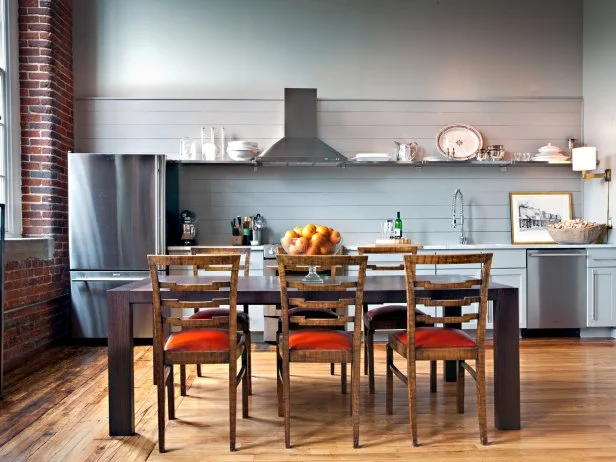
Credit: www.hgtv.com
Planning Your Kitchen Remodel
Planning your kitchen remodel carefully sets the foundation for a successful project. Opening up a kitchen wall can transform your space, but it requires thoughtful preparation to avoid costly mistakes. Taking the time to design, measure, and consult will save you frustration down the line and ensure your vision comes to life just as you imagine.
Designing An Open Layout
Think about how you want your kitchen and adjoining room to flow together. Do you want a full wall removal or just a pass-through window? Consider how natural light will travel and where furniture will fit comfortably.
Sketch your ideas or use simple apps to visualize the new space. Remember, an open layout can improve social interaction but may reduce privacy or wall storage.
Measuring And Marking
Accurate measurements are crucial before knocking down any walls. Use a tape measure to record the length, height, and thickness of the wall you plan to remove.
Mark the area clearly with painter’s tape or chalk to outline exactly what you want to open. Double-check your numbers—mistakes here can lead to structural issues or uneven openings.
Consulting Professionals
Talk to a structural engineer or experienced contractor before making any cuts. They can confirm if the wall is load-bearing and suggest safe ways to support your home.
Getting professional input early can prevent dangerous mistakes and unexpected expenses. Have you checked if your project needs permits? Skipping this step could cause delays or fines.
Gathering Tools And Materials
Opening up a kitchen wall is a project that demands more than just courage—it requires careful preparation. Before you start tearing down, gathering the right tools and materials will save you time and frustration. Knowing what you need makes the process smoother and helps you avoid unexpected trips to the hardware store.
Essential Tools Checklist
Having the right tools at hand is crucial. Here’s a list that covers the basics for safely and efficiently opening up a kitchen wall:
- Stud finder:Identifies the framing behind drywall, so you avoid cutting into wiring or pipes.
- Reciprocating saw or drywall saw:Perfect for precise cuts through drywall and studs.
- Hammer and pry bar:For removing nails and pulling off drywall sheets.
- Measuring tape and pencil:Essential for marking your cuts accurately.
- Level:Ensures your new opening is straight and even.
- Safety gear:Don’t forget gloves, safety goggles, and a dust mask to protect yourself.
Having these tools ready means you won’t have to pause mid-project because of missing equipment. Have you ever started a home improvement task only to realize you’re missing a key tool? It’s frustrating and avoidable.
Materials For Support And Finishing
Removing part of a kitchen wall isn’t just about demolition; it’s about maintaining your home’s structure. You’ll need materials that provide support and give the new opening a polished look.
- Header beam:Typically a piece of lumber like a 2×8 or 2×10 to support the load above the opening.
- Jack studs and king studs:These vertical supports flank the opening and hold the header in place.
- Drywall sheets:For patching and finishing the edges around your new opening.
- Joint compound and drywall tape:To smooth out seams and prepare for painting.
- Paint and primer:To match the existing wall finish and complete the look.
Think about the balance between structural integrity and aesthetics. Skipping proper support can lead to costly repairs later. Are you ready to handle the framing details or will you call a pro for that part?
Removing The Wall Safely
Removing a kitchen wall can dramatically change your space, but safety must be your top priority. Before swinging a hammer, you need to ensure the process won’t cause damage to your home or put anyone at risk. Taking careful steps can prevent costly mistakes and keep everyone safe during demolition.
Shutting Off Utilities
Before you start tearing down the wall, make sure to shut off all utilities connected to it. This includes electricity, water, and gas lines. Imagine the danger if you accidentally cut through a live wire or a water pipe—this can cause serious injury or flooding.
Locate your home’s main breaker box and turn off the power to the kitchen area. If you’re unsure about plumbing or gas lines inside the wall, call a professional to inspect and safely disconnect them. It’s better to pause and check than to rush and regret.
Demolition Steps
Wear protective gear like gloves, safety glasses, and a dust mask before starting. Start by removing any drywall carefully using a utility knife and a pry bar. This lets you see what’s behind the wall without causing unnecessary damage.
Look for nails or screws holding studs or other materials in place and remove them with a hammer or drill. Take your time—rushing can lead to hitting hidden wires or pipes. If you find a support beam, stop and consult a professional; removing load-bearing walls requires extra caution.
Handling Debris
Demolition creates a lot of debris, which can clutter your workspace and create hazards. Set up a designated area outside or in a garage to pile up materials. Use heavy-duty trash bags or a contractor-grade dumpster to keep things organized.
Wear sturdy shoes to avoid stepping on sharp objects. Sweep the area regularly to prevent dust buildup, which can irritate your lungs and eyes. Have you considered how clearing debris promptly keeps your project moving smoothly and safely?
Supporting The Structure
Supporting the structure is essential before opening up a kitchen wall. This step ensures the building stays safe and stable. Without proper support, walls may collapse or cause damage. Careful planning and strong materials protect your home during the process.
Installing Temporary Supports
Temporary supports hold the weight while you remove the wall. Use adjustable steel jacks or strong wooden posts. Place them on both sides of the wall. Make sure they stand firm and straight. These supports prevent sagging or sudden shifts in the ceiling or upper floors.
Adding Beams Or Headers
Beams or headers carry the load once the wall is removed. Choose a beam size based on the span and weight above. Common materials include wood, steel, or laminated veneer lumber. Fit the beam carefully into place, resting on strong posts or columns. This beam replaces the wall’s support role safely and effectively.
Securing With Proper Fasteners
Fasteners keep beams, posts, and supports tightly connected. Use heavy-duty nails, screws, or bolts made for structural work. Check fasteners for rust or damage before use. Secure each joint firmly to avoid movement or noise. Proper fastening adds strength and stability to the new open space.
Finishing Touches
Finishing touches can make or break the look of your newly opened kitchen wall. This phase is where your hard work transforms into a polished, seamless space. Paying close attention to details ensures the opening blends naturally with the rest of your home.
Patching And Drywall
After removing the wall section, you’ll need to patch any rough edges and install drywall to create a smooth surface. Use a drywall compound to fill gaps and sand down uneven areas carefully. Taking your time here saves frustration later, especially when you start painting.
Don’t forget to check for any electrical or plumbing work that might need finishing before closing up the drywall. Have you noticed how a well-done patch job can make the whole kitchen feel new? It’s all about precision and patience.
Painting And Trim Work
Once the drywall is ready, painting is next. Choose a paint color that matches or complements your existing walls to keep the space cohesive. Applying primer first can help avoid uneven patches and make the paint last longer.
Adding trim around the opening not only frames it nicely but also hides any minor imperfections. Whether you go for a simple flat trim or something more decorative depends on your kitchen’s style. Have you considered how trim style can subtly influence the room’s character?
Flooring Adjustments
Opening a kitchen wall often means adjusting the flooring to fit the new layout. You might need to patch or extend tile, hardwood, or laminate flooring in the gap where the wall stood. Matching the flooring material and pattern is key to a seamless look.
If matching is impossible, consider adding a threshold or transition strip to create a clean boundary. This small detail can prevent the space from looking unfinished. What flooring challenge do you anticipate in your kitchen renovation?
Maximizing Your New Space
Opening up a kitchen wall creates a fresh, inviting space that can transform how you live and entertain. But the real magic happens when you use that space thoughtfully. How you arrange furniture, choose lighting, and decorate can make all the difference in turning your new kitchen area into a functional and beautiful heart of your home.
Furniture Placement Ideas
Think about how you move through the space. Place your furniture to encourage easy flow between the kitchen and adjoining rooms.
- Use a kitchen island or peninsula as a natural divider that also adds extra seating and prep space.
- Choose seating that faces both the kitchen and living areas to keep conversations going.
- Keep pathways clear—avoid blocking doorways or high-traffic zones with bulky furniture.
Have you considered floating shelves or narrow console tables along open walls? They offer storage without crowding the space.
Lighting Enhancements
Good lighting makes your new open kitchen feel warm and welcoming. Layer your lighting by mixing ambient, task, and accent lights.
- Install pendant lights over the island to add style and focused light for cooking.
- Use under-cabinet lights to brighten countertops where you prep food.
- Add dimmers so you can adjust the mood from bright meal prep to cozy dinners.
Natural light is a bonus—keep window areas clear and consider reflective surfaces to bounce light around.
Decor Tips For Open Kitchens
Your decor should unify the open space while giving each area its own identity.
- Use rugs to define zones, like a cozy spot for dining or lounging.
- Choose a consistent color palette for walls, furniture, and accessories to create flow.
- Add personal touches like plants, art, or unique kitchenware that reflect your style.
Don’t overcrowd the space; remember, openness is your advantage. What small changes can you make today to enhance your kitchen’s new openness?

Credit: www.reddit.com

Credit: www.allinstripes.com
Frequently Asked Questions
What Tools Do I Need To Open Up A Kitchen Wall?
You need a stud finder, reciprocating saw, pry bar, hammer, level, measuring tape, safety glasses, and dust mask. These tools help you safely remove drywall and studs while maintaining structural integrity.
How Do I Check If A Kitchen Wall Is Load-bearing?
Locate the wall’s position relative to floor joists. Use a stud finder or consult building plans. If the wall supports weight from above, it’s load-bearing and requires professional help.
Can I Open A Kitchen Wall Myself Safely?
Yes, if the wall isn’t load-bearing and you have basic tools and skills. Always turn off power and gas lines before starting. For load-bearing walls, hire a structural engineer or contractor.
What Permits Are Required To Open Up A Kitchen Wall?
Most areas require a building permit for wall removal. Check local building codes before starting. Permits ensure work meets safety standards and avoids fines or complications during resale.
Conclusion
Opening a kitchen wall can change your home’s feel and space. Plan carefully and follow safety steps to avoid problems. Use the right tools and ask for help if needed. Take your time to do the job well and clean up after.
Enjoy the new, bright, and open kitchen space you create. Small changes can make a big difference in your home. Keep learning and improving your DIY skills for future projects.
