

Are you ready to transform your kitchen or living space by adding sleek and functional wall cabinets? Imagine the satisfaction of a clutter-free room where everything has its place, all because you took the plunge to mount those cabinets yourself.
But before you start, you might be wondering: How do you ensure they are secure and level? What tools will you need to make the process smooth and stress-free? Don’t worry—this guide is here to help you every step of the way.
By the end of this article, you’ll have the confidence and know-how to mount your wall cabinets like a pro, giving your space a stylish new look that you can proudly call your own. Let’s dive in and unlock the secrets to a successful cabinet installation!

Credit: www.create-enjoy.com
Tools And Materials Needed
Mounting wall cabinets requires the right tools and materials to ensure a safe and sturdy installation. Preparing everything beforehand saves time and avoids mistakes. Knowing what to gather helps the project run smoothly and efficiently.
Below is a list of essential tools and required materials. These items support accurate measurements, secure mounting, and proper alignment of your cabinets.
Essential Tools
- Power drill with drill bits
- Stud finder
- Level
- Measuring tape
- Pencil for marking
- Screwdriver
- Clamps
- Safety goggles
- Step ladder or sturdy stool
Required Materials
- Wall cabinets
- Mounting screws
- Wall anchors (for drywall)
- Shims for leveling
- Wood glue (optional for cabinet joints)
- Masking tape (for marking)
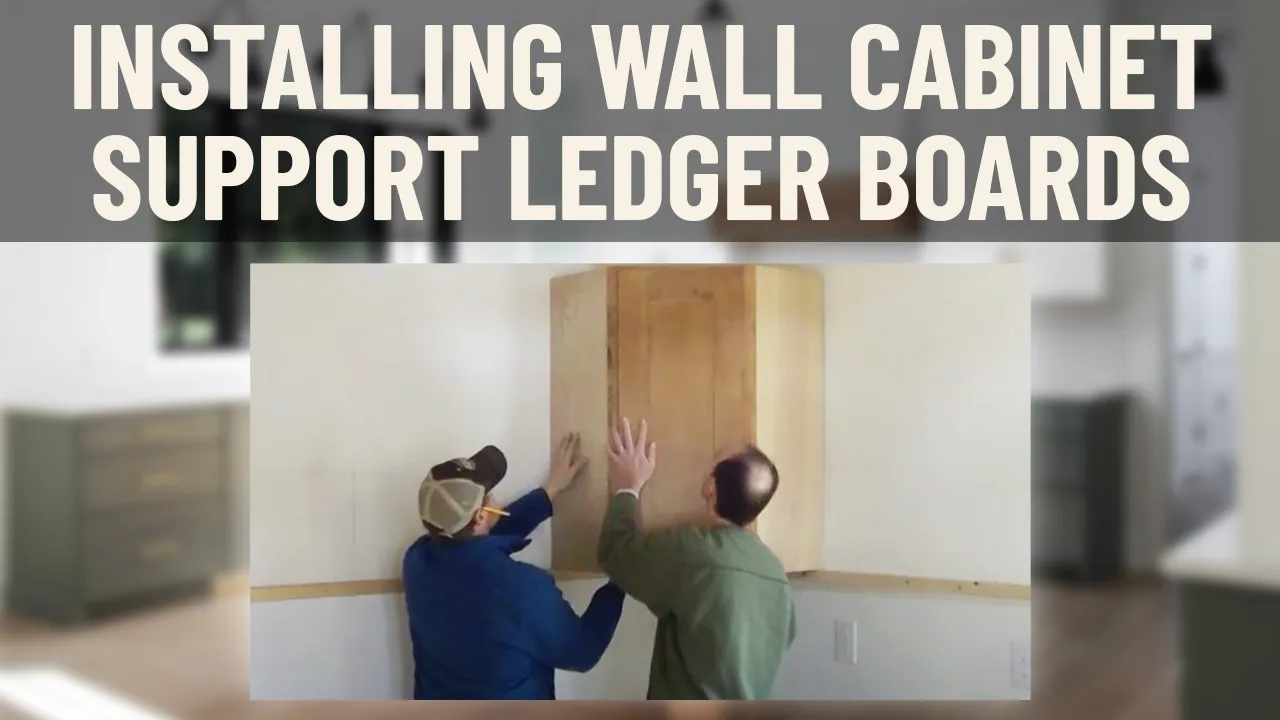
Credit: www.cabinetjoint.com
Preparing The Wall
Preparing the wall is a crucial part of mounting wall cabinets. It sets the stage for a secure and lasting installation. Taking time to get this right helps avoid common mistakes and ensures your cabinets hang straight and strong.
Locating Studs
Studs are the backbone of your wall’s support system. You need to find them because screws driven directly into studs hold the weight of your cabinets securely.
Use a stud finder for accuracy. Move it slowly across the wall until it signals a stud’s location. Mark these spots clearly with a pencil.
Have you ever hung something heavy on drywall alone, only to watch it fall? That’s why finding studs matters. It’s the difference between a stable cabinet and a disaster waiting to happen.
Marking The Layout
Marking the layout helps you visualize where each cabinet will go. Start by measuring the height from the floor or countertop where you want the bottom of the cabinets to sit.
Use a level to draw a horizontal line across the wall at that height. This line acts as your guide to keep cabinets aligned.
Next, mark vertical lines where the edges of each cabinet will be. This step prevents surprises during installation and keeps your workspace organized.
Checking For Obstacles
Before drilling, check for any obstacles inside the wall. These can be electrical wires, plumbing pipes, or HVAC ducts.
A stud finder with a wire warning feature can help detect live wires. If you’re unsure, consider using an inspection camera or consulting a professional.
Ignoring obstacles can cause damage or create safety hazards. Have you ever hit a pipe behind the wall? Avoiding this saves costly repairs and keeps you safe.
Measuring And Marking Cabinets
Measuring and marking cabinets correctly is key to a smooth installation. Accurate marks keep the cabinets straight and secure. Take your time with this step to avoid mistakes later. Use the right tools like a tape measure, level, pencil, and stud finder. Clear, precise markings guide the mounting process and ensure a professional look.
Setting Height And Level
Decide the cabinet height based on your needs and room layout. Standard upper cabinets sit about 54 inches from the floor to the bottom edge. Use a tape measure to mark this height on the wall. Check for obstacles like windows or light switches.
Use a level to draw a straight horizontal line at the chosen height. This line acts as a guide for cabinet placement. Make sure it is perfectly level to avoid crooked cabinets.
Marking Cabinet Positions
Locate wall studs with a stud finder and mark their centers. Studs provide strong support for heavy cabinets. Mark each stud along the height line with a small pencil dot.
Measure the cabinet width and mark the cabinet edges on the wall. Use a level or straight edge to connect marks vertically from the height line. This creates a clear outline for each cabinet.
Label each cabinet position lightly on the wall. This helps keep track during installation. Double-check all measurements and marks before drilling.

Credit: www.create-enjoy.com
Installing The Cabinets
Installing wall cabinets can transform your space, but it demands precision. The process starts with securing the first cabinet, which sets the tone for the rest. Pay close attention here because any misalignment can cause issues down the line.
Securing The First Cabinet
Locate the wall studs using a stud finder and mark their positions clearly. Your first cabinet must be anchored firmly to these studs to ensure stability.
Use a level to check that the cabinet is perfectly horizontal before drilling pilot holes. This step guarantees that your cabinet won’t tilt or sag over time.
Once aligned, fasten the cabinet with long screws designed for cabinet installation. The right screws not only hold the weight but also prevent damage to the drywall.
Aligning Additional Cabinets
After the first cabinet is secured, the next ones need to line up precisely with it. Use clamps or temporary braces to hold them in place while you check for level and flush edges.
Don’t rely solely on measurements; visually inspect the gaps between cabinets. Uneven spacing can ruin the overall look and make doors hard to close.
Consider using a straight board or a laser level across the cabinet fronts for perfect alignment. This technique helps you spot any misalignment early.
Fastening Cabinets To Wall
Once cabinets are aligned, secure each one to the studs using screws through the cabinet’s back panel. Be careful not to overtighten screws, as this can damage the cabinet.
Check the level frequently during this process to catch any shifts caused by fastening. Small adjustments now save you from headaches later.
After all cabinets are mounted, test the doors and drawers. If they stick or don’t close properly, adjust the hinges before moving on to finishing touches.
Adjusting And Finishing
Adjusting and finishing your wall cabinets is where the project truly comes together. This stage ensures your cabinets not only look great but function smoothly. Paying close attention here can save you headaches down the road and give your space a polished, professional feel.
Leveling Cabinets
Start by checking if your cabinets are perfectly level. Use a spirit level across the top and sides to spot any tilt or unevenness. Small shims placed behind the cabinet can fix minor gaps and keep everything straight.
Don’t rush this step—uneven cabinets cause doors to misalign and can strain hinges over time. I once ignored a slight tilt and ended up with doors that wouldn’t close properly. Adjusting shims carefully made all the difference in smooth operation.
Sealing Gaps
Gaps between the wall and cabinets can collect dust and look unfinished. Use painter’s caulk to fill these spaces neatly. It’s flexible, easy to smooth with a damp finger, and paints over well.
Focus on corners and edges where the wall isn’t perfectly straight. Sealing gaps also helps prevent pests from sneaking in. Have you noticed how a simple bead of caulk can transform a rough installation into a clean, seamless finish?
Adding Trim Or Molding
Trim or molding adds a finishing touch that hides imperfections and enhances the cabinet’s style. Choose a design that matches your room’s decor—whether simple or decorative.
Attach the trim with finishing nails and fill nail holes with wood putty. Sand smooth and paint or stain to match your cabinets. This extra step can turn your project from good to great by framing the cabinets beautifully and disguising gaps or uneven edges.
Safety Tips
Safety is the top priority when mounting wall cabinets. Careful planning and caution reduce risks. Protect yourself and your home by following important safety tips.
Handling Heavy Cabinets
Heavy cabinets can cause injury if not handled properly. Always lift with your legs, not your back. Ask for help to share the weight. Use a sturdy support or stand to hold the cabinet. Avoid rushing to prevent slips or drops.
Using Tools Safely
Use the right tools for each task. Check tools for damage before starting work. Wear safety goggles to protect your eyes. Keep fingers clear of moving parts. Unplug power tools when changing bits or blades. Work in a well-lit area to see clearly.
Frequently Asked Questions
How Do I Find Studs For Mounting Wall Cabinets?
Use a stud finder to locate wall studs behind drywall. Mark each stud with a pencil. Cabinets must be anchored into studs for stability and safety.
What Tools Are Needed To Mount Wall Cabinets?
You need a drill, level, tape measure, stud finder, screwdriver, and clamps. These tools ensure accurate, secure cabinet installation.
At What Height Should I Mount Wall Cabinets?
Mount cabinets 54 inches from the floor to the bottom edge. This height allows comfortable access and fits standard countertops.
How Do I Ensure Wall Cabinets Are Level?
Use a spirit level across the cabinet’s top edge. Adjust until the bubble centers to guarantee proper alignment.
Conclusion
Mounting wall cabinets can be simple and safe with the right steps. Measure carefully and use proper tools for best results. Secure cabinets tightly to wall studs to avoid accidents. Take your time to check each level and screw. A well-mounted cabinet saves space and looks great.
Keep instructions handy for future reference or adjustments. Enjoy your organized, tidy space after a successful installation. Small effort now brings lasting benefits later.
