

An apron is useful in many ways. It keeps your clothes clean when you cook, paint, or garden. You can make your own apron at home. It is easy and fun. This guide will help you make a simple apron. You do not need special skills. Just follow the steps.
What You Need
Before starting, gather these materials:
- Fabric (cotton is best)
- Scissors
- Measuring tape or ruler
- Needle and thread or sewing machine
- Pins or clips
- Chalk or fabric marker
- Iron (optional)

Credit: www.youtube.com
Choose Your Fabric
Pick a fabric that is strong but light. Cotton is good because it is easy to clean. You can use old cloth or buy new fabric. For one apron, you need about 1 meter of fabric. Make sure the fabric is clean and ironed before you start.
Measure and Cut the Fabric
First, measure the size of the apron. Here is a simple size guide:
| Part | Measurement (in cm) |
|---|---|
| Width (across the body) | 60 cm |
| Length (from chest to knee) | 75 cm |
| Neck strap length | 50 cm |
| Waist ties (each side) | 60 cm |
Use chalk to mark a rectangle on the fabric. It should be 60 cm wide and 75 cm long. Cut this piece out carefully with scissors.
Make the Neck Strap
Cut a long strip of fabric 5 cm wide and 50 cm long. This will be the neck strap. Fold it in half lengthwise with the right side inside. Sew along the long edge, leaving the ends open.
Turn the strap inside out. You can use a pencil to push it through. Iron the strap flat if you want.
Make the Waist Ties
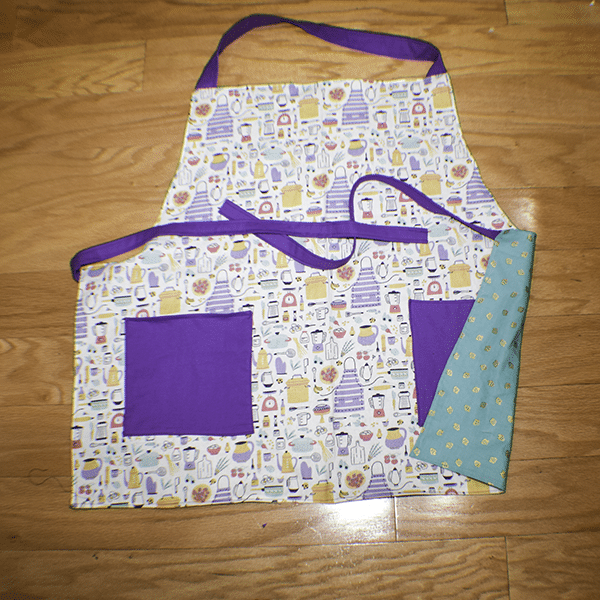
Cut two strips for the waist ties. Each strip should be 5 cm wide and 60 cm long. Fold each strip in half lengthwise. Sew along the long edge. Turn each tie inside out and iron flat.
Credit: sewverycrafty.com
Sew the Apron Body
Fold the edges of the apron body 1 cm to the wrong side. Iron the fold if you like. Fold again another 1 cm to hide the raw edge. Pin the folds in place.
Sew along the folds on all sides. This makes the edges neat and strong.
Attach the Neck Strap
Pin the neck strap at the top corners of the apron body. Make sure the strap is not twisted. Sew the ends of the strap firmly to the apron. Sew a few times so it will hold well.
Attach the Waist Ties
Pin one waist tie to each side of the apron, about halfway down. Sew the ties firmly in place. These ties will help you fasten the apron around your waist.
Add a Pocket (Optional)
If you want, you can add a pocket. Cut a rectangle about 20 cm wide and 15 cm tall. Fold and hem the edges like the apron body. Sew the pocket on the front of the apron, near the waist area.
Final Touches
Look at your apron carefully. Check if all parts are sewn well. Cut any loose threads. Iron the whole apron to make it smooth and neat.
Summary of Steps
- Choose and prepare fabric.
- Measure and cut apron body.
- Make neck strap and waist ties.
- Hem edges of apron.
- Sew neck strap and waist ties to apron.
- Add pocket if you want.
- Check and iron the apron.
Tips for Making Aprons
- Use bright colors for fun aprons.
- Choose fabric that is easy to wash.
- Make straps longer if you want.
- Use a sewing machine for faster work.
- Ask a friend or family member to help.
Why Make Your Own Apron?
Making your own apron saves money. You can choose your favorite colors. It fits you well. You also learn a new skill. Plus, it feels good to wear something made by you.
Frequently Asked Questions
What Materials Do You Need To Make An Apron?
You need fabric, scissors, thread, and a sewing machine.
How Long Does It Take To Sew An Apron?
It usually takes about 2-3 hours to complete.
Can Beginners Easily Make An Apron?
Yes, aprons are simple and great for beginners.
What Type Of Fabric Is Best For Aprons?
Cotton or linen is best. They are durable and easy to clean.
Conclusion
Making an apron is simple and enjoyable. You only need some fabric and a few tools. Follow the steps carefully. Take your time. Soon, you will have a nice apron to use every day.
Start today and make your own apron. You will be proud of your work. Enjoy cooking, painting, or gardening without worrying about dirty clothes.

Ethan Cole is a kitchen innovation enthusiast and food technology writer at DiningGadgets.com. With over 8 years of experience reviewing cookware, smart kitchen tools, and design trends, he helps readers discover gadgets that make cooking easier and dining more enjoyable. When he’s not testing the latest kitchen appliances, Ethan enjoys experimenting with recipes and sharing practical tips for modern homes.