

Do you ever find yourself staring at an empty lunch box, wondering what to fill it with? If you’re nodding your head, you’re not alone.
Packing a lunch box can feel like a daily puzzle, especially when you want it to be both delicious and nutritious. Imagine opening your lunch to find a meal that’s not only tasty but also gives you the energy to power through your day.
With a few simple tips, you can transform your lunch box into a delightful experience that you’ll look forward to. Ready to discover how to make a lunch box that checks all the right boxes? Let’s dive in and unlock the secrets to crafting the perfect lunch!
Choosing The Right Container
Choosing the right container is key to a good lunch box. It keeps food fresh and helps with portion control. The container should fit your meal and lifestyle. Think about size, material, and cleaning ease. These factors make packing lunch easy and enjoyable.
Size And Compartments
Pick a container that matches your appetite. Too big means wasted space and soggy food. Too small leaves you hungry. Compartments keep foods separate and fresh. They stop sauces from mixing with dry items. Choose a container with enough sections for your meal variety.
Material Options
Containers come in plastic, glass, and metal. Plastic is light and affordable but check it is BPA-free. Glass is sturdy and doesn’t absorb smells but can be heavy. Metal lasts long and is good for hot foods. Think about your needs and food type when picking material.
Ease Of Cleaning
A lunch box needs quick and easy cleaning. Dishwasher-safe containers save time. Smooth surfaces stop food from sticking. Avoid tricky shapes that trap crumbs. A container that cleans well stays fresh and safe for daily use.
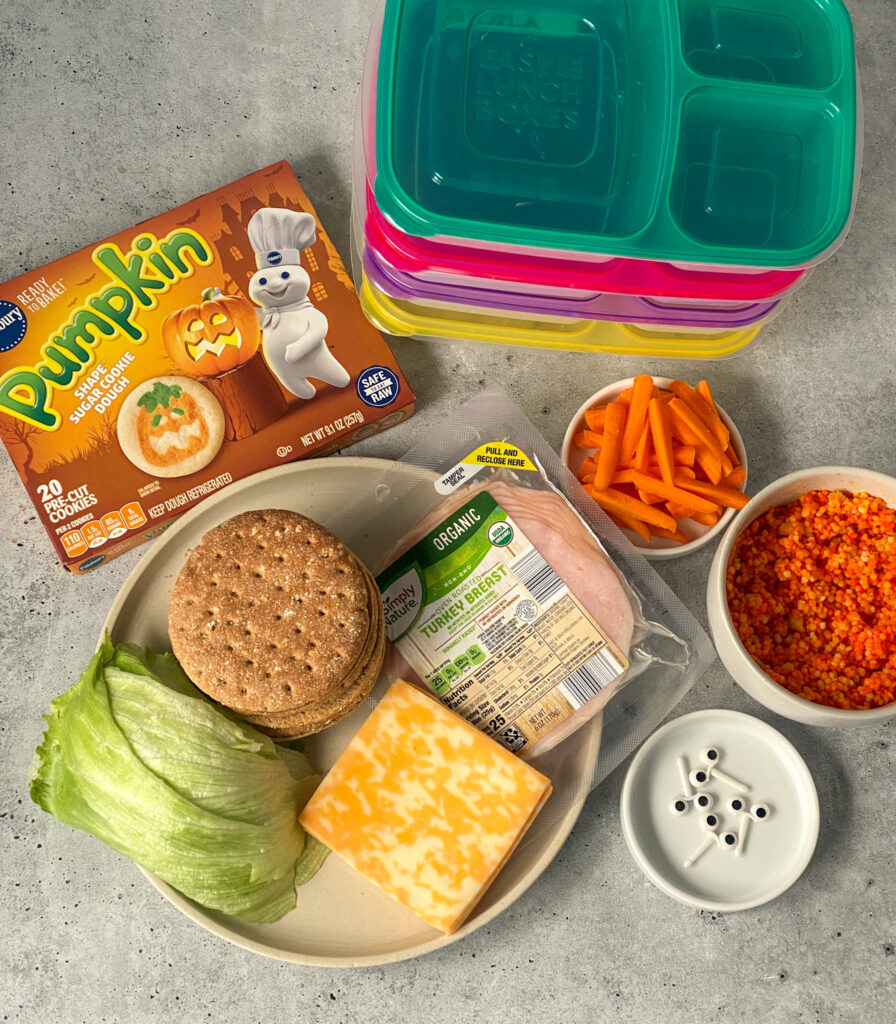
Credit: thetastefultribe.com
Balancing Nutrition
Balancing nutrition in your lunch box is key to keeping energy levels steady and your body well-fueled throughout the day. It’s not just about packing food; it’s about choosing the right combination that supports your health and satisfies your taste buds. Have you ever felt sluggish after lunch? That might be a sign your lunch box needs a better nutritional balance.
Incorporating Proteins
Proteins help repair tissues and keep you full for longer. Adding sources like grilled chicken, boiled eggs, or chickpeas can transform your lunch box into a powerhouse of energy. Don’t overlook plant-based proteins like tofu or lentils—they add variety and are easy to prepare.
Adding Fresh Vegetables
Fresh vegetables bring crunch, color, and essential vitamins to your meal. Slices of cucumber, cherry tomatoes, or shredded carrots are simple options that don’t require cooking. Think about how adding a handful of spinach or bell peppers can boost both flavor and nutrition.
Including Healthy Carbs
Carbohydrates provide quick energy but choosing the right ones matters. Swap white bread or pasta for whole grains like brown rice, quinoa, or whole wheat wraps. These choices release energy slowly, helping you avoid that afternoon crash.
Quick Recipe Ideas
Quick recipe ideas make packing lunch boxes fast and stress-free. These recipes use simple ingredients and require little time. Perfect for busy mornings or last-minute plans.
Simple Sandwiches
Sandwiches are a classic lunch box choice. Use whole grain bread for extra fiber and energy. Add lean proteins like turkey, chicken, or cheese. Include fresh veggies such as lettuce, tomato, or cucumber for crunch.
- Peanut butter and banana with honey
- Ham, cheese, and mustard on wheat bread
- Egg salad with a sprinkle of pepper
Wraps And Rolls
Wraps are easy to hold and carry. Use tortillas or flatbreads as the base. Fill with grilled chicken, hummus, and fresh veggies. Roll tightly to keep ingredients inside.
- Chicken, lettuce, and avocado with light mayo
- Veggie hummus wrap with carrots and cucumbers
- Turkey and cheese with spinach and mustard
Salads In A Jar
Salads in a jar keep ingredients fresh and crisp. Layer dressing at the bottom, then firm vegetables like carrots or cucumbers. Add proteins such as beans or chicken next, followed by greens at the top.
- Greek salad with olives, feta, and tomatoes
- Chicken Caesar with romaine and parmesan
- Quinoa salad with black beans and corn
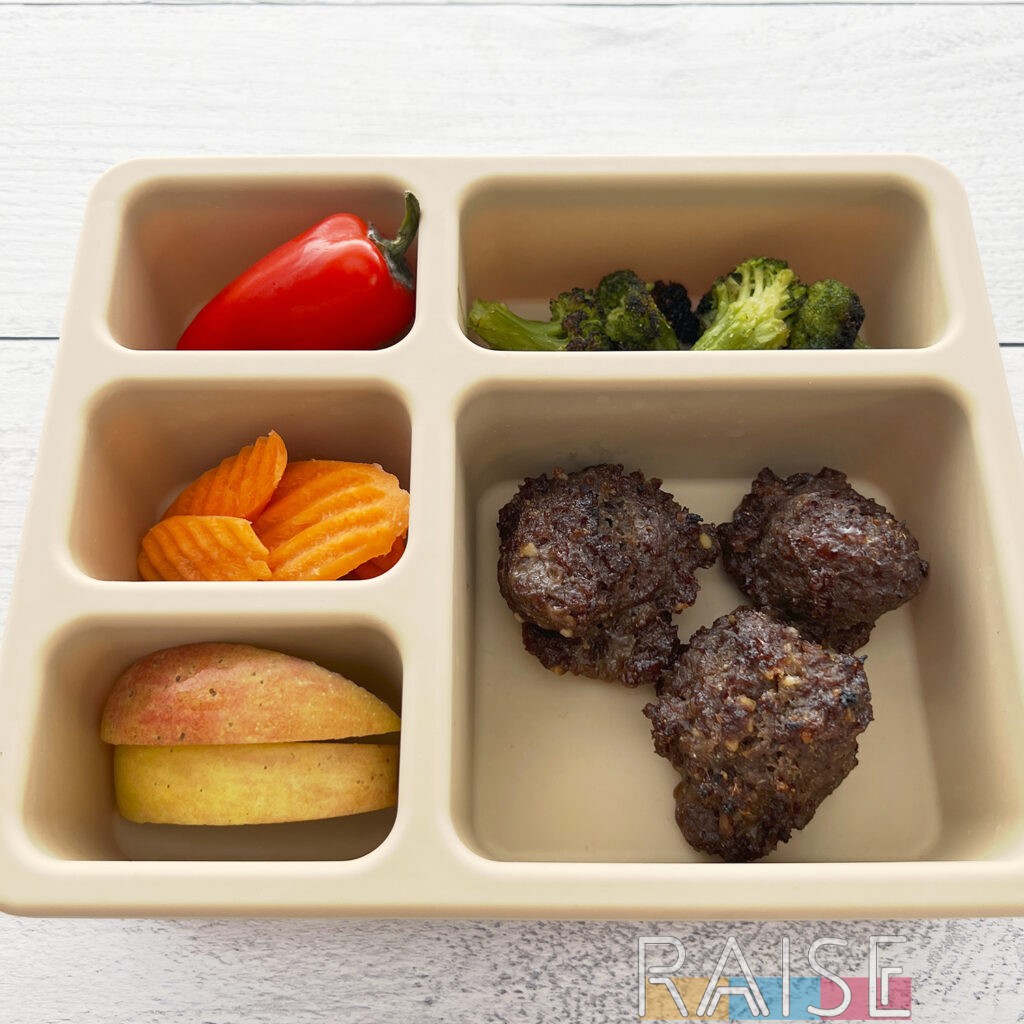
Credit: theallergychef.com
Time-saving Tips
Saving time while making a lunch box doesn’t mean cutting corners on nutrition or taste. It’s about working smarter, not harder. With a few smart habits, you can reduce daily stress and still pack a delicious, balanced meal.
Meal Prep Strategies
Set aside a specific day or time each week for meal prep. Chop vegetables, cook grains, or portion snacks in advance. This simple step frees up precious minutes during busy mornings.
Try keeping a checklist of staple ingredients you use often. Having these ready and available helps you avoid last-minute runs to the store.
Using Leftovers Creatively
Think beyond just reheating leftovers. Transform last night’s roasted chicken into a tasty wrap or salad. Leftover veggies can become a quick stir-fry or a filling for sandwiches.
Ask yourself: how can today’s dinner double as tomorrow’s lunch? This mindset saves time and reduces food waste.
Batch Cooking
Cook large portions of versatile meals like soups, stews, or pasta sauces. Divide them into individual containers to freeze or refrigerate for easy grab-and-go options.
This approach means fewer cooking sessions and more ready-to-eat meals waiting in your fridge. It also helps you control portions and maintain variety throughout the week.
Packing Tips
Packing a lunch box needs some smart tips to keep food tasty and neat. Good packing saves time and avoids mess. It also helps keep the right amount of food for a healthy meal. Use these packing tips to make lunch time easy and fun.
Keeping Food Fresh
Choose containers with tight lids to stop air from getting in. Use ice packs or frozen water bottles to keep food cool. Pack fruits and veggies that do not spoil fast. Wrap sandwiches in parchment paper to keep bread soft. Keep wet and dry foods separate to avoid sogginess.
Preventing Spills
Use leak-proof containers for soups and sauces. Place lids firmly and check before closing the box. Put liquids in small bottles or jars with secure caps. Wrap sandwiches or wraps tightly in foil or cling film. Pack heavier items at the bottom to avoid squashing.
Portion Control
Use small containers to limit food amounts and avoid waste. Include a balanced mix of proteins, carbs, and veggies. Pack bite-sized pieces for easy eating. Use separate compartments or mini boxes for different foods. Keep snacks light to prevent overeating later.

Credit: www.youtube.com
Snack And Drink Pairings
Choosing the right snack and drink pairings can make your lunch box not only tasty but also balanced and satisfying. Snacks add a quick energy boost, while drinks keep you hydrated and refreshed throughout the day. Matching these elements thoughtfully helps maintain your focus and mood during busy afternoons.
Healthy Snack Options
Pick snacks that provide nutrients without excess sugar or unhealthy fats. Fresh fruit slices like apples or berries add natural sweetness and fiber. Nuts and seeds offer protein and healthy fats, keeping hunger at bay longer.
Try combining crunchy veggies such as carrot sticks or cucumber slices with a small portion of hummus for a satisfying bite. Yogurt cups or cheese cubes are great if you want a creamy texture with protein. Think about snacks that are easy to eat and don’t create a mess in your lunch box.
Refreshing Drink Choices
Water is the best drink to keep you hydrated without added calories or sugar. Infuse it with lemon, cucumber, or mint leaves to add a fresh twist without artificial flavors. Herbal teas served cold can be a soothing and flavorful alternative.
If you want something a bit more exciting, coconut water replenishes electrolytes naturally. Avoid sugary sodas or energy drinks, which may cause energy crashes later. What’s your go-to drink that keeps you feeling refreshed and ready for the afternoon?
Frequently Asked Questions
What Are The Essential Items For A Lunch Box?
Essential lunch box items include a main dish, vegetables, fruits, and a drink. Include protein, carbs, and fiber for balanced nutrition. Use containers that keep food fresh and separate.
How Can I Keep Lunch Box Food Fresh Longer?
Use insulated containers or ice packs to maintain temperature. Pack food in airtight containers to prevent spoilage. Choose ingredients that stay fresh without refrigeration when possible.
What Are Quick And Healthy Lunch Box Ideas?
Try sandwiches with lean protein, salads with varied veggies, or wraps with hummus. Include fruits like apples or berries. Add nuts or yogurt for extra nutrition and energy.
How Do I Pack A Lunch Box For Kids?
Choose colorful, bite-sized foods that kids enjoy. Use fun containers and utensils to encourage eating. Balance proteins, carbs, and veggies while avoiding messy or allergenic foods.
Conclusion
Making a lunch box can be quick and fun. Choose fresh ingredients and pack them neatly. A good lunch box saves time and money. It helps you eat healthy and stay full longer. Try different foods to keep lunches interesting.
Small changes can make a big difference. Start today and enjoy tasty meals on the go. Keep it simple, tasty, and balanced. Your body will thank you for it.

Sophia Martinez is a culinary lifestyle writer and product reviewer for DiningGadgets.com. Passionate about blending style with functionality, she explores the latest dining essentials, kitchen décor, and cleaning hacks that transform everyday cooking spaces. With a background in home organization and design, Sophia brings readers expert advice on creating beautiful, practical kitchens that truly feel like the heart of the home.