

When you cook, sometimes you want to use glassware in the oven. But not all glassware can handle heat well. Using the wrong glassware can cause it to break or even shatter. This can be dangerous and waste food. So, how do you know if your glassware is oven safe? This article will help you find out.
Why Is It Important to Use Oven Safe Glassware?
Glassware that is not oven safe can break when heated. This can hurt you or others in the kitchen. Also, broken glass can ruin your food and make a big mess. Using the right glassware keeps you safe and makes cooking easier.
Look for Labels on the Glassware
The easiest way to know if glassware is oven safe is by reading the label. Most oven-safe glassware has a label or mark on the bottom. This mark tells you if you can use it in the oven.
- Oven Safe – This means you can use it in the oven.
- Heat Resistant – Usually safe for oven use.
- Not for Oven or Do Not Use in Oven – Do not put this in the oven.
If your glassware has no label, do not guess. It’s safer to use other tools for baking or cooking.
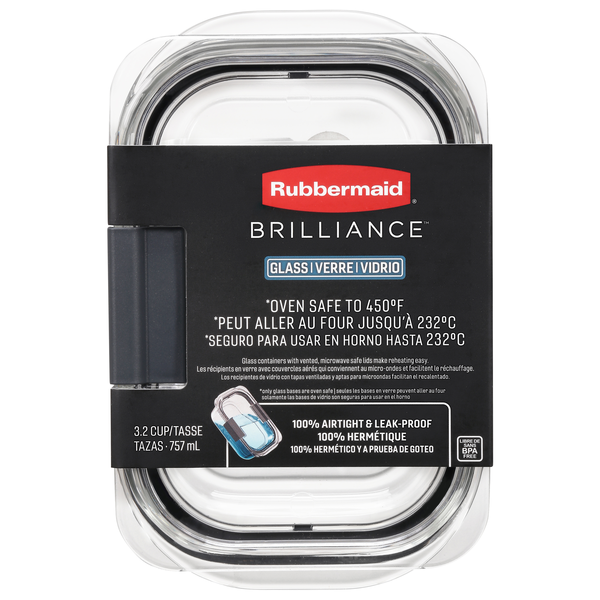
Credit: giantfood.com
Check the Type of Glass
Some types of glass are made for heat. Others are not. Knowing the type of glass helps you decide.
| Glass Type | Oven Safe? | Notes |
|---|---|---|
| Borosilicate Glass | Yes | Can handle high heat well. Used in lab and kitchen. |
| Soda-Lime Glass | No or Limited | Common glass. Breaks easily with heat changes. |
| Tempered Glass | Sometimes | Stronger than normal glass but check label. |

Credit: razab.com
Test for Oven Safety at Home
If you have no label and do not know the glass type, you can do a simple test. But be careful. This is not 100% safe. Only try if you want to risk it.
- Preheat your oven to a low temperature, like 250°F (120°C).
- Put the glassware in the oven for 15 minutes.
- Watch carefully for any cracks or changes.
- If the glass stays fine, increase the temperature slowly.
- If it cracks or breaks, do not use it in the oven.
This test helps see if the glass can handle some heat. But it does not guarantee safety at higher temperatures.
Signs Your Glassware Is Not Oven Safe
Sometimes, the glassware looks good but is not safe for ovens. Watch out for these signs:
- Thin, delicate glass is often not oven safe.
- Glass with decorations or paint may crack.
- Old glassware without any label is risky.
- Glassware that was used for cold drinks only.
If you see these signs, do not put the glass in the oven.
Tips for Using Oven Safe Glassware
Even if your glassware is oven safe, follow these tips to keep it safe:
- Do not put cold glassware directly into a hot oven.
- Warm it up slowly to avoid sudden heat.
- Do not use glassware on the stove or under the grill unless labeled safe.
- Avoid sudden temperature changes, like putting hot glass into cold water.
- Use oven mitts to avoid burns when handling hot glass.
Common Oven Safe Glassware Brands
Many brands make glassware that is safe for ovens. These brands use special glass types. Some common ones are:
- Pyrex
- CorningWare
- Anchor Hocking
These brands usually mark their products as oven safe. Look for their logos and labels.
When to Avoid Using Glassware in the Oven
There are times when you should never use glassware in the oven:
- If you are not sure about its oven safety.
- If the glass has cracks or chips.
- If the glassware is very old or worn out.
- If the recipe calls for very high heat above 450°F (230°C).
In these cases, use metal or ceramic bakeware instead.
Summary Table: How to Know if Glassware is Oven Safe
| Step | What to Do | Why |
|---|---|---|
| 1 | Check for oven safe label | Labels show if glassware can handle heat |
| 2 | Know the glass type | Borosilicate glass is usually safe |
| 3 | Look for signs of unsuitability | Thin or decorated glass may break |
| 4 | Test at low temperature (carefully) | Helps check if glass can handle heat |
| 5 | Use oven mitts and avoid sudden heat | Prevents burns and glass breakage |
Final Thoughts
Knowing if your glassware is oven safe is important. It keeps you safe and helps you cook better. Always check labels first. If unsure, do not risk it. Use glassware made for ovens or choose other materials. Following these simple steps will make your cooking safer and more enjoyable.
Frequently Asked Questions
How Can I Tell If Glassware Is Oven Safe?
Look for labels or symbols saying “oven safe” or “heat resistant” on the glassware.
What Types Of Glass Are Safe For Oven Use?
Borosilicate and tempered glass are usually safe for oven cooking.
Can Regular Glassware Break In The Oven?
Yes, regular glass can crack or shatter due to heat stress.
Does The Thickness Of Glass Affect Oven Safety?
Thicker glass handles heat better but always check manufacturer guidelines.

Sophia Martinez is a culinary lifestyle writer and product reviewer for DiningGadgets.com. Passionate about blending style with functionality, she explores the latest dining essentials, kitchen décor, and cleaning hacks that transform everyday cooking spaces. With a background in home organization and design, Sophia brings readers expert advice on creating beautiful, practical kitchens that truly feel like the heart of the home.