

Nothing ruins a lunch faster than a soggy sandwich. You open your lunch box, excited for a tasty meal, only to find bread that’s soggy and fillings that have lost their crunch.
It’s frustrating, right? But what if you could keep your sandwiches fresh and delicious until you’re ready to eat? You’ll discover simple, practical tips that make a big difference. By the time you finish reading, you’ll know exactly how to pack your sandwich so it stays just the way you like it—fresh, crisp, and ready to enjoy.
Let’s make soggy sandwiches a thing of the past!
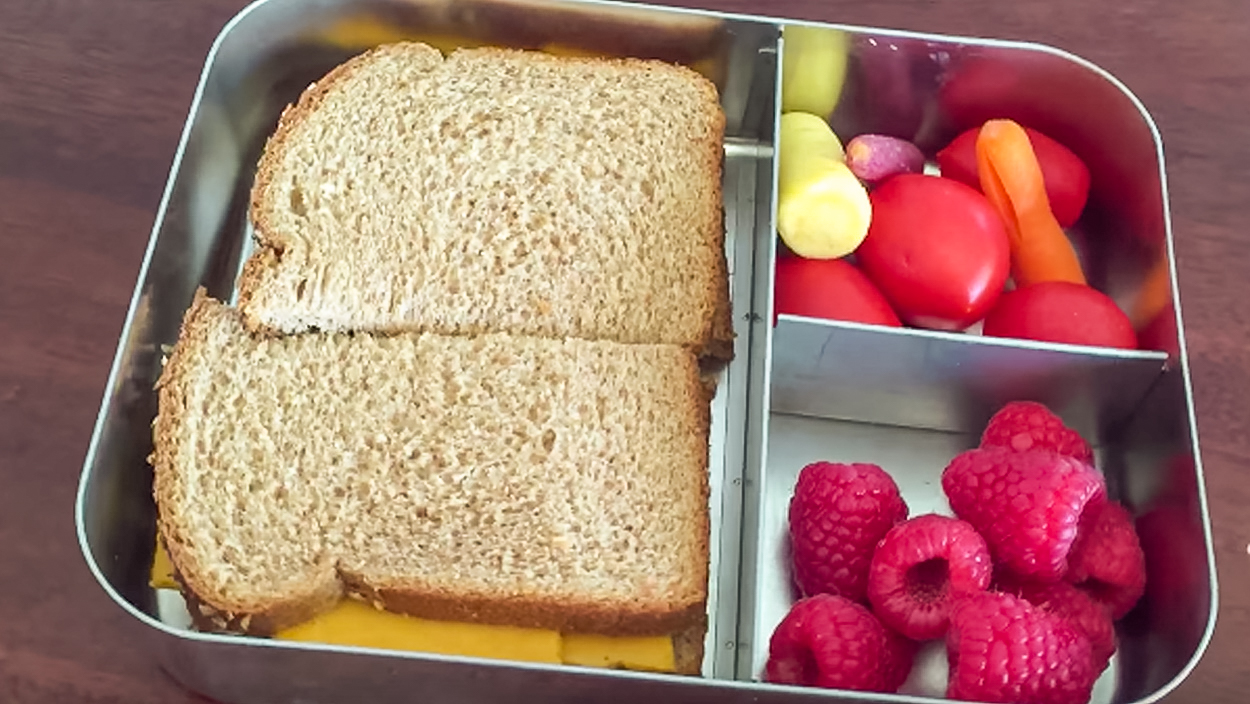
Credit: whatsupmoms.com
Choose The Right Bread
Choosing the right bread plays a huge role in preventing your sandwich from turning soggy in the lunch box. The type of bread you pick can either hold up well against moist fillings or quickly become a soggy mess. Understanding how different breads react to moisture helps you keep your sandwich fresh and enjoyable.
Opt For Dense Or Toasted Bread
Dense breads like whole grain, rye, or ciabatta have a firmer texture that resists soaking up moisture quickly. Toasting bread adds a crispy layer that acts as a barrier, keeping the sandwich fillings from making the bread soggy. Have you ever noticed how a toasted sandwich holds its shape longer than a soft one? That’s because toasting creates a protective shell that keeps moisture at bay.
Try toasting your bread lightly before assembling your sandwich. It doesn’t have to be crunchy—just enough to create a firmer surface. This simple step can make a big difference, especially if your sandwich includes juicy veggies or sauces.
Avoid Pre-sliced Soft Bread
Pre-sliced soft bread often contains more moisture and less structure, making it prone to sogginess. The thin slices also mean less protection against wet fillings, causing the bread to soak up liquid quickly. If you want your sandwich to stay intact, steer clear of this type of bread.
Instead, choose breads with a thicker crust or slice your own from a fresh loaf. This way, you control the thickness and texture, tailoring it to your sandwich needs. Have you ever tried making a sandwich with fresh bakery bread and noticed how much longer it stays fresh? That’s the power of choosing the right bread!
Use Moisture Barriers
Keeping sandwiches fresh and crisp in a lunch box can be tricky. Moisture from ingredients often makes bread soggy fast. Using moisture barriers helps stop this problem. These barriers create a shield between wet and dry parts. They keep the bread dry and tasty.
Moisture barriers work well with simple, natural ingredients. They are easy to add and safe for all ages. Here are two smart ways to use moisture barriers in sandwiches.
Wrap With Lettuce Or Cheese
Wrap sandwich fillings with a large lettuce leaf. The lettuce acts as a natural layer that blocks moisture. It keeps bread from soaking wet ingredients like tomatoes or cucumbers.
Cheese slices also work well as a barrier. Place a slice between the bread and the wet filling. Cheese stops moisture from reaching the bread. It adds flavor and texture too.
Apply Butter Or Mayonnaise
Spread a thin layer of butter on the bread before adding wet ingredients. Butter creates a moisture-proof coating that keeps bread dry. It also adds a creamy taste.
Mayonnaise works in a similar way. Use it to coat the bread’s inner side. This prevents sogginess and improves the sandwich’s flavor. Both butter and mayonnaise are easy to use moisture barriers.
Separate Wet Ingredients
Keeping sandwiches fresh means keeping wet ingredients separate. Wet ingredients make bread soggy fast. Separating them keeps your sandwich crisp and tasty. You can pack sauces and juicy veggies apart. This simple trick keeps your lunch enjoyable until mealtime.
Pack Sauces Separately
Pack sauces in small containers or packets. Use tiny jars or squeeze bottles for ease. Add sauces just before eating. This prevents bread from soaking in moisture. It also keeps flavors fresh and strong.
Keep Juicy Vegetables Apart
Vegetables like tomatoes and cucumbers release water. Pack these veggies in a separate container. Add them to the sandwich right before eating. This stops the bread from getting wet. It keeps your sandwich crunchy and fresh longer.

Credit: www.thegraciouspantry.com
Proper Wrapping Techniques
Proper wrapping plays a key role in keeping sandwiches fresh and firm. It protects the bread from moisture and prevents sogginess. Using the right materials and techniques helps maintain texture and taste throughout the day.
Use Parchment Paper Or Wax Paper
Parchment and wax paper create a breathable layer around sandwiches. They stop moisture from building up inside the wrap. These papers keep sandwiches from getting too wet or too dry.
Wrap the sandwich tightly but not too tight. This allows some air flow and keeps the bread from becoming soggy. Place the wrapped sandwich in an airtight container for extra protection.
Avoid Plastic Wrap For Some Sandwiches
Plastic wrap traps moisture, which can make sandwiches soggy. It works better for dry sandwiches without sauces or fresh vegetables. For sandwiches with juicy ingredients, avoid plastic wrap.
Instead, use paper wraps or a sandwich container. These options keep moisture balanced and prevent sogginess. Choose the wrap based on the sandwich filling to keep it fresh longer.
Control Lunch Box Environment
Controlling the lunch box environment helps keep sandwiches fresh and dry. Moisture and heat cause sogginess quickly. Creating the right conditions slows down sogginess. Proper temperature and air control make a big difference.
Use Insulated Containers
Insulated containers keep food at a steady temperature. They block outside heat and cold effectively. This helps maintain sandwich texture longer. Look for containers with tight seals to prevent air leaks. These containers reduce moisture buildup inside the lunch box. It keeps bread from getting wet and soggy.
Include Ice Packs
Ice packs keep the lunch box cool during the day. Cold slows down moisture and bacterial growth. Place ice packs away from the sandwich to avoid freezing. Use small, flat ice packs for even cooling. This method maintains freshness without making bread damp. It also keeps other foods safe to eat.
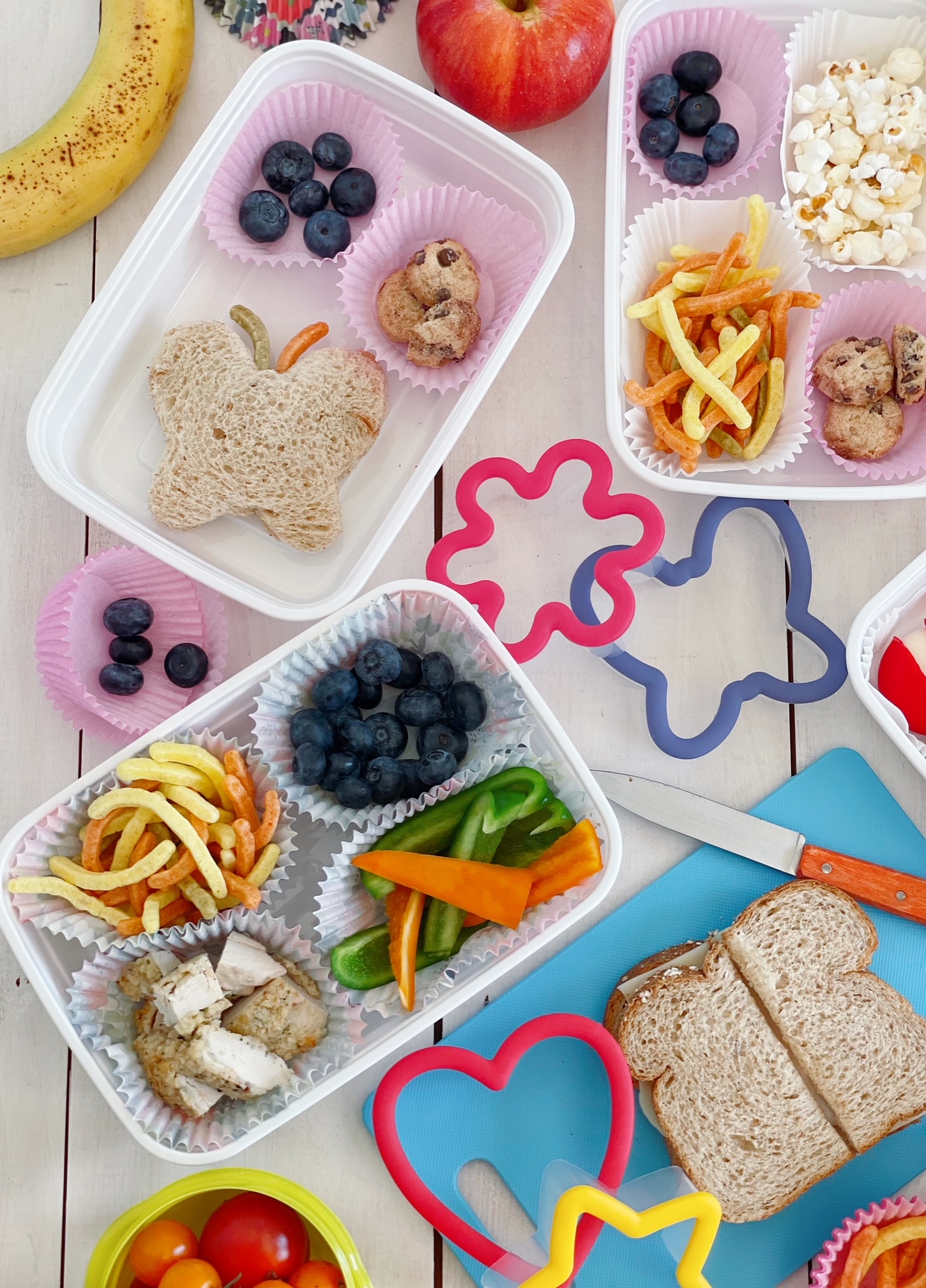
Credit: domestikatedlife.com
Assemble Sandwiches Just Before Eating
Assembling sandwiches just before eating keeps bread fresh and dry. It stops moisture from making the sandwich soggy. This simple step improves taste and texture. It also helps your lunch stay enjoyable and neat.
Pack Ingredients Separately
Keep sandwich ingredients in separate containers. Use small boxes or resealable bags for each filling. Lettuce, tomato, and condiments should stay apart from bread. This prevents moisture from soaking into the bread.
- Wrap deli meats tightly to maintain freshness.
- Place sauces in small containers or packets.
- Keep vegetables dry by patting them with a paper towel.
Assemble At Lunch Time
Put together the sandwich just before eating. This keeps the bread crisp and prevents sogginess. Use a clean surface or napkin to assemble. Layer ingredients carefully to avoid spills and mess.
- Start with bread slices and add dry ingredients first.
- Add vegetables and spreads last to control moisture.
- Close the sandwich gently to keep it intact.
Frequently Asked Questions
How Can I Prevent Sandwiches From Getting Soggy?
Use dry ingredients and add wet fillings like tomatoes just before eating. Wrap sandwiches in parchment paper to absorb moisture.
What Are The Best Sandwich Containers For Lunch Boxes?
Choose airtight containers with separate compartments. These keep wet and dry ingredients apart, preventing sogginess and preserving freshness.
Should I Use Condiments In Sandwiches For Lunch Boxes?
Apply condiments sparingly or pack them separately. Too much sauce makes bread soggy quickly during storage.
How To Keep Lettuce Crisp In A Sandwich?
Pat lettuce dry and layer it between dry bread and wetter fillings. This creates a moisture barrier that keeps lettuce crisp.
Conclusion
Packing a non-soggy sandwich is simpler than it seems. Use fresh, crusty bread for better results. Layer ingredients wisely to avoid moisture buildup. Wrap sandwiches in paper instead of plastic. Or use a bento box with compartments. Store wet ingredients separately and add them later.
These tips will help keep sandwiches fresh and tasty. So, enjoy lunchtime without the soggy surprise. Making small changes can make all the difference. Keep experimenting to find what works best for you. Happy lunch packing!

Sophia Martinez is a culinary lifestyle writer and product reviewer for DiningGadgets.com. Passionate about blending style with functionality, she explores the latest dining essentials, kitchen décor, and cleaning hacks that transform everyday cooking spaces. With a background in home organization and design, Sophia brings readers expert advice on creating beautiful, practical kitchens that truly feel like the heart of the home.