

Are you tired of opening your lunch box to find your food cold and unappetizing? Keeping your meals warm until it’s time to eat can make a huge difference in taste and enjoyment.
Whether you pack lunch for work, school, or a day out, knowing how to keep your food warm can save you from soggy sandwiches and lukewarm leftovers. You’ll discover simple and effective tips that anyone can use to keep their food deliciously warm, fresh, and ready to enjoy.
Ready to upgrade your lunchtime experience? Let’s dive in!

Credit: www.amazon.ca
Choosing The Right Lunch Box
Choosing the right lunch box can make a big difference in keeping your food warm throughout the day. It’s not just about the look or size; the type of lunch box affects how well it holds heat. Picking the right one means your meal stays enjoyable and fresh, no matter when you eat it.
Insulated Vs Non-insulated Boxes
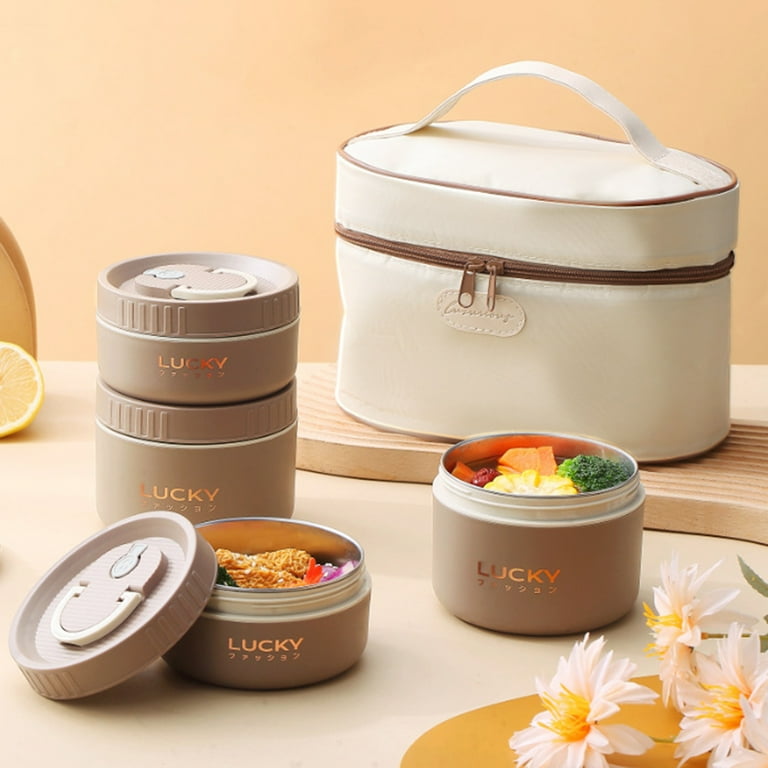
Insulated lunch boxes are designed with layers that trap heat inside. This keeps hot food warm for hours without reheating. Non-insulated boxes, on the other hand, don’t retain heat well, so your food cools quickly.
If you’ve ever opened a lunch box to find your soup cold, you know how disappointing it can be. Choosing an insulated box can prevent that problem and improve your mealtime experience. Would you rather eat a warm meal or something that tastes like it’s been sitting out all day?
Material Matters
The material of your lunch box impacts both heat retention and durability. Stainless steel lunch boxes are excellent at keeping heat inside and are easy to clean. Plastic boxes can be lightweight but usually don’t keep food warm as long.
Some lunch boxes come with silicone seals, which help lock in heat and prevent spills. If you want a lunch box that lasts and keeps your food warm, focus on high-quality materials. Ask yourself: Is the lunch box easy to maintain and safe for reheating?
Size And Compartments
Choosing the right size means your lunch box isn’t too big or too small. A box that’s too large leaves extra air inside, which cools the food faster. Compact lunch boxes with well-planned compartments keep different foods separate and help maintain temperature better.
Compartments also allow you to pack a balanced meal without mixing flavors or textures. Think about your typical meal – do you need space for a salad, a main dish, and a snack? The right layout helps you enjoy every bite warm and fresh.

Credit: www.amazon.ca
Preheating Techniques
Keeping food warm in a lunch box improves taste and safety. Preheating the lunch box or its components helps maintain heat longer. Simple techniques allow the heat to stay trapped inside. This section explores easy and effective preheating options.
Warm Water Method
Fill the lunch box with hot water for a few minutes. This warms the container’s walls. Empty the water before adding food. The warmed lunch box slows heat loss. It keeps meals warm for hours. Use water that is hot but safe to handle.
Microwave Preheating
Many lunch boxes or inserts can go in the microwave. Heat the container for 30 seconds to one minute. Make sure it is microwave-safe first. This method quickly warms the lunch box. It helps food stay hot longer. Avoid overheating to prevent damage.
Heating Pads And Hot Packs
Reusable heating pads or hot packs provide steady warmth. Activate the pack before placing it in the lunch box. Wrap it in cloth to avoid direct contact with food. The heat from the pack keeps meals warm. This method is portable and easy to use. Perfect for longer lunch hours or cold days.
Packing Food For Warmth
Keeping your food warm inside a lunch box isn’t just about the container you use; how you pack the food matters a lot. Thoughtful packing can help keep the heat locked in, making your meal more enjoyable hours later. You can use simple techniques that save you from eating cold food and improve your lunch experience.
Cooking For Heat Retention
Start by cooking your food in a way that helps it stay warm longer. Foods with higher moisture content, like stews or soups, tend to retain heat better than dry foods. Adding a bit of extra sauce or broth can keep dishes warmer inside your lunch box.
Try cooking your rice or pasta just a little softer than usual. Softer grains hold heat better and prevent your meal from cooling off quickly. When I switched to this method, my leftovers stayed warm much longer during my commute.
Layering Foods Strategically
Think about how you arrange different foods inside your lunch box. Place hot items at the bottom since heat rises, and put more delicate or cooler foods on top. This simple trick keeps the warmest parts insulated under layers of other items.
Use denser foods like cooked vegetables or meat to create a heat barrier around more sensitive items like salads or fruits. Do you notice how your soup stays warmer when packed beneath a sandwich? That’s the layering effect in action.
Using Thermal Wraps
Thermal wraps or insulated pouches can make a big difference in keeping your lunch hot. Wrap your food containers in foil or use a neoprene sleeve to trap heat effectively. These wraps act like a cozy blanket, slowing down the heat loss.
When I started using thermal wraps, my lunch stayed warm for hours without reheating. You can even combine these wraps with a heated gel pack to boost warmth if you’re packing food for a long day.
Credit: www.bluestonelandscape.ca
Using Thermal Accessories
Keeping your food warm in a lunch box can be much easier with the right thermal accessories. These tools help maintain temperature without much effort, so your meal stays enjoyable until you’re ready to eat. Let’s look at some practical options you can try.
Thermal Bags And Sleeves
Thermal bags and sleeves act like a cozy jacket for your lunch box. They are often insulated with materials that trap heat effectively. If you carry your lunch to work or school, slipping your container into a thermal bag can add hours of warmth.
Think about how a simple insulated sleeve for a coffee cup keeps your drink hot longer. The same idea applies here, but for your whole meal. You can find thermal sleeves that fit various sizes, making them convenient and easy to carry.
Heat Retaining Inserts
Heat retaining inserts are small, reusable packs designed to hold and release heat slowly. You heat them up in advance, then place them inside your lunch box. This creates a warm environment that can keep food hot for an extended period.
One time, I packed a soup with a heat-retaining insert, and it stayed piping hot well past lunchtime. These inserts are especially useful if you don’t have access to a microwave or reheating options.
Reusable Heat Packs
Reusable heat packs are a versatile option that you can heat in hot water or a microwave. Once warm, you place them in the lunch box to maintain temperature. They often come with a cover to avoid direct contact with food but still provide consistent warmth.
What’s great about these packs is their reusability and ease of heating. If you often find your lunch getting cold, keeping a reusable heat pack ready can be a game-changer. Would you try this simple addition to your lunch routine?
Safe Handling And Storage
Keeping your food warm in a lunch box is not just about comfort; it’s about safety too. Handling and storing food correctly prevents bacteria growth and preserves taste. Let’s look at key ways to protect your meal from temperature dangers and ensure it stays fresh until you’re ready to eat.
Avoiding Temperature Drops
Temperature control is crucial. Food left in the “danger zone” between 40°F and 140°F (4°C to 60°C) can quickly become unsafe. Use insulated lunch boxes or thermal containers to keep heat locked in.
Preheat your container with hot water before adding your meal. This simple trick keeps food warm longer. Have you ever noticed your soup cooling faster in a cold container? That’s why this step matters.
Timing And Consumption
Plan your meal timing carefully. The longer food stays warm, the higher the chance bacteria can grow if temperatures drop. Aim to eat within two to four hours after packing to enjoy both safety and taste.
If your schedule doesn’t allow immediate eating, consider packing foods that tolerate cooler temperatures or bring a small food thermometer to check the temperature before eating. Does your lunch box keep food hot enough until mealtime?
Maintaining Food Safety
Always store your lunch box in a cool, dry place until you’re ready to eat. Avoid leaving it in direct sunlight or near heat sources that can create condensation inside.
Clean your lunch box thoroughly after each use to prevent leftover bacteria. Use warm soapy water and dry it completely. Have you noticed how a clean container affects the taste and safety of your food?
Alternative Heating Solutions
Keeping food warm in a lunch box can be a challenge without a microwave. Alternative heating solutions offer practical ways to enjoy hot meals anytime. These options work well for school, work, or travel. They help maintain temperature and freshness for hours. Explore the best choices below for warming food easily.
Portable Food Warmers
Portable food warmers are small devices designed to heat meals on the go. They use low power, making them safe and convenient. These warmers often plug into car adapters or USB ports. They fit easily inside lunch boxes and heat evenly. Many models have temperature controls to prevent overheating.
Electric Lunch Boxes
Electric lunch boxes combine storage and heating in one unit. Simply plug them into a power source to warm your food. They heat meals quickly and keep food hot for hours. Most are lightweight and easy to carry. Some have separate compartments for different dishes.
Microwaving At Destination
Microwaving food at your destination ensures a fresh, hot meal. Carry your lunch in microwave-safe containers for easy reheating. Many workplaces and schools have microwaves available. This method requires minimal equipment and keeps meals tasty. Just heat for a minute or two before eating.
Frequently Asked Questions
How Can I Keep Food Warm In A Lunch Box?
Use insulated lunch boxes or thermal containers. Preheat the lunch box with hot water before packing. Wrap food in foil or use heat-retaining packs to maintain warmth longer.
What Materials Are Best For Warm Lunch Boxes?
Stainless steel and vacuum-insulated materials are best. They retain heat effectively and prevent spills. Avoid plastic containers for keeping food warm, as they don’t insulate well.
Can I Use Hot Water Bottles To Keep Lunch Warm?
Yes, placing a hot water bottle inside an insulated lunch bag helps retain heat. Ensure it’s sealed to avoid leaks. This method keeps food warm for several hours.
Is Wrapping Food In Foil Effective For Warmth?
Wrapping food in aluminum foil helps retain heat by trapping steam. Combine foil with an insulated container for better temperature maintenance. This method keeps meals warm and fresh.
Conclusion
Keeping food warm in your lunch box is simple with the right steps. Use insulated containers to hold heat longer. Wrap food in foil or cloth for extra warmth. Preheat your lunch box with hot water before packing. Avoid opening the box often to keep heat inside.
These small tips help your meal stay tasty and warm. Enjoy fresh food anytime, even hours after cooking. Try these easy ideas to improve your lunch experience. Warm meals make your day better and your body stronger.

Sophia Martinez is a culinary lifestyle writer and product reviewer for DiningGadgets.com. Passionate about blending style with functionality, she explores the latest dining essentials, kitchen décor, and cleaning hacks that transform everyday cooking spaces. With a background in home organization and design, Sophia brings readers expert advice on creating beautiful, practical kitchens that truly feel like the heart of the home.