

Do you ever open your child’s lunch box only to find the apple slices you packed looking less than appetizing? Those once-crisp, juicy pieces now have an unappealing brown tint that might make your little one think twice before taking a bite.
It’s a common problem, but it doesn’t have to be yours anymore. Imagine the satisfaction of knowing your apples will stay fresh and vibrant from morning until lunchtime. Keeping apples from browning is easier than you think, and with a few simple tricks, you can ensure your apples look as delicious as they taste.
Read on to discover how you can make your lunch box apples stay fresh and inviting, keeping them as appealing as the moment you sliced them.
Why Apples Turn Brown
Apples turn brown because of a natural process called oxidation. When you cut an apple, its cells break open. This exposes the inside to air. Oxygen reacts with certain enzymes in the apple. This reaction causes the apple to turn brown. The brown color comes from substances called melanin. This process is a natural way to protect the fruit.
The browning does not mean the apple is bad. It only changes the color and taste slightly. Understanding why apples turn brown helps to keep them fresh longer in a lunch box.
What Causes Oxidation In Apples?
Oxidation happens when oxygen meets the apple’s flesh. The enzyme polyphenol oxidase (PPO) starts this reaction. PPO turns apple chemicals called polyphenols into brown pigments. This creates the brown spots on the apple.
How Cutting Apples Triggers Browning
Cutting breaks the apple’s skin and cells. This exposes the polyphenols and enzymes to oxygen. The reaction starts quickly after cutting. The more you cut or bruise the apple, the faster it browns.
Role Of Enzymes In Browning
Enzymes are natural proteins in apples. They control chemical reactions inside the fruit. Polyphenol oxidase is the main enzyme that causes browning. It helps the apple defend against insects and bacteria.
Environmental Factors That Speed Up Browning
- Air exposure increases oxygen contact.
- Warm temperature speeds up enzyme activity.
- Moisture from the apple surface helps enzymes work faster.
Keeping apples cold and limiting air exposure slows browning. Understanding these factors helps to keep apples fresh in lunch boxes.
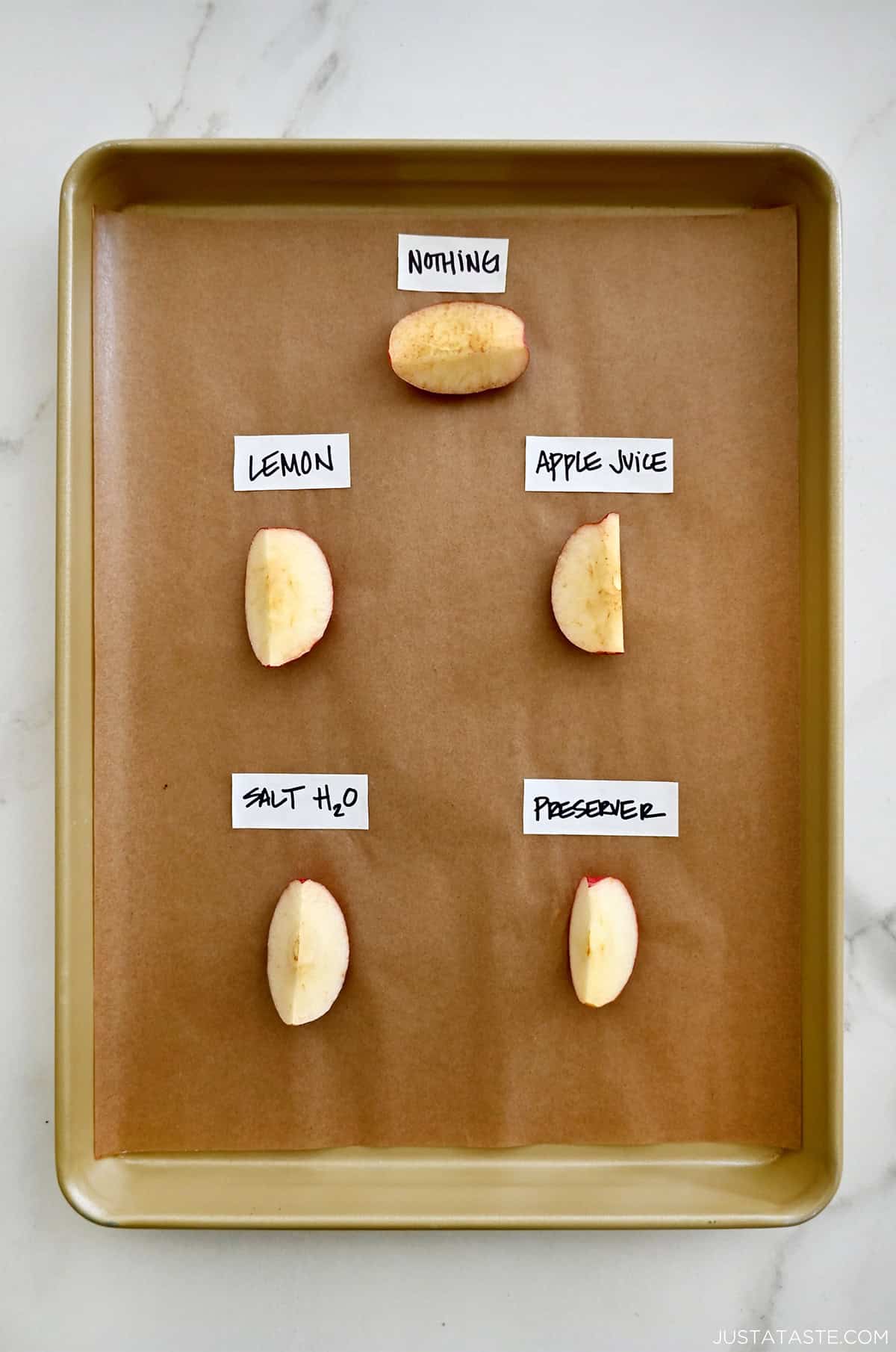
Credit: www.justataste.com
Quick Rinse With Lemon Juice
Keeping apples fresh and crisp in your lunch box can be a challenge. A quick rinse with lemon juice is a simple and effective way to prevent those brown spots from appearing. This natural trick slows down oxidation, which is what causes the apple to turn brown once it’s cut.
Why Lemon Juice Works So Well
Lemon juice contains citric acid and vitamin C, both of which help slow the browning process. The acid lowers the pH on the apple’s surface, making it less hospitable for the enzymes that cause browning. This means your apple stays looking fresh longer without losing flavor.
How To Quickly Rinse Apples With Lemon Juice
- Cut your apple into slices or wedges as you prefer.
- Pour fresh lemon juice into a small bowl or cup.
- Dip the apple pieces in the lemon juice for about 30 seconds.
- Shake off excess juice and pat the pieces dry with a paper towel.
- Place the treated apples in your lunch box or container.
This quick rinse adds minimal time to your prep but makes a big difference in keeping your snack fresh.
Tips For Using Lemon Juice Without Changing Taste
If you worry about the lemon flavor overpowering your apple, try diluting the juice with a little water. A 1:3 ratio of lemon juice to water works well to reduce tartness while still protecting the apple. You can also experiment with other citrus juices like lime or even a splash of orange juice for a milder effect.
Have You Tried This Simple Trick?
Next time you pack apples, give the lemon juice rinse a shot. Does it keep your apples fresher? Many people find it extends the crispness by hours, making lunchtime more enjoyable. What other natural methods do you use to keep fruits fresh on the go?
Use Salt Water Soak
Using a salt water soak is a simple and effective way to keep apple slices fresh and crisp in your lunch box. Salt helps slow down the oxidation process that causes apples to turn brown. It’s a trick I started using after noticing my kids’ apple slices looked unappetizing by lunchtime.
All you need is a bowl of cold water and a small amount of salt. Just a quick soak can make a big difference without changing the taste of the apples. Curious how much salt to use or how long to soak? Read on for easy-to-follow tips.
How To Prepare The Salt Water Soak
Start by filling a bowl with about 2 cups of cold water.
Add 1/2 teaspoon of salt and stir until it dissolves completely.
This creates a mild salt solution that won’t make your apples taste salty but will protect them from browning.
Soaking Time For Best Results
Place your apple slices into the salt water.
Let them soak for about 3 to 5 minutes. Soaking longer can make the apples a bit soft, while soaking less might not prevent browning effectively.
After soaking, rinse the slices briefly with fresh water to remove any salty residue.
Tips To Maximize Freshness After Soaking
- Dry the apple slices well using a paper towel before packing them in your lunch box.
- Store the slices in an airtight container or a resealable plastic bag to keep out air.
- Keep the lunch box cool with an ice pack to further slow browning.
Have you tried soaking apple slices in salt water before? How did it affect the taste and appearance? Experimenting with this simple step might just change how your lunch looks and tastes by afternoon.
Try Honey Water Dip
Apples turn brown when exposed to air. The natural enzyme in apples reacts with oxygen, causing browning. A simple honey water dip can stop this process. Honey contains natural antioxidants that slow down oxidation. This method keeps apples fresh and tasty in lunch boxes.
Using honey water is easy and effective. It adds a light sweetness without overpowering the apple’s flavor. This dip is a natural alternative to chemical preservatives. It is safe for kids and has a mild taste they enjoy.
How To Prepare Honey Water Dip
- Mix 1 cup of cold water with 2 tablespoons of honey.
- Stir until the honey dissolves completely.
- Use fresh, clean water for the best result.
How To Use The Honey Water Dip
- Slice the apples just before dipping.
- Place apple slices in the honey water for 2-3 minutes.
- Remove and drain excess liquid with a paper towel.
- Pack the apples in an airtight container or lunch box.
Benefits Of Using Honey Water Dip
- Prevents browning for several hours.
- Keeps apples juicy and fresh.
- Natural and safe for all ages.
- Simple ingredients found in most kitchens.
Apply Citrus Soda
Applying citrus soda is a simple trick to keep apple slices fresh and white. The soda’s acidity slows down the browning process. It also adds a slight sweetness that many enjoy. This method works well for lunch boxes and quick snacks.
Choose The Right Citrus Soda
Pick a citrus soda with real lemon or lime flavor. Avoid sodas with artificial colors or heavy sugars. Clear sodas like lemon-lime soda work best. They do not stain the apple slices.
How To Use Citrus Soda On Apples
- Pour a small amount of soda into a bowl.
- Cut the apple into slices or wedges.
- Dip the slices quickly into the soda.
- Let excess soda drip off before packing.
- Place the slices in an airtight container or lunch box.
Tips For Best Results
- Use chilled soda to keep apples crisp.
- Do not soak apples too long to avoid sogginess.
- Pack apples with a paper towel to absorb moisture.
- Consume within a few hours for the freshest taste.

Credit: www.thecoolfoodschool.ie
Wrap With Plastic Wrap
Wrapping apple slices with plastic wrap is a simple yet highly effective way to keep them from browning in your lunch box. The plastic wrap acts as a barrier, limiting the apple’s exposure to air, which is the main cause of browning. It’s a quick solution that requires minimal effort but delivers great results.
How Plastic Wrap Prevents Browning
Apple browning happens when oxygen reacts with enzymes in the fruit. By tightly wrapping the apple slices, you reduce the fruit’s contact with oxygen. This slows down the enzymatic process and keeps your apples looking fresh longer.
Best Practices For Wrapping Apples
- Slice your apples just before wrapping to maintain freshness.
- Use plastic wrap that clings well to the apple surface without leaving air pockets.
- Press the wrap firmly around each slice to ensure a tight seal.
- Place wrapped slices in an airtight container for extra protection.
Personal Tip: Wrapping With A Twist
Once, I found that wrapping apple slices alone wasn’t enough—they still browned a bit by lunchtime. So, I added a thin layer of lemon juice on the slices before wrapping. The acid in lemon juice works with the plastic wrap barrier to keep apples crisp and bright.
Is Plastic Wrap Environmentally Friendly?
Using plastic wrap daily raises concerns about waste. Consider reusable alternatives like beeswax wraps if you want to be eco-friendly. However, for convenience and effectiveness, plastic wrap remains a practical choice for many lunch box situations.
Store With Other Fruits
Storing apples with other fruits can surprisingly help slow down the browning process in your lunch box. Some fruits release natural gases that affect how quickly apples turn brown. Understanding which fruits to pair with your apples can keep them fresh and appealing for longer.
Choose Fruits That Release Less Ethylene Gas
Ethylene gas speeds up ripening and browning in apples. Fruits like berries, grapes, and citrus emit less ethylene, making them good companions in your lunch box. Keeping apples with these fruits helps reduce the browning effect.
Avoid Storing Apples Near High Ethylene Producers
Bananas, avocados, and tomatoes release a lot of ethylene gas. Placing apples close to these can make them brown faster. You might want to keep these fruits separate or in different compartments to protect your apples.
Use Natural Barriers Between Fruits
Separating apples from other fruits with a paper towel or a silicone divider can limit gas exposure. This simple step keeps apples fresh and prevents browning. Have you tried adding a small barrier in your lunch box?
Pair Apples With Citrus Fruits For A Fresh Boost
Citrus fruits like oranges and lemons not only release less ethylene but also have vitamin C. This vitamin acts as a natural antioxidant, which helps reduce apple browning. Adding a few lemon wedges or orange slices alongside apples can keep them crisp and colorful.
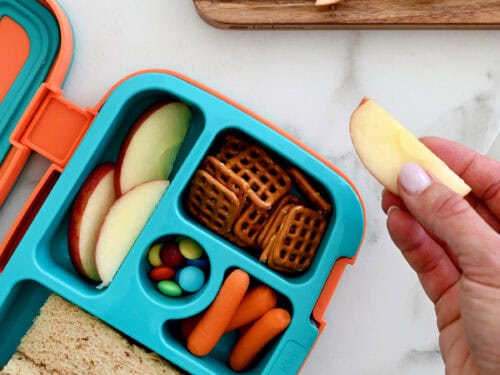
Credit: www.justataste.com
Choose The Right Apple Variety
Choosing the right apple variety plays a key role in keeping apples from browning in lunch boxes. Different apples react differently to air exposure. Some apples naturally stay fresh longer and resist browning better. Picking these varieties can save time and avoid messy brown spots.
Freshness matters, but the apple type makes a big difference. Some apples have less enzyme activity that causes browning. Others contain natural acids that slow down the process. Knowing which apples to pick helps keep slices looking appealing and tasty.
Apples That Resist Browning Naturally
- Granny Smith: Tart and firm, stays fresh longer.
- Fuji: Sweet with slow browning tendencies.
- Gala: Mild flavor, resists quick discoloration.
- Honeycrisp: Crisp texture, browns at a slower pace.
Why Some Apples Brown Faster
Apples with higher sugar and enzyme levels brown quickly. Red Delicious and McIntosh fall in this group. Their soft flesh reacts fast with oxygen. This causes rapid color change after slicing.
Tips For Selecting Apples For Lunch Boxes
- Choose firmer apples for longer freshness.
- Pick apples with thicker skin to protect the flesh.
- Avoid bruised or overly ripe apples.
- Consider taste preference alongside browning resistance.
Keep Apples Cold
Keeping apples cold slows down the browning process. Cold temperatures reduce the enzyme activity that causes browning. This helps your apple slices stay fresh and appealing in the lunch box.
Chilling apples keeps them crisp and tasty for longer periods. It also helps maintain their natural color and texture, making lunchtime more enjoyable.
Use An Insulated Lunch Box
An insulated lunch box keeps cold air inside. It helps maintain the apple’s cool temperature throughout the day. Choose one with a good seal to keep the chill in.
Add Ice Packs
Ice packs keep the lunch box cold without freezing the apples. Wrap the ice pack in a cloth to avoid moisture on the fruit. Place it next to the apple slices for best results.
Store Apples In A Cooler Bag
Cooler bags are portable and keep food cold for hours. They are perfect for school or work lunches. Place apple slices in a sealed container inside the cooler bag.
Chill Apples Before Packing
Place apple slices in the fridge before packing them. Cold apples stay fresh longer once in the lunch box. Avoid leaving apples at room temperature before packing.
Use Airtight Containers
Airtight containers are a simple yet powerful way to keep your apple slices fresh and crisp throughout the day. They limit the fruit’s exposure to air, which slows down the browning process caused by oxidation. This small change can make a big difference in the appearance and taste of your lunchbox apples.
Think about the last time you packed apple slices loosely in a sandwich bag. By lunchtime, they were often brown and unappetizing. Using an airtight container helps maintain freshness and keeps your lunch appealing and enjoyable.
Choosing The Right Airtight Container
Look for containers with a secure seal that won’t let air sneak in. Silicone or rubber gaskets around the lid create a tight barrier, which is key for preventing browning. Transparent containers also let you see your apples without opening the lid, so you know when it’s time to eat.
Tips For Packing Apples In Airtight Containers
- Slice apples just before packing to reduce browning time.
- Dry the slices with a paper towel before sealing to avoid excess moisture.
- Consider layering slices with a piece of parchment paper to keep them from sticking together.
Combining Airtight Containers With Other Techniques
Using an airtight container works best when paired with a quick dip in lemon juice or a splash of water. These natural acids slow oxidation, and the sealed environment keeps that effect longer. Have you tried sprinkling a little lemon juice inside the container before sealing? It can make your apples look freshly cut hours later.
Frequently Asked Questions
How Can Lemon Juice Stop Apples From Browning?
Lemon juice contains citric acid and vitamin C, which slow oxidation. Applying lemon juice on apple slices keeps them fresh longer. It prevents browning by reducing exposure to oxygen. This method is natural and safe for lunch boxes.
What Other Natural Methods Prevent Apple Browning?
Besides lemon juice, soaking apple slices in salt water or pineapple juice works well. These contain antioxidants that delay browning. Wrapping apples tightly in plastic wrap or using airtight containers also helps. These methods keep apples fresh and appealing for lunch.
Does Refrigeration Help Keep Apples From Browning?
Yes, refrigeration slows the oxidation process that causes browning. Keeping apple slices cold in a lunch box extends their freshness. Combine refrigeration with lemon juice or other treatments for best results. This maintains crispness and color until lunchtime.
Can Honey Water Prevent Apples From Turning Brown?
Honey water is an effective natural preservative due to its antioxidants. Soaking apple slices in diluted honey water reduces browning. It also adds a subtle sweetness without overpowering the fruit’s flavor. This is a healthy option for packed lunches.
Conclusion
Keeping apples fresh in a lunch box is simple with the right tips. Use lemon juice or salt water to stop browning. Store apple slices tightly in containers or wrap them well. These small steps help apples stay tasty and look good.
Enjoy fresh, crisp apples every day. Try these easy ideas and see the difference!

Sophia Martinez is a culinary lifestyle writer and product reviewer for DiningGadgets.com. Passionate about blending style with functionality, she explores the latest dining essentials, kitchen décor, and cleaning hacks that transform everyday cooking spaces. With a background in home organization and design, Sophia brings readers expert advice on creating beautiful, practical kitchens that truly feel like the heart of the home.