

Are you ready to transform your kitchen with sleek new cabinets but unsure how to tackle the challenge of a concrete wall? Installing kitchen cabinets on concrete can seem daunting at first, but with the right guidance, you can achieve a professional look without hiring a contractor.
Imagine the satisfaction of standing back and admiring a job well done, knowing you did it yourself. In this guide, we’ll walk you through each step, ensuring you have all the tips and tricks to make the process seamless and stress-free.
By the end, you’ll not only have a beautifully updated kitchen but also the confidence of mastering a new DIY skill. Ready to get started? Let’s dive in and make your kitchen the envy of all your friends.
Credit: www.familyhandyman.com
Tools And Materials Needed
Installing kitchen cabinets on a concrete wall requires specific tools and materials. Choosing the right ones ensures a secure and smooth installation. Preparation is key to avoid delays and mistakes.
Gathering all necessary items beforehand saves time and effort. It also helps maintain safety during the installation process. Below is a list of essential tools and required materials for this task.
Essential Tools
- Drill with hammer function
- Masonry drill bits
- Level
- Measuring tape
- Stud finder (for locating anchors)
- Screwdriver or impact driver
- Hammer
- Socket wrench or ratchet set
- Safety glasses
- Dust mask
- Chalk line
- Clamps
Required Materials
- Kitchen cabinets
- Concrete anchors or sleeve anchors
- Screws compatible with anchors
- Shims for leveling
- Wood screws (for cabinet assembly)
- Construction adhesive (optional for extra support)
- Caulk or sealant (to finish edges)
Credit: crystelmontenegrohome.com
Preparing The Concrete Wall
Preparing the concrete wall is a vital step before installing kitchen cabinets. A clean and well-marked surface ensures a secure and precise cabinet fit. Taking time to prepare the wall reduces errors and saves effort later.
Cleaning The Surface
Remove all dirt, dust, and grease from the concrete wall. Use a stiff brush to scrub away loose particles. Wash the surface with warm water and mild detergent. Rinse thoroughly and let the wall dry completely. A clean surface helps the mounting hardware stick better and holds screws firmly.
Marking Cabinet Positions
Measure the wall height and width to plan cabinet placement. Use a pencil and level to draw horizontal lines where cabinets will hang. Mark vertical lines to outline cabinet edges and spacing. Double-check measurements to avoid mistakes. Clear markings guide you during drilling and mounting, making installation smoother.
Locating Wall Anchors
Locating wall anchors is a crucial step before installing kitchen cabinets on a concrete wall. The right placement ensures your cabinets stay firmly attached and can support all the weight they’ll hold. If you miss the reinforcements or choose the wrong anchors, you risk damage or even accidents down the line.
Finding Studs Or Reinforcements
Unlike drywall, concrete walls don’t have wooden studs. Instead, look for reinforcements like rebar or embedded metal plates inside the wall. You can use a metal detector or a strong magnet to locate these hidden supports.
Mark these spots carefully. Anchoring your cabinets directly into these reinforcements provides the strongest hold. If you can’t find reinforcements, you’ll need to rely on heavy-duty anchors designed for solid concrete.
Choosing Anchor Types
Not every anchor works well with concrete. You want anchors that can handle heavy loads and resist loosening over time.
- Expansion anchors:These spread out inside the drilled hole and grip the concrete tightly.
- Sleeve anchors:Great for heavy cabinets, they provide a secure hold by expanding against the hole’s walls.
- Concrete screws:Easy to install and remove, they bite directly into the concrete without needing anchors.
Think about the weight of your cabinets and what tools you have. Have you ever struggled with an anchor that just wouldn’t hold? Picking the right one from the start saves you from headaches later.

Credit: www.reddit.com
Drilling Into Concrete
Drilling into concrete walls is a key task when installing kitchen cabinets. Concrete is tough and needs the right tools and techniques. Careful drilling ensures secure cabinet mounting and prevents wall damage. Understanding how to drill safely and effectively makes the job easier and safer.
Selecting Drill Bits
Use masonry drill bits designed for concrete. These bits have a carbide tip to cut through hard surfaces. Choose a size that matches the wall anchors or screws. Avoid regular wood or metal bits; they wear out fast on concrete. A hammer drill bit helps speed the job by combining rotation and hammering.
- Carbide-tipped masonry bits
- Hammer drill bits for faster drilling
- Bit size matching anchors or screws
Safe Drilling Techniques
Wear safety glasses and a dust mask before starting. Mark drilling points clearly on the wall. Use a hammer drill for best results on concrete. Start with a small pilot hole to guide the larger bit. Apply steady pressure without forcing the drill. Keep the drill perpendicular to the wall for straight holes. Clear dust from holes often to improve bit efficiency. Take breaks to avoid overheating the drill and bit.
Installing Wall Anchors
Installing wall anchors is a key step when fixing kitchen cabinets to a concrete wall. These anchors hold screws firmly in place, preventing cabinets from loosening over time. Using the right type and size of anchor ensures stability and safety for your kitchen setup.
Inserting Anchors
Start by drilling holes into the concrete wall using a hammer drill and a masonry bit. The hole size must match the anchor size exactly. Clean out any dust or debris from the hole. Insert the wall anchor gently but firmly into the hole until it sits flush with the wall surface.
Ensuring Secure Fit
Test the anchor by pushing it lightly to check for movement. If it feels loose, remove and try a larger anchor size. Tighten the screw into the anchor carefully. Do not overtighten; this can damage the anchor or wall. The cabinet will stay secure when anchors fit tight and stable.
Mounting The Cabinets
Mounting kitchen cabinets on a concrete wall can seem intimidating, but with the right approach, it becomes manageable and even satisfying. This part of the installation demands careful handling and precision to ensure the cabinets are securely fixed and perfectly aligned. Let’s dive into the crucial steps of lifting, positioning, and securing your cabinets.
Lifting And Positioning Cabinets
Start by preparing your workspace. Clear the area and have a helper nearby—these cabinets are heavy and awkward to handle alone.
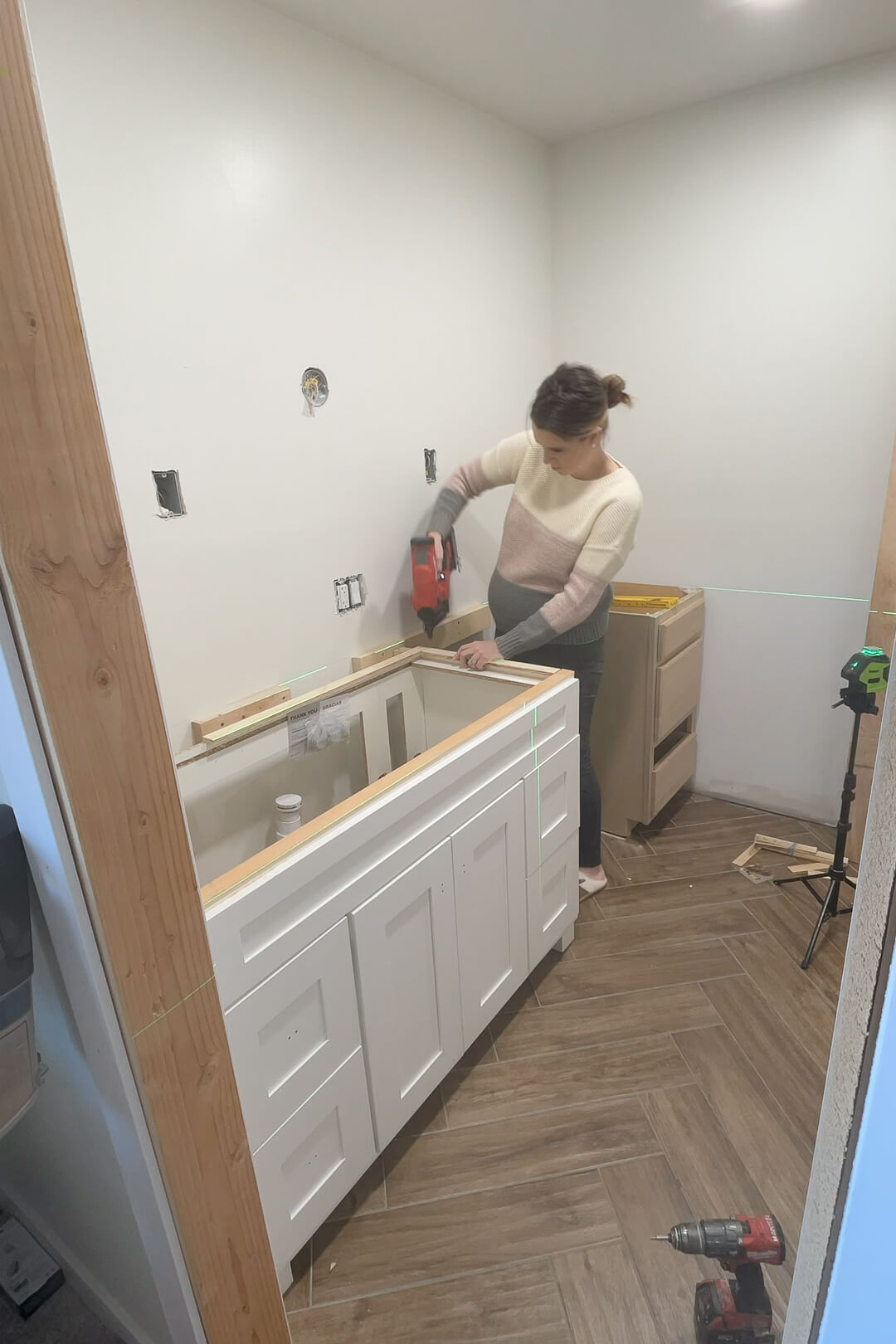
Lift each cabinet carefully, keeping it level to avoid damage. Position it against the wall where you plan to install it, paying close attention to height and alignment with adjacent cabinets.
Use a level to check both vertical and horizontal alignment. Small adjustments now save you from bigger problems later. Have you checked your measurements twice before lifting that first cabinet?
Securing Cabinets To Wall
Once the cabinet is in position, it’s time to anchor it to the concrete wall securely.
- Mark the cabinet’s mounting points on the wall.
- Drill holes using a hammer drill with a masonry bit suitable for the concrete.
- Insert heavy-duty concrete anchors or sleeve anchors into the drilled holes.
- Align the cabinet and drive screws through the cabinet’s back panel into the anchors.
Be mindful not to overtighten screws, which can damage the cabinet frame. Instead, tighten until the cabinet feels firm and stable.
Have you tested the cabinet’s stability after securing it? Give it a gentle shake to confirm it won’t budge before moving on.
Final Adjustments
After securing kitchen cabinets on a concrete wall, final adjustments ensure a perfect fit. These tweaks improve appearance and function. Small changes make a big difference in your kitchen’s look and safety.
Leveling Cabinets
Use a spirit level to check cabinet alignment. Place it on top and along the sides. Adjust shims behind the cabinets to fix any tilt. Tighten the mounting screws once the cabinets are level. This step prevents doors from swinging open or closing by themselves.
Checking Stability
Gently push each cabinet to test firmness. Cabinets must not wobble or shift. Tighten all screws securely into the concrete wall. Add extra anchors if needed for heavy cabinets. Stability keeps your kitchen safe and cabinets long-lasting.
Tips For Maintenance
Maintaining kitchen cabinets installed on concrete walls keeps them looking fresh and lasting longer. Simple care routines prevent damage and preserve their finish. Small checks and regular cleaning make a big difference in cabinet durability.
Cleaning Cabinets
Use a soft cloth and mild soap to clean cabinet surfaces. Avoid abrasive cleaners that can scratch or wear down the finish. Wipe spills immediately to stop stains from setting. Clean handles and edges often to remove grease and dirt buildup. Dry the cabinets thoroughly after cleaning to prevent moisture damage.
Inspecting For Damage
Check cabinets regularly for cracks, loose screws, or signs of water damage. Look behind and under cabinets for mold or mildew. Tighten any loose hardware to keep doors aligned and secure. Address small problems early to avoid costly repairs later. Keep an eye on the wall-cabinet connection for any shifting or gaps.
Frequently Asked Questions
How Do You Mount Cabinets On A Concrete Wall?
To mount cabinets on concrete, use a hammer drill to create holes. Insert concrete anchors and secure cabinets with screws. This ensures strong support and prevents damage to the wall.
What Tools Are Needed For Installing Cabinets On Concrete?
You need a hammer drill, masonry bits, concrete anchors, screws, a level, measuring tape, and a screwdriver. These tools help ensure precise and secure cabinet installation on concrete walls.
How To Find Studs Or Support In Concrete Walls?
Concrete walls don’t have studs like wood walls. Use a stud finder for metal reinforcements or rely on concrete anchors to secure cabinets safely.
Can I Install Cabinets Without Drilling Into Concrete?
Drilling is recommended for a secure hold. Alternative methods like adhesive or brackets are less reliable and may not support heavy kitchen cabinets safely.
Conclusion
Installing kitchen cabinets on a concrete wall takes patience and the right tools. Start with careful measuring and marking to ensure a perfect fit. Use strong anchors to hold the cabinets securely in place. Take your time drilling and mounting to avoid mistakes.
With clear steps and focus, your kitchen will look neat and sturdy. Enjoy the satisfaction of a job well done and a fresh new space.
