

Are you ready to transform your kitchen with stylish cabinets but worried about mounting them on a tough brick wall? Installing kitchen cabinets on brick might seem tricky, but with the right steps, tools, and tips, you can do it yourself and save money.
This guide will walk you through the process clearly and simply, so you can confidently handle your project from start to finish. Keep reading to discover how to secure your cabinets safely and make your kitchen look amazing.

Credit: www.reddit.com
Tools And Materials Needed
Installing kitchen cabinets on a brick wall requires the right tools and materials to ensure a secure fit and a smooth installation process. Having everything prepared before you start will save time and reduce frustration. Let’s look at what you’ll need to get the job done efficiently and safely.
Essential Tools
- Hammer Drill:A must-have for drilling into tough brick surfaces. It makes holes for anchors quickly and precisely.
- Masonry Drill Bits:Specifically designed for brick and mortar, these bits prevent damage and create clean holes.
- Level:Ensures your cabinets are perfectly horizontal, which is crucial for both aesthetics and function.
- Stud Finder with Deep Scan:Some brick walls may have wooden studs or metal reinforcements behind them. Finding these helps you anchor cabinets securely.
- Screwdriver or Impact Driver:For fastening screws into anchors and brackets firmly.
- Measuring Tape:Accurate measurements avoid costly mistakes and help position your cabinets correctly.
- Safety Gear:Gloves, safety glasses, and a dust mask protect you from brick dust and sharp edges.
Recommended Materials
- Wall Anchors or Masonry Screws:Choose heavy-duty anchors designed for brick walls to support the cabinet’s weight safely.
- Mounting Brackets:These provide extra support and help distribute the cabinet’s weight evenly.
- Shims:Use shims to adjust the cabinet’s position, especially if the brick wall is uneven or slightly out of plumb.
- Wood Screws:High-quality screws will keep the cabinets firmly attached over time.
- Caulk or Sealant:Sealing the edges where cabinets meet the brick can prevent moisture buildup and improve the finished look.
Have you ever tried to mount something on a brick wall without the right tools? The struggle is real, and it can turn a simple task into a frustrating experience. Gathering these tools and materials upfront can save you from those headaches and ensure your kitchen cabinets stay put for years to come.
Preparing The Brick Wall
Preparing the brick wall is a crucial step before installing kitchen cabinets. A well-prepared surface ensures your cabinets stay secure and look great for years. You’ll want to focus on cleaning the wall thoroughly and marking the exact spots where the cabinets will go.
Cleaning The Surface
Start by removing any dust, dirt, or loose mortar from the brick wall. Use a stiff brush or a vacuum with a brush attachment to clear away debris. If the wall has grease or stains, wipe it down with a mild detergent solution and let it dry completely.
Don’t rush this step—any residue left can weaken the grip of screws or anchors. Think about the last time you tried to hang something on a dusty surface; it just didn’t hold well, right? That’s why a clean surface is your foundation.
Marking Cabinet Positions
Next, plan where your cabinets will sit on the brick wall. Use a tape measure and a level to draw straight, accurate lines with a pencil or chalk. Mark the top and bottom edges of each cabinet, as well as where the mounting screws will go.
Double-check your measurements before drilling. It’s easier to adjust marks than fix misplaced holes later. Have you ever drilled a hole only to realize the cabinet was a few inches off? Careful marking saves you from this common mistake.
Locating Wall Studs And Anchors
Locating wall studs and choosing the right anchors are vital for installing kitchen cabinets on a brick wall. Cabinets must be secured firmly to avoid accidents. Studs provide strong support points behind the wall. Anchors hold the cabinets tightly in place when studs are not accessible.
Finding Studs In Brick Walls
Brick walls often do not have traditional wooden studs. Instead, metal or wood framing may exist behind the brick or plaster. Use a stud finder designed for masonry to detect these supports. Tap the wall gently and listen for solid sounds indicating studs. Look for electrical outlets or switches; studs usually run near them.
Mark the stud locations clearly with a pencil. Measure twice to ensure accuracy. These marks guide where to drill and secure the cabinets safely.
Choosing The Right Anchors
Select anchors that match the brick wall’s thickness and weight capacity needs. Heavy-duty masonry anchors, such as sleeve anchors or wedge anchors, offer strong holding power. Plastic anchors suit lighter loads but avoid them for heavy cabinets.
- Sleeve anchors:Expand inside the hole for strong grip.
- Wedge anchors:Provide excellent support in solid brick.
- Plastic anchors:Suitable for light cabinets or drywall areas.
Use a hammer drill with a masonry bit to make holes for the anchors. Insert anchors flush with the wall surface. Tighten screws carefully to avoid cracking the brick. Proper anchors prevent cabinets from pulling away over time.
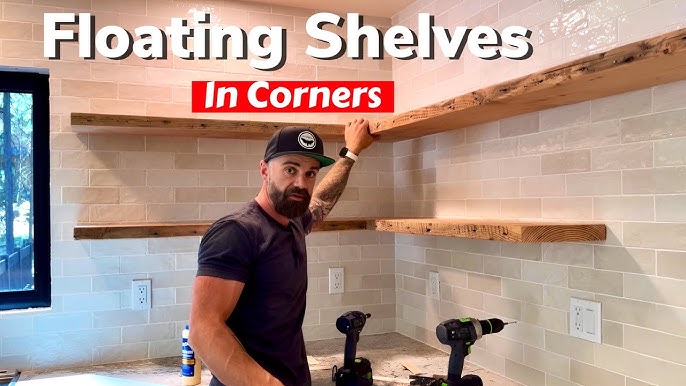
Credit: m.youtube.com
Drilling Into Brick Walls
Drilling into brick walls can be intimidating, especially if you haven’t done it before. But with the right tools and approach, you can make secure holes that will hold your kitchen cabinets firmly. Understanding the proper technique and equipment is key to avoiding damage and ensuring a clean job.
Selecting Drill Bits
Choosing the right drill bit is crucial for drilling into brick. Masonry drill bits are designed specifically for hard surfaces like brick and mortar. These bits have a carbide tip that helps them cut through tough material without dulling quickly.
Look for drill bits labeled for use on brick or concrete. Sizes usually range from ⅛ inch to ½ inch, depending on the size of your wall anchors or screws. Using a regular wood or metal bit will only damage both the bit and your wall.
Drilling Safely And Accurately
Before drilling, mark your spots carefully with a pencil or chalk. Use a level to ensure your cabinets will hang straight. Wearing safety glasses and a dust mask is important to protect your eyes and lungs from brick dust.
Start drilling at a slow speed to create a guide hole. Then increase speed gently while applying firm pressure. Avoid forcing the drill, as this can crack the brick. If you hit tough mortar joints, take your time and adjust pressure accordingly.
Do you know how deep you need to drill? Measuring the length of your wall anchors or screws first will help you avoid drilling too far. Using a piece of tape on the drill bit as a depth marker can keep you on track.
Installing Mounting Rails
Installing mounting rails is a crucial step when fixing kitchen cabinets on a brick wall. These rails act as a strong base, distributing the cabinet weight evenly and making the installation process smoother. Taking your time here will save you headaches later and ensure your cabinets stay put for years.
Attaching Rails Securely
Start by choosing sturdy, rust-resistant mounting rails. Steel or aluminum rails work well for brick walls because they hold up against moisture and weight.
Drill holes into the brick using a hammer drill with a masonry bit. Use wall plugs designed for brick to anchor the screws tightly. This prevents the rails from loosening over time.
Use long screws that penetrate deep into the brick, not just the mortar. Mortar can crumble and won’t support the weight as well. Secure the rail with at least three screws spaced evenly along its length for maximum strength.
Leveling And Alignment Tips
Leveling the rails perfectly is non-negotiable. Even a slight tilt can cause cabinets to hang unevenly, making doors swing open or close on their own.
Use a spirit level across the rail and adjust as needed before tightening screws completely. Check the level multiple times during the process to catch any shifts early.
Consider marking a straight reference line on the brick wall with a pencil or chalk before you start. This helps keep your rails aligned horizontally, especially when working across uneven surfaces.
Have you ever installed something only to realize it was slightly off? Taking these small extra steps can save you from that frustration and ensure your kitchen looks flawless.

Credit: www.workshop.bunnings.com.au
Hanging The Cabinets
Hanging kitchen cabinets on a brick wall requires careful handling and precise work. This step ensures your cabinets are safe and well-aligned. Proper hanging supports the cabinet’s weight and maintains the kitchen’s look.
Lifting And Positioning Cabinets
Start by lifting the cabinets carefully. Use two people to avoid damage or injury. Hold the cabinet level and steady against the wall. Position the cabinet so the bottom edge aligns with your marked lines. Check the cabinet’s level using a spirit level. Adjust as needed for perfect alignment.
Securing Cabinets To Rails
Attach the cabinets to the mounting rails fixed on the brick wall. Use heavy-duty screws that can hold the weight securely. Drill pilot holes through the cabinet back panel into the rail. Tighten the screws evenly to keep the cabinet flush with the wall. Double-check the cabinet’s level after securing. Repeat this for each cabinet section to create a strong, stable installation.
Final Adjustments And Finishing Touches
Final adjustments and finishing touches make a huge difference in how your kitchen cabinets look and function on a brick wall. It’s the stage where you ensure everything fits perfectly and feels secure. This part is about precision and care, turning your hard work into a polished, professional result.
Checking Level And Stability
After mounting the cabinets, use a spirit level to check if they are perfectly horizontal. Even a slight tilt can affect the doors and drawers, causing them to swing open or not close properly. Adjust any uneven spots by tightening or loosening the screws where needed.
Test the cabinets’ stability by gently pushing on them. If you notice any wobbling, locate the weak points and add extra anchors or shims between the cabinet and brick wall. Stability is crucial not just for appearance but for safety, especially if you plan to store heavy items inside.
Sealing Gaps And Cleaning Up
Brick walls are rarely perfectly smooth, so small gaps between the cabinets and wall are common. Use a high-quality caulk or sealant to fill these spaces. This not only improves the look but also helps prevent dust and insects from sneaking behind the cabinets.
Once sealing is done, wipe down your cabinets and the surrounding area to remove dust and any leftover debris. Pay attention to corners and edges where dust can accumulate unnoticed. A clean workspace helps you spot any final imperfections and keeps your kitchen looking fresh and inviting.
Frequently Asked Questions
How Do You Secure Cabinets To A Brick Wall?
To secure cabinets, use masonry screws or anchors drilled into the brick. Pre-drill holes carefully and use a level for alignment. This ensures a strong hold and prevents damage to the cabinets or wall.
What Tools Are Needed To Install Kitchen Cabinets On Brick?
Essential tools include a hammer drill, masonry bits, level, tape measure, screwdriver, and masonry anchors. These tools help you drill into brick and securely mount the cabinets with precision.
Can I Install Kitchen Cabinets Without Studs In Brick Walls?
Yes, brick walls don’t have studs, so use masonry anchors or sleeve anchors instead. These provide strong support and safely hold the cabinet weight directly on the brick surface.
How To Align Kitchen Cabinets On An Uneven Brick Wall?
Use a shimming technique with wooden or plastic shims to level cabinets. Adjust shims between the wall and cabinet until perfectly aligned. This ensures stability and an even appearance.
Conclusion
Installing kitchen cabinets on a brick wall is straightforward. With the right tools, you can achieve a sturdy setup. Remember to plan before drilling. Measure accurately to avoid mistakes. Use strong brackets for support. Always check the level of each cabinet.
This ensures a neat and professional look. Take your time with each step. Safety is important, so wear protective gear. Soon, your kitchen will look great and function well. Enjoy your newly installed cabinets!
