

Are you tired of the lingering smell of last night’s dinner in your kitchen? Or perhaps you’re concerned about the build-up of moisture and smoke every time you cook?
Installing an exhaust fan in your kitchen wall might just be the solution you’ve been searching for. Not only does it help keep your kitchen fresh and clean, but it also plays a crucial role in maintaining a healthy environment in your home.
Imagine walking into your kitchen and being greeted by fresh air rather than the aroma of yesterday’s meal. In this guide, you’ll discover simple, step-by-step instructions on how to install an exhaust fan in your kitchen wall, making the process hassle-free and straightforward. Ready to transform your cooking space into a fresh and pleasant haven? Let’s get started!
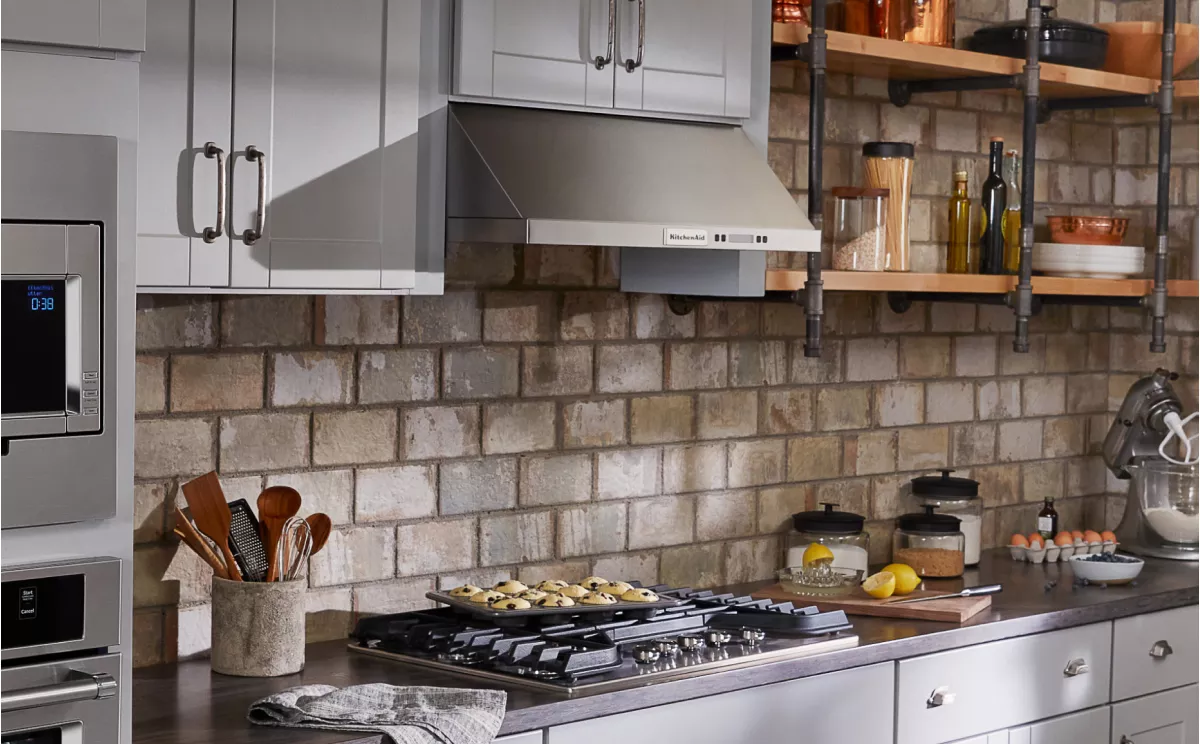
Credit: www.kitchenaid.com
Tools And Materials Needed
Preparing to install an exhaust fan in your kitchen wall means gathering the right tools and materials beforehand. Having everything at hand saves time and avoids frustration during the project.
Think about your last DIY project. Did missing a small tool slow you down? This time, let’s get it right from the start.
Essential Tools For The Installation
- Power Drill:Needed for making holes and securing screws efficiently.
- Hole Saw or Jigsaw:To cut the opening in the wall for the fan.
- Measuring Tape and Pencil:For precise measurements and marking the cut area.
- Screwdrivers:Both flathead and Phillips types to tighten or loosen screws.
- Level:Ensures your fan is mounted straight and functions properly.
- Wire Strippers:Important for safe electrical connections.
- Safety Gear:Gloves and safety goggles to protect your hands and eyes.
Materials You Will Need
- Exhaust Fan Unit:Choose one suitable for your kitchen size and ventilation needs.
- Electrical Wire:To connect the fan to your power source safely.
- Wall Cap or Vent Cover:Prevents debris and pests from entering through the vent.
- Caulk or Sealant:To seal gaps around the fan and prevent air leaks.
- Mounting Screws and Anchors:For securely attaching the fan to the wall.
Tips To Make Your Installation Smoother
Double-check the fan’s specifications and your kitchen wall type before buying tools or materials. Are your walls drywall, brick, or something else? This affects the type of drill bits and anchors you’ll need.
Having a helper can make the process safer and easier, especially when cutting the wall or holding the fan in place.
Do you have all your tools and materials ready? If not, take a moment to list what’s missing. It pays off to be fully prepared before you start.

Credit: www.create-enjoy.com
Choosing The Right Exhaust Fan
Choosing the right exhaust fan for your kitchen wall is essential to keep your cooking space fresh and comfortable. The perfect fan not only removes smoke and odors but also fits your kitchen’s size and style. A well-chosen fan improves air quality and reduces moisture, preventing mold and damage to your walls.
Understanding The Fan Size And Capacity
Fan size matters more than you might think. A fan that’s too small won’t ventilate effectively, while an oversized one wastes energy and can be noisy. Look for the fan’s airflow capacity, measured in cubic feet per minute (CFM).
To find the right CFM, multiply your kitchen’s length, width, and height to get the volume. Then, choose a fan that can exchange the air in your kitchen at least 15 times per hour. This ensures your kitchen stays fresh without overworking the fan.
Types Of Exhaust Fans To Consider
There are several types of exhaust fans designed for kitchen walls. Wall-mounted fans are common and easy to install. Inline fans, which are installed in ducts, offer quieter operation but require more setup.
Also, consider fans with built-in features like timers, humidity sensors, or adjustable speeds. These give you better control over ventilation and can save energy. Think about what fits your cooking habits and kitchen layout best.
Noise Levels And Energy Efficiency
Noise can be a dealbreaker in a kitchen where you want peace while cooking or chatting. Check the noise rating, usually measured in sones. A lower sone rating means a quieter fan.
Energy efficiency is equally important. Look for fans with the ENERGY STAR label, which use less electricity. A quiet and efficient fan keeps your kitchen pleasant without hiking up your energy bills.
Design And Installation Considerations
Your exhaust fan should blend well with your kitchen’s design. Fans come in various styles, from sleek and modern to simple and functional. Choose a model that complements your kitchen walls and doesn’t stand out awkwardly.
Installation ease is another factor. Some fans require professional help, while others are DIY-friendly. Think about how much time and effort you want to invest in the installation process.
Durability And Maintenance
Durability matters because kitchen exhaust fans face heat, grease, and moisture daily. Choose fans made with corrosion-resistant materials like stainless steel or coated metal. This extends the fan’s life and keeps it working well.
Maintenance should be simple. Fans with removable, washable filters save you time and money. Ask yourself if you’re ready to clean and maintain the fan regularly to keep it running smoothly.
Selecting The Installation Location
Selecting the right location for your kitchen exhaust fan is key to its performance. It affects airflow, noise levels, and ease of installation. A good spot removes smoke, odors, and heat efficiently. It also helps keep your kitchen fresh and comfortable.
Consider the kitchen layout and where cooking happens most. The fan should be near the stove or cooking area. This placement captures steam and fumes quickly. Avoid spots blocked by cabinets or appliances.
Choosing A Wall Close To The Stove
Pick a wall near the stove or cooktop for better ventilation. This cuts down the path fumes travel. It helps remove smoke and smells fast. The fan will work more effectively here.
Avoiding Obstacles And Obstructions
Check for pipes, wires, or studs inside the wall. These can block installation or damage the fan. The fan needs a clear path to vent outside. Make sure nothing blocks airflow outside the house.
Considering Ventilation Path And Outdoor Access
The fan must vent air outside, not into the attic or another room. Choose a wall with easy access to the outside. A shorter vent path improves airflow and reduces noise. Check the outside wall for a vent cover location.
Checking For Electrical Outlet Availability
The exhaust fan needs power to run. Choose a wall near an electrical source. This avoids complex wiring work. Ensure the outlet can handle the fan’s power needs safely.
Evaluating Noise Levels And Neighboring Spaces
Place the fan away from bedrooms or quiet areas. This lowers noise disturbance. The fan can be noisy during cooking. Consider soundproofing if needed for comfort.
Preparing The Wall For Installation
Preparing the wall for installing an exhaust fan in your kitchen is a crucial step that sets the foundation for a smooth and effective installation. Getting this right ensures your fan works efficiently and fits perfectly without causing damage to your wall or requiring costly fixes later.
Measuring And Marking
Start by choosing the exact spot on the wall where the fan will be installed. Make sure the location allows for easy venting to the outside and doesn’t interfere with any plumbing or electrical wiring.
Use a tape measure to note the dimensions of your exhaust fan. Transfer these measurements onto the wall with a pencil, drawing clear lines to outline the size of the opening.
Double-check your marks before cutting. Ask yourself, does this spot align with the kitchen layout and existing ventilation paths? A small error here can create big problems later.
Cutting The Wall Opening
Before cutting, protect the surrounding area by covering countertops and floors with drop cloths. Wear safety goggles and gloves to avoid injury from dust and debris.
Use a drywall saw or a jigsaw to carefully cut along the marked lines. Take your time to keep the edges clean and straight, which will make fitting the fan easier and neater.
After cutting, remove any loose debris and smooth the edges with sandpaper. This preparation prevents damage to the fan and ensures a tight seal once installed.
Wiring The Exhaust Fan
Wiring the exhaust fan is a key part of installing it safely and effectively. Proper wiring ensures your fan runs smoothly without causing electrical hazards. Understanding the basics will make this task less intimidating, even if you don’t have much electrical experience.
Turning Off Power
Before you touch any wires, make sure to turn off the power at your circuit breaker. This simple step protects you from electric shock and prevents damage to the fan or wiring.
Double-check by using a voltage tester on the wires you will work with. Is the power really off? Never assume—test it yourself. This safety habit can save you from serious injury.
Connecting Electrical Wires
Match the wires from your exhaust fan to the wires in your kitchen wall by color: usually black to black (hot), white to white (neutral), and green or bare copper to ground. Use wire nuts to secure each connection tightly.
If the wires aren’t color-coded, identify them carefully before connecting. A loose or wrong connection can cause the fan to malfunction or create a fire risk.
After connecting, wrap the wire nuts with electrical tape for extra security. This step might seem small, but it adds a layer of protection and keeps the connections stable over time.
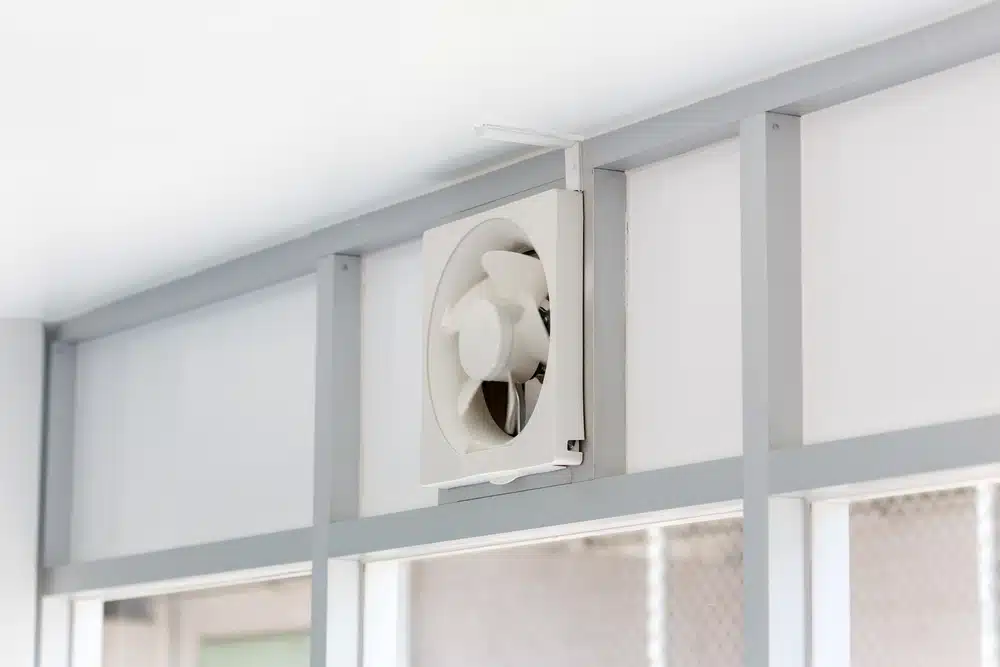
Credit: www.i-sells.co.uk
Mounting The Exhaust Fan
Mounting the exhaust fan securely ensures it works efficiently and lasts longer. Proper installation helps remove smoke and odors from your kitchen. Follow these steps carefully to fix the fan in place and complete the setup.
Securing The Fan To The Wall
Start by aligning the exhaust fan with the hole in the kitchen wall. Check that the fan fits snugly without gaps. Use screws and anchors suitable for your wall type to hold the fan firmly. Tighten the screws evenly to avoid tilting or loose fitting. Double-check the fan’s stability by gently shaking it. The fan should not move or wobble.
Installing The Vent Cover
The vent cover protects the fan and improves air flow. Place the cover over the fan’s outer side on the wall. Match the screw holes on the cover with those on the fan frame. Use screws to attach the cover securely. Ensure the cover sits flush against the wall for a clean look. This step also keeps out dust and pests.
Testing The Exhaust Fan
Testing the exhaust fan after installation is essential to ensure it works efficiently and safely. This step helps you catch any issues early, preventing poor ventilation or electrical problems. Let’s focus on how to test your kitchen wall exhaust fan properly.
Check The Power Connection
First, make sure your exhaust fan is properly connected to the power supply. Turn on the circuit breaker and then switch on the fan. If it doesn’t start, double-check your wiring connections and the power source.
Have you ever tried flipping the switch only to find nothing happens? This often points to a loose wire or a tripped breaker, and fixing it now saves frustration later.
Listen For Unusual Noises
Once the fan is running, listen carefully to the sounds it makes. A smooth, steady hum means the motor is working fine. However, rattling, grinding, or squeaking noises could indicate loose parts or a damaged motor.
Don’t ignore odd sounds. They often signal mechanical issues that can reduce the fan’s lifespan or efficiency.
Test The Airflow
Place your hand near the exhaust vent or use a piece of tissue paper to check if air is moving out strongly. Weak airflow suggests blockages in the duct or problems with the fan blades. Cleaning the vent or adjusting the fan speed might be necessary.
Good airflow is key to removing cooking fumes and odors. Ask yourself: is the fan clearing the air quickly enough?
Inspect For Vibrations
Feel the fan housing and surrounding wall for vibrations while the fan is running. Excessive shaking means the fan isn’t balanced or is mounted loosely. Tighten screws and balance the blades to reduce noise and wear.
Vibrations can cause long-term damage and be a nuisance, so addressing them early keeps your kitchen peaceful.
Verify The Exhaust Path
Check outside your home to see if the exhaust fan is venting air properly. Look for moisture, smoke, or odor escaping from the external vent. If you don’t notice airflow outside, the duct might be blocked or disconnected.
Proper venting is critical to avoid indoor air pollution and moisture buildup. Have you inspected your external vent recently?
Maintaining Your Kitchen Exhaust Fan
Maintaining your kitchen exhaust fan is key to keeping your cooking area fresh and free of smoke, odors, and grease buildup. Neglecting this simple task can lead to poor air quality and even damage to the fan itself. With a few easy habits, you can extend the life of your exhaust fan and ensure it works efficiently every time you cook.
Cleaning The Fan Blades And Grilles
Grease and dust collect quickly on the fan blades and grilles, reducing airflow and making the fan work harder. Use a mild detergent mixed with warm water and a soft cloth or brush to wipe down these parts regularly. Avoid harsh chemicals that might damage the fan’s finish or components.
How often should you clean? If you cook daily, aim for cleaning once a month. For less frequent cooking, every two to three months is fine. Keeping these parts clean helps your fan run quietly and efficiently.
Checking And Replacing The Filter
Your kitchen exhaust fan filter traps grease and particles, protecting the ductwork. Over time, filters clog and reduce airflow. Check your filter’s condition each month and clean or replace it as needed.
Metal filters can usually be washed with warm soapy water, while charcoal filters often need replacement. Make sure you use filters compatible with your fan model to avoid fit problems and maintain performance.
Inspecting The Fan Motor And Electrical Components
Dust and grease can also affect the motor and wiring, causing the fan to run inefficiently or stop working altogether. Periodically inspect the motor for any signs of wear or unusual noises. If you notice anything odd, it might be time to call a professional.
Electrical connections should be secure and free from corrosion. If you’re comfortable, switch off the power and gently clean accessible parts with a dry cloth. Safety is crucial when working around electrical components—never attempt repairs beyond your skill level.
Ensuring Proper Ventilation And Ductwork
Even a well-maintained fan can’t do its job if the ductwork is blocked or poorly installed. Check the ducts for any obstructions like bird nests or debris. Also, ensure the duct joints are sealed tightly to prevent air leaks.
Good ventilation means your kitchen exhaust fan removes smoke and odors effectively. Have you noticed lingering smells or smoke after cooking? That might be a sign to inspect your duct system closely.
Setting A Maintenance Schedule
Consistency is key to keeping your kitchen exhaust fan in top shape. Create a simple calendar reminder for cleaning, filter checks, and inspections. This small step can save you time, money, and the hassle of unexpected repairs.
Think about how much you use your kitchen. Would setting seasonal maintenance dates help you keep track better? A little planning prevents big problems down the road.
Frequently Asked Questions
How Do I Install An Exhaust Fan In A Kitchen Wall?
To install an exhaust fan, first choose the right location on the kitchen wall. Cut a hole matching the fan size. Mount the fan securely and connect it to an electrical source. Seal edges to prevent air leaks and test the fan for proper operation.
What Tools Are Needed To Install A Kitchen Exhaust Fan?
You will need a drill, screwdriver, measuring tape, level, wire stripper, saw, and sealant. Safety gear like gloves and goggles is also essential. These tools help cut the wall, mount the fan, and complete electrical connections safely.
How To Choose The Right Size Exhaust Fan For Kitchen?
Select a fan based on kitchen size and ventilation needs. Calculate air changes per hour (ACH) and choose a fan with sufficient CFM (cubic feet per minute). A larger kitchen requires a higher CFM fan for effective smoke and odor removal.
Can I Install An Exhaust Fan Without Professional Help?
Yes, if you have basic electrical and carpentry skills, you can install the fan yourself. Follow safety guidelines strictly, turn off power before wiring, and use proper tools. If unsure, consult a professional to avoid risks.
Conclusion
Installing an exhaust fan in your kitchen wall helps keep air fresh and clean. It removes smoke, heat, and cooking smells quickly. Follow the steps carefully to ensure safe and proper installation. Use the right tools and materials for best results.
Check the fan regularly to keep it working well. A good exhaust fan makes cooking more comfortable and your kitchen healthier. Simple steps, big difference.
