

Transforming your kitchen can be as simple as adding a touch of elegance with ceramic tiles. Imagine the satisfaction of creating a stunning backsplash or a feature wall that not only enhances the aesthetic appeal but also boosts the value of your home.
If you’ve been pondering the idea of tackling this DIY project, you’re in the right place. Installing ceramic tiles on your kitchen wall may seem daunting, but with the right guidance, it can be a rewarding and straightforward process. This guide will walk you through each step, ensuring you have the confidence and know-how to achieve a professional-looking finish.
Get ready to transform your kitchen into a masterpiece that reflects your personal style and creativity. Keep reading, and by the end of this article, you’ll be equipped with all the tips and tricks you need to install ceramic tiles like a pro.
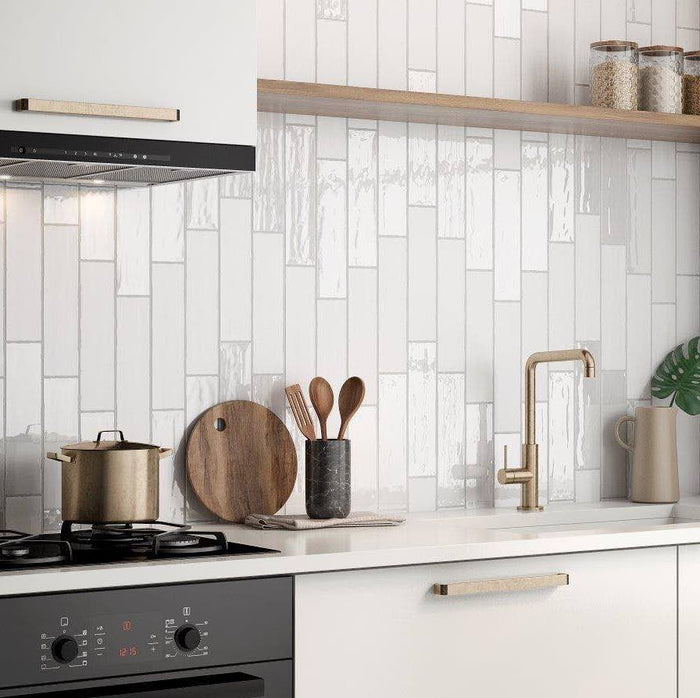
Credit: www.mineraltiles.com
Tools And Materials Needed
Before you start installing ceramic tile on your kitchen wall, gathering the right tools and materials is crucial. Having everything on hand not only speeds up the process but also helps you avoid frustrating trips to the store mid-project. Let’s break down what you really need to get the job done efficiently and effectively.
Essential Tools
Good tools make all the difference. You’ll want a sturdy tile cutter or wet saw to get clean, precise cuts. A notched trowel is necessary to spread adhesive evenly, ensuring your tiles stick properly and stay put.
Other must-haves include a level to keep tiles straight, a rubber grout float for smooth grout application, and spacers to maintain even gaps between tiles. Don’t forget a tape measure, pencil, and sponge for marking and cleaning up as you go. These basic tools set you up for success.
Choosing The Right Tiles
Picking tiles isn’t just about looks. Ceramic tiles come in various sizes, finishes, and thicknesses. Consider how much moisture your kitchen wall will face—glossy tiles resist stains but can be slippery when wet.
Think about the tile size; larger tiles cover more area quickly but can be trickier to cut around outlets or corners. Have you thought about the color and pattern? These can dramatically change your kitchen’s vibe. Choose tiles that match your style but also fit the practical needs of a busy kitchen.
Adhesives And Grout
The right adhesive keeps your tiles bonded to the wall for years. Thinset mortar is a popular choice because it’s strong and moisture-resistant. Make sure to pick one compatible with ceramic tiles and your wall type.
Grout fills the gaps between tiles, protecting the wall from water damage and dirt. You can choose between sanded and unsanded grout depending on the width of your tile joints. Have you considered a grout color that complements or contrasts with your tiles? This small detail can make a big impact on your kitchen’s final look.
Preparing The Wall Surface
Preparing the wall surface is a crucial step before installing ceramic tiles in your kitchen. A well-prepared wall ensures the tiles adhere properly and last longer without cracking or falling off. Neglecting this stage can lead to costly repairs later on.
Cleaning And Repairing
Start by removing any grease, dirt, or dust from the wall. Kitchen walls often have oil splatters, so use a mild detergent and warm water to clean thoroughly. Avoid using harsh chemicals that might damage the surface.
Next, check for any cracks, holes, or uneven areas. Fill small holes with spackling paste and larger cracks with a suitable filler. Sand the repaired spots smooth once dry to create an even base for your tiles.
Priming The Wall
Applying a primer helps the adhesive stick better to the wall. Choose a primer designed for your wall type—whether drywall, plaster, or concrete. Use a roller or brush to apply a thin, even coat and let it dry completely before moving on.
Priming also seals porous surfaces, preventing moisture from weakening the tile adhesive. Have you ever noticed tiles loosening after a kitchen splash? Proper priming helps avoid that problem.
Measuring And Marking
Measure the wall dimensions carefully to plan your tile layout. Mark horizontal and vertical guidelines with a pencil and a level to keep your tiles straight. This step saves you from crooked tiles and uneven grout lines.
Consider starting from the center of the wall or a visible corner to create a balanced look. What’s your strategy for aligning tiles when you want a professional finish? Marking helps you visualize before you stick anything down.
Planning The Tile Layout
Planning the tile layout is key for a neat kitchen wall. It prevents uneven cuts and wasted tiles. This step ensures your tiles look balanced and professional. Take time to plan before applying adhesive. Visualizing the layout saves time and effort during installation.
Finding The Center Point
Start by locating the center of the wall. Measure the width and height of the space. Mark the midpoint on the wall using a pencil. Use a level to draw vertical and horizontal lines crossing at the center. These lines act as guides for tile placement. Centering tiles creates a symmetrical and pleasing look.
Dry Laying Tiles
Place tiles on the wall without adhesive first. Follow the center lines as a starting guide. Arrange tiles across the wall to see how they fit. Check the pattern and alignment carefully. This step helps spot awkward cuts or gaps early. Adjust tiles to achieve the best visual balance.
Adjusting For Cuts And Spacing
Measure spaces at edges for tile cuts. Use a tile cutter to trim tiles to fit perfectly. Leave uniform gaps for grout between tiles. Use tile spacers to keep consistent spacing. Plan cuts to appear at less visible edges. Proper spacing and cuts improve the overall finish.
Applying Adhesive And Setting Tiles
Applying adhesive and setting tiles on your kitchen wall is where your project starts to take shape. This phase demands attention to detail and patience, as the right technique ensures your tiles stick properly and look great for years. You’ll need to mix the adhesive just right, spread it evenly, and place each tile carefully to avoid future issues.
Mixing The Adhesive
Start with a clean bucket and follow the adhesive manufacturer’s instructions carefully. Add water gradually to the dry mix and stir thoroughly until you get a smooth, peanut-butter-like consistency. Avoid mixing too much at once; adhesive can dry quickly, so mix only what you can use in about 30 minutes.
Have you noticed how some adhesives feel grainy or too runny? That’s a sign you need to adjust the water amount. Getting the texture right is crucial—it helps the adhesive grip the tiles without slipping.
Spreading Adhesive On Wall
Use a notched trowel to spread the adhesive onto the wall. Hold the trowel at a 45-degree angle and apply firm, even pressure. The notches create ridges that help the tiles stick better, so don’t skip this step.
Work on small sections at a time to prevent the adhesive from drying out before you set the tiles. If the adhesive starts to skin over, scrape it off and apply a fresh layer. This keeps the bond strong and your tiles secure.
Placing Tiles And Using Spacers
Press each tile firmly into the adhesive, giving it a slight twist to ensure a good bond. Place tile spacers between tiles to keep consistent gaps for grout lines. These gaps make your wall look professional and allow for grout expansion.
Check your alignment often—tiles that aren’t level or evenly spaced can throw off the entire look. If a tile feels loose, lift it and add more adhesive underneath. How much time do you spend checking your work? A few extra seconds now can save hours of fixing later.
Cutting Tiles To Fit
Cutting tiles to fit perfectly on your kitchen wall can feel tricky, but with the right approach, it becomes straightforward. Getting precise cuts ensures your tile layout looks professional and neat. Let’s dig into how you can measure and cut tiles accurately, even around tricky shapes.
Measuring For Cuts
Accurate measuring is the foundation of clean tile cuts. Use a pencil and a ruler or measuring tape to mark the tile exactly where it needs to be cut.
Double-check your measurements against the wall space before making any cuts. Remember, it’s easier to trim a little more off than to fix a tile that’s too small.
Take your time here—marking and re-checking can save you from wasting tiles and money.
Using A Tile Cutter
A manual tile cutter is a handy tool for straight cuts and is perfect for most ceramic tiles. Score the tile along the marked line by running the cutter wheel firmly once.
Then, press down on the tile to snap it cleanly along the score. If you’ve never used one, practice on a spare tile first to get a feel for the pressure needed.
Do you have a wet saw? It’s even better for tougher cuts and thicker tiles but requires safety precautions and a steady hand.
Handling Irregular Shapes
Tiles often need to fit around outlets, corners, or pipes. For these shapes, a simple tile cutter won’t do the job alone.
Use a tile nipper to carefully bite away small pieces and create curves or notches. It’s a slower process but allows for detailed shaping.
Another tip: cut a paper template first, then trace it onto the tile. This helps you avoid mistakes and reduces tile waste.
Grouting The Tiles
Grouting the tiles is an essential step in your kitchen wall tile installation. It fills the gaps between tiles, securing them and preventing moisture from seeping behind. Proper grouting also enhances the look of your tiled wall, giving it a polished and finished appearance.
Choosing The Right Grout
Select grout that matches your tile color and kitchen style. Use sanded grout for wide gaps over 1/8 inch. For narrower gaps, unsanded grout works best. Consider epoxy grout for extra durability and stain resistance in busy kitchens.
Applying Grout Evenly
Mix grout according to package instructions until smooth. Use a rubber float to spread grout diagonally across the tiles. Press firmly to fill all gaps completely. Work in small sections to keep grout from drying too fast.
Cleaning Excess Grout
After applying grout, wait 10 to 15 minutes. Use a damp sponge to wipe off excess grout from tile surfaces. Rinse sponge often and clean gently to avoid removing grout from joints. Let grout cure fully before heavy cleaning or use.
Sealing And Finishing Touches
Sealing and finishing touches are essential to protect your ceramic tile wall and keep it looking fresh for years. Without a proper seal, grout can absorb moisture and stains, weakening the overall installation. Taking your time on these final steps ensures your kitchen wall remains both beautiful and durable.
Applying Sealant
Choose a high-quality grout sealant designed specifically for kitchen walls. Use a small brush or applicator bottle to apply the sealant evenly over the grout lines, avoiding the tile surface as much as possible. Let the sealant dry for at least 24 hours before exposing the wall to water or steam.
Have you ever noticed grout discoloration or crumbling in your kitchen? That’s often due to skipping this step. Proper sealing locks out moisture and prevents mold growth, extending the life of your tile installation.
Cleaning The Tiles
After sealing, clean the tiles with a mild detergent and a soft sponge. Avoid abrasive cleaners or scrubbers that might scratch the tile surface. Dry the wall thoroughly with a microfiber cloth to prevent water spots or streaks.
Regular cleaning keeps your tile wall shiny and inviting. Try using a vinegar and water solution for a natural shine, but test it on a small area first to ensure it doesn’t dull the finish.
Maintaining Your Tile Wall
Maintenance is key to preserving your kitchen tile’s appearance and function. Wipe down your tile wall weekly to prevent grease and grime buildup, especially near cooking areas.
Inspect grout lines every few months for cracks or wear. Touch up with sealant or grout repair products as needed to avoid bigger problems later.
What simple habits can you add to your kitchen routine to keep your tile looking new? Small, consistent care makes all the difference.

Credit: www.create-enjoy.com

Credit: www.tilemountain.co.uk
Frequently Asked Questions
How Do I Prepare The Kitchen Wall For Ceramic Tile?
Clean the wall thoroughly and remove any grease or dirt. Repair cracks and apply a primer suitable for tile adhesion. Ensure the surface is dry before tiling to achieve strong and lasting results.
What Tools Are Needed To Install Ceramic Tiles?
You need a tile cutter, notched trowel, level, spacers, grout float, sponge, and adhesive. These tools help ensure precise cutting, proper spacing, and smooth application of tiles.
How Long Does Ceramic Tile Installation Take In A Kitchen?
Installation time varies by kitchen size and tile complexity. Generally, it takes 1-3 days, including drying and grout setting time, for a professional or experienced DIYer.
Can I Install Ceramic Tiles Over Painted Kitchen Walls?
It’s possible if the paint is fully cured and firmly adhered. Lightly sand the surface for better grip and use a quality tile adhesive designed for painted surfaces.
Conclusion
Installing ceramic tile on your kitchen wall is simple with the right steps. Prepare the surface well to help tiles stick better. Use tile adhesive evenly and press tiles firmly in place. Take your time to align tiles for a neat look.
Let the adhesive dry before adding grout between tiles. Clean excess grout carefully for a smooth finish. With patience and care, your kitchen wall will look fresh and stylish. Enjoy the new look and easy cleaning that tiles bring. A small effort can change your kitchen space nicely.
