

Are you ready to upgrade your space with new cabinets but unsure how to securely install them on drywall? You’re not alone.
Installing cabinets might seem tricky, but with the right steps, you can do it yourself and save time and money. This guide will walk you through the process clearly and simply, helping you avoid common mistakes that can cause damage or frustration.
Keep reading to learn how to make your cabinets strong, level, and perfectly fitted to your walls—so your project looks professional and lasts for years.
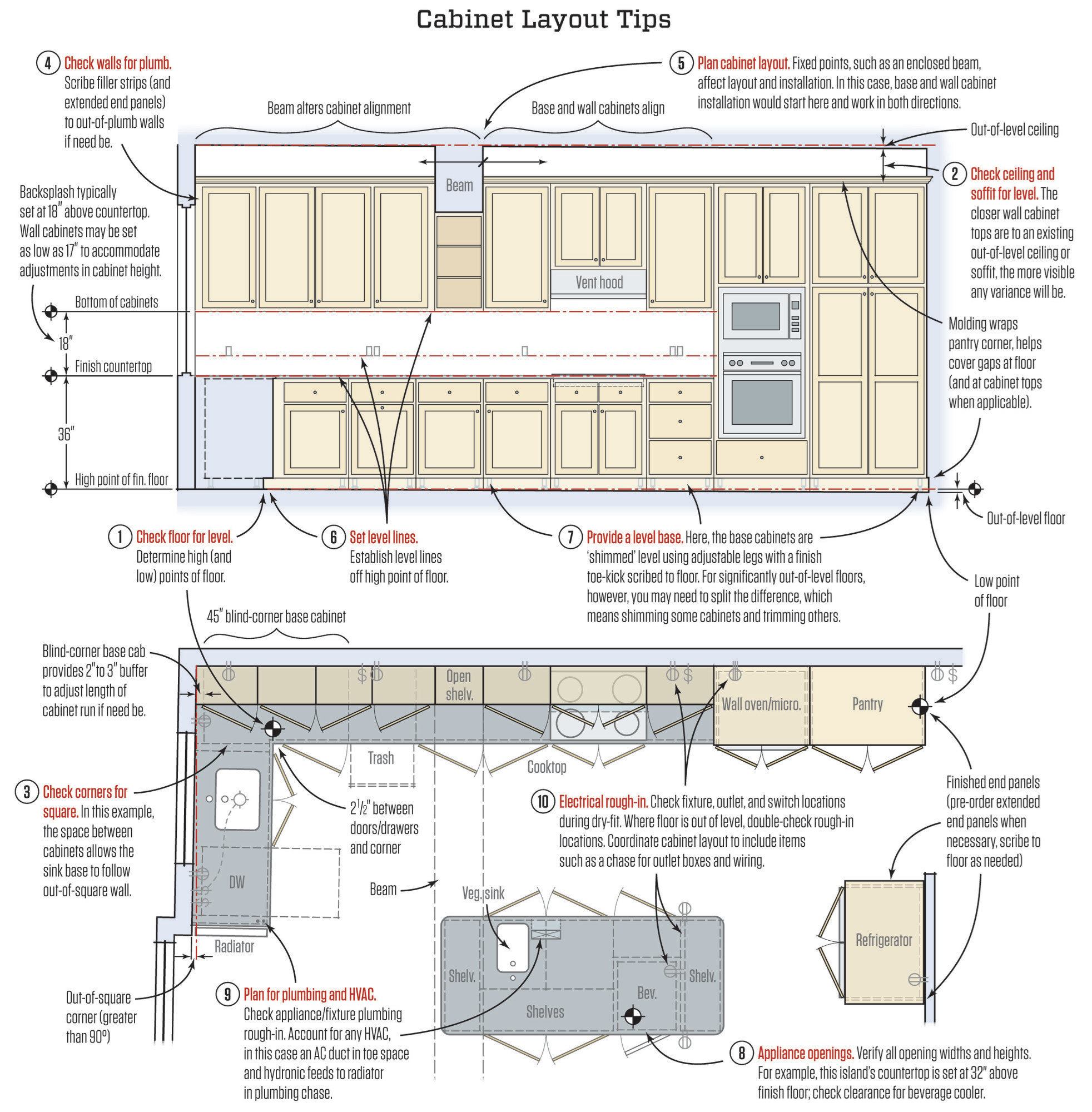
Credit: www.jlconline.com
Tools And Materials Needed
Installing cabinets on drywall requires specific tools and materials to ensure a secure fit. Having the right equipment makes the job easier and safer. Prepare everything before starting for a smooth installation process.
Essential Tools
- Power drill with screwdriver bits
- Stud finder
- Level
- Measuring tape
- Pencil for marking
- Clamps
- Socket wrench or ratchet
- Utility knife
- Hammer
- Safety glasses
- Step ladder
Required Materials
- Wall cabinets
- Mounting screws (3-inch wood screws recommended)
- Wood shims
- Drywall anchors (for extra support if no studs found)
- Wood glue (optional for extra strength)
- Masking tape (to hold cabinets temporarily)
Preparing The Wall
Preparing the wall is a key step before installing cabinets on drywall. This process ensures the cabinets attach securely and stay in place for years. Proper preparation also helps avoid damage to the drywall and keeps the installation safe.
Start by identifying the best spots to anchor your cabinets. Drywall alone cannot support the weight of cabinets. You need to find the wooden studs behind the drywall for a strong hold. After finding the studs, mark the exact positions where your cabinets will hang. Clear and precise markings help guide the installation and keep cabinets aligned.
Locating Wall Studs
Studs are vertical wooden beams behind drywall. Use a stud finder to detect them easily. Move the stud finder slowly across the wall. Mark each stud location with a pencil. Confirm the stud position by tapping the wall. A solid sound means the stud is there.
Studs are usually spaced 16 or 24 inches apart. Check for electrical wires and pipes before drilling. Avoid hitting these during installation.
Marking Cabinet Positions
Measure the height where the cabinets will go. Mark a horizontal line across the wall at this height. Use a level to make the line straight. Mark vertical lines on the studs where cabinet edges will be. These lines show where to drill and screw.
Double-check all measurements before drilling. Correct markings make the installation smooth and accurate.
Cabinet Installation Steps
Installing cabinets on drywall requires careful attention to detail to ensure stability and alignment. The process starts with securing your first cabinet firmly to a stud, which creates a reliable anchor point for the rest. From there, you align and attach additional cabinets to maintain a seamless look and consistent support.
Securing The First Cabinet
Find the wall studs using a stud finder and mark their locations clearly. Your first cabinet must be anchored directly to these studs to hold the weight securely.
Use a level to position the cabinet perfectly horizontal. Even a slight tilt can cause problems as you add more cabinets.
Pre-drill holes through the cabinet’s back panel at stud locations, then use long screws to fasten it tightly to the wall. This step stabilizes the entire cabinet run.
Aligning And Attaching Additional Cabinets
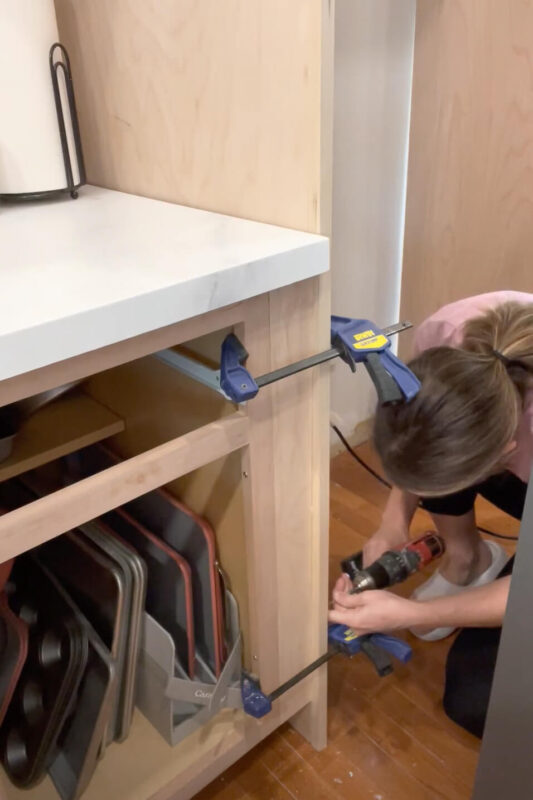
Once the first cabinet is secure, bring the next cabinet close and clamp it to the first. Check that their fronts are flush and edges line up evenly.
Look for any gaps and use shims if necessary to keep the cabinets level and straight. Your goal is a smooth, continuous surface with no uneven joints.
Drill pilot holes through the cabinet sides and secure them together with screws. This connection keeps all cabinets aligned and prevents shifting over time.
Ask yourself: have you double-checked the level after attaching each cabinet? Small adjustments now save big headaches later.

Credit: www.youtube.com
Ensuring Stability And Level
Ensuring your cabinets stay stable and level on drywall is key for a neat finish and lasting use. Proper stability prevents cabinets from sagging or pulling away from the wall. Level installation keeps doors and drawers working smoothly and looking aligned.
Focus on two main factors to achieve this: using a level during installation and reinforcing the support behind the drywall. Both steps create a strong, even foundation for your cabinets.
Using A Level
A level helps check the cabinet’s horizontal and vertical alignment. Place it on the cabinet’s top edge and sides. Adjust the cabinet until the bubble is centered between the lines.
Check the level frequently as you secure the cabinet to the wall. Small shifts can throw off the balance. Use shims if needed to correct uneven spots on the wall.
Reinforcing Support
Drywall alone cannot hold heavy cabinet weight. Locate wall studs behind the drywall to anchor the cabinets. Use a stud finder for accuracy.
If studs do not align with cabinet mounting points, add a wooden support board. Secure this board horizontally between studs. Then attach cabinets to this solid backing for extra strength.
Use long screws designed for heavy loads. Drive them deep into the studs or support boards. This ensures cabinets stay firmly in place over time.
Finishing Touches
After hanging your cabinets securely on drywall, the finishing touches bring everything together and make your installation look polished and professional. These final steps are not just about appearance—they also protect your work and improve functionality. Paying attention to these details can save you time and frustration later.
Sealing Gaps
Gaps between the cabinets and the wall are common, especially if your walls aren’t perfectly straight. Use a paintable caulk to seal these spaces. It stops dust and moisture from sneaking behind the cabinets, which can cause damage over time.
Apply the caulk smoothly along the edges with a caulking gun, then run your finger or a caulk smoothing tool over it for a neat finish. If you want your cabinets to blend seamlessly with the wall, choose a caulk that matches your wall paint or cabinet color.
Have you noticed how a small gap can make a big difference in the overall look? Sealing gaps is simple but can transform your kitchen’s vibe from unfinished to flawless.
Adding Hardware
Hardware like knobs and handles not only enhances the style of your cabinets but also makes them easier to use. Before installing, decide on a style that fits your room’s design—whether modern, rustic, or classic.
Mark the spots carefully on the cabinet doors where the hardware will go. Using a template or measuring tool helps keep everything aligned perfectly. Drill pilot holes to avoid splitting the wood, then attach the hardware with screws.
Think about how often you open your cabinets. Would larger handles make it easier? Or maybe soft-close pulls for a quieter kitchen? Choosing the right hardware is a small step that adds big value to your daily routine.
Common Mistakes To Avoid
Installing cabinets on drywall seems straightforward, but many people stumble on common pitfalls that can weaken your setup or cause damage. Avoiding these mistakes will save you time, effort, and costly repairs. Let’s look at what often goes wrong and how you can steer clear of these traps to get your cabinets mounted securely and looking great.
Not Locating Studs Accurately
Studs are the backbone for cabinet support. Relying only on a stud finder without double-checking can lead to missed or incorrectly marked studs. Always tap the wall and use a small nail or drill bit to confirm the stud’s exact location before drilling.
Ignoring The Weight Of Cabinets
Drywall alone can’t hold heavy cabinets. You need to anchor directly into the studs to prevent sagging or falling. Have you measured how heavy your cabinets are and planned your support accordingly?
Skipping The Level Check
Hanging cabinets without ensuring they are perfectly level can cause doors to swing open or close improperly. Use a reliable level and recheck after securing the first cabinet. Remember, a small angle can cause big problems down the line.
Using The Wrong Screws Or Anchors
Drywall screws are not strong enough for cabinet installation. You need long wood screws that penetrate deep into studs. Using plastic anchors or short screws might seem easier but will compromise the cabinet’s stability.
Overloading Cabinets Too Soon
After installation, it’s tempting to load cabinets immediately. Give screws and mounting hardware some time to settle. Have you considered how much weight you’ll add and how quickly it will be placed on the cabinets?
Failing To Plan For Electrical Or Plumbing
Installing cabinets over outlets, switches, or plumbing without planning leads to costly fixes. Before mounting, check for hidden pipes or wires behind the drywall. Could a small adjustment in cabinet placement save you a big headache?
Credit: crystelmontenegrohome.com
Frequently Asked Questions
How Do You Find Studs For Cabinet Installation On Drywall?
Use a stud finder to locate wooden studs behind drywall. Mark each stud with a pencil for accurate cabinet mounting. Studs provide strong support and prevent cabinet damage or falling.
What Tools Are Needed To Install Cabinets On Drywall?
Essential tools include a stud finder, drill, level, measuring tape, screws, and a screwdriver. These tools ensure precise alignment and secure attachment of cabinets to drywall.
Can Cabinets Be Installed Directly On Drywall?
No, cabinets must be anchored to studs behind drywall. Drywall alone cannot support cabinet weight, risking damage or injury. Always locate studs for safe installation.
How Do You Level Cabinets During Installation On Drywall?
Use a spirit level to check cabinet alignment. Shim or adjust cabinets as needed for a perfectly horizontal installation on drywall.
Conclusion
Installing cabinets on drywall is simple with the right steps. Measure carefully before starting. Secure the brackets tightly. Use a stud finder for better support. Always check for level alignment. This ensures a neat finish. Don’t rush the process. Patience leads to success.
Following these steps guarantees sturdy cabinets. Enjoy the new look of your space. With practice, your skills will improve. Feel confident in your ability to install cabinets. It’s all about preparation and patience. Happy installing!
