

Old glassware is beautiful and interesting. Many people like to collect it. But how can you know if a piece of glassware is old? This guide will help you learn simple ways to identify old glassware. You do not need to be an expert. Just follow easy steps and tips.
What Is Old Glassware?
Old glassware means glass items made many years ago. It can be cups, bowls, bottles, or decorative pieces. These items often have special designs or shapes. Old glassware can be valuable or have a story behind it.
But not all glassware is old. Some new items look old but are not. So, it is important to know how to tell the difference.
Check the Glass Quality
Look at the glass carefully. Old glass often has small bubbles inside. These bubbles formed when glass was made long ago. Modern glass usually is very clear and smooth.
Also, old glass may feel heavier than new glass. The thickness can vary. Sometimes it is thicker at the bottom. Hold the glass and see how it feels in your hand.
Look for Wear and Tear
Old glass shows signs of use. Check for small scratches or marks. These come from years of use. The base or bottom often has wear marks. If the bottom is very smooth and shiny, the glass might be new.
Edges of old glassware might be slightly worn or rounded. New glass usually has sharp and clean edges. Look closely at the rim and handle if there is one.
Check the Design and Pattern
Many old glass pieces have unique patterns. These patterns can help you know the age. For example, pressed glass has patterns made by molds. Hand-cut glass has sharp and deep cuts.
Some patterns were popular in certain years. You can use books or websites to compare your glassware with old designs.
Common Old Glass Patterns
- Pressed glass: Repeated patterns, often geometric or floral.
- Cut glass: Sharp, clear lines and angles.
- Etched glass: Soft designs made by acid or sand.
Look for Maker’s Marks
Many old glass pieces have marks from the maker. These marks can be letters, numbers, or symbols. They are usually on the bottom or side.
These marks help identify who made the glass and when. Some marks are very small. Use a magnifying glass to see them clearly.
Not all old glass has maker’s marks. But if you find one, it can be very useful.
Check the Color of the Glass
Old glass can come in many colors. Some colors were common in certain times. For example:
| Color | Common Time Period | Notes |
|---|---|---|
| Clear | All periods | Most common color |
| Amber | Late 1800s to early 1900s | Popular for bottles and jars |
| Green | Early 1900s | Often used in soda bottles |
| Milk glass (white) | 1900s | Opaque and shiny |
| Amethyst (purple) | Early 1900s | Color fades with sunlight |
Colors can fade or change over time. But unusual colors may show age.
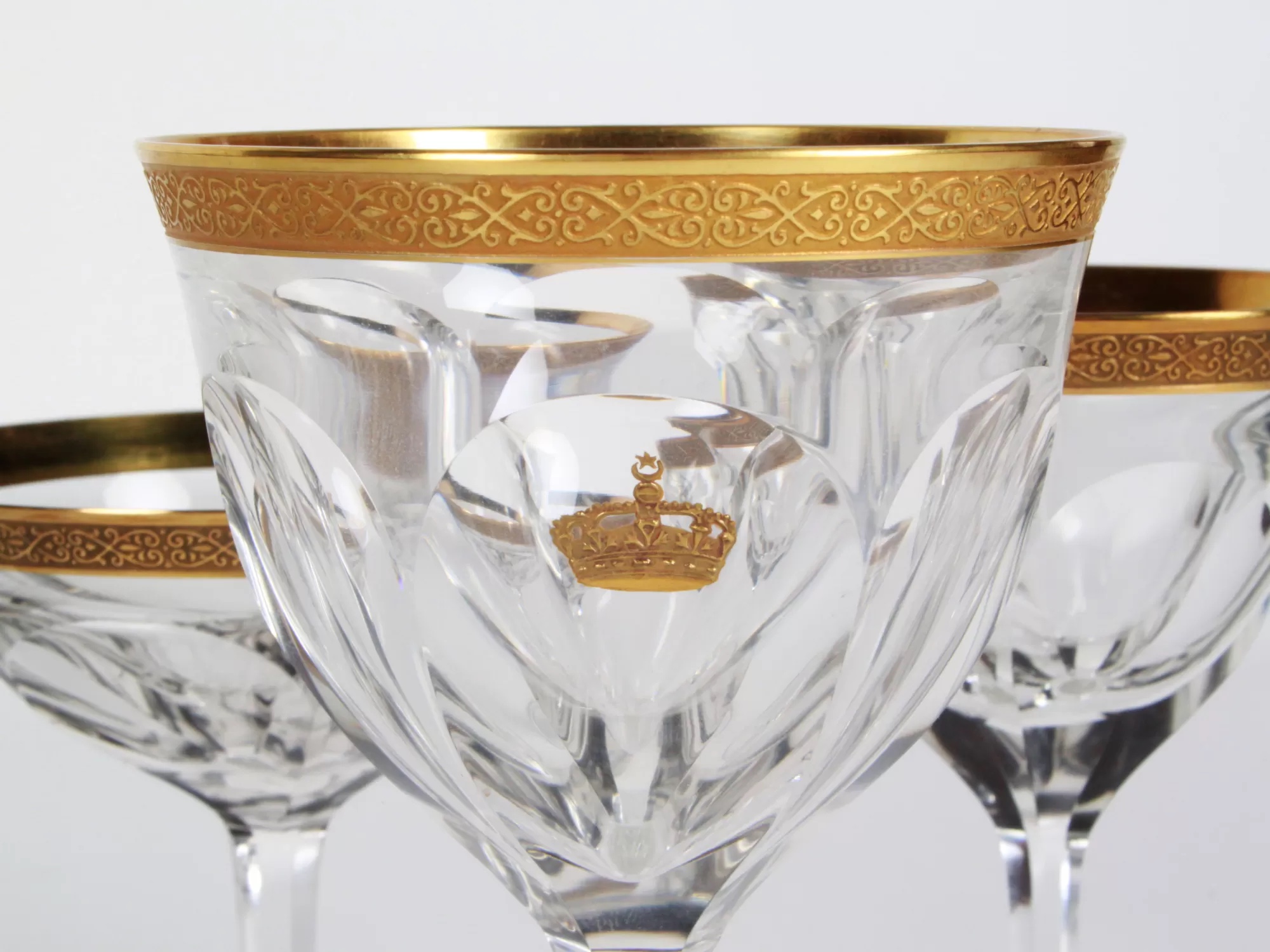
Credit: bellamysworld.com
Look at the Shape and Style
Old glassware often has shapes that are not common today. For example, some old bottles have thick lips or wide bases. Cups or bowls may have unusual curves or handles.
Compare your glassware with pictures of old glass online or in books. This helps you understand if the style matches old times.
Check for Mold Seams
Glass made in molds has lines called mold seams. Old glass often has rough or uneven mold seams. New glass seams are smooth and less visible.
If the mold seam runs all the way over the lip, the glass is likely modern. Older glass usually stops below the lip or is hand-finished.

Credit: www.rodericksantiques.com
Look for Pontil Marks
A pontil mark is a rough scar on the bottom of glass. It comes from how the glass was made by hand. Old hand-blown glass often has pontil marks.
New machine-made glass does not have these marks. If you see a rough or circular mark at the base, it may be old glass.
Use Light to Check the Glass
Hold the glass up to light. Look through it carefully. Old glass sometimes has slight waves or ripples. These come from hand blowing or early glass making methods.
Modern glass is usually very flat and clear. Light can help you see bubbles, ripples, or color tones better.
Ask About the History
If you buy or find old glassware, ask about its history. Where was it found? Who owned it? Sometimes, stories help you know if glass is old.
Family stories or old photos can give clues. This is not a sure way, but it helps.
Summary: How to Identify Old Glassware
| Step | What to Look For |
|---|---|
| 1. Glass Quality | Small bubbles, thickness, weight |
| 2. Wear and Tear | Scratches, worn base, rounded edges |
| 3. Design and Pattern | Unique patterns, pressed or cut glass |
| 4. Maker’s Marks | Symbols or letters on bottom or side |
| 5. Color | Old colors like amber, green, milk glass |
| 6. Shape and Style | Unusual shapes or designs |
| 7. Mold Seams | Rough seams that stop before lip |
| 8. Pontil Marks | Rough scar on base from hand blowing |
| 9. Light Test | Waves, ripples, and bubbles in glass |
| 10. History | Ask about the story of the glass piece |
Final Tips
- Take your time to look at each piece carefully.
- Use a magnifying glass to see small details.
- Compare your glassware with pictures from books or websites.
- Do not trust glass that looks old but is very perfect.
- Always ask sellers or owners about the glassware’s origin.
Identifying old glassware can be fun. It helps you enjoy your collection more. With practice, you will get better at spotting real old glass. Happy hunting!
Frequently Asked Questions
How Can I Tell If Glassware Is Truly Old?
Look for wear marks, pontil scars, and irregular bubbles inside the glass.
What Are Common Signs Of Antique Glassware?
Look for etched patterns, faded colors, and hand-cut designs.
How Does The Color Of Glass Indicate Its Age?
Older glass may have slight discoloration or unique hues from natural minerals.
Can The Weight Of Glassware Show Its Age?
Yes, older glass tends to be heavier due to thicker manufacturing methods.

Ethan Cole is a kitchen innovation enthusiast and food technology writer at DiningGadgets.com. With over 8 years of experience reviewing cookware, smart kitchen tools, and design trends, he helps readers discover gadgets that make cooking easier and dining more enjoyable. When he’s not testing the latest kitchen appliances, Ethan enjoys experimenting with recipes and sharing practical tips for modern homes.