

Are you tired of cluttered countertops and dreaming of a more organized kitchen? Hanging wall cabinets on a plaster wall might seem daunting, but it’s easier than you think.
Imagine having all your kitchen essentials neatly stored, making meal prep a breeze and giving your kitchen a sleek, modern look. This guide will walk you through each step, ensuring you hang those cabinets securely and beautifully. By the end of this article, you’ll feel confident enough to tackle this project yourself.
Let’s dive in and transform your kitchen into the efficient and stylish space you deserve!
Tools And Materials Needed
Hanging kitchen wall cabinets on a plaster wall needs careful preparation. The right tools and materials make the job easier and safer. Use quality items for better results and a strong hold. Below is a list of essential items for this task.
Essential Tools
- Power drill with masonry bits
- Stud finder
- Level
- Measuring tape
- Hammer
- Screwdriver set
- Socket wrench
- Pencil for marking
- Utility knife
- Clamps
Recommended Materials
- Wall anchors suitable for plaster
- Heavy-duty screws
- Cabinet mounting brackets
- Wood shims for leveling
- Construction adhesive
- Painter’s tape
- Caulk for finishing
Safety Gear
- Safety glasses to protect eyes
- Dust mask to avoid inhaling dust
- Work gloves for hand protection
- Ear protection if using loud tools
- Closed-toe shoes for foot safety
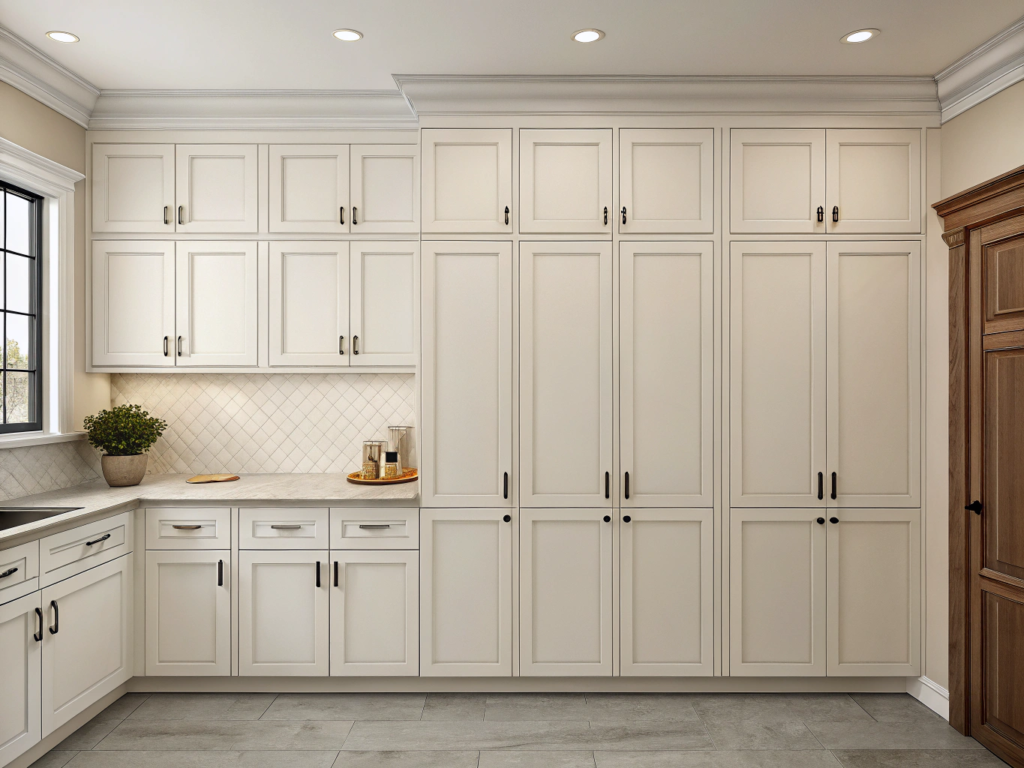
Credit: www.kitchencabinets-serr.com
Preparing The Wall
Preparing the wall is the first and most important part of hanging kitchen wall cabinets on plaster walls. This step ensures the cabinets will be secure and level. Proper preparation helps avoid damage to the wall and makes installation smoother. Take time to check the wall carefully before drilling or mounting.
Locating Studs In Plaster
Studs provide the strongest support for heavy cabinets. Use a stud finder designed for plaster walls. Move it slowly across the surface to detect the wooden studs behind. Mark the stud edges with a pencil. If a stud finder is not available, tap the wall and listen for a solid sound. Studs usually lie 16 or 24 inches apart.
Marking The Cabinet Position
Decide the exact height and width of the cabinets on the wall. Use a pencil and a level to draw horizontal and vertical guide lines. These lines help keep the cabinets straight and aligned. Measure carefully to match your kitchen layout. Mark the stud locations along these lines to know where to drill.
Checking Wall Condition
Inspect the plaster for cracks, loose sections, or water damage. Weak plaster cannot hold screws well. Repair any damage before hanging cabinets. Use a patching compound for minor cracks. Consider reinforcing the wall with plywood if plaster seems fragile. A strong wall prevents future cabinet sagging or falling.
Measuring And Marking
Measuring and marking are the foundation of successfully hanging kitchen wall cabinets on plaster walls. Precision here saves you from costly mistakes later. Taking the time to get your measurements right ensures your cabinets sit perfectly, both in height and alignment.
Determining Cabinet Height
Start by deciding the height at which you want your cabinets to hang. A common standard is to have the bottom of the cabinet 54 inches from the floor, but consider your countertop height and ceiling clearance. If you have a vent hood or other appliances, adjust accordingly to avoid awkward gaps.
Use a tape measure to mark this height clearly on the wall. You might want to mark several points along the length where the cabinets will go. This gives you a reliable reference line to work from and helps prevent slanting.
Marking Drill Points
Finding the right spots to drill on a plaster wall can be tricky because of the hidden studs. Use a stud finder to locate studs behind the plaster and mark their centers with a pencil. These are your best bet for strong support.
If studs don’t line up with your cabinet’s mounting points, you can use heavy-duty wall anchors designed for plaster. Mark drill points at each stud or anchor location with a small dot. Double-check these marks against your cabinet’s hanging rail to ensure accuracy.
Leveling Guidelines
Leveling is critical; even a small tilt can ruin the look and function of your cabinets. Use a long spirit level or laser level to draw a perfectly horizontal line at your cabinet height marks. This will act as your guide for aligning the cabinet rail or mounting brackets.
Check the level line multiple times during marking to ensure no errors creep in. Ask yourself: is there any part of the wall that dips or bulges? Adjust your marks slightly if necessary to accommodate uneven plaster surfaces, so your cabinets hang flush.

Credit: www.reddit.com
Drilling Into Plaster Walls
Drilling into plaster walls requires care and the right tools. Plaster is harder and more brittle than drywall. It can crack or crumble without proper technique. Preparing well helps protect the wall and ensures strong cabinet support. Follow simple steps to drill clean, secure holes for your kitchen wall cabinets.
Choosing The Right Drill Bit
Select a masonry or carbide-tipped drill bit for plaster walls. These bits handle hard surfaces well. Avoid regular wood bits; they can damage plaster. Use a bit size that matches your wall anchors. This keeps holes snug and secure. A sharp bit reduces dust and cracking.
Making Pilot Holes
Start by marking where to drill with a pencil. Use a small drill bit to make pilot holes first. Pilot holes guide larger bits and reduce plaster stress. Drill slowly and gently to avoid cracking. Keep the drill steady and perpendicular to the wall. Clean out dust from holes before inserting anchors.
Handling Plaster Cracks
Check the wall for existing cracks before drilling. Avoid drilling directly into cracked areas. If cracks appear during drilling, stop immediately. Fill cracks with plaster or filler and let dry. Drill in a new spot at least a few inches away. Support the cabinet with extra anchors for safety.
Installing Wall Anchors
Installing wall anchors is a crucial step when hanging kitchen cabinets on plaster walls. Plaster can be brittle and may not hold screws well on its own, so anchors provide the extra grip needed to support the weight. Knowing how to choose and place the right anchors will save you from costly mistakes and cabinet mishaps.
Types Of Anchors For Plaster
Not all anchors work well with plaster walls. Some common types include:
- Molly Bolts:These expand behind the wall, offering a strong hold in plaster.
- Toggle Bolts:Great for heavy cabinets, they spread the load over a larger area.
- Plastic Expansion Anchors:Suitable for light-duty cabinets but less reliable for heavier loads.
Choosing the right anchor depends on your cabinet’s weight and the condition of your plaster. If your walls have cracks or are old, heavier-duty anchors like toggle bolts offer more security.
Proper Anchor Placement
Anchor placement can make or break your cabinet installation. Always locate studs first and use anchors only where studs aren’t available. Space your anchors evenly along the cabinet’s mounting rail to distribute weight properly.
A quick tip: Mark your anchor spots with a pencil before drilling to avoid unnecessary holes. Also, avoid placing anchors too close to the edges of plaster sections to prevent cracking.
Testing Anchor Strength
After installing anchors, test their strength before hanging the cabinet. Give each anchor a firm tug or push to ensure it doesn’t loosen or pull away from the wall. If an anchor feels weak, replace it with a stronger type or move slightly to find better plaster.
Have you ever hung something heavy only to watch it fall? Testing anchors first prevents frustration and damage. It’s a small step that can save you a lot of hassle later.
Hanging The Cabinets
Hanging kitchen wall cabinets on plaster walls requires careful handling and precise installation. This part focuses on lifting, positioning, and securing the cabinets safely. Proper alignment ensures a clean, professional look and strong support for your storage needs.
Lifting And Positioning Cabinets
Have a helper ready to lift the cabinets. Heavy cabinets need two people for safety. Hold the cabinet firmly and place it close to the wall. Align the top edge with the marked line on the plaster wall. Use a level to check the cabinet’s initial position. Adjust the cabinet until it sits flat and straight.
Securing Cabinets To Wall
Locate the wall studs behind the plaster using a stud finder. Mark the stud positions inside the cabinet frame. Drill pilot holes through the cabinet back panel into the studs. Use long screws designed for plaster and wood studs. Tighten screws slowly to avoid cracking the plaster. Secure all corners and along the cabinet frame for stability.
Checking For Level And Alignment
Place a level on top of the cabinet to check for horizontal alignment. Adjust the cabinet by tapping gently with a rubber mallet if needed. Verify vertical alignment by measuring gaps between cabinets or walls. Ensure all cabinets line up evenly for a neat finish. Make final screw adjustments to keep everything tight and level.
Final Adjustments And Safety Checks
After hanging your kitchen wall cabinets on plaster walls, final adjustments and safety checks are crucial. These steps ensure the cabinets are secure and function well. Taking time here prevents future problems like sagging or falling cabinets.
Tightening Fasteners
Check all screws and anchors holding the cabinets. Use a screwdriver or drill to tighten them firmly. Avoid over-tightening, which can damage the plaster or cabinet. Make sure every fastener feels secure and there is no movement.
Inspecting Stability
Gently push and pull each cabinet to test its stability. Look for any wobbling or gaps between the cabinet and wall. Cabinets should be flush against the plaster without any loose spots. Adjust fasteners if the cabinet shifts under light pressure.
Cleaning Up
Remove dust and debris from drilling and installation. Wipe the cabinet surfaces with a damp cloth. Clean the floor area below to avoid slips or accidents. Proper cleanup helps maintain a safe and tidy kitchen space.
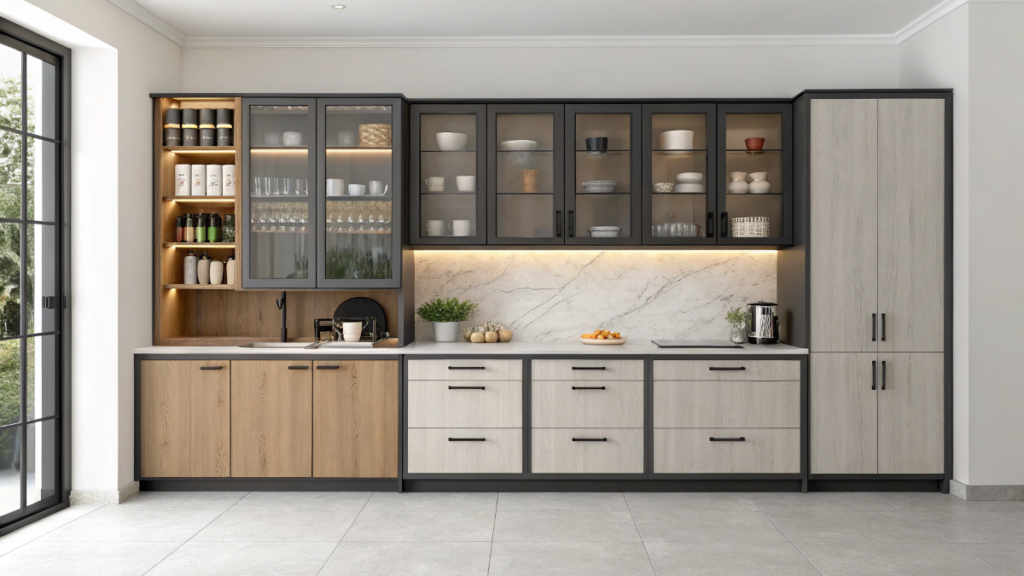
Credit: www.kitchencabinets-serr.com
Frequently Asked Questions
How Do I Find Studs Behind Plaster Walls?
Use a high-quality stud finder designed for plaster. Tap the wall to listen for solid sounds. Mark stud locations with a pencil before drilling.
What Anchors Work Best For Plaster Walls?
Use toggle bolts or molly bolts for strong support. These anchors expand behind plaster, providing a secure hold for heavy cabinets.
Can I Hang Cabinets Without Studs On Plaster Walls?
Yes, but use heavy-duty anchors like toggle bolts. Avoid relying solely on plaster; secure cabinets to studs whenever possible for safety.
How Do I Level Kitchen Cabinets On Uneven Plaster Walls?
Use a level and shims to adjust cabinet positioning. Shim behind cabinets to ensure they hang straight and flush against the wall.
Conclusion
Hanging kitchen wall cabinets on plaster walls takes care and the right tools. Always find the studs to keep cabinets strong and safe. Use anchors made for plaster if no studs show up. Measure twice before drilling to avoid mistakes.
Take your time and follow each step carefully. A well-installed cabinet looks good and lasts long. This simple guide helps you do the job with confidence. Enjoy your new kitchen storage, neat and sturdy.
