

Are you ready to transform your kitchen space with a sleek new wall unit? Hanging a kitchen wall unit might seem like a daunting task, but with the right guidance, you can do it yourself.
Imagine the satisfaction of stepping back and admiring your handiwork, knowing you’ve maximized your kitchen’s storage and style. In this guide, you’ll discover simple steps to ensure your wall unit is securely and perfectly placed. Whether you’re a DIY enthusiast or a first-timer, this article will empower you with the confidence and knowledge to get the job done right.
Stay with us, and unlock the secrets to a flawlessly hung kitchen wall unit that will have your friends and family marveling at your skills!

Credit: www.thisoldhouse.com
Tools And Materials Needed
Hanging a kitchen wall unit requires the right tools and materials to ensure safety and accuracy. Having everything ready makes the process smoother and faster. Prepare well to avoid interruptions and errors.
Essential Tools
- Drill with drill bits
- Spirit level
- Measuring tape
- Screwdriver
- Stud finder
- Pencil for marking
- Hammer
- Safety goggles
- Step ladder
Required Materials
- Wall unit cabinet
- Screws suitable for wall type
- Wall plugs or anchors
- Mounting brackets (if not included)
- Protective pads or spacers
- Masking tape (optional)
Preparing The Wall
Preparing the wall is crucial before hanging a kitchen wall unit. It ensures the unit stays secure and level. A well-prepared wall supports the weight and prevents future damage. Follow these key steps carefully to get started.
Checking Wall Type
Identify the type of wall you have. It can be drywall, plaster, brick, or concrete. Each wall type needs different tools and anchors. Use a magnet or stud finder to help with detection. Knowing the wall type helps pick the right screws and fixings. This step avoids damage and ensures a strong hold.
Locating Studs
Studs are vertical wooden beams behind the wall. They provide strong support for heavy units. Use a stud finder to locate them. Move the finder slowly across the wall surface. Mark the edges of each stud with a pencil. Avoid drilling into empty drywall alone. Fixing units to studs is safer and lasts longer.
Marking Mounting Points
Measure the unit’s back panel or hanging rail first. Transfer these measurements to the wall. Mark where screws or brackets will go. Use a level to keep marks straight and even. Double-check the height before drilling. Clear and accurate marks make installation easier and more precise.
Measuring And Marking
Measuring and marking are the foundation of successfully hanging a kitchen wall unit. Precise measurements ensure your unit fits perfectly and looks balanced with the rest of your kitchen setup. Skipping this step or rushing through it can lead to uneven cabinets and a frustrating installation.
Measuring Unit Height
Start by deciding how high you want your wall unit to be from the countertop or floor. A common height is around 54 to 60 inches from the floor, but consider your own comfort and kitchen layout. Use a tape measure to mark this height on the wall with a pencil.
Check if there are any obstacles like switches, outlets, or vents that might interfere with the unit’s placement. Measure the height of the unit itself and mark its top and bottom edges on the wall. This gives you a clear visual guide before drilling any holes.
Aligning With Other Fixtures
Aligning your wall unit with existing fixtures like cabinets, shelves, or appliances creates a cohesive look. Use a level to draw a straight horizontal line that matches the height of adjacent units or tiles. This ensures your new unit doesn’t look out of place.
Consider vertical alignment too. If you have a series of wall units, make sure their edges line up neatly. Mark the sides of the unit on the wall to confirm spacing and alignment before securing anything.
Have you checked the stud locations behind your wall? Marking these is crucial for secure mounting and prevents damage to your walls. Using a stud finder helps you plan exactly where to drill and hang your unit safely.
Installing Wall Fixings
Installing wall fixings is a crucial step in hanging a kitchen wall unit safely and securely. The right fixings hold the weight of your cabinets and ensure they stay firmly attached to the wall. Skipping details here can lead to wobbly units or even accidents, so pay close attention as you prepare to secure your kitchen storage.
Choosing The Right Anchors
Your wall type determines the kind of anchors you need. Drywall, brick, and concrete each require different fixings to support the cabinet’s weight.
- Drywall:Use toggle bolts or molly bolts for strong grip behind the drywall surface.
- Brick or concrete:Heavy-duty expansion anchors or sleeve anchors work best here.
- Stud walls:Screwing directly into a stud is ideal for maximum strength.
Ask yourself: do you know what your wall is made of? Checking this before buying anchors saves time and frustration.
Drilling Holes
Mark the spots carefully where your fixings will go. Use a spirit level to ensure your marks are perfectly horizontal.
Drill pilot holes slightly smaller than the diameter of your anchors. This ensures a snug fit without cracking the wall.
- Wear safety goggles to protect your eyes from dust and debris.
- Use a masonry bit for brick or concrete walls and a standard bit for drywall or wood.
Precision here makes securing your units easier and safer. How precise have you been with wall mounting in the past?
Securing Fixings
Insert the chosen anchors into the drilled holes, tapping gently with a hammer if needed to avoid damage.
Tighten screws into the anchors firmly but avoid over-tightening, which can strip the hole or damage the anchor.
- Double-check each fixing by gently pulling to ensure it’s secure before hanging the unit.
- If possible, use a stud finder to reinforce your fixings by anchoring into studs as well.
Taking the time to secure fixings properly means your kitchen wall unit will hold steady through everyday use. What’s your experience with wall fixings—have you ever had one fail?
Mounting The Unit
Mounting the kitchen wall unit is a critical step that needs care and accuracy. Proper mounting ensures safety and a neat look. It involves lifting the unit into place, securing it firmly, and checking its alignment. Follow these steps to mount your kitchen wall unit with confidence.
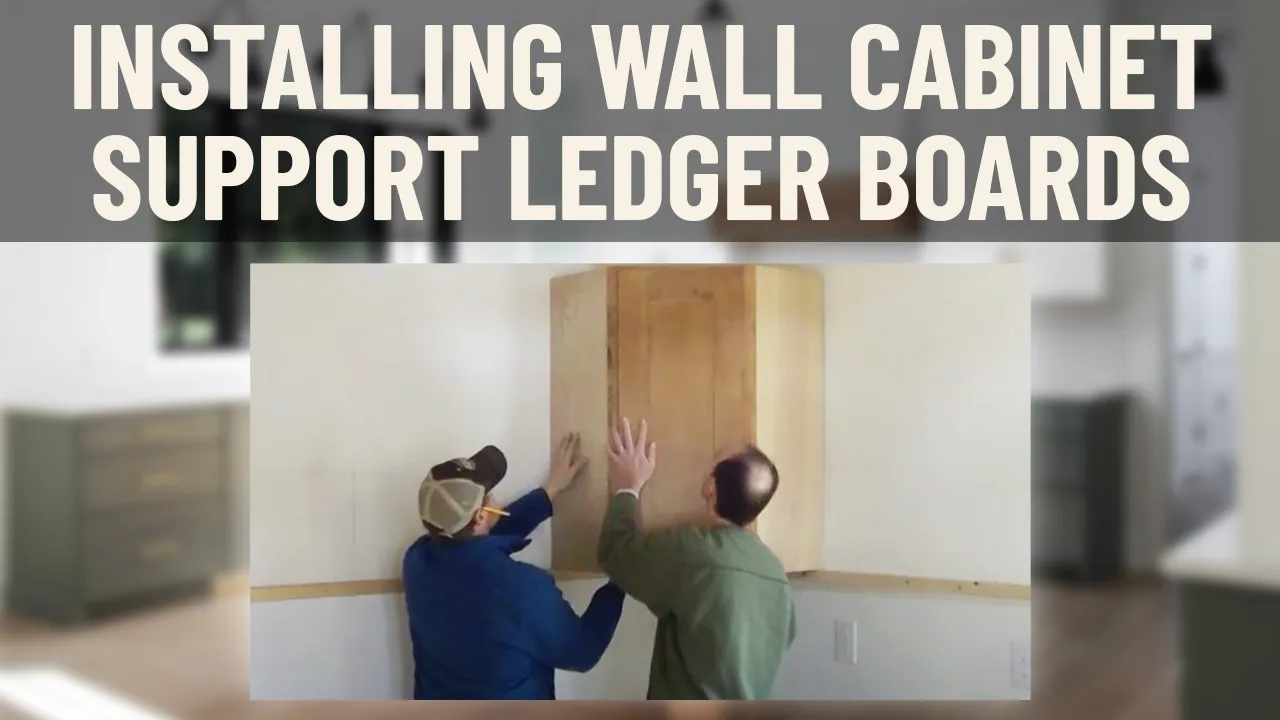
Lifting And Positioning
Have a helper to lift the unit safely. Hold the unit steady and bring it close to the wall. Position it at the desired height using a measuring tape or a pencil mark. Avoid forcing the unit into place. Adjust slowly to match the marks on the wall.
Securing The Unit
Use a drill to insert screws into the wall studs. Studs provide strong support for heavy units. Choose screws long enough to go through the unit and into the studs. Tighten the screws firmly but do not overtighten. Check if the unit feels solid and stable before moving on.
Checking Level And Alignment
Place a spirit level on top of the unit. Adjust the unit until the bubble is centered. Check the sides to ensure the unit is straight. Small gaps or tilts can cause problems later. Use shims behind the unit if needed to achieve perfect level and alignment.
Credit: www.cabinetjoint.com
Final Adjustments
Final adjustments make sure your kitchen wall unit fits perfectly and works well. These steps help to secure the unit firmly and get it ready for daily use. Take your time with these details to avoid problems later.
Tightening Screws
Check all screws holding the unit in place. Use a screwdriver to tighten each screw carefully. Do not overtighten; this can damage the wood or wall. Make sure the unit feels stable and does not wobble. Tight screws keep your unit safe and strong.
Installing Doors And Shelves
Attach the doors to the hinges on the unit. Align the doors so they open smoothly and close evenly. Adjust the hinges if the doors look crooked or do not close properly. Next, place the shelves inside the unit. Position them at the desired heights. Use shelf pins or brackets to hold them securely. Check that shelves sit level and do not move.
Safety Tips
Safety should be your top priority when hanging a kitchen wall unit. These tasks involve heavy lifting and working at heights, which can easily lead to accidents if you’re not careful. Taking simple precautions can protect you and ensure the job goes smoothly.
Handling Heavy Units
Kitchen wall units can be bulky and heavy. Always ask for help instead of trying to lift one on your own. This reduces the risk of muscle strain and dropping the unit, which could cause damage or injury.
Wear gloves to improve your grip and protect your hands from sharp edges. If the unit feels unstable or awkward to carry, pause and adjust your hold. Moving slowly and steadily helps maintain control and keeps you safe.
Using Proper Equipment
Using the right tools makes a huge difference. A sturdy step ladder or scaffolding ensures you reach the mounting area safely without overextending yourself. Avoid standing on chairs or unstable surfaces.
Invest in a reliable stud finder to locate wall studs before drilling. This prevents the unit from falling later and saves you from unnecessary damage. Also, use a drill with the correct bit size to make clean holes for secure mounting.

Credit: www.familyhandyman.com
Frequently Asked Questions
How Do I Measure For A Kitchen Wall Unit?
Measure the wall width and height where the unit will hang. Check for studs to support weight. Accurate measurements ensure a perfect fit and safe installation.
What Tools Are Needed To Hang A Kitchen Wall Unit?
You need a drill, level, tape measure, stud finder, screwdriver, and wall plugs. These tools help secure the unit safely and align it properly.
How To Find Studs For Hanging Kitchen Cabinets?
Use a stud finder or tap the wall to locate studs. Mark their positions with a pencil for secure screw placement and strong support.
What Weight Can A Kitchen Wall Unit Hold?
The weight depends on wall strength and anchors used. Typically, units hold 30-50 pounds safely when mounted on studs with proper screws.
Conclusion
Hanging a kitchen wall unit is simpler than it seems. Follow the steps carefully and take your time. Measure and mark the spots clearly before drilling. Use the right tools and anchors for a strong hold. Check the unit’s level as you work.
Safety matters—wear goggles and work steadily. Soon, your kitchen will have extra storage space. Enjoy the neat, fresh look of your new wall unit. Small efforts bring great results. Give it a try and see the difference!
