

Are you ready to give your kitchen a fresh, organized look? Hanging a kitchen wall cabinet might seem tricky, but with the right steps, you can do it yourself and save money.
Imagine having extra storage space right where you need it most, making cooking and cleaning easier every day. In this guide, you’ll learn simple, clear instructions that anyone can follow. By the end, you’ll have the confidence to install your cabinet securely and quickly.
Let’s get started and transform your kitchen together!

Credit: www.thisoldhouse.com
Tools And Materials Needed
Before you start hanging your kitchen wall cabinet, gathering the right tools and materials is crucial. Having everything on hand saves time and avoids frustrating interruptions. Knowing exactly what you need helps you work safely and efficiently, ensuring a sturdy installation.
Essential Tools
- Stud Finder:Locating wall studs is key to securely mounting your cabinet. A reliable stud finder makes this task quick and precise.
- Drill and Drill Bits:You’ll need a drill for making pilot holes and driving screws. Use drill bits matched to your screw size for clean holes.
- Level:Hanging cabinets perfectly straight is non-negotiable. A bubble or laser level helps you achieve this with ease.
- Measuring Tape:Accurate measurements prevent mistakes. Measure twice, hang once is a good rule to follow.
- Screwdriver or Impact Driver:These tools help tighten screws securely without stripping them.
- Clamps:Clamps hold your cabinet in place while you secure it, freeing up your hands for other tasks.
- Pencil:Marking where to drill or hang is easier with a sharp pencil.
Recommended Materials
- Cabinet Screws:Use screws designed for cabinets, typically 2.5 to 3 inches long. They hold the weight and prevent the cabinet from loosening.
- Wall Anchors:If you can’t find studs, heavy-duty anchors provide extra support. But anchoring directly into studs is always better.
- Shims:These thin wedges help level the cabinet if your wall is uneven. They’re small but make a big difference.
- Protective Gear:Safety glasses and gloves keep you safe from dust and sharp edges.
Have you ever started a project only to realize halfway through that you’re missing a crucial tool? It’s frustrating and avoidable. Take a moment now to double-check your toolkit and materials before you begin. It makes the whole process smoother and your results much more professional.

Credit: www.familyhandyman.com
Preparing The Wall
Preparing the wall is a key part of hanging a kitchen wall cabinet. A strong, well-marked wall ensures the cabinet stays secure and level. Taking time to prepare reduces mistakes and makes the job easier.
Locating Studs
Studs are vertical wooden beams behind the drywall. Cabinets must attach to studs for proper support. Use a stud finder tool for accuracy. Move the finder slowly across the wall. Mark each stud location with a pencil. Check for studs at least every 16 inches. Double-check marks before drilling or nailing. Avoid attaching cabinets only to drywall. This can cause damage and unsafe cabinets.
Marking The Layout
Marking the layout helps position the cabinet correctly. Measure the height where the cabinet should hang. Most kitchen cabinets sit about 54 inches from the floor. Use a level to draw a straight horizontal line. This line shows the cabinet’s bottom edge. Mark vertical lines for the cabinet sides. Use the cabinet width to space these lines. Confirm all measurements twice to prevent errors. Clear, visible marks guide during installation and keep cabinets aligned.
Preparing The Cabinet
Preparing the cabinet properly is key to a smooth and safe installation. Taking time at this stage saves you from unnecessary headaches later. It also helps protect your cabinet from damage during the hanging process.
Removing Doors And Shelves
Start by carefully taking off the cabinet doors and shelves. This makes the cabinet lighter and easier to handle. It also prevents doors from swinging open or shelves from falling out while you work.
Use a screwdriver to remove the hinges from the doors. Place the doors and shelves somewhere safe to avoid scratches or dents. Have you noticed how a lighter cabinet feels easier to control when mounting?
Drilling Pilot Holes
Drilling pilot holes before hanging the cabinet is a smart move. These small holes guide your screws and reduce the chance of splitting the wood. They also make driving screws faster and more precise.
Mark where the screws will go on the cabinet frame, usually along the side and back panels. Use a drill bit slightly smaller than your screws for the pilot holes. Have you ever tried pushing a screw straight into wood without a pilot hole? It’s tough and often damages the material.
Credit: www.cabinetjoint.com
Mounting The Cabinet
Mounting the cabinet on your kitchen wall is a key part of the installation process. It involves lifting, positioning, and securing the cabinet safely to hold weight. Proper mounting ensures the cabinet stays stable and lasts for years. Follow the steps carefully for a strong and level fit.
Lifting And Positioning
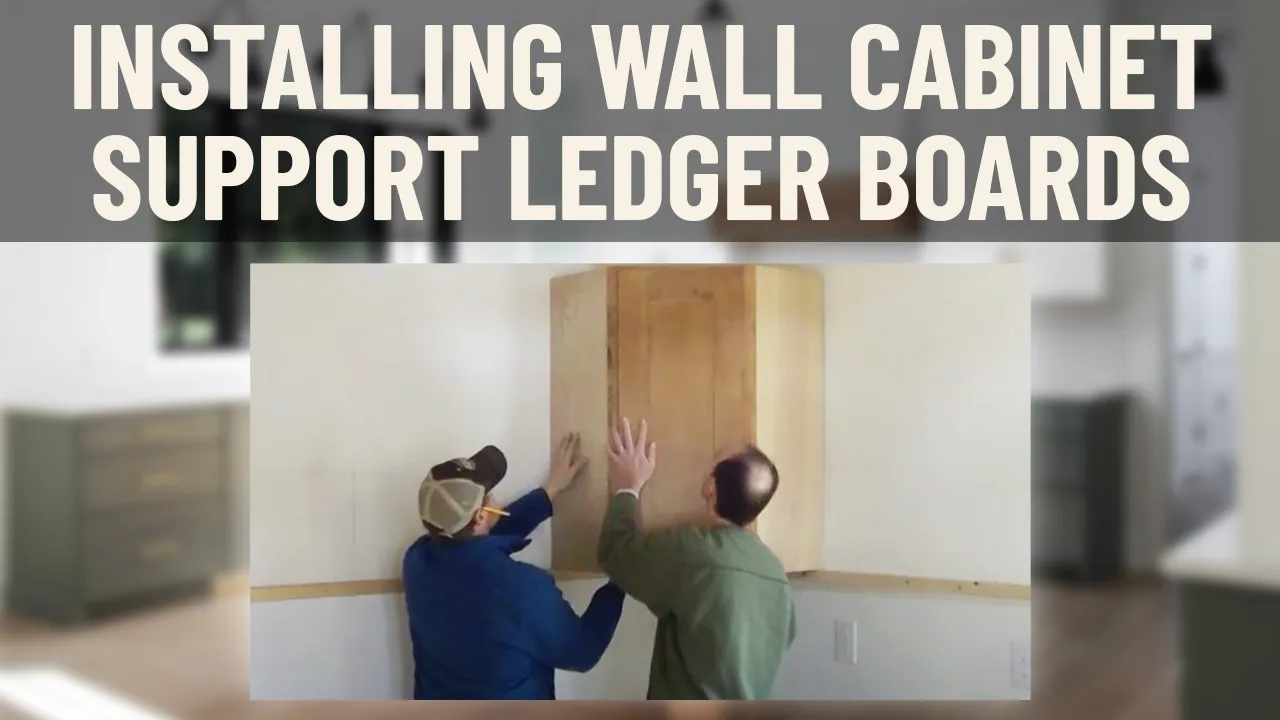
Lift the cabinet with help to avoid damage or injury. Hold it steady and bring it close to the wall. Position the cabinet at the desired height. Use a level to check it is straight. Adjust as needed before securing it in place.
Securing To Wall Studs
Locate the wall studs using a stud finder. Mark the stud positions on the cabinet’s back panel. Drill pilot holes through the cabinet into each stud. Use long screws designed for cabinets. Drive screws into the studs firmly to hold the cabinet securely. Check the cabinet is level again after tightening.
Leveling And Adjustments
Leveling and adjustments ensure your kitchen wall cabinet hangs straight and secure. This step prevents doors from swinging open or closing unevenly. Careful leveling improves both function and appearance.
Checking For Level
Use a spirit level to check the cabinet’s position. Place it on the top edge of the cabinet. Look at the bubble; it should be centered between the lines. Check both horizontal and vertical levels for accuracy. Mark spots on the wall or cabinet frame that need adjustment.
Making Fine Adjustments
Adjust the cabinet by loosening screws slightly. Shift the cabinet until the level shows it is straight. Tighten screws gradually while keeping the cabinet steady. Use shims behind the cabinet if needed to fill gaps. Double-check with the level after each adjustment. Small tweaks can fix unevenness and keep the cabinet stable.
Finishing Touches
Finishing touches bring your kitchen wall cabinet project to life. These last steps ensure your cabinet looks great and functions well. Attention to detail here boosts durability and style.
Reinstalling Doors And Shelves
Start by carefully attaching the cabinet doors. Align hinges with pre-drilled holes. Tighten screws gently to avoid stripping. Check door alignment; doors should open smoothly without rubbing.
Next, place shelves inside the cabinet. Use shelf pins or brackets as needed. Make sure shelves sit level and secure. Adjust if shelves wobble or tilt.
Cleaning Up The Workspace
Clear away dust and debris from the installation area. Use a vacuum or broom to remove sawdust. Wipe cabinet surfaces with a damp cloth to remove smudges. Proper cleanup protects your new cabinet and keeps your kitchen tidy.
Common Mistakes To Avoid
Hanging a kitchen wall cabinet might seem straightforward, but many people stumble over avoidable errors. These mistakes can lead to misaligned cabinets, unsafe installations, or wasted time and effort. Knowing what pitfalls to watch out for helps you work smarter and get the job done right the first time.
Failing To Locate Wall Studs Accurately
Wall studs are the backbone of a secure cabinet installation. If you miss them, your cabinet may hang on drywall alone, risking a dangerous fall. Use a reliable stud finder and double-check by tapping or probing before drilling any holes.
Have you ever tried to hang something heavy, only to realize it’s unsupported? That’s exactly what happens without correct stud placement.
Ignoring Level And Plumb Checks
Skipping the level and plumb checks leads to cabinets that look crooked and cause doors to swing open or close improperly. Always use a spirit level and adjust as needed before you start screwing the cabinet in place.
Even a small tilt can ruin the overall kitchen look and frustrate you every time you open the cabinet. Are you willing to fix it later or do it right now?
Overlooking Cabinet Weight And Support
Underestimating the cabinet’s weight can cause you to choose weak fasteners or insufficient supports. Heavy items like glassware or dishes add to the load, so pick strong screws and anchors designed for your wall type.
Remember, cheap or short screws won’t hold well over time. What’s your plan to keep the cabinets safe and stable?
Not Preparing The Wall Surface Properly
Uneven or damaged walls make it hard to mount cabinets flush. Take time to patch holes, sand rough spots, and remove obstacles before hanging. This prep work ensures a smooth installation and better cabinet fit.
Have you checked your wall’s condition thoroughly, or are you rushing into hanging?
Installing Cabinets Without A Partner
Trying to hang large cabinets alone increases the risk of injury or damage. Having someone help you hold the cabinet steady while you fasten it makes the process safer and easier.
Would you rather struggle alone or have an extra pair of hands to save time and stress?
Frequently Asked Questions
How Do I Find Studs For Hanging Kitchen Cabinets?
Use a stud finder to locate wooden studs behind your wall. Mark the studs clearly for secure cabinet attachment. Cabinets must be anchored to studs to support their weight safely.
What Tools Are Needed To Hang Kitchen Wall Cabinets?
You need a stud finder, level, drill, screws, measuring tape, and a helper. These tools ensure precise alignment and secure installation of your cabinets.
How High Should Kitchen Wall Cabinets Be Installed?
Mount cabinets so the bottom is 54 inches from the floor. This height allows easy access and maintains standard countertop clearance below.
Can I Hang Cabinets Without Studs?
It’s not recommended to hang heavy cabinets without studs. Use heavy-duty wall anchors only for lightweight cabinets, but studs provide the safest support.
Conclusion
Hanging a kitchen wall cabinet can seem challenging. But it’s manageable with patience. Secure tools and follow the steps. Measure twice, drill once. Ensure brackets are level and sturdy. Ask a friend to help lift and hold the cabinet. Tighten screws properly for safety.
Double-check alignment for a polished look. Enjoy the satisfaction of a job well done. Your kitchen now looks organized and stylish. Feel proud of your effort and skill. With practice, this task becomes easier. Share your success with friends. Encourage them to try too.
Happy organizing!
