

If you’re looking to give yourHow to Grout Wall Tiles in Kitchen a fresh, polished look, grouting wall tiles is a crucial step you can’t overlook. Whether you’re updating your backsplash or installing new tiles, the right grouting technique makes all the difference.
You might be thinking, “Grouting sounds messy and complicated!” But don’t worry, it’s simpler than you think. With the right guidance, you’ll achieve professional-looking results in no time. Imagine walking into your kitchen and being greeted by a seamless wall of gleaming tiles, each one perfectly in place.
This article will walk you through the essential steps to grout your kitchen wall tiles like a pro, ensuring your space not only looks amazing but stands the test of time. So, are you ready to transform your kitchen and add value to your home? Let’s dive in!
Preparing The Wall Tiles
Preparing wall tiles properly sets the stage for smooth grouting. Clean, evenly spaced tiles ensure grout sticks well. Gather all materials before starting to avoid interruptions. Taking these steps helps achieve a neat, lasting finish in your kitchen.
Cleaning The Tiles
Remove dust, dirt, and grease from tile surfaces. Use a mild detergent and warm water for cleaning. Rinse with clean water and dry with a soft cloth. Clean tiles allow grout to bond firmly and prevent discoloration.
Checking Tile Spacing
Examine gaps between tiles to ensure even spacing. Use tile spacers if tiles are loose or uneven. Uniform gaps help grout fill spaces correctly and look professional. Adjust tiles gently before grout application if needed.
Gathering Materials
Collect all tools and supplies before grouting:
- Grout mix suitable for kitchen walls
- Grout float for spreading
- Sponge and bucket of clean water
- Rubber gloves to protect hands
- Tile spacers for consistent gaps
- Clean cloth for wiping excess grout
Having everything ready saves time and keeps the process smooth.
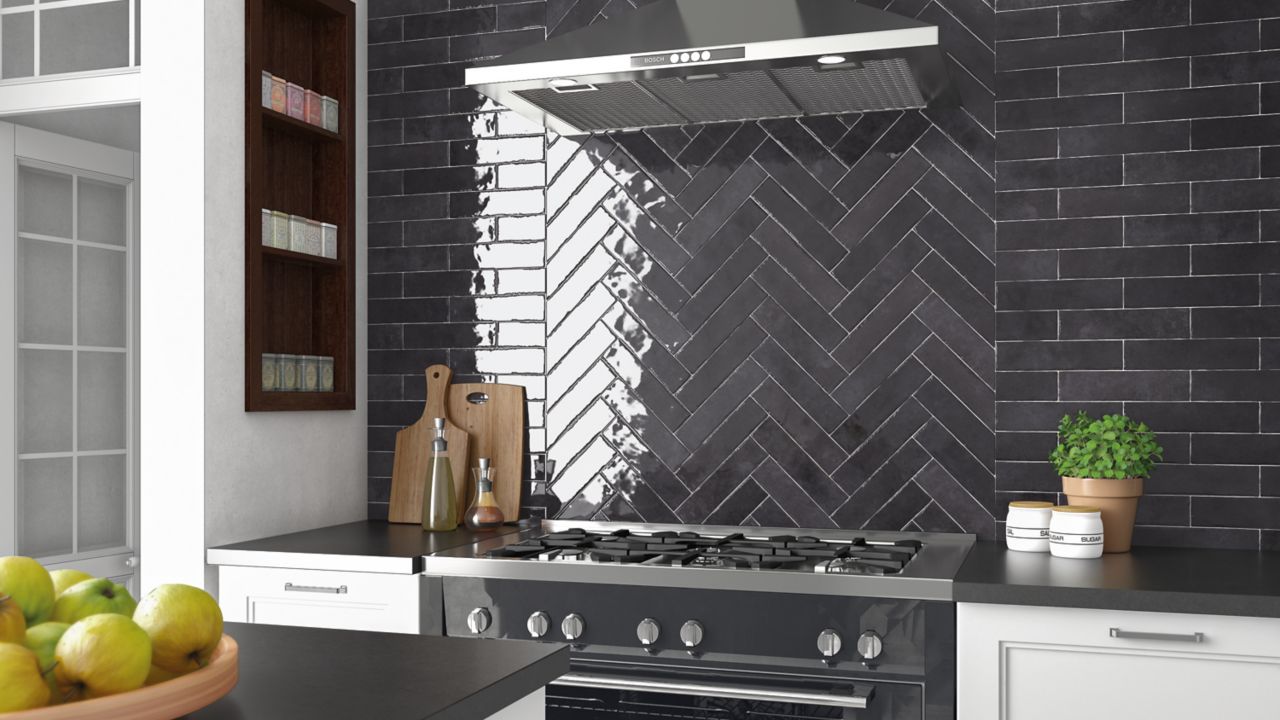
Credit: www.tileshop.com
Choosing The Right Grout
Choosing the right grout is important for a beautiful and lasting kitchen wall. Grout fills the gaps between tiles and holds them in place. It protects against moisture and dirt. The right grout enhances the tile color and style. It also makes cleaning easier. Understanding grout types, color options, and mixing tips helps you make the best choice.
Types Of Grout
There are two main types of grout: cement-based and epoxy. Cement-based grout is common and easy to use. It works well for most kitchen tiles. Epoxy grout is stronger and waterproof. It resists stains and cracks but costs more. Choose grout based on tile type and kitchen use. Sanded grout has grit for wide joints. Unsanded grout is smooth for narrow joints.
Matching Grout Color
Grout color changes the look of your kitchen tiles. A similar grout color makes tiles blend well. A contrasting grout color highlights the tile pattern. Light grout colors show dirt easily. Dark grout hides stains but may fade. Consider the kitchen style and tile color. Test a small grout area before applying all over.
Mixing The Grout
Proper mixing ensures grout works well and lasts long. Follow the package instructions carefully. Use clean water and a mixing bucket. Stir grout slowly to avoid lumps. The consistency should be like thick peanut butter. Let the grout sit for a few minutes. Mix again before applying to tiles. Avoid making too much grout at once to prevent drying out.
Applying The Grout
Applying grout to kitchen wall tiles is a key step for a clean and polished finish. It fills the spaces between tiles, sealing them from moisture and dirt. Proper grout application improves durability and keeps your tiles looking fresh longer.
Work carefully to spread grout evenly and avoid gaps or lumps. The right technique helps grout set well and makes cleaning easier. Prepare your tools and grout mixture before starting to ensure smooth application.
Using A Grout Float
A grout float is essential for applying grout smoothly. Hold it at a 45-degree angle to the wall. Press the grout firmly into the gaps between tiles. Move the float diagonally across the tiles to avoid digging out grout from the joints.
Apply enough pressure to fill all gaps fully. Check for any empty spaces and add grout as needed. Avoid putting grout directly on tile surfaces to reduce cleanup time.
Filling The Gaps
Fill every gap completely for a neat look and strong hold. Use the grout float to push grout deep into joints. Make sure grout reaches the bottom of each gap.
Work in small sections to keep grout from drying out too fast. Smooth the grout lines gently with the float for uniform width. Properly filled gaps prevent water damage and tile loosening.
Removing Excess Grout
Remove extra grout from tile surfaces before it hardens. Hold the grout float at a sharp angle and scrape across the tiles. This pulls off grout that sits on the tile face.
Use a damp sponge to wipe tiles gently after about 15 to 30 minutes. Rinse the sponge often to keep it clean. Avoid pressing too hard to protect grout lines. Let grout cure fully before heavy cleaning or use.

Credit: www.familyhandyman.com
Cleaning And Finishing
Cleaning and finishing your grout work is just as important as applying the grout itself. This stage defines the look of your kitchen tiles and ensures the grout lasts longer. Paying close attention now saves you from unsightly grout haze and uneven lines later.
Wiping With A Damp Sponge
After spreading the grout, use a damp sponge to gently wipe the tile surfaces. Avoid soaking the sponge; it should be just moist enough to clean the excess grout without pulling grout from the joints.
Wipe in a circular motion to soften the grout edges and remove residue. Rinsing your sponge frequently is key to prevent smearing grout back onto the tiles.
Smoothing The Grout Lines
Once the grout starts to set but is still soft, smooth the grout lines with a grout float or your finger wrapped in a damp cloth. This step sharpens the grout joints and gives a clean, professional finish.
Don’t rush this part. Smooth grout lines not only look better but also reduce the chance of cracking over time. Have you noticed how uneven grout can make even the nicest tiles look sloppy?
Final Tile Cleaning
When grout has dried completely, usually after 24 hours, use a dry cloth or a grout haze remover to buff off any remaining haze on the tiles. This final clean-up reveals the true color and shine of your tiles.
Inspect your work closely. If any grout spots remain, a gentle scrub with a nylon pad can help without scratching the tile surface. This step is your last chance to make those tiles pop and your kitchen look flawless.
Curing And Sealing
Curing and sealing your grout is a crucial part of finishing your kitchen wall tiles. This process not only strengthens the grout but also protects it from stains and moisture. Taking the time to properly cure and seal will save you effort and keep your kitchen looking fresh for years.
Allowing Grout To Dry
After applying grout, you need to let it dry completely. This usually takes about 24 to 72 hours, depending on the type of grout and room conditions.
Try to keep the area well-ventilated but avoid direct drafts or heat, which can cause the grout to dry too quickly and crack. Have you ever rushed this step and ended up with crumbly grout? Patience here really pays off.
Applying Grout Sealer
Once the grout is fully dry, it’s time to apply a grout sealer. This seals the pores and prevents water, grease, and dirt from penetrating.
Use a small brush or applicator to carefully spread the sealer over the grout lines. Avoid applying too much sealer on the tiles themselves, as it can leave a haze that’s hard to remove.
Think about how often you cook or splash water near your tiles—sealing can make cleaning much easier and protect your work.
Maintaining The Grout
Sealing isn’t a one-time job. Your grout needs regular maintenance to stay in good shape. Check your grout every 6 to 12 months and reapply sealer if you notice water absorption or discoloration.
Cleaning grout with gentle solutions like baking soda and water helps maintain its appearance without damaging the seal. Harsh chemicals can wear down the protective layer faster.
How often do you inspect your grout? Setting a reminder can help you keep your kitchen tiles looking their best for longer.
Tips For A Flawless Grout Job
Getting your kitchen wall tiles grouted flawlessly can transform the entire look of the space. But grout work demands attention to detail and careful handling to avoid common pitfalls. Here are some practical tips to help you achieve a neat and lasting grout finish that you’ll be proud of.
Working In Small Sections
Grouting small sections at a time helps maintain control and prevents the grout from drying out too quickly. Focus on a manageable area—about 2 to 3 square feet—and complete it before moving on. This approach lets you clean excess grout while it’s still soft, avoiding hard-to-remove residue later.
Have you noticed how rushing often leads to uneven grout lines or messy edges? Taking your time with smaller sections makes a big difference in the final look.
Avoiding Common Mistakes
One frequent mistake is applying grout too thickly, which can cause cracking as it dries. Use just enough grout to fill the joints fully without overloading. Also, avoid leaving haze on tile surfaces by wiping gently with a damp sponge soon after application.
Another trap is neglecting to seal the grout once it’s dry. Sealing protects against stains and moisture, especially in a kitchen where spills happen often. Have you sealed your grout before? If not, your tiles might be more vulnerable than you think.
Tools For Best Results
- Rubber Grout Float:Ideal for pressing grout firmly into joints and scraping off excess.
- Grout Sponge:Essential for cleaning tiles without disturbing grout lines.
- Bucket and Mixing Paddle:Helps you mix grout to the right consistency, avoiding lumps.
- Sealant Applicator Brush:Makes sealing grout lines easy and precise.
Using the right tools not only saves time but also improves the quality of your grout job. Have you ever tried using a regular putty knife instead of a float? The difference is noticeable in the final finish.

Credit: www.create-enjoy.com
Frequently Asked Questions
How Do I Prepare Wall Tiles Before Grouting?
Clean the tiles thoroughly to remove dust and debris. Ensure the adhesive is fully dry. Use a damp sponge to wipe tiles before applying grout for better adhesion.
What Grout Type Is Best For Kitchen Wall Tiles?
Use a sanded grout for wider joints and unsanded for narrow joints under 1/8 inch. Epoxy grout is highly durable and water-resistant, ideal for kitchens.
How To Apply Grout Evenly On Kitchen Wall Tiles?
Use a rubber float to spread grout diagonally across tiles. Press grout into joints firmly, then remove excess by scraping the float at a 45-degree angle.
How Long Should Grout Dry Before Cleaning Tiles?
Allow grout to set for 10-15 minutes before cleaning. Use a damp sponge to gently wipe tile surfaces without disturbing grout lines. Full curing takes up to 72 hours.
Conclusion
Grouting kitchen wall tiles is easier than it seems. Use the right tools and follow each step carefully. Clean the tiles before applying grout to avoid mess. Spread grout evenly and wipe off excess quickly. Let grout dry fully for a strong finish.
A neat grout job keeps your kitchen looking fresh and clean. With practice, you will gain confidence and improve your skills. Start small, be patient, and enjoy the process. Your kitchen walls will look great and last longer. Simple steps bring big results.
